Speaking test #002
Part 1 · Interview
4 to 5 minutes. The examiner asks about you and familiar topics.
Can you tell me your full name?
Where are you from?
Do you work or are you a student?
Where is your favorite place to meet with your friend?
My favorite place to meet with my friend would have to be a cozy coffee shop. I find the atmosphere to be perfect for catching up and having a relaxed conversation.
Do you think there are some places more suitable for meeting with others?
Yes, I definitely think that some places are more suitable for meeting with others. For example, a quiet library would not be an ideal place to meet with a group of friends, while a lively park would be perfect for a picnic or outdoor gathering.
Are there any differences between your favorite meeting places better than others?
Yes, there are definitely differences between my favorite meeting places and others. For example, a coffee shop would be perfect for a one-on-one conversation, but not as suitable for a large group. On the other hand, a park would be ideal for a large group gathering, but not as suitable for a quiet, intimate conversation.
Why are some meeting places better than others?
I think some meeting places are better than others because they cater to the specific needs and preferences of the people who are meeting. For example, a coffee shop would be ideal for someone who wants a quiet, relaxed atmosphere, while a park would be perfect for someone who wants to enjoy nature and the outdoors. Additionally, certain meeting places may also have certain amenities or services that make them more convenient or enjoyable for certain groups of people.
Why do some people have good memory while others just don’t?
There are a variety of factors that contribute to why some people have good memories while others don't. Some research suggests that genetics play a role, with certain genes potentially impacting the way our brains process and retain information. Additionally, lifestyle factors such as nutrition, exercise, and sleep can also affect memory. Furthermore, certain activities such as reading, puzzles, and learning new skills can help improve memory.
Why do more people rely on cell phones to memorize things?
I think one reason more people rely on cell phones to memorize things is the convenience and accessibility of having information at our fingertips. With the increasing use of technology, people have become more accustomed to storing and retrieving information digitally. Additionally, many people use their cell phones to set reminders and calendar events, which can help with memory.
Are you good at memorizing things?
I would say that I have a decent memory, but there is always room for improvement. I find that I tend to remember things better when I am actively engaged and interested in the information. Additionally, I try to use mnemonic techniques, such as visualizing or repeating information, to help with retention.
Have you ever forgotten something that was important?
Yes, I have definitely forgotten something important in the past. For example, I once forgot to submit an important assignment for a class, which resulted in a lower grade. In these situations, I try to remind myself to stay organized and make a conscious effort to remember important tasks and deadlines. Additionally, I try to use tools such as reminders or to-do lists to help me stay on track.
You will have to talk about the topic for one to two minutes. You have one minute to think about what you are going to say. You can make some notes to help you if you wish.
Describe a worth watching theatrical performance
You should say:
- Title and location of the performance
- Plot summary and main characters
- Key highlights and memorable scenes
- Your overall impression and recommendation
I would like to talk about the captivating theatrical performance I recently had the pleasure to watch at the renowned Prithvi Theatre in Mumbai, India. The play titled "Mughal-E-Azam" is a theatrical adaptation of the iconic Indian film of the same name. Set against the backdrop of the Mughal era, the story revolves around the legendary love affair between Prince Salim and the beautiful court dancer Anarkali. The main characters, Salim, Anarkali, and Emperor Akbar, are brought to life on stage with exceptional performances by the talented cast.
The performance was filled with key highlights and memorable scenes that left a lasting impression on me. One of the most striking moments was the grandeur of the set design and costumes, which transported the audience back in time to the opulent Mughal courts. The dance sequences were mesmerizing, especially the iconic "Pyar Kiya To Darna Kya" sequence performed by Anarkali, showcasing the emotional depth and passion of the characters. The live music and powerful dialogues further enhanced the immersive experience.
Overall, I was thoroughly impressed by the production quality and the stellar performances delivered by the cast. The seamless blend of music, dance, drama, and visual effects created a truly enchanting experience that kept the audience engaged throughout. I would highly recommend "Mughal-E-Azam" to anyone looking for a worth watching theatrical performance that celebrates the rich cultural heritage of India while delivering a captivating storytelling experience.
- Words
- 235
- Sentences
- 11
- Words per sentence
- 21.4
- Speaking time
- about 1.8 min
Counted at 130 words a minute. The exam gives you one to two minutes.
Part 3 · Discussion
4 to 5 minutes. The examiner asks broader questions linked to the cue card topic.
How can watching a play be different from watching a movie?
That's a fascinating question! Watching a theatrical performance is often a more immersive experience than viewing a film. In theater, the energy of live actors can create an atmosphere that's electric, and you can sense the audience's reactions in real-time, which adds to the overall excitement. On the other hand, films allow for a level of visual storytelling that can be enhanced through special effects and editing, creating a polished final product. Additionally, the intimacy of a theater setting fosters a unique connection between the performers and the audience, making each performance feel special and one-of-a-kind. Overall, both mediums have their own distinct charms, but they engage us in very different ways!
Why do some people feel more connected to live shows than to recordings?
There are several reasons why some individuals feel a deeper connection to live performances than to recorded ones. Firstly, the atmosphere of a live event is truly electric—the energy from the crowd and the artist creates a unique experience that recordings simply can't replicate. Moreover, being physically present allows fans to engage with the performers on a personal level; the spontaneity of live shows can evoke a sense of shared experience that makes the moment even more memorable. Additionally, the unpredictability of live performances, such as unexpected interactions or changes in the setlist, adds an element of excitement that keeps audiences on their toes. Ultimately, it's this blend of intimacy and adrenaline that makes live performances resonate so profoundly with people.
How can going to plays help a person understand different cultures?
Attending theatrical performances can significantly enhance an individual's cultural understanding in several ways. Firstly, theater often reflects the rich tapestry of a society’s history, traditions, and values, allowing audiences to immerse themselves in different cultural narratives. This exposure can challenge preconceived notions and foster empathy by offering insight into the lives and struggles of others. Additionally, live performances often incorporate local languages, music, and art forms, which can deepen one's appreciation for the diverse cultural landscape of a region. Ultimately, engaging with theater not only entertains but also educates, making it a powerful tool for promoting cross-cultural dialogue and understanding.
Why do you think some people like live performances more than others?
I believe the inclination to appreciate live performances often stems from a combination of personal experiences and individual tastes. For some, the electric atmosphere of a live show, with the energy from both the performers and the audience, creates an unforgettable experience that simply can't be replicated through recordings. Additionally, those who enjoy the spontaneity of live events might find the unpredictability and unique moments, like a surprise guest appearance or an impromptu song, to be incredibly thrilling. On the other hand, some people may prefer the convenience and comfort of listening to music at home, where they can fully control their environment. Ultimately, it comes down to how much value one places on the immersive experience that live performances offer.
What changes could we see in theatre over the next ten years?
The world of theatre is poised for some exciting changes in the next decade! With the rapid advancement of technology, we can expect to see a significant increase in interactive performances that immerse the audience in the storytelling experience. Virtual reality and augmented reality could play a huge role in how stories are told, making them more engaging and visually stunning. Moreover, I believe we will witness a greater emphasis on diversity and inclusivity, both in casting and in the stories being told. This shift will not only reflect the rich tapestry of global cultures but also attract a wider audience. As theatre adapts to the modern world, it's thrilling to think about how these innovations will reshape our understanding and appreciation of this timeless art form!
What steps can be taken to get more people to go to theater shows?
To encourage more people to attend theatrical performances, a variety of measures can be implemented. Firstly, subsidized ticket pricing could make shows more accessible, especially for younger audiences and families. Additionally, promoting community engagement through local festivals or pop-up performances can spark interest and make theatre a more integral part of the community. Furthermore, incorporating modern technology, such as live streaming or interactive apps, could attract a tech-savvy audience who might not consider attending in person. Ultimately, by combining affordability, accessibility, and innovative marketing, we can create a vibrant theatre culture that appeals to a broader demographic.
Go further with the books

Speaking
Band 7+ Speaking Expressions
300 natural expressions for fluent, flexible speaking
₹199$6.99CAD 8.99AUD 9.99£4.99NZD 10.99€5.99AED 24SGD 8.99
Speaking
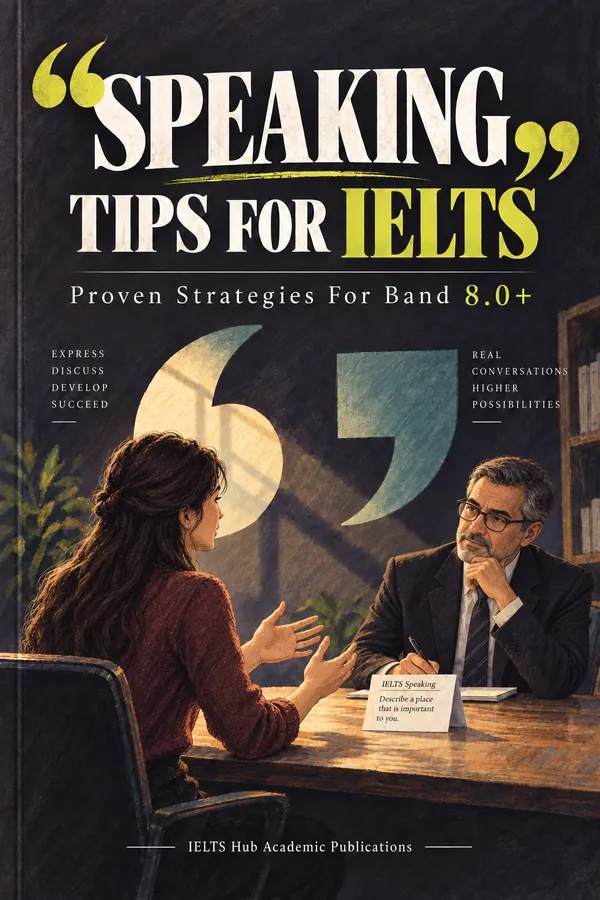
Speaking Tips for IELTS
Proven Strategies for Band 8.0+
₹299$9.99CAD 13.99AUD 14.99£7.99NZD 16.99€8.99AED 39SGD 12.99

Speaking
Speak Like a Band 9
Real Test Questions & High-Scoring Answers
₹299$9.99CAD 13.99AUD 14.99£7.99NZD 16.99€8.99AED 39SGD 12.99