Speaking test #004
Part 1 · Interview
4 to 5 minutes. The examiner asks about you and familiar topics.
Can you tell me your full name?
Where are you from?
Do you work or are you a student?
How much money is enough?
It is difficult to quantify how much money is "enough" as it varies from person to person and their individual needs and wants. For some, having a comfortable lifestyle with basic necessities met may be considered enough, while for others, having a large amount of wealth and luxury items may be considered enough. Ultimately, it is a matter of perspective and personal satisfaction.
Why do people care too much about money?
I believe that people care too much about money because it is a means to achieve certain goals and aspirations in life, such as providing for oneself and one's family, achieving financial stability, and having the ability to pursue one's interests and passions. Additionally, society often places a great deal of emphasis on wealth and material success, which can lead to an obsession with accumulating more money.
Is money important to you?
Money is certainly important to me as it allows me to meet my basic needs and provides a sense of security and stability in my life. However, I also believe that money is not the only thing that defines one's worth or happiness, and that there are many other things in life that are just as important, such as relationships, personal growth, and fulfillment.
What do people in your country save money for?
In my country, people save money for a variety of reasons. Many people save for their future, such as retirement or their children's education. Others may save for a specific goal or purchase, such as buying a house or a car. Additionally, many people in my country also save for unexpected expenses or emergencies, such as medical bills or job loss. Overall, saving for financial security and stability is a common goal for many people in my country.
Do you like to get up early in the morning?
I am definitely an early riser. I find that there is something very refreshing and energizing about starting the day before the sun comes up. The quiet of the morning and the sense of accomplishment that comes with getting a head start on the day is something that I find very appealing.
What is your morning routine?
My morning routine starts with me getting up at around 6am. After that, I make myself a cup of coffee and sit down with my journal to do some morning writing. This is a great way for me to clear my head and get my thoughts in order before the day begins. After that, I spend some time stretching and doing yoga to get my body moving and energized. After that, I take a shower and get dressed for the day.
What did you do in the morning when you were little?
When I was little, my mornings were pretty low key. I would usually wake up around 7am and spend some time watching cartoons or playing with my toys. After that, I would have breakfast and then spend some time getting ready for school. I always loved the mornings when I was a kid because it was a time to be carefree and to just enjoy the day ahead.
Is there any difference between what you do in the morning now and what you did in the past?
There is definitely a difference between what I do in the morning now and what I did in the past. As a child, my mornings were all about play and fun. Now, as an adult, my mornings are focused on getting myself prepared for the day ahead. I spend more time on self-care and self-improvement activities like yoga and journaling, and less time on leisure activities. But overall, I still enjoy waking up early and starting my day before the sun comes up.
You will have to talk about the topic for one to two minutes. You have one minute to think about what you are going to say. You can make some notes to help you if you wish.
Something you have learned recently from the Internet
You should say:
- What you learned
- How you came across this information
- Why it caught your attention
- How this new knowledge may be useful to you
What you learned
Recently, I learned about the benefits of practicing mindfulness meditation from the Internet. I came across this information while browsing through a wellness blog that emphasized the importance of mental well-being. The article I stumbled upon highlighted how mindfulness meditation can reduce stress, improve focus, and enhance overall emotional well-being.
How you came across this information
The topic caught my attention because I have always been interested in exploring ways to maintain a healthy mind and body. The concept of mindfulness meditation seemed intriguing as it offered a simple yet effective way to cultivate inner peace and resilience. The idea of being able to manage stress and enhance mental clarity through a daily practice resonated with me on a personal level.
Why it caught your attention
This new knowledge of mindfulness meditation has already started to benefit me in numerous ways. I have incorporated short meditation sessions into my daily routine, which has helped me to feel more centered and calm amidst the chaos of everyday life. I have noticed an improvement in my ability to focus on tasks and maintain a positive outlook even during challenging situations. Moreover, practicing mindfulness has allowed me to develop a greater sense of self-awareness and emotional regulation.
How this new knowledge may be useful to you
In conclusion, learning about mindfulness meditation from the Internet has been a valuable discovery for me. This newfound knowledge not only contributes to my personal well-being but also equips me with effective tools to navigate through life's ups and downs with greater resilience and mindfulness.
- Words
- 238
- Sentences
- 12
- Words per sentence
- 19.8
- Speaking time
- about 1.8 min
Counted at 130 words a minute. The exam gives you one to two minutes.
Part 3 · Discussion
4 to 5 minutes. The examiner asks broader questions linked to the cue card topic.
How do you think online learning is different from learning in a regular classroom?
Online learning and traditional classroom learning differ in several significant ways. First and foremost, online learning offers unparalleled flexibility, allowing students to access materials anytime and anywhere, which can be a game-changer for those balancing work or family commitments. On the other hand, traditional classrooms provide a more structured environment that fosters face-to-face interaction, which many people find invaluable for building relationships and receiving immediate feedback. Additionally, the use of technology in online learning can sometimes enhance engagement through interactive tools like videos and forums, but it can also lead to distractions if students aren't disciplined. Conversely, traditional settings create a sense of community and belonging, often leading to better motivation and accountability among peers. Ultimately, each method has its own merits, and the choice between them often depends on individual learning styles and circumstances.
Some people think online materials are better than regular books. What do you think about this?
I can definitely see why some people prefer online resources over physical books, and I think it largely depends on individual needs. For instance, online materials often provide instant access to an extensive array of information, which can be incredibly convenient for research or studying. However, I personally believe that physical books have an irreplaceable charm. The tactile experience of turning pages and the smell of a good book can be quite nostalgic and enriching. Plus, many studies suggest that reading from a physical book can enhance comprehension and retention, which is vital for deep learning. So, while I appreciate the advantages of digital formats, I still hold a special place in my heart for traditional books!
How important is it for people to keep up with the latest information online?
Staying updated with the latest information on the Internet is absolutely crucial in today’s fast-paced world. With the rapid advancements in technology and the constant flow of new data, being informed can significantly influence both personal and professional decisions. For instance, in fields like medicine or finance, having access to the most recent research or market trends can lead to better outcomes. Moreover, being aware of current events fosters a sense of global awareness and helps individuals engage in meaningful conversations. Ultimately, it’s about empowering oneself with knowledge to navigate life’s challenges effectively.
Why do you think people prefer to learn new things from the Internet instead of other places?
I think people are increasingly inclined to learn from the Internet because it offers unparalleled accessibility and diversity in resources. With just a few clicks, anyone can find a plethora of tutorials, articles, and videos on almost any topic imaginable. Additionally, the Internet allows learners to tailor their experience according to their own pace and preferences, which is often more convenient than traditional learning methods. Social media and online communities also foster a sense of engagement and collaboration, making the learning process feel less isolating. Overall, the convenience and variety available online make it an appealing choice for many people seeking knowledge.
How could learning change in the future as we depend more on the Internet?
The future of learning is bound to undergo a profound transformation as our reliance on the Internet continues to grow. I imagine we’ll see a shift towards more personalized learning experiences, where students can tailor their education to fit their unique interests and learning styles. This could be facilitated by advanced technologies like artificial intelligence, which can provide real-time feedback and adapt content to meet individual needs. Moreover, the rise of online platforms will likely foster a more global classroom, allowing students from diverse backgrounds to collaborate and share ideas, regardless of geographical barriers. However, it’s crucial to ensure that we strike a balance between digital and traditional learning methods, as face-to-face interaction still plays a vital role in developing social skills. Overall, the future of learning is incredibly exciting, with endless possibilities on the horizon!
What steps can be taken to make sure that online learning works well and is reliable?
To ensure that online learning is both effective and trustworthy, a multi-faceted approach is essential. First and foremost, educational institutions should implement rigorous assessment standards to evaluate the quality of online courses and instructors. This could involve regular reviews and feedback mechanisms from students, which would help maintain a high standard of content and teaching. Additionally, fostering a sense of community engagement through interactive platforms can enhance the learning experience, making students feel more connected and supported. Lastly, ensuring that online platforms adhere to strict data privacy regulations will bolster trust among learners, allowing them to focus on their studies without concerns about their personal information being compromised.
Go further with the books
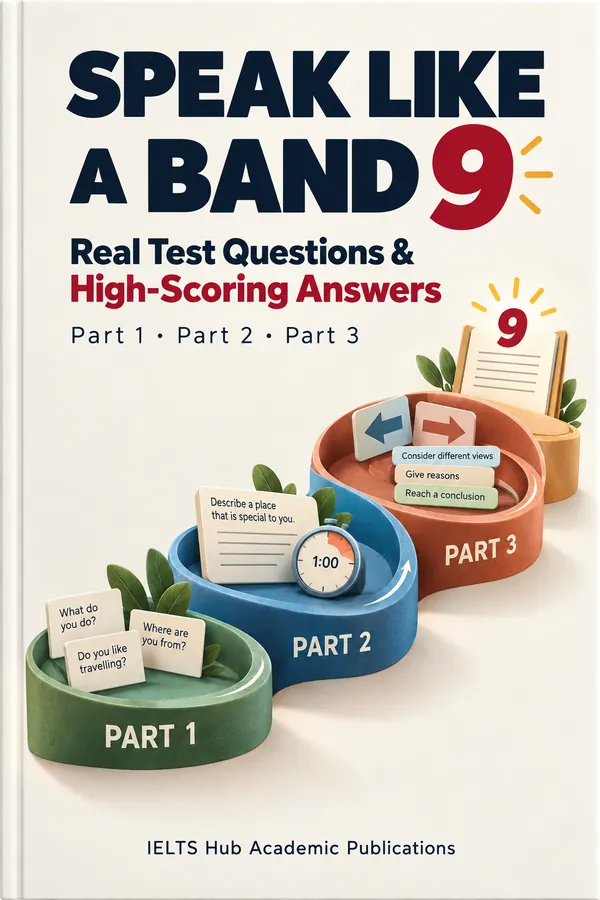
Speaking
Speak Like a Band 9
Real Test Questions & High-Scoring Answers
₹299$9.99CAD 13.99AUD 14.99£7.99NZD 16.99€8.99AED 39SGD 12.99
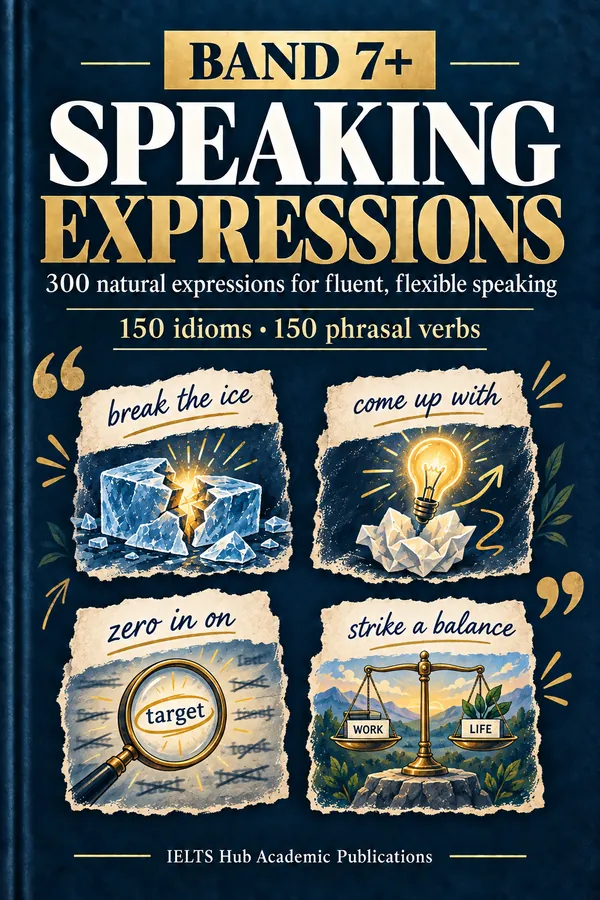
Speaking
Band 7+ Speaking Expressions
300 natural expressions for fluent, flexible speaking
₹199$6.99CAD 8.99AUD 9.99£4.99NZD 10.99€5.99AED 24SGD 8.99
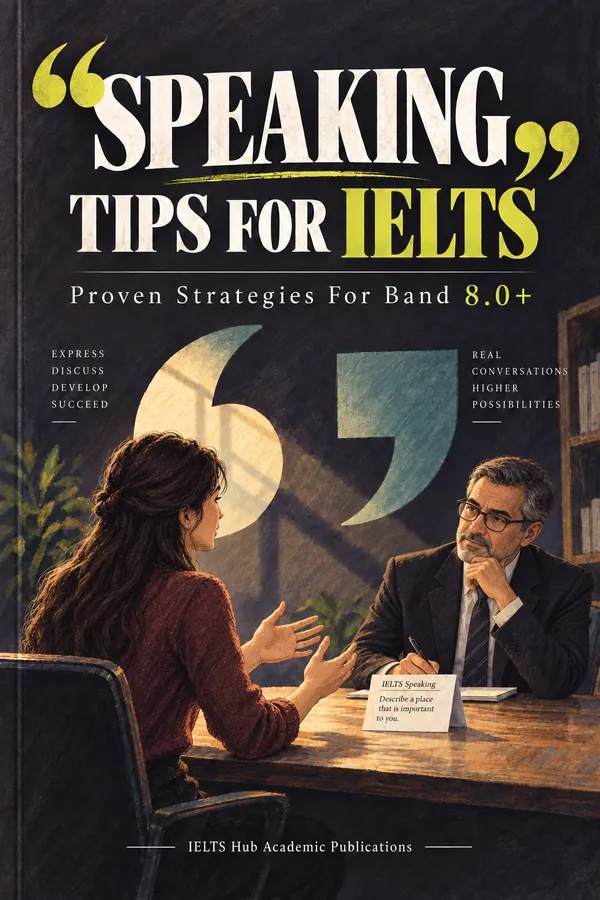
Speaking
Speaking Tips for IELTS
Proven Strategies for Band 8.0+
₹299$9.99CAD 13.99AUD 14.99£7.99NZD 16.99€8.99AED 39SGD 12.99