Speaking test #005
Part 1 · Interview
4 to 5 minutes. The examiner asks about you and familiar topics.
Can you tell me your full name?
Where are you from?
Do you work or are you a student?
Do you think museums are important?
Absolutely, I believe that museums are incredibly important. They provide us with an opportunity to learn about different cultures, historical events, and scientific discoveries. They also help to preserve and protect important artifacts, artworks, and documents that would otherwise be lost to time. Without museums, our understanding of the world and our place in it would be greatly diminished.
Are there many museums in your hometown?
There are quite a few museums in my hometown, although the selection is not as extensive as in some larger cities. We have a few historical museums, as well as an art museum and a science museum. However, I would say that we don't have as many as I would like. I think it would be great if we had more museums that focused on different aspects of our local history and culture.
Do you often visit a museum?
I try to visit a museum as often as possible. I find that they are always a great source of inspiration and education. I especially enjoy visiting museums when I travel, as it gives me an opportunity to learn more about the local culture and history. I find that museums are a great way to gain a deeper understanding of the world around me.
When was the last time you visited a museum?
The last time I visited a museum was last month. I went to the local art museum and saw an exhibition of contemporary art from around the world. It was an incredible experience, and I was struck by the diversity and creativity of the artworks on display. I found the exhibition to be both thought-provoking and inspiring, and I would highly recommend it to anyone who is interested in contemporary art.
Do you like music? Why / why not?
I absolutely love music! For me, it's a way to express my emotions, connect with others and even forget about the world for a little while. Whether I'm feeling happy, sad, or just need some background noise, there's always a song that can fit the mood. I think music is one of the most powerful forms of art and it's something that has always been a big part of my life.
What kind of music do you listen to? Why?
I listen to a wide variety of music, but my favorite genre is probably alternative rock. I love the energy and emotion that comes through in the lyrics and the unique sound that different bands bring to the genre. I also enjoy listening to indie music and some electronic music. I find that these genres allow me to discover new artists and sounds, and I appreciate the diversity that they offer.
Has the music that you listen to changed since you were young?
Yes, my taste in music has definitely evolved over the years. When I was younger, I mostly listened to pop music and whatever was popular at the time. As I got older, I started to explore different genres and discovered that there was so much more out there than I had ever realized. My taste in music has become more diverse and I now appreciate a wider range of sounds and styles.
Do you think older and younger generations prefer different types of music?
I think that different generations can have different musical preferences, but it's not always a straightforward distinction. For example, older people might be more inclined to listen to classical music or traditional genres, while younger people might be more into hip-hop or electronic music. However, there are also plenty of older people who love contemporary music and younger people who appreciate older genres. I think it's important to remember that music is a personal thing and everyone has their own unique tastes and preferences.
You will have to talk about the topic for one to two minutes. You have one minute to think about what you are going to say. You can make some notes to help you if you wish.
Describe an exciting sport you know about
You should say:
- What is the sport
- How it is played
- Why you find it exciting
- Any memorable experiences related to the sport
What is the sport
One of the most exciting sports I know about is cricket, which is incredibly popular in India. Cricket is a bat-and-ball game played between two teams of eleven players on a circular field. The game involves two phases - one where a team bats, trying to score runs, and the other where they field, trying to restrict the opposing team from scoring. The objective is to score more runs than the opposition to win.
How it is played
I find cricket exciting for several reasons. Firstly, it is a game of strategy and skill, requiring players to excel in batting, bowling, and fielding. The competitive nature of cricket, with its unexpected twists and turns, always keeps me on the edge of my seat. The passion and enthusiasm of both players and fans add to the excitement of the game, especially during high-stakes matches like the World Cup or the Indian Premier League.
Why you find it exciting
One memorable experience related to cricket was when I attended a live match at a stadium. The electrifying atmosphere, the cheers of the crowd, and the tense moments during close encounters left a lasting impression on me. Witnessing the players' dedication and talent up close made me appreciate the sport even more. It was a thrilling experience that solidified my love for cricket and reinforced its status as an exciting sport in my eyes.
Any memorable experiences related to the sport
In conclusion, cricket is a sport that never fails to captivate me with its blend of skill, strategy, and sheer excitement. Whether watching a match on TV or experiencing it live, the thrill of cricket is unmatched. The sport's ability to bring people together, evoke emotions, and create unforgettable moments makes it truly special and exciting for me.
- Words
- 280
- Sentences
- 15
- Words per sentence
- 18.7
- Speaking time
- about 2.2 min
Counted at 130 words a minute. The exam gives you one to two minutes.
Part 3 · Discussion
4 to 5 minutes. The examiner asks broader questions linked to the cue card topic.
How does the popularity of a fun sport change in different cultures or countries?
The popularity of an exciting sport can greatly differ across cultures and countries due to several factors. For instance, in countries like Brazil, football is almost a religion, deeply ingrained in the national identity and celebrated with fervor. In contrast, sports like cricket dominate in South Asia, where it's not just a pastime but a source of immense national pride. Additionally, cultural values and historical context play a significant role; for example, extreme sports like surfing or snowboarding may thrive in regions with ideal natural landscapes, such as coastal or mountainous areas. Ultimately, the local infrastructure, media coverage, and community support also contribute to how a sport is perceived and enjoyed, making it a fascinating interplay of culture and sport.
What are some reasons people might see extreme sports differently in terms of excitement?
People’s differing views on the thrill of extreme sports can often be traced back to a variety of personal factors. For instance, some individuals thrive on adrenaline-fueled experiences and view these activities as a way to push their limits and escape the mundane aspects of life. On the other hand, there are those who perceive extreme sports as reckless and high-risk endeavors that could lead to serious injuries or even fatal accidents. Cultural background also plays a significant role; in some cultures, adventurous activities are celebrated, while in others, they may be frowned upon. Ultimately, it’s fascinating how personal experiences and societal influences shape our perceptions of what is thrilling or hazardous!
How do you think taking part in fun sports helps people grow personally?
Participation in exciting sports can significantly enhance personal development in several ways. First, engaging in high-energy activities fosters resilience and grit, as athletes often face challenges and setbacks that they must overcome. This not only builds mental strength but also cultivates a sense of determination that can be applied to various aspects of life. Furthermore, team sports, in particular, promote collaboration and communication skills, as players learn to work together towards a common goal, which is invaluable in both personal and professional environments. Lastly, the thrill of participating in exciting sports can boost self-esteem and confidence, allowing individuals to push their limits and discover their true potential. Overall, the benefits extend far beyond the playing field, shaping more well-rounded individuals.
Why do you think some people like to take part in risky sports while others choose safer activities?
That's a fascinating question! I believe the allure of high-risk sports often stems from a combination of personality traits and a desire for adrenaline-fueled experiences. Some individuals thrive on the thrill of the unknown, seeking out challenges that push their limits and provide a sense of accomplishment. In contrast, others may prioritize safety and prefer activities that offer a more relaxed environment, where they can enjoy themselves without the fear of injury. Cultural influences also play a significant role; in some societies, extreme sports are celebrated and seen as a rite of passage, while in others, they might be viewed as reckless. Ultimately, it boils down to personal preference and what individuals find fulfilling—whether it's the excitement of conquering their fears or the peace of mind that comes from engaging in safer pursuits.
How might new technology change the future of thrilling sports?
The future of exciting sports is likely to be transformed significantly by advancements in technology. For instance, we could see enhanced viewing experiences with virtual reality, allowing fans to feel as if they're right in the middle of the action, no matter where they are. Moreover, wearable tech could provide real-time data on athletes' performance, giving coaches and fans a deeper insight into the game, which could enhance strategic planning and training. Additionally, innovations like AI-driven analytics could revolutionize how teams analyze their opponents and improve their game tactics. Overall, technology not only has the potential to make sports more thrilling but also to foster a greater connection between fans and athletes.
What steps can be taken to make thrilling sports safer without losing their excitement?
To enhance safety in exciting sports without compromising their appeal, a multifaceted approach is essential. Firstly, implementing more rigorous safety regulations and standards can help ensure that all equipment used is up to par; for instance, using advanced materials that provide better protection without sacrificing performance. Additionally, offering comprehensive training programs for both participants and instructors can significantly reduce the risk of injury. Moreover, incorporating technology, such as wearable devices that monitor vital signs and performance metrics, can provide real-time feedback and enhance safety. Finally, fostering a culture of personal responsibility among athletes, where they prioritize safety alongside thrill, can make a huge difference. By striking this balance, we can enjoy the adrenaline rush while keeping everyone safe and sound!
Go further with the books

Speaking
Speaking Tips for IELTS
Proven Strategies for Band 8.0+
₹299$9.99CAD 13.99AUD 14.99£7.99NZD 16.99€8.99AED 39SGD 12.99

Speaking
Speak Like a Band 9
Real Test Questions & High-Scoring Answers
₹299$9.99CAD 13.99AUD 14.99£7.99NZD 16.99€8.99AED 39SGD 12.99
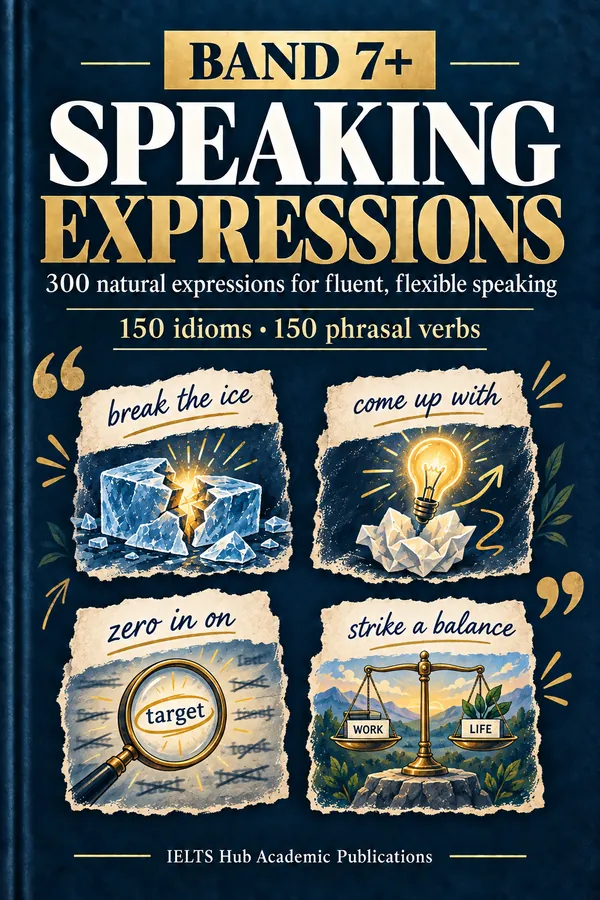
Speaking
Band 7+ Speaking Expressions
300 natural expressions for fluent, flexible speaking
₹199$6.99CAD 8.99AUD 9.99£4.99NZD 10.99€5.99AED 24SGD 8.99