Speaking test #011
Part 1 · Interview
4 to 5 minutes. The examiner asks about you and familiar topics.
Can you tell me your full name?
Where are you from?
Do you work or are you a student?
Do you like outdoor activities?
Yes, I absolutely love outdoor activities. I find them to be incredibly invigorating and they provide an excellent way for me to stay active and healthy.
What outdoor activities do you most like to do?
I am particularly fond of hiking and camping. I love the feeling of being out in nature and the sense of adventure that comes with exploring new trails and wilderness areas. I also enjoy swimming, kayaking, and rock climbing.
How much time do you spend outdoors every week?
I try to spend as much time outdoors as possible, but it can vary depending on my schedule. On average, I would say that I spend around 20-25 hours per week outdoors.
What (types of) outdoor activities are popular in your country?
In my country, there are many different types of outdoor activities that are popular. Some of the most popular include hiking, camping, rock climbing, and watersports such as swimming, kayaking, and rafting. Additionally, there is a strong culture of outdoor sports such as soccer, basketball, and volleyball. In the winter, skiing and snowboarding are also popular outdoor activities. Overall, there is a wide range of outdoor activities for people to enjoy in my country.
Do you like painting?
Oh, absolutely! I find painting to be such a therapeutic and creative outlet. It's a great way to express myself and to explore different colors and textures.
Do you like to watch a person painting?
Definitely! Watching someone paint is like watching a master at work. It's fascinating to see how they use their brushstrokes and how they build up their layers of paint. It's also inspiring to see the finished product and to see how they've transformed a blank canvas into a work of art.
Is it easy to learn how to paint?
I think it depends on the individual. For some, it may come naturally and they may pick it up quickly. For others, it may take more time and practice to develop the skills. But I do believe that with the right mindset and approach, anyone can learn to paint.
Would you like to learn/improve painting in the future?
Definitely! I've always been interested in painting, but I've never had the opportunity to really delve into it. I would love to take a class or workshop and learn more about different techniques and styles. I think it would be an incredibly rewarding and fulfilling experience.
You will have to talk about the topic for one to two minutes. You have one minute to think about what you are going to say. You can make some notes to help you if you wish.
A person who can speak a second language
You should say:
- Which language they speak
- How they learned the language
- How often they use the language
- How their ability to speak a second language has influenced their life
Which language they speak
In the diverse cultural landscape of India, I am fortunate to know an exceptional individual who fluently speaks French as a second language. My friend, Maya, is proficient in French, a language known for its elegance and richness. She learned French during her college years as part of her foreign language studies curriculum. Being passionate about languages, she dedicated herself to mastering French through rigorous coursework, language exchange programs, and immersive experiences.
How they learned the language
Maya's proficiency in French is evident in her regular use of the language in her daily life. She often communicates with French-speaking friends and colleagues, watches French movies, reads French literature, and even participates in French cultural events. Additionally, she travels to French-speaking countries whenever possible to further enhance her language skills and cultural understanding. Her dedication to using French consistently has enabled her to maintain a high level of fluency and confidence.
How often they use the language
The ability to speak French has had a profound impact on Maya's life in various aspects. Professionally, it has opened up opportunities for her to work with international organizations and collaborate with French-speaking counterparts. Personally, it has enriched her cultural experiences, broadened her perspectives, and deepened her connections with people from diverse backgrounds. Moreover, her language skills have boosted her confidence and communication abilities, making her a more versatile and adaptable individual in today's globalized world.
How their ability to speak a second language has influenced their life
In conclusion, Maya's fluency in French serves as a testament to the transformative power of learning a second language. Her dedication, regular practice, and utilization of French have not only enhanced her personal and professional life but also enriched her worldview and intercultural competence. Maya stands as a shining example of how proficiency in a second language can open doors to new opportunities, foster meaningful connections, and broaden one's horizons beyond boundaries.
- Words
- 293
- Sentences
- 15
- Words per sentence
- 19.5
- Speaking time
- about 2.3 min
Counted at 130 words a minute. The exam gives you one to two minutes.
Part 3 · Discussion
4 to 5 minutes. The examiner asks broader questions linked to the cue card topic.
How could the advantages of being bilingual be different for people living in cities compared to those in the countryside?
That's a fascinating question! The benefits of being bilingual can certainly vary between urban and rural settings. In urban areas, where there's often a diverse population, being bilingual can enhance professional opportunities and provide access to a broader range of cultural experiences. For instance, individuals might find it easier to network in cosmopolitan environments or land jobs in international companies. Conversely, in rural settings, the advantages might lean more towards community connections and cultural heritage. Being bilingual can help maintain ties to local traditions and facilitate communication within close-knit communities, which may include speakers of different languages. So, while both settings offer unique benefits, the emphasis shifts based on the social and economic context of the individual’s environment.
Some people think that knowing a second language is important for getting ahead in a job. What do you think about this idea?
I wholeheartedly agree that learning a second language is increasingly crucial for career advancement. In today’s globalized world, employers often seek candidates who can communicate across cultural boundaries, and being bilingual can truly set you apart from the competition. Moreover, it opens up a wealth of opportunities in diverse fields, such as international business, diplomacy, and even tech industries where collaboration with global teams is common. Not to mention, it enhances cognitive skills and cultural awareness, which are invaluable in any workplace. Overall, investing time in learning a second language can significantly broaden your career prospects and enrich your professional life.
How important is knowing two languages for promoting cultural understanding and acceptance in a diverse society?
Bilingualism plays a crucial role in fostering cultural understanding and tolerance, especially in today's increasingly interconnected world. When individuals can communicate in more than one language, they often gain deeper insights into the customs and values of different cultures, leading to enhanced empathy and appreciation for diversity. This linguistic ability not only breaks down barriers but also encourages meaningful interactions, which are essential for building strong, harmonious communities. Moreover, bilingualism can challenge stereotypes and misconceptions, paving the way for a more inclusive society. Ultimately, embracing multiple languages cultivates a sense of belonging and shared identity, which is vital in a multicultural environment.
Why do you think some people find it easier to learn a second language than other people?
I believe several factors contribute to why some individuals find it easier to learn a second language than others. Firstly, cognitive abilities play a significant role; those with strong memory skills often pick up vocabulary and grammar rules more quickly. Additionally, motivation is key—people who are genuinely interested in the culture or the language itself tend to immerse themselves more fully, making the learning process feel less like a chore. Furthermore, exposure to the language through travel or social interactions can greatly enhance one’s ability to grasp it, as real-life practice often solidifies understanding in a way that classroom learning cannot. So, in essence, it’s a blend of personal traits, interest levels, and life experiences that shapes one's language learning journey.
What changes do you think could happen in the future about how important learning foreign languages is?
I think the importance of learning foreign languages will only continue to increase in the future. As our world becomes more interconnected, the ability to communicate across cultures will be invaluable. With the rise of globalization, people are more likely to travel, work, and collaborate with others from different countries. Moreover, technology is advancing rapidly, making cross-cultural communication easier, but nothing can replace the nuances and richness that come from speaking a language fluently. Thus, being proficient in foreign languages might not just be an asset, but a necessity for thriving in an increasingly diverse world.
What steps can schools take to help students learn a second language better?
Educational institutions can adopt several measures to encourage students to learn a second language more effectively. Firstly, they could introduce immersive language programs that create real-life scenarios where students can practice their language skills regularly. Incorporating technology, such as language-learning apps or online exchange platforms, can also make the learning process more interactive and engaging. Additionally, fostering a supportive environment that celebrates multilingualism can motivate students, as they see the value and cultural richness in learning another language. Lastly, offering incentives like scholarships or recognition for proficiency can inspire students to invest more time and effort into mastering a second language.
Go further with the books
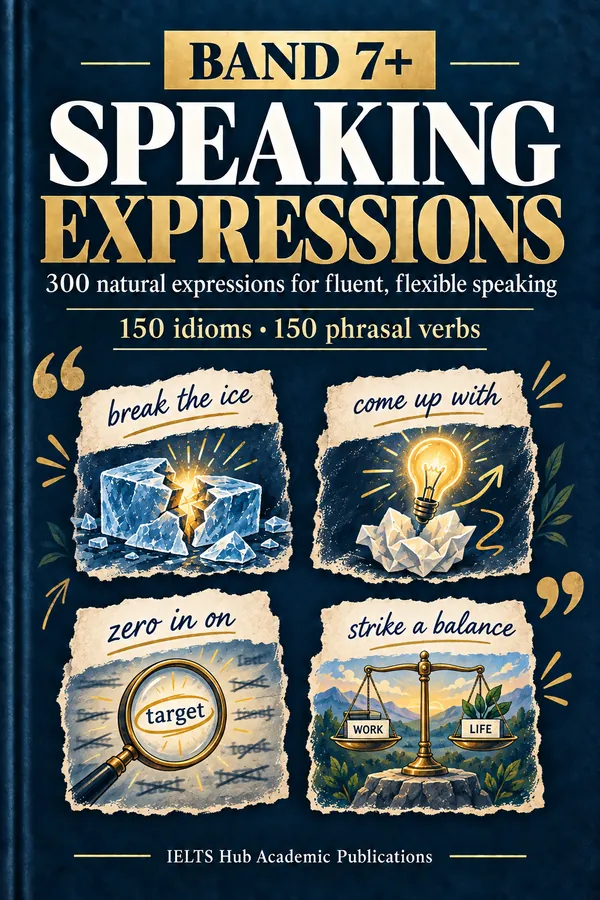
Speaking
Band 7+ Speaking Expressions
300 natural expressions for fluent, flexible speaking
₹199$6.99CAD 8.99AUD 9.99£4.99NZD 10.99€5.99AED 24SGD 8.99
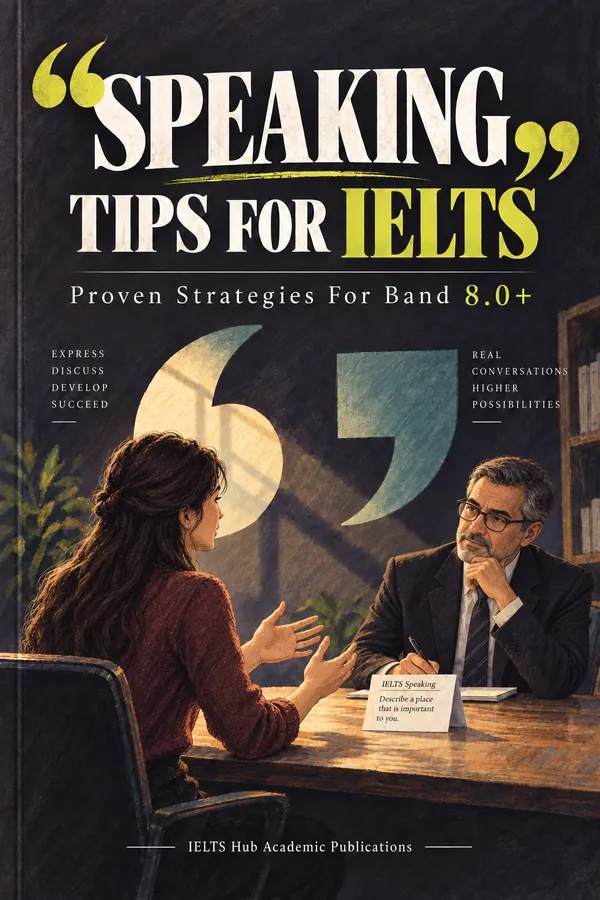
Speaking
Speaking Tips for IELTS
Proven Strategies for Band 8.0+
₹299$9.99CAD 13.99AUD 14.99£7.99NZD 16.99€8.99AED 39SGD 12.99
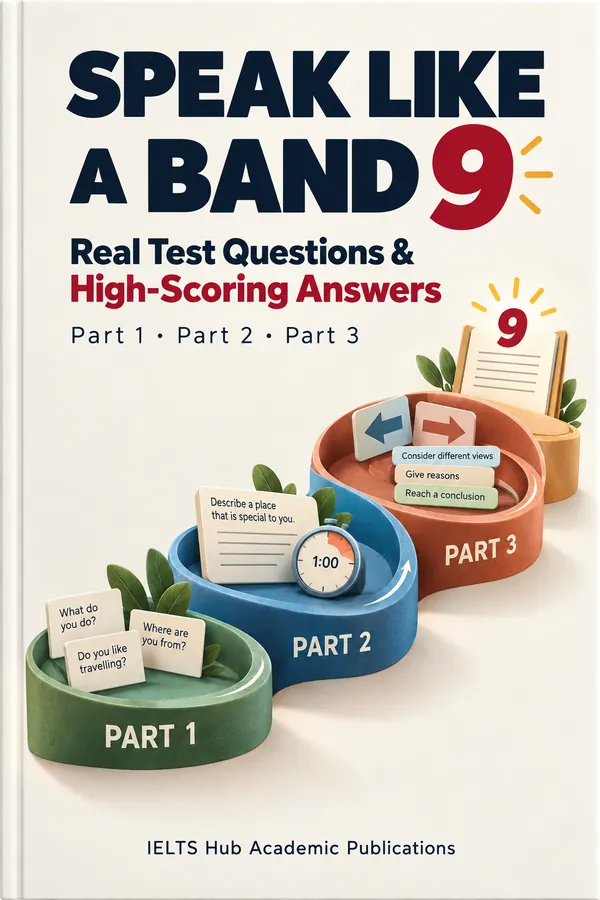
Speaking
Speak Like a Band 9
Real Test Questions & High-Scoring Answers
₹299$9.99CAD 13.99AUD 14.99£7.99NZD 16.99€8.99AED 39SGD 12.99