Speaking test #017
Part 1 · Interview
4 to 5 minutes. The examiner asks about you and familiar topics.
Can you tell me your full name?
Where are you from?
Do you work or are you a student?
Are you a polite person?
A1. Absolutely, I believe in treating others with respect and kindness. Being polite is an important aspect of any society, and I make a conscious effort to always be courteous and considerate towards others.
How do people of your country (India) show politeness?
A2. In India, politeness is often demonstrated through the use of formal language and gestures. For example, using words like "please" and "thank you" is considered polite, as is using formal titles when addressing elders or authority figures. Additionally, Indian culture places a strong emphasis on the use of nonverbal cues, such as bowing or using hand gestures to show respect.
Has the way people show politeness changed in your country (India)?
A3. I believe that, like any society, India has undergone changes in the way politeness is expressed over time. For example, with the rise of technology and social media, people are increasingly communicating through digital platforms, which can make it more difficult to convey politeness through traditional nonverbal cues. However, I also think that traditional forms of politeness, such as using formal language and gestures, still hold strong in Indian culture.
Are you angry with people who are late?
A4. While I understand that things can come up that may cause someone to be late, I do have to admit that I can become frustrated when people are consistently late. However, I try to focus on understanding the reasons behind the lateness and not take it personally. Being punctual is an important aspect of respect and politeness, and I think it's important for all of us to make an effort to be on time.
What did you like to do the most when you were in primary school?
When I was in primary school, I loved playing sports. I was particularly passionate about soccer and would spend most of my free time practicing and playing with my friends. I also enjoyed participating in school sports teams and competitions, it was always a great feeling to represent my school and compete against other teams.
How did you go to your primary school?
I used to go to my primary school by bus. My parents would drop me off at the bus stop near our house, and I would take the bus to school. It was a convenient and efficient way to travel, and I enjoyed the short journey to school each day.
How do you like your primary school?
I have fond memories of my primary school. The teachers were very supportive and dedicated, and the curriculum was challenging but engaging. I also made many lasting friendships during my time there, and I have very fond memories of the school community. Overall, I had a positive experience at my primary school.
What did you do in your leisure time in your primary school?
In my leisure time in primary school, I enjoyed playing sports with my friends. We would often organize impromptu soccer matches in the playground during lunch breaks and after school. I also enjoyed reading and would often spend my free time in the school library. I also loved playing with my classmates in the school yard, and it was always a great time.
You will have to talk about the topic for one to two minutes. You have one minute to think about what you are going to say. You can make some notes to help you if you wish.
You were friendly to someone you did not like
You should say:
- Who the person was
- How you showed friendliness towards them
- Why you chose to be friendly despite not liking them
- How you felt about the experience afterwards
Who the person was
In a diverse society like India, interactions with people we may not particularly like are quite common. One such instance stands out in my memory when I had to be friendly towards a colleague named Ravi, whom I did not get along with. Despite our differences, I made a conscious effort to be friendly and cordial towards him.
How you showed friendliness towards them
To demonstrate friendliness towards Ravi, I made it a point to greet him with a smile every morning and engage in small talk during office breaks. I also offered my assistance whenever he needed help with work-related tasks, even though it was not required of me. Additionally, I invited him to join our team for lunch outings, aiming to foster a more positive relationship between us.
Why you chose to be friendly despite not liking them
The reason behind my decision to be friendly towards Ravi was rooted in professionalism and the importance of maintaining a harmonious work environment. I believed that by showing kindness and respect towards him, we could potentially resolve our differences and work together more effectively as colleagues. Moreover, I understood that personal conflicts should not interfere with professional responsibilities.
How you felt about the experience afterwards
Reflecting on the experience afterwards, I felt a sense of satisfaction knowing that my efforts had a positive impact on our working relationship. While we may not have become best friends, our interactions became more amicable, and we were able to collaborate better on projects. This encounter taught me the value of setting aside personal biases and focusing on mutual respect in professional settings.
- Words
- 246
- Sentences
- 12
- Words per sentence
- 20.5
- Speaking time
- about 1.9 min
Counted at 130 words a minute. The exam gives you one to two minutes.
Part 3 · Discussion
4 to 5 minutes. The examiner asks broader questions linked to the cue card topic.
How can a relationship change when people are nice to each other, even if they don't agree on everything?
When individuals choose to act kindly towards each other, it can profoundly transform the dynamics of a relationship. Even if there are personal differences, kindness acts as a bridge that fosters understanding and empathy. It creates a positive atmosphere where both parties feel valued and respected, which can lead to more open and honest communication. Over time, these small acts of kindness can build a strong foundation of trust, making it easier to navigate conflicts when they arise. Ultimately, choosing kindness can turn potential disagreements into opportunities for growth and deeper connection.
Why might people be polite to others they don't really like?
There are several reasons why individuals might opt to be courteous to those they don't particularly like. Firstly, maintaining social harmony is crucial in many contexts, whether it's at work or in social circles. Acting courteously can help avoid unnecessary conflict and create a more pleasant atmosphere. Additionally, some people believe in the value of treating others with respect, regardless of personal feelings, as it reflects their own character and values. Finally, being polite can sometimes lead to unexpected positive interactions, which might even shift one’s perspective about the other person over time.
How does being friendly to others help create a nicer social atmosphere?
Maintaining a friendly demeanor can significantly enhance the overall atmosphere of any social setting. When individuals approach interactions with warmth and openness, it fosters a sense of community spirit and encourages others to feel at ease. This positivity can lead to more meaningful connections, as people are naturally drawn to those who radiate friendliness. Moreover, a cheerful attitude can be infectious; it often creates a ripple effect, prompting others to reciprocate and engage in a more supportive interaction. In essence, when everyone adopts a friendly approach, it not only enriches personal relationships but also cultivates a more vibrant and harmonious community.
Why do you think it's hard for people to be nice to those they don't like?
It's an interesting question! I think one of the main reasons people struggle to be friendly to those they dislike is that emotions can be quite powerful. When someone has a negative opinion of another person, it can result in a strong sense of aversion, which makes it hard to act in a friendly manner. Additionally, there’s often a fear of appearing insincere; if someone is forced to be nice to someone they dislike, it can come off as hypocritical, which many people want to avoid. Moreover, interpersonal dynamics can get complicated, especially if the disliking stems from past experiences or misunderstandings, making it even harder to break down those emotional barriers. Ultimately, it requires a lot of emotional intelligence and self-awareness to navigate such situations effectively!
How might the way people with different feelings about each other change in the future?
Interactions between people with opposing feelings could evolve significantly in the future, especially as technology continues to bridge gaps between diverse perspectives. With the advent of virtual reality and augmented reality, individuals might find themselves in immersive environments that encourage empathy and understanding. For instance, experiencing a day in someone else's shoes could foster a sense of connection that transcends traditional barriers. Additionally, social media platforms are increasingly promoting dialogue over divisiveness, which could lead to more constructive conversations. Ultimately, by embracing innovation and prioritizing open communication, we could witness a remarkable shift towards collaboration and mutual respect, even among those with fundamentally different views.
What steps can be taken to create a friendlier environment among people who disagree?
To foster a more harmonious atmosphere among individuals who don’t see eye to eye, it’s essential to promote open dialogue. Encouraging people to express their opinions in a respectful manner can help bridge gaps and build understanding. Additionally, organizing team-building activities can create opportunities for individuals to connect on a personal level, which often softens rigid viewpoints. It’s also beneficial to cultivate an environment where active listening is prioritized, as this helps individuals feel valued and respected, even when they disagree. Ultimately, fostering empathy and encouraging a mindset of collaboration can go a long way in creating a more cohesive atmosphere.
Go further with the books
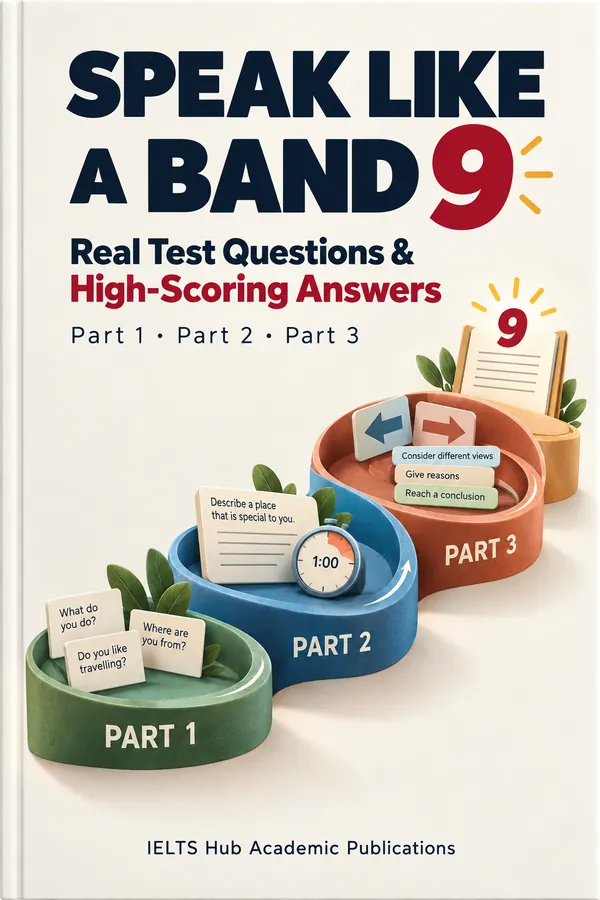
Speaking
Speak Like a Band 9
Real Test Questions & High-Scoring Answers
₹299$9.99CAD 13.99AUD 14.99£7.99NZD 16.99€8.99AED 39SGD 12.99
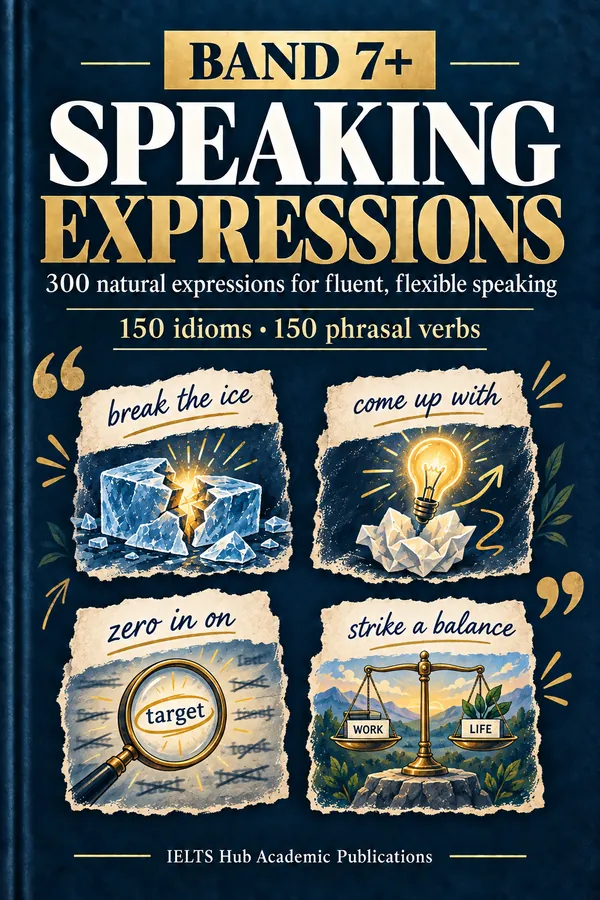
Speaking
Band 7+ Speaking Expressions
300 natural expressions for fluent, flexible speaking
₹199$6.99CAD 8.99AUD 9.99£4.99NZD 10.99€5.99AED 24SGD 8.99
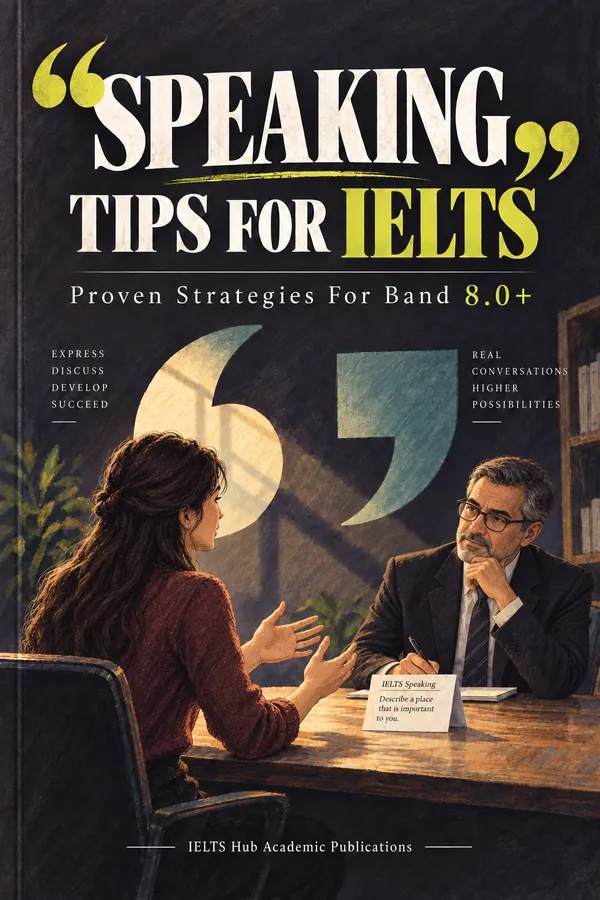
Speaking
Speaking Tips for IELTS
Proven Strategies for Band 8.0+
₹299$9.99CAD 13.99AUD 14.99£7.99NZD 16.99€8.99AED 39SGD 12.99