Speaking test #018
Part 1 · Interview
4 to 5 minutes. The examiner asks about you and familiar topics.
Can you tell me your full name?
Where are you from?
Do you work or are you a student?
How popular are bicycles in your hometown? [Why?
?] Bicycles are actually quite popular in my hometown. I think a lot of people opt for them as a more environmentally-friendly mode of transportation, especially since our city has a pretty good network of bike lanes and paths. Plus, with the rise of bike-sharing programs, it's become easier for people to access them when they need them.
How often do you ride a bicycle? [Why/Why not?
?] I try to ride my bike as often as possible, both for the exercise and because it's a more sustainable option for getting around. However, I do live in a city with unpredictable weather, so sometimes it's not practical to ride if it's pouring rain or there's a snowstorm.
Do you think that bicycles are suitable for all ages? [Why/Why not?
?] I think that bicycles can definitely be suitable for all ages, as long as the person is comfortable and able to ride safely. Of course, there are some limitations for younger children or elderly individuals, but with the right equipment and precautions, I don't see any reason why anyone of any age couldn't enjoy the benefits of cycling.
What are the advantages of a bicycle compared to a car? [Why?
?] There are so many advantages of a bicycle compared to a car. For one, they're much more eco-friendly, as they don't emit any harmful emissions. They're also much cheaper to maintain and operate, since you don't have to pay for gas or insurance. Additionally, cycling is a great form of exercise, and it can be a really enjoyable way to get around. Plus, with more and more cities investing in bike lanes and infrastructure, it's becoming easier and safer to ride a bike as a mode of transportation.
How did you get here today?
I took the train to get here today. It was a very smooth journey and I arrived on time for my IELTS exam.
Do you often use public transport?
Yes, I do. I find it to be a convenient and cost-effective way to travel, especially in the city where I live.
Do you like public transport in your country?
I love it! Public transport in my country is very efficient and reliable. There are a variety of options available, such as buses, trains, and subways, which makes it easy for me to get around.
What is the difference between taking the bus and taking the train?
The main difference between taking the bus and taking the train is the speed and distance that can be covered. Buses are generally slower and only travel within a specific area, while trains can cover longer distances at a faster speed. Additionally, trains typically have more comfortable seating and amenities compared to buses.
You will have to talk about the topic for one to two minutes. You have one minute to think about what you are going to say. You can make some notes to help you if you wish.
A childhood song you remember well
You should say:
- What is the song
- When and where did you hear it
- Who sang or played this song
- Why do you remember this song
What is the song
As a child growing up in India, one song that holds a special place in my heart is "Twinkle Twinkle Little Star." This timeless nursery rhyme has been a part of my childhood memories for as long as I can remember. I first heard this song at home when my parents used to sing it to me as a lullaby before bedtime. The soothing melody and simple lyrics of the song always made me feel calm and safe.
When and where did you hear it
My parents were the ones who sang "Twinkle Twinkle Little Star" to me. Their voices were like a warm embrace, and I felt loved and cared for whenever they sang this song to me. The song became a nightly ritual in our household, and it created a sense of comfort and familiarity that I cherish to this day. Even now, whenever I hear the tune of this song, it instantly takes me back to those sweet childhood moments spent with my parents.
Who sang or played this song
What makes this song so memorable for me is not just its melody, but also the emotions and memories associated with it. "Twinkle Twinkle Little Star" was not just a song, but a symbol of love, security, and innocence from my early years. It reminds me of a time when life was simple, and the world seemed full of wonder and magic. The song evokes a sense of nostalgia and warmth that will always hold a special place in my heart.
Why do you remember this song
In conclusion, "Twinkle Twinkle Little Star" is a childhood song that I will always remember fondly. It represents a time of love, comfort, and joy in my life, thanks to my parents who sang it to me. This song is not just a musical piece, but a treasured memory that continues to bring a smile to my face whenever I hear it.
- Words
- 303
- Sentences
- 14
- Words per sentence
- 21.6
- Speaking time
- about 2.3 min
Counted at 130 words a minute. The exam gives you one to two minutes.
Part 3 · Discussion
4 to 5 minutes. The examiner asks broader questions linked to the cue card topic.
How are childhood songs different from popular songs today?
That's a fascinating question! Childhood songs often have a sense of nostalgia that contemporary music might not capture in the same way. For example, songs from our childhood typically feature simple melodies and repetitive lyrics, which make them easy to remember and sing along to—perfect for young children learning language and rhythm. On the other hand, today's popular songs often delve into more complex themes and feature intricate production techniques, reflecting the diverse experiences and emotions of modern life. Additionally, many current hits incorporate various genres and styles, showcasing a global influence that was less prevalent in the past. Overall, while both types of songs serve their own unique purposes, childhood songs tend to prioritize simplicity and fun, whereas modern music embraces a broader artistic expression.
Some people think that songs from childhood affect people for a long time. What do you think about this?
I wholeheartedly agree that childhood songs can have a profound and lasting impact on individuals. These melodies often intertwine with our earliest memories, creating a nostalgic connection that can evoke strong emotions even years later. For many, singing these songs during their formative years helps to develop a sense of identity and belonging, as they frequently reflect cultural values and traditions. Additionally, the repetitive nature of these tunes can enhance language acquisition and cognitive skills, making them not just enjoyable but also educational. Overall, childhood songs serve as a beautiful tapestry of our early experiences, shaping who we are in many ways.
How important do you think childhood songs are in forming a person's identity or memories?
Childhood songs play an incredibly significant role in shaping a person’s identity and memories. These melodies often serve as a soundtrack to our early experiences, evoking a sense of nostalgia that can transport us back to simpler times. For many, singing along to these tunes with family or friends creates a strong emotional bond, fostering a sense of belonging and connection. Moreover, the themes and messages embedded in these songs can influence our values and beliefs, subtly guiding our development as individuals. Ultimately, childhood songs are more than just catchy tunes; they are integral to our formative years and contribute to the rich tapestry of who we become.
Why do you think people usually find it simpler to remember songs from when they were kids than newer music?
That's an interesting question! I believe one of the main reasons people find it easier to remember childhood songs is due to the emotional resonance they carry. Music from our formative years often evokes strong feelings and memories, which can create lasting impressions in our minds. Additionally, these songs are typically associated with significant moments in our lives, whether it's family gatherings or school events, making them more meaningful. Moreover, the repetitive nature of children's music, with its catchy melodies and simple lyrics, also plays a crucial role in memory retention. When we sing these songs, we often engage in activities that reinforce our memories, like playing games or spending time with friends. All of these factors come together to create a powerful connection, allowing those early tunes to stick with us long after we've heard them.
How could the role of children's songs change in the future as music develops?
That's a fascinating question! As music continues to evolve, I believe the role of childhood songs will adapt significantly. With the rise of technology, we might see more interactive and immersive experiences that blend traditional melodies with modern elements. For instance, rather than just listening to a song, children could engage with multisensory experiences that combine visuals and even augmented reality, enriching their learning and emotional connections. Additionally, as global cultures become more interconnected, we may witness a fusion of childhood songs from diverse backgrounds, promoting a sense of cultural appreciation right from a young age. Ultimately, while the essence of these songs will remain, their delivery and integration into childhood development could become much more dynamic and exciting!
What steps can be taken to make sure traditional childhood songs are kept for future generations?
To ensure that traditional childhood songs are preserved for future generations, it’s essential to incorporate them into educational curricula. By teaching these songs in schools, children can develop an appreciation for their cultural heritage while also enjoying the fun of singing together. Additionally, involving parents and communities in cultural preservation initiatives can help create a supportive environment where these songs are regularly sung and celebrated. Furthermore, utilizing technology can be a game-changer; recording and distributing these songs through digital platforms can make them more accessible to a broader audience. Lastly, organizing community events or festivals that focus on traditional music can foster a sense of pride and connection, encouraging families to pass these songs down to their children. Overall, a multi-faceted approach that blends education, community engagement, and modern technology is crucial for keeping these cherished songs alive.
Go further with the books
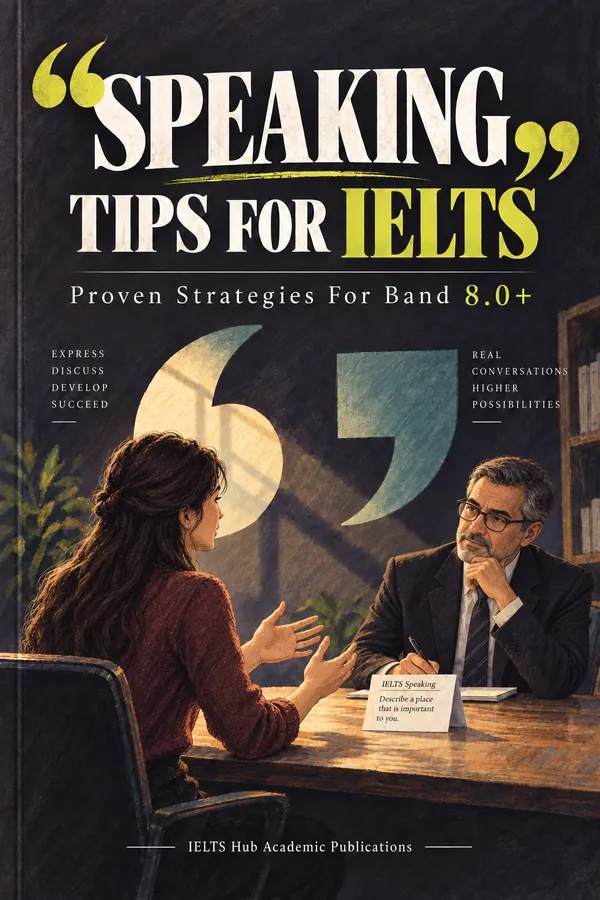
Speaking
Speaking Tips for IELTS
Proven Strategies for Band 8.0+
₹299$9.99CAD 13.99AUD 14.99£7.99NZD 16.99€8.99AED 39SGD 12.99
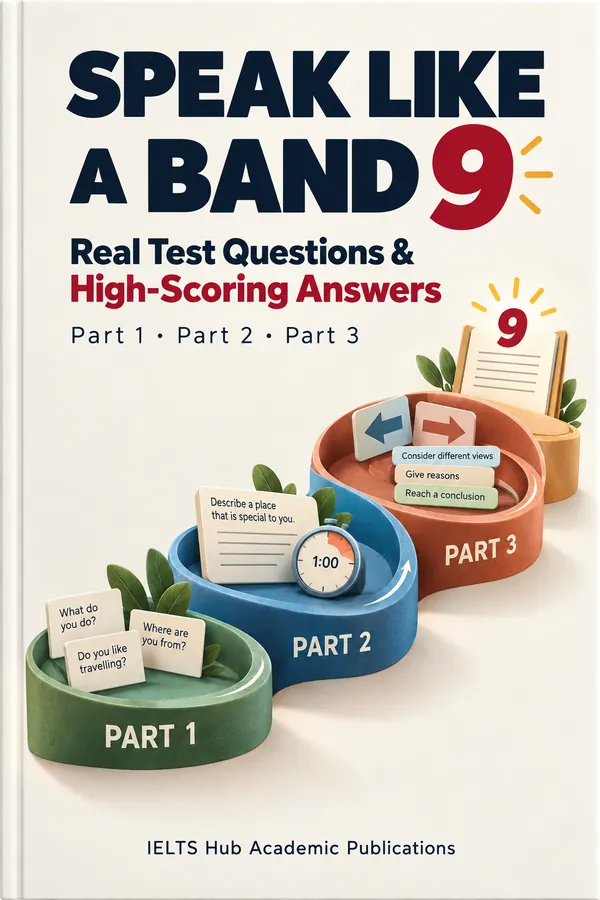
Speaking
Speak Like a Band 9
Real Test Questions & High-Scoring Answers
₹299$9.99CAD 13.99AUD 14.99£7.99NZD 16.99€8.99AED 39SGD 12.99
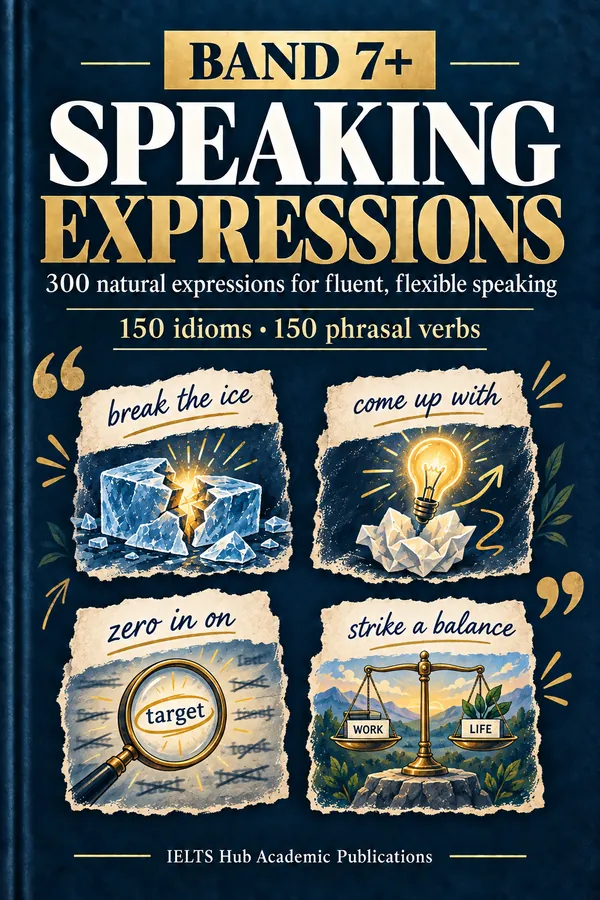
Speaking
Band 7+ Speaking Expressions
300 natural expressions for fluent, flexible speaking
₹199$6.99CAD 8.99AUD 9.99£4.99NZD 10.99€5.99AED 24SGD 8.99