Speaking test #021
Part 1 · Interview
4 to 5 minutes. The examiner asks about you and familiar topics.
Can you tell me your full name?
Where are you from?
Do you work or are you a student?
Do you recycle? Why?
Yes, I recycle. I believe it is our responsibility as citizens to do our part in protecting the environment. Recycling reduces the amount of waste that ends up in landfills and reduces the need for new resources to be extracted, which in turn helps to preserve our natural resources. Additionally, recycling can also help to conserve energy and reduce greenhouse gas emissions.
Did you recycle when you were a kid?
Yes, I did recycle when I was a kid. My parents always taught me the importance of being environmentally conscious and I grew up with the habit of recycling. We had separate bins for different types of materials and I remember being in charge of sorting the recyclables and taking them to the designated recycling center.
Will you recycle in the future?
Absolutely. Recycling is something that I believe in and will continue to practice in the future. It is a simple yet effective way to reduce our impact on the environment and I will always make an effort to recycle as much as possible.
What kind of things do you recycle?
I recycle a variety of materials, such as paper, cardboard, glass, plastic, and metal. I also try to compost organic materials like food scraps and yard waste. Additionally, I also recycle electronic waste such as old phones and computers, which can be harmful to the environment if not disposed of properly. Overall, I make an effort to recycle as many materials as possible in order to reduce waste and protect the environment.
What do you do when you visit them?
When I visit my relatives, we usually catch up on what has been happening in each other's lives, share a meal together and engage in various activities such as playing games or watching a movie. Q
Do you prefer to spend time with your relatives, or your friends?
I value both my relatives and my friends equally. Both play different roles in my life and I appreciate the unique experiences and perspectives that each group brings. Q
Do you take anything when you visit your relatives?
Yes, I always take something when I visit my relatives. It could be a small gift, a homemade dish or even just a bouquet of flowers. It's a way to show them that I am thinking of them and that I care.
You will have to talk about the topic for one to two minutes. You have one minute to think about what you are going to say. You can make some notes to help you if you wish.
Something a child did that made you laugh
You should say:
- What the child did
- Where and when it happened
- Who else was present
- Why it was funny to you
What the child did
One of the most memorable moments that left me in fits of laughter was when my little cousin attempted to mimic a famous dance move from a popular Bollywood song. It happened during a family gathering at my grandmother's house last summer. We were all gathered in the living room, chatting and enjoying each other's company when my cousin suddenly decided to showcase his dance skills.
Where and when it happened
Apart from my cousin and me, the whole family was present to witness this hilarious performance. My parents, aunts, uncles, and even my grandparents were there, making the moment even more special and joyous. The room was filled with laughter and cheers as my cousin enthusiastically tried to imitate the dance steps with exaggerated movements and expressions.
Who else was present
What made the situation even funnier was the fact that my cousin, who was only six years old at the time, had no idea about the complexity of the dance moves he was trying to replicate. His innocent and earnest efforts, combined with his adorable expressions, had everyone in stitches. It was a pure moment of uninhibited joy and innocence that brought a smile to everyone's face and created a lasting memory of laughter and happiness.
Why it was funny to you
In conclusion, witnessing my young cousin's comical attempt at dancing was a delightful experience that not only entertained us all but also highlighted the beauty of innocence and spontaneity in children. It was a reminder of how simple moments of joy and laughter can bring a family together and create cherished memories that we will all treasure for years to come.
- Words
- 260
- Sentences
- 11
- Words per sentence
- 23.6
- Speaking time
- about 2.0 min
Counted at 130 words a minute. The exam gives you one to two minutes.
Part 3 · Discussion
4 to 5 minutes. The examiner asks broader questions linked to the cue card topic.
How does kids' sense of humor differ from adults'?
Children's sense of humor is often more spontaneous and playful compared to that of adults. They tend to find joy in the simplest things, like silly sounds or funny faces, which can be incredibly infectious! While adults often appreciate more complex forms of humor, such as irony or satire, children revel in the innocent and straightforward aspects of laughter. This difference is likely because children are still exploring their understanding of the world, so their humor is often more imaginative and less constrained by social norms. Ultimately, both perspectives on humor are valuable, as they reflect the unique ways in which each age group experiences joy and connection.
How important do you think laughter is for children's growth?
Laughter among children is absolutely crucial for their development in numerous ways. Firstly, it serves as a powerful social bonding tool; when children laugh together, they form connections that foster friendships and a sense of belonging. Moreover, laughter can significantly enhance emotional resilience, helping kids to cope with stress and navigate challenging situations with a lighter heart. It also plays a vital role in cognitive development, as humor often requires children to think critically and understand nuances in communication. Overall, encouraging laughter not only enriches their childhood experience but also equips them with essential skills for their future.
How important is it for kids to have fun and laugh every day?
It's incredibly significant for children to experience moments of joy and laughter in their daily lives. These moments not only foster a sense of well-being, but they also play a crucial role in their emotional and social development. When children engage in playful activities, they learn to build strong relationships with their peers, which is fundamental for their future interactions. Moreover, laughter has been shown to reduce stress and enhance creativity, allowing children to explore their world with a more open and positive mindset. Ultimately, these joyful experiences lay the groundwork for a healthy and fulfilling life, equipping children with the resilience they need to face challenges as they grow.
Why do you think kids often laugh in surprising situations?
Children often find humor in unexpected situations because they are naturally curious and have a unique perspective on the world. Their innate creativity allows them to see connections that adults might overlook, leading to surprising and funny interpretations. For instance, when something unusual happens, like a pet doing a silly dance, kids often burst into laughter because they see the absurdity in it. Additionally, humor serves as a way for children to cope with new experiences, helping them navigate the complexities of their surroundings. Ultimately, it’s their playful imagination and openness to spontaneity that make these moments so delightful and entertaining!
How can kids' laughter affect their friendships with other kids and adults as they get older?
Children's laughter plays a crucial role in shaping their relationships with both peers and adults as they grow older. It serves as a universal language that can break down barriers, fostering a sense of belonging and camaraderie among children. When kids share laughter, it often leads to deeper connections, as it creates shared memories and experiences that strengthen their bonds. Moreover, adults who engage in playful interactions and laughter with children typically find it easier to establish trust and rapport, which is essential for effective communication. Overall, the joyous sound of a child's laughter can be a powerful catalyst for building lasting relationships throughout their lives.
How can parents and teachers help kids develop their sense of humor and express joy?
Parents and educators play a crucial role in nurturing a child's sense of humor and joyful expression. One effective way is to create an environment that fosters creative play; engaging children in activities like storytelling or improvisational games can really spark their imagination. Additionally, sharing light-hearted moments through laughter, such as watching funny movies or reading humorous books together, helps children understand the value of humor. Encouraging them to express themselves freely, without fear of judgment, can also promote a more open and joyful mindset. Ultimately, when children see adults embracing humor, they are more likely to emulate that behavior, leading to a happier, more resilient outlook on life.
Go further with the books
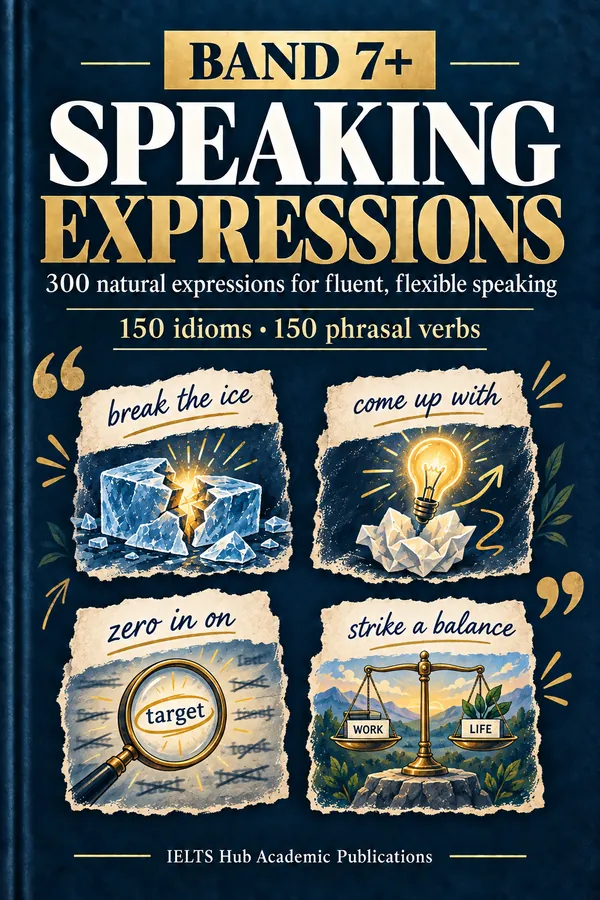
Speaking
Band 7+ Speaking Expressions
300 natural expressions for fluent, flexible speaking
₹199$6.99CAD 8.99AUD 9.99£4.99NZD 10.99€5.99AED 24SGD 8.99
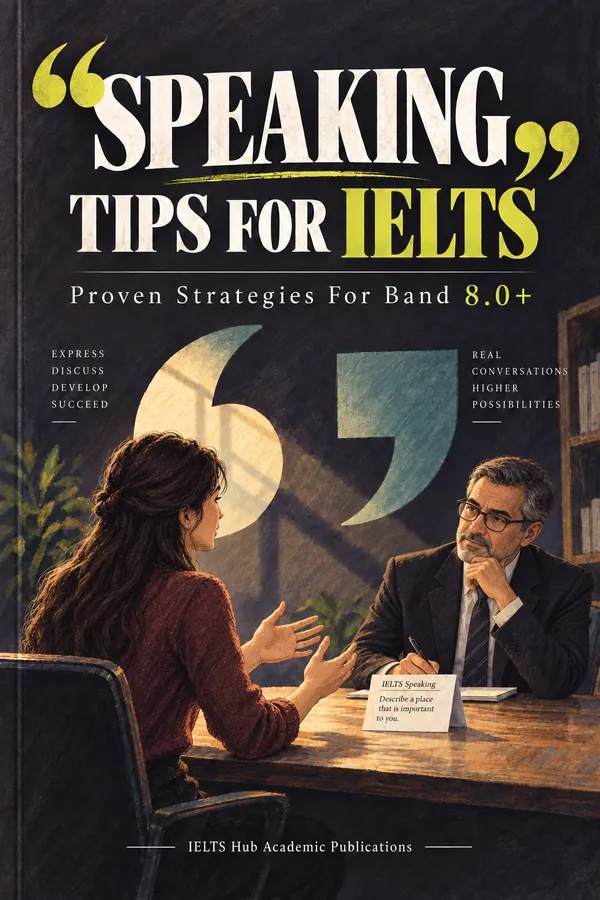
Speaking
Speaking Tips for IELTS
Proven Strategies for Band 8.0+
₹299$9.99CAD 13.99AUD 14.99£7.99NZD 16.99€8.99AED 39SGD 12.99
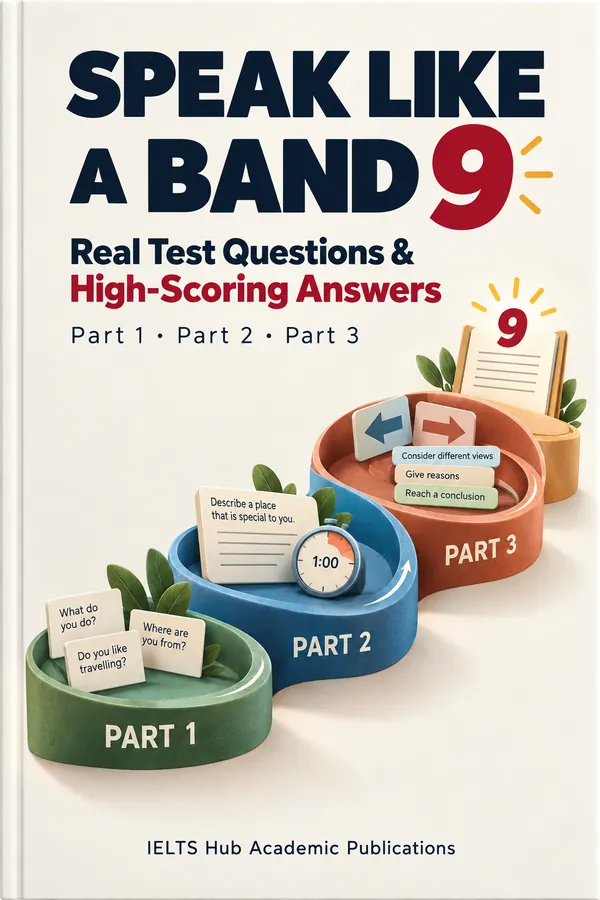
Speaking
Speak Like a Band 9
Real Test Questions & High-Scoring Answers
₹299$9.99CAD 13.99AUD 14.99£7.99NZD 16.99€8.99AED 39SGD 12.99