Speaking test #025
Part 1 · Interview
4 to 5 minutes. The examiner asks about you and familiar topics.
Can you tell me your full name?
Where are you from?
Do you work or are you a student?
Are you still in contact with your friends from high school?
Yes, I am still in contact with a few of my friends from high school. We keep in touch through social media and occasionally meet up for reunions.
What was your high school like?
My high school was a large public school with a diverse student population. The teachers were dedicated and the facilities were modern and well-equipped. The school offered a variety of extracurricular activities and clubs, which allowed me to explore my interests and passions.
What happened on the first day of high school?
On the first day of high school, I remember feeling a mix of emotions. I was excited to start a new chapter in my education, but also a bit nervous to meet new people and navigate a new school environment. My parents walked me to school and helped me find my classes. I met some of my classmates and we bonded over the shared experience of starting high school.
Did your parents choose your secondary school (= high school) for you?
No, my parents did not choose my high school for me. They gave me options of schools to choose from and supported my decision in the end. I researched and visited different schools before making my final choice. I believe that it is important for students to have a say in their education and make decisions that align with their goals and aspirations.
At what age did you start studying science at school?
I started studying science at the age of 11, when I entered secondary school.
Do you find science a difficult or an easy subject?
I find science to be a challenging but highly rewarding subject. It requires a lot of critical thinking and problem-solving skills, but the concepts and principles taught in science are also fascinating and enlightening.
What was the most interesting science topic for you at school?
The most interesting science topic for me at school was definitely physics. I found the laws of motion and the study of energy and matter to be incredibly intriguing and thought-provoking.
How useful is your knowledge of science in your daily life?
My knowledge of science is extremely useful in my daily life. It helps me to understand the world around me and make informed decisions. For example, my understanding of physics and chemistry helps me to appreciate the technology and appliances I use every day, and my knowledge of biology and health sciences enables me to make informed choices about my own well-being.
You will have to talk about the topic for one to two minutes. You have one minute to think about what you are going to say. You can make some notes to help you if you wish.
Describe your favourite animal
You should say:
- What is your favourite animal
- How did you develop an interest in this animal
- What are the characteristics of this animal that you like
- Have you had any personal experiences with this animal
What is your favourite animal
My favorite animal is the majestic and intelligent elephant. I developed a deep fascination for elephants during my childhood when I visited a wildlife sanctuary with my family. Witnessing these gentle giants up close left a lasting impression on me, sparking my interest in their behavior, intelligence, and importance in the ecosystem.
How did you develop an interest in this animal
One of the characteristics of elephants that I admire the most is their remarkable intelligence. They are known for their problem-solving abilities, strong social bonds, and emotional depth. Their memory is also exceptional, as they can remember faces and places for many years, showcasing their cognitive abilities that are truly awe-inspiring.
What are the characteristics of this animal that you like
Moreover, I am drawn to the nurturing and protective nature of elephants, especially towards their young ones. The way they care for their calves and show empathy towards other members of their herd reflects a sense of community and compassion that is truly remarkable in the animal kingdom. Their gentle demeanor despite their massive size is something that I find truly endearing.
Have you had any personal experiences with this animal
I have been fortunate to have a personal experience with elephants during a volunteering trip to a sanctuary where rescued elephants were being rehabilitated. Interacting with these gentle giants, feeding them, and observing their behavior up close was a truly unforgettable experience that solidified my admiration for these magnificent creatures. Overall, elephants hold a special place in my heart due to their intelligence, social nature, and the unforgettable experiences I've had with them.
- Words
- 238
- Sentences
- 12
- Words per sentence
- 19.8
- Speaking time
- about 1.8 min
Counted at 130 words a minute. The exam gives you one to two minutes.
Part 3 · Discussion
4 to 5 minutes. The examiner asks broader questions linked to the cue card topic.
What makes your favorite animal different from other pets?
My favorite animal is the dolphin, and it stands out remarkably compared to more traditional pets like cats or dogs. For starters, dolphins are incredibly intelligent and possess a high degree of social complexity, which is quite different from the more instinctual behaviors we often see in household pets. While dogs are known for their loyalty and companionship, dolphins exhibit a unique form of communication that involves a variety of clicks and whistles, showcasing their advanced cognitive abilities. Additionally, dolphins thrive in a vastly different environment, requiring vast spaces and social interactions in the wild, which contrasts with the more compact living conditions that cats and dogs can adapt to. Their playful nature and affinity for water also make them a symbol of freedom and joy, setting them apart from the more grounded characteristics of typical pets.
What do you think about people who like unusual animals instead of regular pets?
I find it fascinating that some people are drawn to exotic pets instead of the more conventional choices like cats or dogs. It often reflects a desire for a unique experience and a deeper connection with nature. However, I believe it’s crucial to consider the responsibilities that come with owning such animals, as they often require specialized care and environments that not everyone can provide. While the allure of an unusual pet can be captivating, it's essential to ensure that both the owner and the animal can thrive in that relationship. Ultimately, personal preference is valid, but it should always be accompanied by a commitment to the well-being of these magnificent creatures.
How do animals, like your favorite one, help make our lives better?
Animals contribute to human well-being in a myriad of ways, and I must say that my favorite, the dog, plays a particularly significant role. Firstly, dogs provide unconditional love and companionship, which can greatly enhance our mental health, reducing feelings of loneliness and anxiety. Moreover, they encourage physical activity; taking a dog for a walk not only benefits them but also promotes a more active lifestyle for their owners. Additionally, animals can even have therapeutic effects; for instance, therapy dogs are used in various settings to help individuals cope with trauma and stress. Overall, the bond between humans and animals is incredibly enriching, offering emotional support and fostering a sense of community.
Why do you think some people feel a strong bond with certain kinds of animals?
I believe the strong attachments people form with certain types of animals often stem from shared experiences and emotional connections. For instance, someone who grew up with a dog might feel a profound bond with canines throughout their life, as they associate them with warmth and companionship. Additionally, pets can serve as a source of comfort, especially during challenging times, which can deepen that attachment. Moreover, some individuals might resonate with the characteristics of a particular animal, like the loyalty of dogs or the independence of cats, making them feel understood on a different level. Ultimately, these connections can provide a sense of belonging and affection that is hard to replicate elsewhere.
How could how people see your favorite animal change in the future because of environmental or social changes?
That's a fascinating question! As society becomes increasingly aware of environmental issues, I think the perception of animals, including my favorite, the elephant, could shift dramatically. For instance, with the rise of conservation efforts, people might begin to see elephants not just as majestic creatures but also as vital indicators of ecosystem health. This shift could foster a stronger emotional connection, encouraging more individuals to engage in sustainable practices that protect their habitats. Additionally, as urbanization continues, I believe there will be a growing appreciation for the role of wildlife in maintaining biodiversity, potentially leading to a greater sense of responsibility towards their conservation. Overall, I’m optimistic that these changes will enhance the way we view and interact with elephants and many other animals.
What ways can we help protect endangered animals, including your favorite one?
To effectively promote the conservation of endangered species, a multifaceted approach is essential. First, raising public awareness through engaging campaigns can create a sense of urgency and responsibility towards our planet's biodiversity. For instance, using social media to highlight the plight of species like the Amur leopard, which is critically endangered, can galvanize support and action. Moreover, collaboration with local communities is vital; they often have a wealth of traditional knowledge that can aid in conservation efforts. Lastly, implementing stricter laws and regulations to combat poaching and habitat destruction can provide the necessary legal framework to protect these vulnerable animals. Ultimately, it requires a combination of education, community involvement, and robust policy-making to make a real difference.
Go further with the books
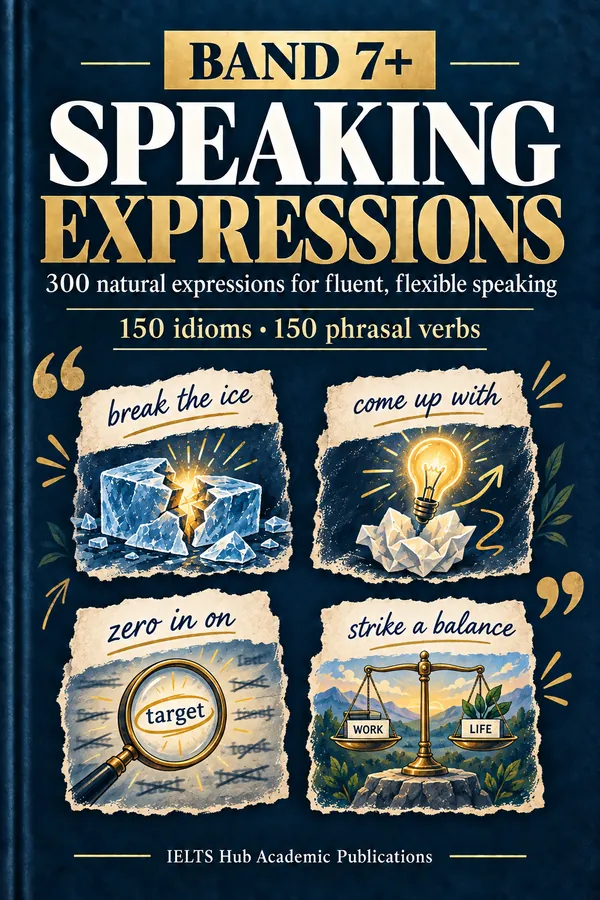
Speaking
Band 7+ Speaking Expressions
300 natural expressions for fluent, flexible speaking
₹199$6.99CAD 8.99AUD 9.99£4.99NZD 10.99€5.99AED 24SGD 8.99
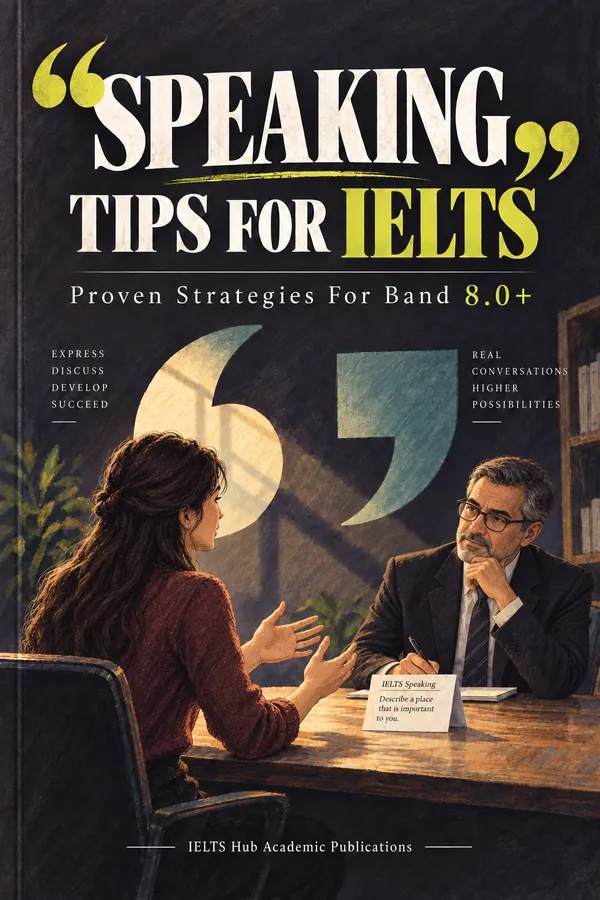
Speaking
Speaking Tips for IELTS
Proven Strategies for Band 8.0+
₹299$9.99CAD 13.99AUD 14.99£7.99NZD 16.99€8.99AED 39SGD 12.99
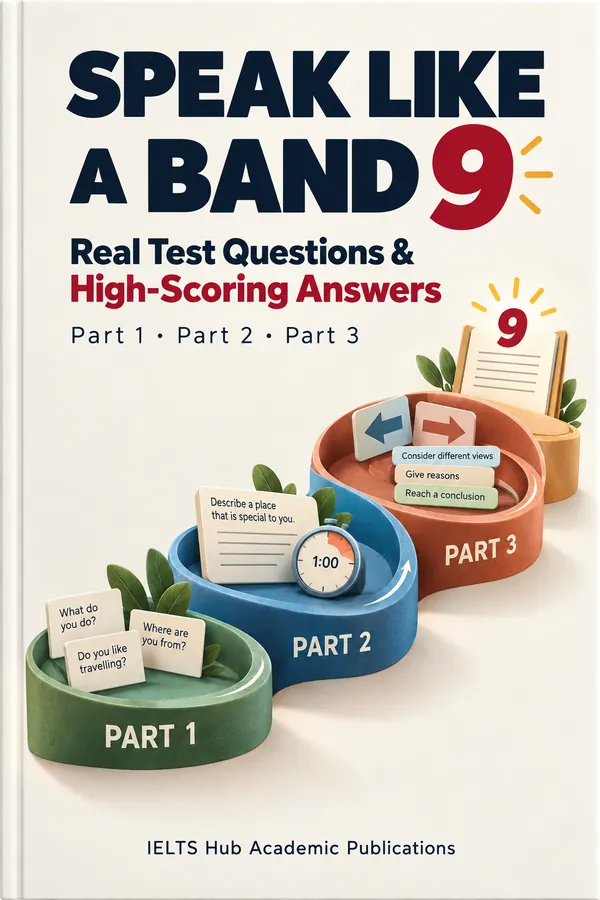
Speaking
Speak Like a Band 9
Real Test Questions & High-Scoring Answers
₹299$9.99CAD 13.99AUD 14.99£7.99NZD 16.99€8.99AED 39SGD 12.99