Speaking test #031
Part 1 · Interview
4 to 5 minutes. The examiner asks about you and familiar topics.
Can you tell me your full name?
Where are you from?
Do you work or are you a student?
What snacks do you like to eat?
I am a big fan of savory snacks like chips, popcorn and crackers. I also enjoy healthy options like fruits and nuts. I am particularly fond of dark chocolate as well.
Did you often eat snacks when you were young?
Yes, I did. As a child, I would often reach for snacks between meals and during playtime. I remember always having a stash of my favorite snacks in my school bag.
When do you usually eat snacks now?
Now, I tend to eat snacks as a quick pick-me-up during my busy workday. I also enjoy having a snack in the evening while watching my favorite TV show.
Do you think it is healthy for you to eat snacks?
It depends on the type of snack that I choose. If I opt for healthy options like fruits and nuts, then I believe it is beneficial for me. However, if I consume too many processed snacks, it can have a negative impact on my health. I try to strike a balance and make mindful choices when it comes to snacking.
What kind of social networking websites do you like to use?
I am an avid user of social networking websites and I particularly enjoy using platforms like Facebook, Instagram, and LinkedIn. I find that these websites offer a great balance between connecting with friends and family, as well as professional networking opportunities.
Are you a social person?
Yes, I would consider myself to be a very social person. I enjoy meeting new people and engaging in meaningful conversations. I find that socializing helps me to expand my perspective and learn new things.
What kinds of people do you like to be friends with on those websites?
I enjoy connecting with a diverse group of people on social networking websites. I like to be friends with people who have similar interests as well as those who have different backgrounds and perspectives. I find that this helps me to broaden my horizons and learn new things.
Is it easy to find real friends on a social networking website?
I believe that it can be easy to find real friends on social networking websites, but it also requires a certain level of effort. While it is easy to connect with people online, building meaningful relationships takes time and requires regular communication and engagement. However, I think that the effort is worth it, as the connections that I have made on social networking websites have been some of the most meaningful in my life.
You will have to talk about the topic for one to two minutes. You have one minute to think about what you are going to say. You can make some notes to help you if you wish.
Describe a present that you broke accidentally
You should say:
- What was the present
- How did you break it
- How did you feel after breaking it
- What did you do after breaking it
What was the present
I vividly remember a special present I received from my grandmother on my 18th birthday. It was a delicate hand-painted porcelain vase, adorned with intricate floral designs. The vase held sentimental value as it was a family heirloom passed down through generations.
How did you break it
Unfortunately, one afternoon while rearranging my room, I accidentally knocked the vase off the shelf, and it shattered into pieces on the floor. The sound of the breaking vase echoed through the room, leaving me in shock and disbelief. The sight of the shattered vase was heart-wrenching as it represented a piece of my family history that I had inadvertently destroyed.
How did you feel after breaking it
In the immediate aftermath of breaking the vase, I felt a mix of emotions ranging from guilt to sadness. I couldn't believe that I had been so careless with something so precious. I felt immense regret for not handling the vase more carefully, knowing the sentimental value it held for my family. It was a moment of deep remorse and self-blame for my carelessness.
What did you do after breaking it
To make amends for my mistake, I gathered the broken pieces of the vase and sought out a professional restoration service. I was determined to repair the vase to its former glory as a gesture of respect for my family's traditions. Although the vase could never be restored completely, the process of repairing it helped me learn the importance of mindfulness and attentiveness in handling delicate objects.
- Words
- 234
- Sentences
- 13
- Words per sentence
- 18.0
- Speaking time
- about 1.8 min
Counted at 130 words a minute. The exam gives you one to two minutes.
Part 3 · Discussion
4 to 5 minutes. The examiner asks broader questions linked to the cue card topic.
How do the feelings of getting a gift compare to the feelings of losing or breaking one?
Receiving a gift can evoke a profound sense of joy and appreciation, often accompanied by feelings of love and connection to the giver. It’s fascinating how a simple object can carry such emotional weight, signifying thoughtfulness and care. On the other hand, the feelings that arise from losing or breaking something can be quite the opposite—often leading to disappointment and a sense of loss. This is especially true if the item held sentimental value, as it can feel like losing a piece of one’s memories or experiences. Ultimately, it’s the contrasting emotions of gratitude and nostalgia versus disappointment and regret that highlight the different ways we connect with objects in our lives.
Why do some people think breaking a gift is a small mistake, while others see it as a big deal? What could cause these different views?
That's a fascinating question! The way people perceive the breaking of a gift often hinges on several factors, including their emotional attachment to the item and the context in which it was given. For instance, if a gift was a sentimental keepsake from a loved one, its loss might evoke a deep sense of grief, making it feel far more than just a minor accident. Conversely, for someone who views gifts as more of a material possession, the breaking of an item might simply be seen as an unfortunate mishap. Additionally, cultural background plays a role; in some cultures, gifts are imbued with significant meaning, while in others, they are viewed more casually. Ultimately, it's this blend of personal values and experiences that shapes how individuals respond to such incidents.
How do things we own, like gifts, affect our relationships with other people?
Material possessions, such as gifts, can play a significant role in our relationships, as they often serve as tangible expressions of affection and appreciation. When we give or receive gifts, it can strengthen our emotional bonds and create shared memories, which are essential for deepening connections. Moreover, the thoughtfulness behind a gift can convey messages that words sometimes fail to express, helping us communicate our feelings in a meaningful way. However, it’s essential to remember that while gifts can enhance relationships, they should not be seen as a substitute for genuine connection and meaningful interactions. Ultimately, it's the sentiment behind the gift that truly matters, making relationships feel more special and cherished.
Why do you think people often attach strong feelings to gifts, even if they aren't very costly or valuable?
People often attach significant emotional value to gifts because they represent thoughtfulness and intention. When someone takes the time to choose or create a gift, it conveys a sense of personal connection and care that transcends material worth. Additionally, gifts often become symbols of shared memories or milestones, which can evoke powerful feelings and nostalgia. Even an inexpensive gift can carry immense sentimental value if it resonates with a particular moment or relationship. Ultimately, it’s the emotions and stories behind a gift that make it truly priceless to the recipient.
How might people's views on gifts change in the future as society develops?
As society continues to evolve, I believe that our attitudes towards gifts will undergo some fascinating transformations. For starters, the growing emphasis on sustainability is likely to lead people to prefer eco-friendly gifts that have a lower environmental impact. This shift might mean that experiences, such as travel or events, could become more valued than physical possessions, as people seek to create lasting memories rather than accumulate items. Additionally, with the rise of technology, we might see an increase in personalized gifts powered by AI and data analytics, making it easier to choose something that truly resonates with the recipient. Social media will probably play a pivotal role in shaping gift-giving trends, as people showcase their choices and inspire others. Overall, I think our approach to gifting will become more thoughtful and intentional, reflecting our evolving values and priorities.
How can people handle their feelings when they accidentally break something important, like a gift?
When someone accidentally damages something valuable, it can be really distressing, so managing those emotions is crucial. Firstly, it's important to practice self-compassion; instead of being overly critical, individuals should remind themselves that accidents happen to everyone. Taking a moment to breathe and reflect can help alleviate immediate feelings of guilt or frustration. Additionally, expressing feelings through conversation with a trusted friend can provide a sense of relief and perspective. Finally, focusing on the positive aspects of the situation—like what can be learned from the experience or how to prevent similar incidents in the future—can turn a negative experience into an opportunity for growth.
Go further with the books
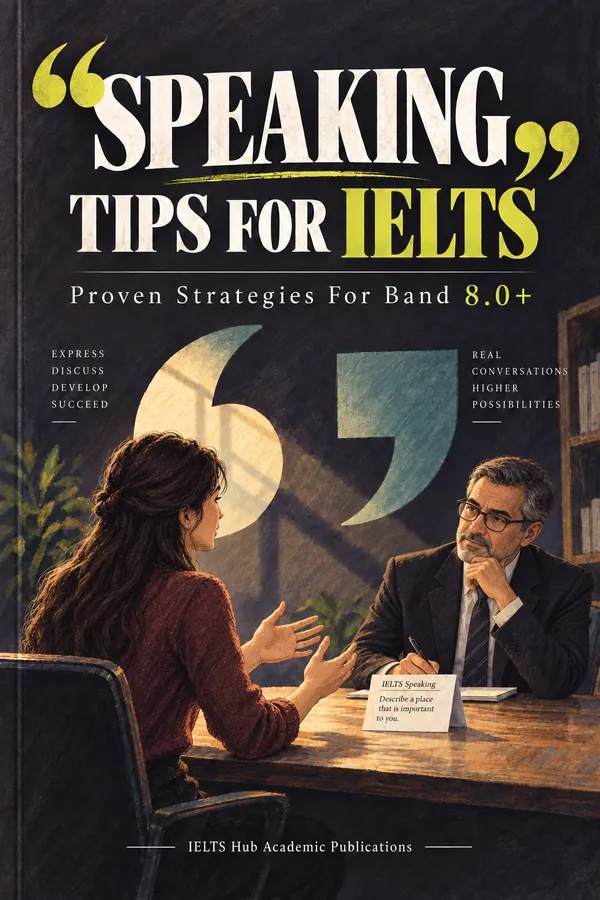
Speaking
Speaking Tips for IELTS
Proven Strategies for Band 8.0+
₹299$9.99CAD 13.99AUD 14.99£7.99NZD 16.99€8.99AED 39SGD 12.99
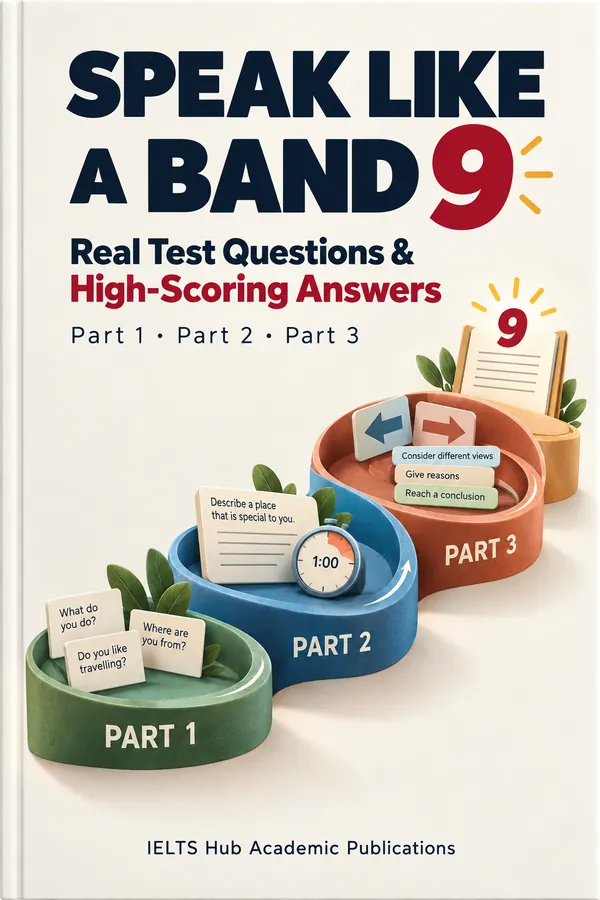
Speaking
Speak Like a Band 9
Real Test Questions & High-Scoring Answers
₹299$9.99CAD 13.99AUD 14.99£7.99NZD 16.99€8.99AED 39SGD 12.99
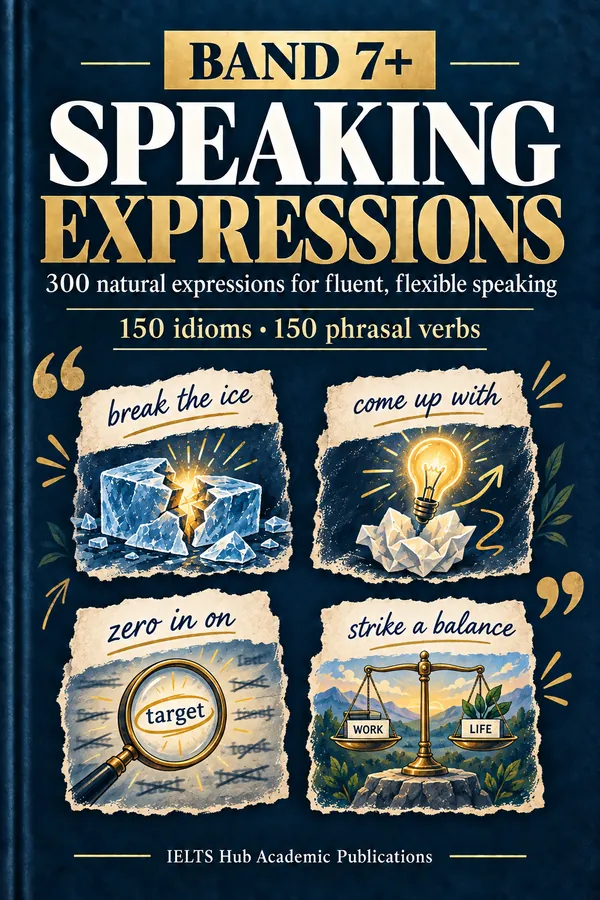
Speaking
Band 7+ Speaking Expressions
300 natural expressions for fluent, flexible speaking
₹199$6.99CAD 8.99AUD 9.99£4.99NZD 10.99€5.99AED 24SGD 8.99