Speaking test #039
Part 1 · Interview
4 to 5 minutes. The examiner asks about you and familiar topics.
Can you tell me your full name?
Where are you from?
Do you work or are you a student?
Do you prefer a long break or several short breaks?
Personally, I tend to prefer several short breaks throughout the day. I find that this allows me to recharge and refocus more effectively, rather than feeling sluggish after a long break. Additionally, I find that taking several short breaks allows me to be more productive overall.
What do you usually do during a break?
During my breaks, I like to engage in a variety of activities. Sometimes, I'll take a short walk outside to get some fresh air and clear my mind. Other times, I'll read a book or listen to music as a way to relax and unwind. I also enjoy chatting with colleagues or friends during breaks, as it allows me to socialize and connect with others.
How often do you take a break?
I try to take a break every couple of hours, depending on the task or project that I am working on. I find that this helps me to maintain a good balance between productivity and rest, and allows me to remain focused and energized throughout the day.
Why do some people not take breaks?
There can be a variety of reasons why some people choose not to take breaks. Some may feel that taking breaks would disrupt their workflow or productivity, while others may feel pressure from their employer or colleagues to work continuously. Additionally, some people may simply not be aware of the benefits of taking breaks, or may not know how to effectively manage their time to include breaks in their schedule.
You will have to talk about the topic for one to two minutes. You have one minute to think about what you are going to say. You can make some notes to help you if you wish.
Describe a magazine that you often read
You should say:
- What is the name of the magazine and what it covers
- How often do you read it and in what format
- Why do you like this magazine
- Do you share the magazine with others or keep it to yourself
What is the name of the magazine and what it covers
I'd like to talk about a magazine that has captivated my interest for several years now. The magazine is called "National Geographic," and it is renowned for its in-depth coverage of nature, science, culture, and history. As a reader, I am constantly fascinated by the stunning photography and informative articles that explore various corners of the world.
How often do you read it and in what format
I make it a point to read National Geographic every month, usually in the physical format. There is something special about flipping through the glossy pages and immersing myself in the visual narratives and compelling stories. I find that reading the magazine in a tangible form enhances the overall experience and allows me to appreciate the content more deeply.
Why do you like this magazine
The reason I am drawn to this magazine is because of its commitment to raising awareness about environmental issues and showcasing diverse cultures. National Geographic not only educates me about the world around me but also inspires me to be more environmentally conscious and culturally sensitive. It serves as a window to the world, broadening my perspectives and igniting my curiosity.
Do you share the magazine with others or keep it to yourself
I often share the magazine with my family and friends after I finish reading it. I believe that the thought-provoking content and striking visuals deserve to be appreciated and discussed. Sharing the magazine allows me to engage in meaningful conversations and exchange ideas with others who share a similar passion for learning and exploration. Overall, National Geographic has become an indispensable source of knowledge and inspiration in my life.
- Words
- 246
- Sentences
- 13
- Words per sentence
- 18.9
- Speaking time
- about 1.9 min
Counted at 130 words a minute. The exam gives you one to two minutes.
Part 3 · Discussion
4 to 5 minutes. The examiner asks broader questions linked to the cue card topic.
What is the difference between reading magazines and getting news online?
That's a great question! Reading magazines and consuming news through digital platforms offer distinct experiences. For starters, magazines often provide in-depth analysis and curated content that allows readers to immerse themselves in specific topics or trends, whereas digital news tends to be more immediate and fast-paced, focusing on breaking events. Additionally, magazines usually feature high-quality visuals and a tactile experience that many readers find appealing—there's something special about flipping through the glossy pages. On the other hand, digital platforms allow for real-time updates and interactivity, which can enhance our understanding of current events. Ultimately, both mediums have their merits, and I think it really depends on what a person is looking for in their reading experience!
How important do you think magazines are in today's digital world?
I believe that magazines still hold a significant place in the media landscape, even in our fast-paced digital age. While it's true that online content is incredibly accessible and can be updated in real-time, magazines offer something unique—an experience that combines in-depth analysis with stunning visuals. Many readers appreciate the tactile nature of flipping through physical pages, which can enhance their engagement with the content. Furthermore, niche magazines that cater to specific interests can create a strong sense of community among their readers, something that online platforms often struggle to replicate. So, while digital media is undeniably dominant, I think magazines still possess a charm and depth that make them relevant today.
How do magazines influence people's views and culture?
Magazines play a significant role in shaping public opinion and culture by serving as both a source of information and a platform for diverse viewpoints. They often reflect societal trends and values, which can influence readers’ perceptions and attitudes. For example, lifestyle magazines can impact fashion choices and consumer behavior, while political magazines might sway public opinion on crucial issues. Additionally, they often provide a space for marginalized voices, helping to broaden the discourse around various cultural topics. Ultimately, magazines not only inform but also inspire and challenge their readers, contributing to the ongoing evolution of culture.
Why do you think people prefer reading magazines over books or online articles?
I think there are several reasons why people gravitate towards magazines over books or online articles. Firstly, magazines often deliver content that is visually appealing and easy to digest, which makes them perfect for quick reading sessions. The combination of engaging images and concise articles allows readers to absorb information rapidly, making it a great choice for those with busy lifestyles. Additionally, the tactile experience of flipping through pages can be quite satisfying and offers a break from the screen, which many people find refreshing in today's digital age. Lastly, magazines often focus on specific interests or hobbies, creating a strong sense of community among readers who share similar passions.
How could technology changes affect the future of magazine publishing?
The future of magazine publishing is likely to be transformed significantly by advancements in technology. With the rise of digital platforms, we might see a shift towards more interactive content, allowing readers to engage with articles in ways that print simply can't offer. For instance, magazines could incorporate augmented reality features, enabling readers to scan images and access additional multimedia information right from their devices. Furthermore, the use of data analytics could allow publishers to tailor their content to specific audiences, creating a more personalized reading experience. Overall, I believe these innovations will not only enhance reader engagement but also challenge traditional publishing models, leading to exciting new formats and styles.
What steps can be taken to keep print magazines interesting to readers?
To ensure that print magazines remain appealing to readers, one effective measure could be enhancing the overall visual aesthetics of the publication. This includes using high-quality images and innovative layouts that draw the reader’s eye. Additionally, offering exclusive content that can’t be found online could also attract a loyal readership, perhaps through in-depth interviews or investigative pieces that delve into topics with a unique perspective. Another great approach is incorporating interactive elements, like augmented reality features, which can make the reading experience feel more immersive and engaging. Ultimately, it’s about creating a distinctive reading experience that digital platforms can’t replicate.
Go further with the books
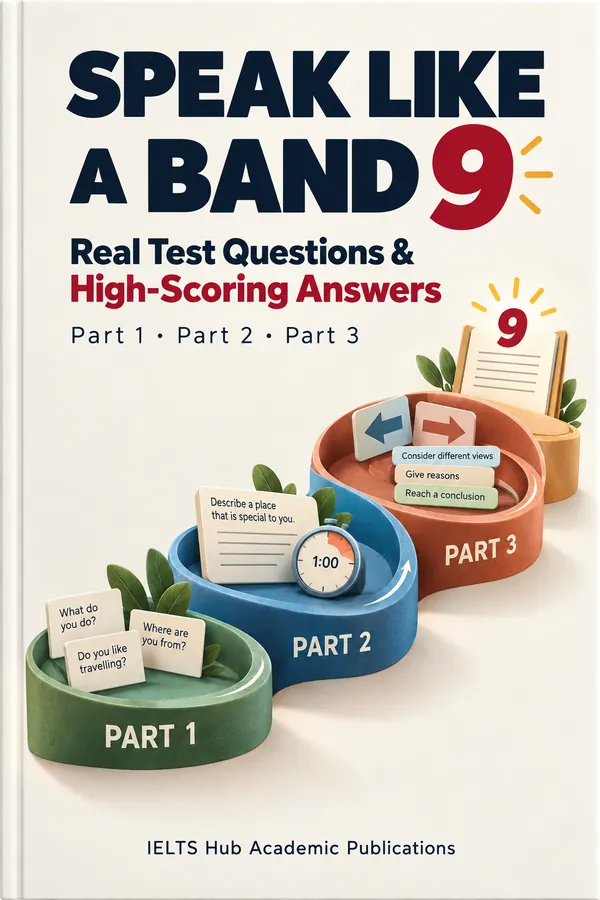
Speaking
Speak Like a Band 9
Real Test Questions & High-Scoring Answers
₹299$9.99CAD 13.99AUD 14.99£7.99NZD 16.99€8.99AED 39SGD 12.99
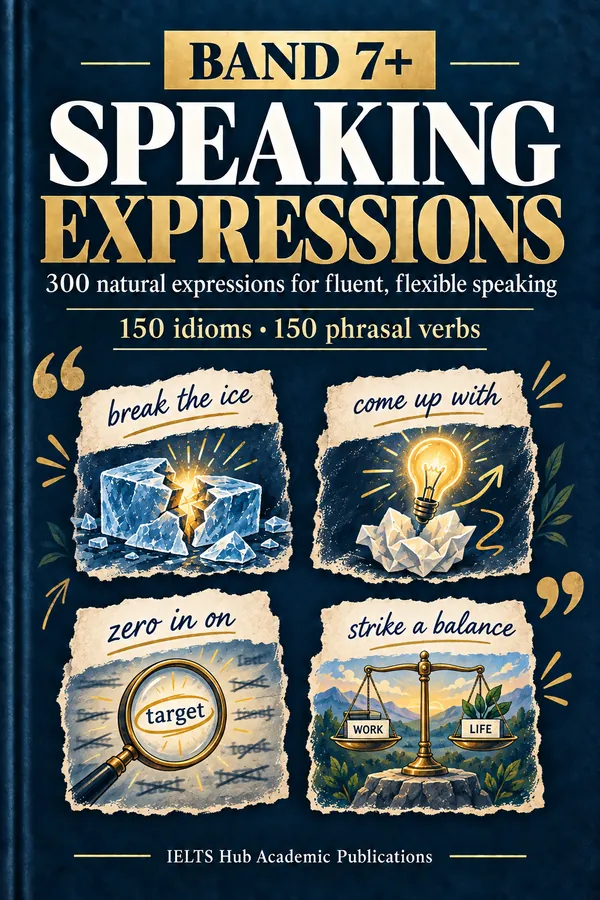
Speaking
Band 7+ Speaking Expressions
300 natural expressions for fluent, flexible speaking
₹199$6.99CAD 8.99AUD 9.99£4.99NZD 10.99€5.99AED 24SGD 8.99
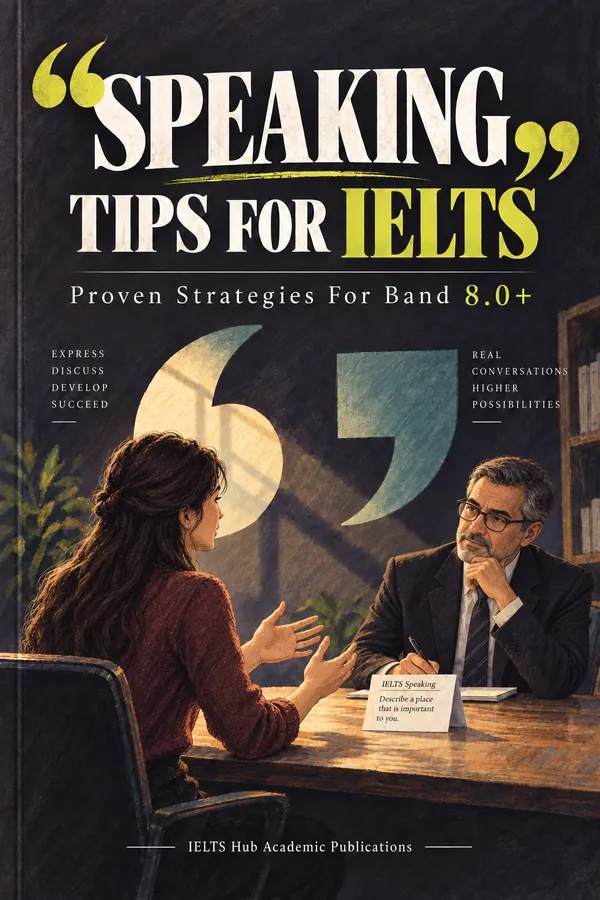
Speaking
Speaking Tips for IELTS
Proven Strategies for Band 8.0+
₹299$9.99CAD 13.99AUD 14.99£7.99NZD 16.99€8.99AED 39SGD 12.99