Speaking test #044
Part 1 · Interview
4 to 5 minutes. The examiner asks about you and familiar topics.
Can you tell me your full name?
Where are you from?
Do you work or are you a student?
What kind of TV programs do you like?
I am quite the eclectic viewer when it comes to TV programs. I enjoy a wide range of genres, from crime dramas and action-packed thrillers to comedic sitcoms and thought-provoking documentaries. I also have a fondness for historical dramas and foreign productions, as they often offer a unique perspective and cultural insight.
Do you often watch programs on TV or on your smartphone?
I tend to watch TV programs on both my TV and smartphone, depending on the situation. If I'm at home and have some free time, I'll usually watch on my TV, as the larger screen and surround sound enhance the viewing experience. However, if I'm on the go or have a shorter amount of time, I'll watch on my smartphone. It's a convenient way to catch up on my favorite shows while I'm commuting or waiting for an appointment.
Do you like watching the same kind of TV programs all the time?
Not at all. I thrive on variety, so I like to watch different types of programs and explore new genres. I find that constantly switching things up keeps my interest piqued and prevents me from getting bored. I also enjoy the surprise and excitement of discovering new programs that I might not have otherwise considered.
Do you talk with your friends about the TV programs that you watch?
Absolutely. I find that discussing TV programs with my friends is a great way to bond and share my interests. It's also a great way to discover new programs, as my friends often recommend shows that they think I'll enjoy. Additionally, discussing the themes, characters, and plotlines of a show can lead to some interesting and thought-provoking conversations.
Do you like texting?
I am quite fond of texting as it allows me to communicate with people in a quick and convenient manner. I find it particularly useful for short and informal conversations, as well as for arranging plans and appointments.
Have you ever received a confusing text message?
Yes, I have received a few confusing text messages in the past. Sometimes, I find that the message is not clear or that the context is missing, which can make it difficult to understand the intended meaning.
In what circumstances are making a phone call better than sending a text message?
I believe that making a phone call is better than sending a text message in certain situations, such as when discussing important or sensitive matters, when there is a need for immediate clarification, or when the conversation requires a more personal touch. Additionally, phone calls can be more effective in situations where tone and emphasis are important, such as when expressing emotions or giving instructions.
Have you ever had difficulty replying to a message?
Yes, I have had difficulty replying to a message in the past, particularly when the message is vague or unclear. In such cases, I often find myself rereading the message multiple times and trying to interpret the meaning. However, I try to clarify any confusion by asking follow-up questions or requesting more information.
You will have to talk about the topic for one to two minutes. You have one minute to think about what you are going to say. You can make some notes to help you if you wish.
Describe a small and successful company you know
You should say:
- What is the name of the company and what does it do?
- How did you come to know about this company?
- What makes this company successful in your opinion?
- Would you like to work for this company in the future? Why or why not?
I would like to talk about a small yet successful company called "Chai & Co." that I came across recently. This company specializes in offering a unique range of organic and flavored teas. I first learned about Chai & Co. through a friend who highly recommended their products. Intrigued by the positive feedback, I decided to visit their website and explore their offerings.
In my opinion, what sets Chai & Co. apart and contributes to its success is their focus on quality, innovation, and customer experience. The company sources the finest tea leaves from sustainable sources, ensuring that their products are of the highest quality. Additionally, they constantly innovate by introducing new and exciting flavors that cater to diverse preferences. Moreover, Chai & Co. places a strong emphasis on customer satisfaction by providing excellent service and creating a personalized shopping experience.
While I admire the values and success of Chai & Co., I am not particularly inclined to work for this company in the future. As much as I appreciate their products and ethos, my career aspirations lie in a different industry. However, I would certainly consider supporting Chai & Co. as a loyal customer and advocate, given their commitment to quality and customer-centric approach. Overall, Chai & Co. serves as a shining example of how a small company can thrive through a combination of quality products, innovation, and exceptional customer service.
- Words
- 225
- Sentences
- 17
- Words per sentence
- 13.2
- Speaking time
- about 1.7 min
Counted at 130 words a minute. The exam gives you one to two minutes.
Part 3 · Discussion
4 to 5 minutes. The examiner asks broader questions linked to the cue card topic.
How is the success of small businesses different from big companies when it comes to innovation?
The success of small companies often hinges on their ability to be more agile and adapt quickly to market changes, which fosters a culture of innovation. Unlike larger corporations, which can be bogged down by bureaucracy and rigid structures, small businesses can experiment with new ideas without extensive approval processes. This flexibility allows them to take risks that might seem daunting to bigger firms, often leading to groundbreaking products or services. Additionally, small companies typically have closer relationships with their customers, enabling them to identify needs and trends more swiftly, which further fuels their innovative capabilities. In contrast, while larger corporations may have more resources to invest in research and development, their size can sometimes stifle creativity and slow down implementation, making the innovation process less dynamic.
How can we see the impact of small businesses on the local economy as important?
Small businesses play a pivotal role in the local economy, and there are several ways to appreciate their contributions. Firstly, they create a multitude of job opportunities, which not only helps to reduce unemployment but also fosters a sense of community as people work and interact locally. Additionally, small businesses often source their materials and services from other local suppliers, thus promoting a vibrant local supply chain. This interconnectedness can lead to a more robust economic environment where money circulates within the community, benefiting everyone involved. Furthermore, these businesses add to the diversity of the marketplace, offering unique products and services that cater to local tastes and preferences, ultimately enhancing the community’s character and appeal.
How important do you think customer service is for a small company's success?
Customer service is absolutely pivotal to the success of a small company. In a competitive market, exceptional customer service can set a business apart from its rivals, creating loyal customers who will return time and again. When a small company prioritizes customer service, it not only fosters positive word-of-mouth but also builds a strong reputation, which is crucial for attracting new clients. Furthermore, attentive customer service helps businesses understand their clients' needs better, allowing them to adapt and innovate effectively. Ultimately, I believe that when customers feel valued and heard, they are more likely to support the business in the long run, which can lead to sustainable growth.
Why do you think some small businesses succeed even with strong competition?
I believe small companies often manage to thrive in the face of intense competition due to their remarkable adaptability and innovation. Unlike larger corporations, they can pivot quickly, responding to market trends or customer feedback with agility. Additionally, many small businesses focus on building strong relationships with their customers, offering personalized service that can create a loyal customer base. This kind of customer-centric approach not only fosters loyalty but also generates valuable word-of-mouth referrals. Ultimately, their ability to carve out a niche and provide unique products or services often sets them apart from the competition.
How could the situation for small businesses be different in the next ten years?
The landscape for small businesses is likely to undergo a significant transformation over the next decade, largely driven by advancements in technology and changing consumer behaviors. With the rise of e-commerce, small businesses will have unprecedented access to global markets, allowing them to compete on a much larger scale than before. Additionally, the increasing emphasis on sustainability will push more small enterprises to adopt eco-friendly practices, which can actually become a unique selling point. Moreover, the burgeoning popularity of remote work may enable small businesses to tap into a broader talent pool, as geographical constraints become less relevant. As these trends continue to evolve, I believe we’ll see a surge in innovation and creativity among small businesses, making them even more vital to the economy. Overall, it’s an exciting time for small enterprises, as they adapt and thrive in this dynamic environment!
"What steps can small businesses take to stand out in a busy market?"?
Small companies can adopt a variety of strategies to enhance their visibility in a crowded market. First and foremost, leveraging social media platforms can be incredibly effective; they allow businesses to reach a wider audience and engage directly with customers. Additionally, developing a strong brand identity is crucial; a memorable logo and cohesive messaging can help a company stand out from the competition. Another powerful tactic is to collaborate with influencers or local businesses, as this can boost brand awareness and create a sense of community around the brand. Lastly, offering exceptional customer service can turn clients into loyal advocates, ultimately helping to drive word-of-mouth referrals. It's all about being creative and authentic in how they connect with their target audience!
Go further with the books
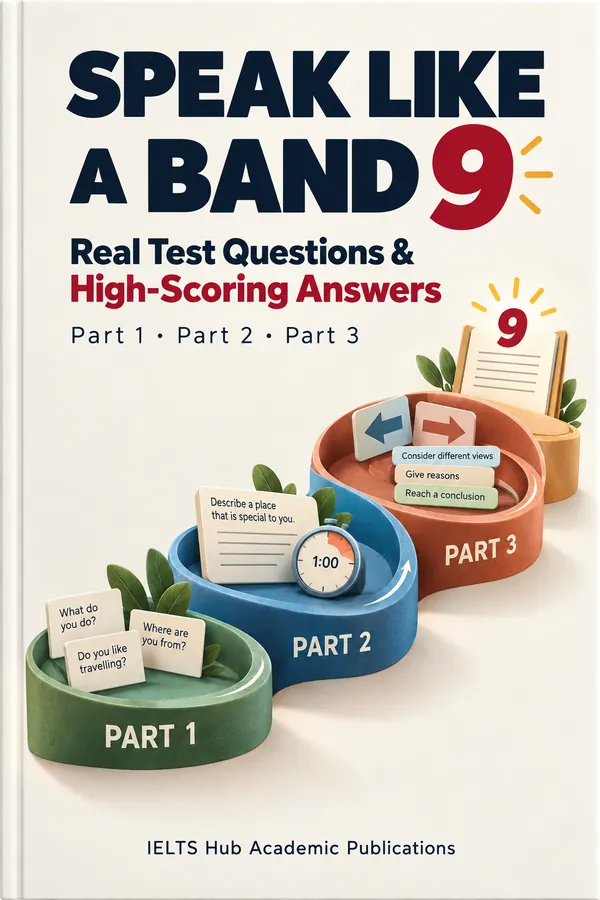
Speaking
Speak Like a Band 9
Real Test Questions & High-Scoring Answers
₹299$9.99CAD 13.99AUD 14.99£7.99NZD 16.99€8.99AED 39SGD 12.99

Speaking
Band 7+ Speaking Expressions
300 natural expressions for fluent, flexible speaking
₹199$6.99CAD 8.99AUD 9.99£4.99NZD 10.99€5.99AED 24SGD 8.99

Speaking
Speaking Tips for IELTS
Proven Strategies for Band 8.0+
₹299$9.99CAD 13.99AUD 14.99£7.99NZD 16.99€8.99AED 39SGD 12.99