Speaking test #045
Part 1 · Interview
4 to 5 minutes. The examiner asks about you and familiar topics.
Can you tell me your full name?
Where are you from?
Do you work or are you a student?
Are you a tidy person?
I would consider myself to be quite tidy, yes. I place a high value on organization and cleanliness, and find that maintaining a tidy environment helps me to feel more focused and productive.
How do you keep things tidy?
I try to adopt a few key strategies to keep things tidy. One of the most important is to have a designated place for everything, so that I know where things belong and can quickly put them away when I'm finished using them. I also try to make a habit of doing a quick tidy-up at the end of each day, so that I start the next day with a clean slate. Additionally, I try to be mindful of creating clutter in the first place, by being selective about what I bring into my home or workspace, and being conscious of the amount of stuff I accumulate.
Do you think people should be tidy all the time?
I think that it's important for people to strive to maintain a certain level of tidiness, as it can have a positive impact on one's mental and physical well-being. However, I don't believe that anyone should feel pressured to be perfectly tidy all the time. Life can be messy and chaotic at times, and it's important to be able to let go and be okay with a little messiness from time to time.
Are you tidier at work or at home?
I would say that I am equally tidy at both work and home. I try to maintain a similar level of organization and cleanliness in both environments, as I find that it helps me to feel more productive and focused regardless of where I am.
Do you often borrow books?
Well, I'm a bit of a bookworm, so I borrow books pretty frequently. Whether it's from the library or from a friend, I'm always on the lookout for something new to read.
Is there anything that cannot be lent?
Hmm, that's an interesting question. I suppose there are some things that can't really be lent, like one-of-a-kind items or sentimental possessions. But in general, I think most things can be borrowed if the person is willing to part with it for a while.
Have you borrowed money from a friend?
Yes, I have borrowed money from friends before. It's not something I do all the time, but sometimes you just need a little extra help to get through a tough situation. It's always nice to have friends who are willing to lend a hand.
What would you do if someone did not return what they borrowed from you?
Well, it would depend on the item and the circumstances. If it was something small and not particularly valuable, I might just let it slide. But if it was something important or sentimental, I would probably have a conversation with the person and try to work out a solution. Ultimately, I think it's important to be understanding and try to find a way to resolve the issue without damaging the relationship.
You will have to talk about the topic for one to two minutes. You have one minute to think about what you are going to say. You can make some notes to help you if you wish.
Describe a time when you got lost
You should say:
- Where and when you got lost
- How you tried to find your way
- Who or what helped you in finding your way
- How you felt after being lost and then found
Where and when you got lost
Getting lost can be a nerve-wracking experience, and I vividly remember a time when I found myself in that situation during a trip to Jaipur, India. It was a hot summer afternoon when I decided to explore the vibrant streets of the old city. As I wandered through the narrow alleys lined with colorful shops and bustling crowds, I soon realized that I had lost my way.
How you tried to find your way
Initially, I tried retracing my steps to find familiar landmarks, but the maze-like layout of the streets made it challenging. Feeling a sense of panic creeping in, I approached a local vendor for directions. Despite the language barrier, the vendor kindly gestured towards a nearby temple and pointed me in the right direction.
Who or what helped you in finding your way
With the help of the vendor's guidance, I eventually managed to navigate my way back to the main street. The feeling of relief and gratitude washed over me as I finally recognized my surroundings. I couldn't help but feel a sense of appreciation for the kindness of strangers and a newfound sense of resilience in navigating unfamiliar environments.
How you felt after being lost and then found
Being lost and then found was a humbling experience that taught me the importance of staying calm and seeking help when needed. It also allowed me to appreciate the beauty of serendipitous encounters and the kindness that exists in the world, even in moments of vulnerability. This experience has since become a cherished memory that reminds me of the value of adaptability and human connection in unfamiliar situations.
- Words
- 246
- Sentences
- 12
- Words per sentence
- 20.5
- Speaking time
- about 1.9 min
Counted at 130 words a minute. The exam gives you one to two minutes.
Part 3 · Discussion
4 to 5 minutes. The examiner asks broader questions linked to the cue card topic.
How do being lost in a known area differ from being lost in a new place?
Getting lost in a familiar place can be quite a perplexing experience, as it often throws us off balance. For example, you might be in your hometown, and suddenly, you take a wrong turn and find yourself in an area you thought you knew well. This can evoke feelings of confusion and even embarrassment, especially if someone sees you looking puzzled. On the other hand, getting lost in an unfamiliar environment tends to be more daunting and stressful. In a new city, the lack of familiarity can trigger anxiety, as you might not know how to ask for directions or even what resources are available to help you find your way. In both scenarios, however, there's an opportunity for personal growth and unexpected adventures, which can ultimately turn the situation into a positive experience.
Some people believe that being lost can result in good experiences. What do you think about this idea?
Absolutely, I resonate with the idea that getting lost can indeed lead to serendipitous moments and positive experiences. When you're in an unfamiliar place, you’re often forced to step out of your comfort zone, which can spark a sense of adventure. It can also lead to unexpected discoveries, whether it's stumbling upon a quaint café or meeting interesting locals who share their stories. These experiences can broaden our perspectives and make us more adaptable in the long run. So, while it might feel daunting at first, getting lost can ultimately be a gateway to enriching experiences and personal growth.
How important do you think it is for people to have good navigation skills in today's world?
In today's fast-paced world, developing good navigation skills is absolutely crucial. With the proliferation of technology, many people rely heavily on GPS and smartphone apps to find their way. However, this can sometimes lead to a lack of spatial awareness and an inability to navigate without digital assistance. Moreover, honing these skills can foster a greater sense of confidence and independence, especially when traveling to new places. Being able to read maps or understand directions enhances not only personal safety but also enriches the overall travel experience, allowing individuals to explore more freely and connect with their surroundings on a deeper level.
Why do you think a lot of people tend to freak out when they find out they are lost?
When people find themselves lost, it's quite common for them to panic, and I think this reaction stems from a few key factors. Firstly, the feeling of being lost can trigger a sense of vulnerability and uncertainty, which can be quite overwhelming. Additionally, our brains often react to unexpected situations with a surge of adrenaline, leading to a fight-or-flight response that can cloud judgment. Moreover, in today's fast-paced world, many individuals are used to having instant access to information, so when they suddenly feel disoriented, it can be a shocking experience. Ultimately, the combination of fear, confusion, and the instinct to find safety can lead to that panicked reaction.
How could new technology affect how often people get lost in the future?
Advancements in technology are set to revolutionize the way we navigate our surroundings, significantly reducing the likelihood of people getting lost. With the rise of sophisticated GPS systems and smartphone applications, individuals can access real-time navigation aids that provide accurate directions and even alternative routes. Moreover, the integration of augmented reality could create immersive experiences that guide users through unfamiliar environments, making it virtually impossible to stray off course. However, while these technologies enhance our ability to find our way, they may also foster a certain level of dependency, potentially diminishing our innate sense of direction. Overall, it’s exciting to think about how technology will shape the future of navigation and our relationship with our surroundings.
What steps can be taken to help people not feel lost when visiting new places?
To help individuals avoid feeling lost while traveling in new places, a few practical measures can be implemented. Firstly, utilizing digital navigation tools like Google Maps or offline apps can be a lifesaver, as they provide real-time directions and local insights. Additionally, travelers could benefit from engaging in some pre-trip research to familiarize themselves with the area’s layout and landmarks, which can instill a sense of confidence. Another effective approach is to encourage travelers to learn a few basic phrases in the local language; this not only aids in communication but also fosters a deeper connection with the culture. Lastly, joining guided tours can offer a structured way to explore, ensuring that individuals feel supported and less overwhelmed in unfamiliar surroundings.
Go further with the books
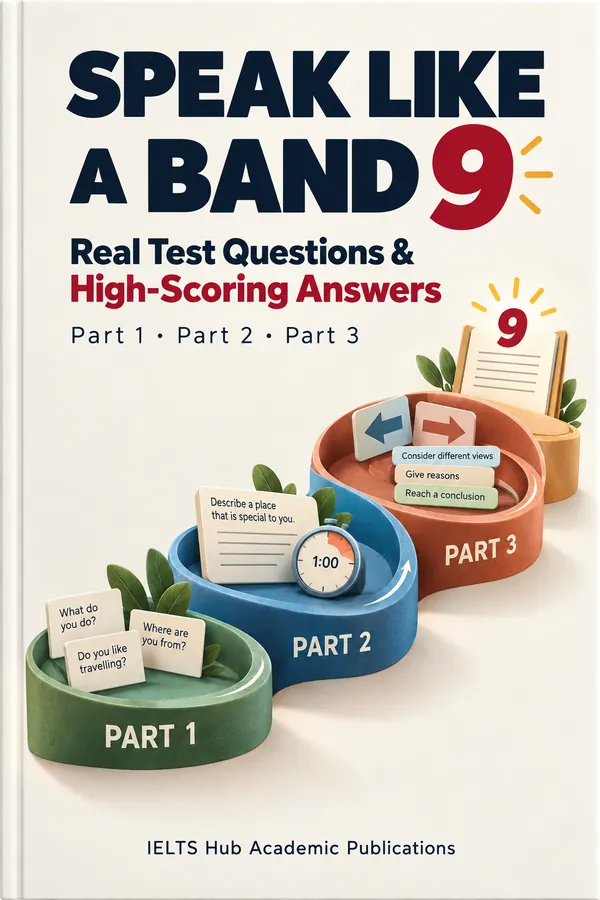
Speaking
Speak Like a Band 9
Real Test Questions & High-Scoring Answers
₹299$9.99CAD 13.99AUD 14.99£7.99NZD 16.99€8.99AED 39SGD 12.99
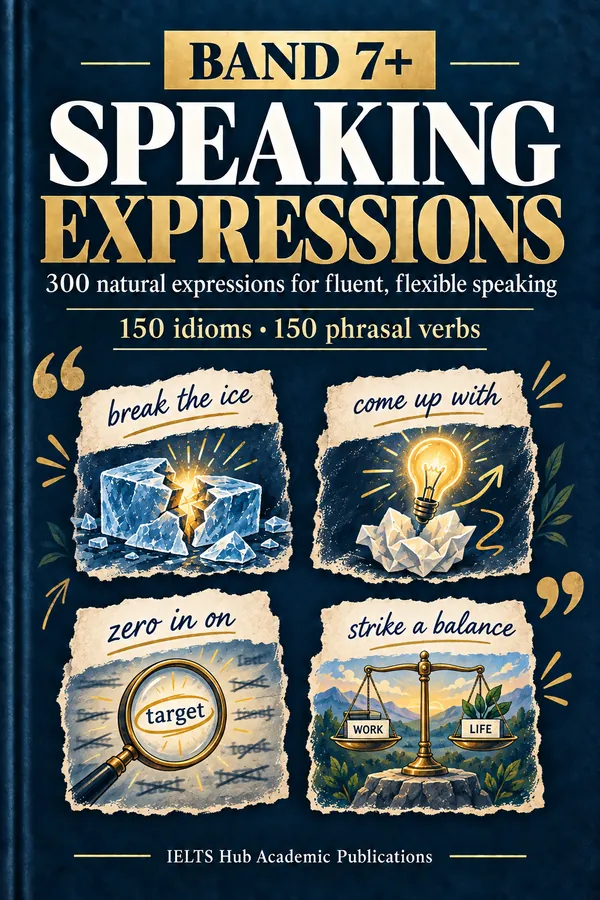
Speaking
Band 7+ Speaking Expressions
300 natural expressions for fluent, flexible speaking
₹199$6.99CAD 8.99AUD 9.99£4.99NZD 10.99€5.99AED 24SGD 8.99
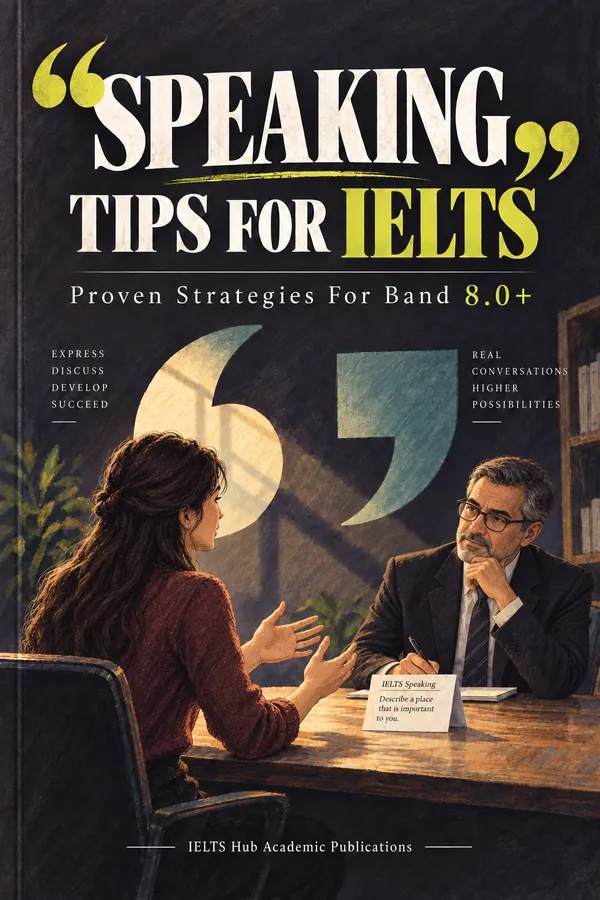
Speaking
Speaking Tips for IELTS
Proven Strategies for Band 8.0+
₹299$9.99CAD 13.99AUD 14.99£7.99NZD 16.99€8.99AED 39SGD 12.99