Speaking test #048
Part 1 · Interview
4 to 5 minutes. The examiner asks about you and familiar topics.
Can you tell me your full name?
Where are you from?
Do you work or are you a student?
How bad is the traffic in your country (India)?
The traffic in my country, India, can be quite challenging at times. With a rapidly growing population and a vast network of roads and highways, traffic congestion is a common issue in many cities. The problem is particularly severe during peak hours, when the roads become clogged with vehicles, leading to long delays and increased pollution levels.
Do traffic problems affect you?
Yes, traffic problems do affect me on a daily basis. As someone who commutes to work, I often find myself stuck in gridlock, which can be quite frustrating and time-consuming. Additionally, the noise and pollution caused by the heavy traffic can be quite detrimental to my overall well-being.
What do you do to deal with the traffic problems?
To deal with traffic problems, I try to plan my trips and errands during off-peak hours, when the roads are less congested. I also try to carpool or take public transportation whenever possible, as this helps to reduce the number of vehicles on the road. Additionally, I try to stay informed about any road closures or construction projects that may be causing delays, so that I can plan my routes accordingly.
Would you like to move to a place without traffic problems in the future?
While I am quite fond of my current city and the people I have grown to know and love, I would definitely be open to the idea of moving to a place without traffic problems in the future. A place where getting around is easy and efficient would be a dream come true for me, as it would allow me to spend more time doing the things I enjoy, rather than sitting in traffic. However, I would also consider other factors such as job opportunities, safety and cost of living before making a final decision.
Do you like to travel?
Oh, absolutely! I am a huge fan of traveling and experiencing new cultures, cuisines, and landscapes. There is nothing quite like immersing oneself in a new environment and gaining a fresh perspective on the world.
How did you get here today?
I opted to utilize public transportation today, as it is a convenient and eco-friendly mode of transportation. I took the bus from my residence to the nearest train station and then boarded a train to reach here.
Do you often use public transport?
Yes, I do. I try to use public transportation as much as possible, as it is not only cost-effective but also beneficial for the environment. It also allows me to avoid traffic congestion and parking difficulties, which can be quite a hassle.
What are the benefits of travelling by foot?
Travelling by foot has several benefits, the most obvious one being the ability to explore a place in a more leisurely and intimate manner. Walking also allows you to discover hidden gems and lesser-known places that you might miss while using other forms of transportation. Additionally, walking is a great way to stay active and healthy, and it is also an environmentally friendly mode of transportation. Overall, I believe that travelling by foot is a great way to immerse oneself in a new place and gain a deeper understanding of it.
You will have to talk about the topic for one to two minutes. You have one minute to think about what you are going to say. You can make some notes to help you if you wish.
Describe an educational television program
You should say:
- What is the name of the program
- What subjects or topics does the program cover
- How is the information presented in the program
- Why do you think this program is effective for learning
What is the name of the program
In India, one of the most renowned educational television programs is "Bharat Ek Khoj," which translates to "The Discovery of India." This program delves into various facets of Indian history, culture, and traditions, making it a comprehensive educational resource for viewers of all ages.
What subjects or topics does the program cover
Covering a wide array of subjects, "Bharat Ek Khoj" explores topics such as ancient civilizations, freedom struggle, art, literature, and social reforms. By intertwining historical narratives with insightful commentary, the program offers a holistic understanding of India's rich heritage and diverse socio-cultural landscape.
How is the information presented in the program
The information in this program is presented in a visually engaging and intellectually stimulating manner. Through a blend of reenactments, archival footage, expert interviews, and narration, viewers are transported back in time to key historical events and cultural milestones, fostering a deeper connection with the subject matter.
Why do you think this program is effective for learning
The effectiveness of "Bharat Ek Khoj" lies in its ability to make learning engaging and accessible. By presenting complex historical and cultural concepts in a compelling narrative format, the program captures the audience's attention and facilitates a deeper understanding of India's past and present. Moreover, the visual and auditory elements enhance retention and comprehension, making it an invaluable educational tool for students and enthusiasts alike.
- Words
- 199
- Sentences
- 8
- Words per sentence
- 24.9
- Speaking time
- about 1.5 min
Counted at 130 words a minute. The exam gives you one to two minutes.
Part 3 · Discussion
4 to 5 minutes. The examiner asks broader questions linked to the cue card topic.
What makes educational TV shows different from other TV shows in what they show and how they connect with viewers?
Educational television programs stand out significantly from other types of TV shows, primarily due to their focus on delivering informative content that aims to enhance knowledge and skills. While mainstream entertainment often prioritizes storytelling and drama to captivate viewers, educational programs engage their audience by presenting facts and concepts in an accessible way, often using visuals and interactive elements. This approach not only keeps viewers interested but also encourages critical thinking and curiosity. Furthermore, the target audience for educational shows tends to be more diverse, encompassing not just children, but also adults seeking to learn something new, which adds a richer layer to the viewing experience. In essence, while other shows might aim for escapism, educational programs strive to empower viewers through learning.
How effective do you think educational TV shows are at improving knowledge compared to regular classroom learning?
I believe that educational television programs can be incredibly effective in enhancing knowledge, often complementing traditional classroom learning rather seamlessly. For starters, these programs can present information in a visually engaging format, which can help viewers grasp complex concepts more easily. Moreover, they often feature expert opinions and real-world examples that can make the material more relatable and memorable. However, while educational TV can be a fantastic resource, it doesn’t entirely replace the structured environment of a classroom where interactive discussions and hands-on activities take place. The classroom setting fosters a sense of community and engagement that television simply cannot replicate. Overall, I think both mediums have their strengths, and when used together, they can create a more holistic learning experience.
How do educational TV shows help people understand important social issues?
Educational television programs play a pivotal role in shaping public awareness about important social issues. They serve as a powerful medium to disseminate information, reaching a broad audience that might not engage with traditional forms of education. By presenting complex topics in an accessible way, these programs can spark meaningful conversations and encourage viewers to reflect on their own beliefs and values. For instance, documentaries that explore issues like climate change or social justice can motivate individuals to take action in their communities. Ultimately, these shows not only inform but also inspire a sense of responsibility and collective action among viewers, which is crucial in today’s interconnected world.
Why do you think some people like educational programs while others enjoy entertainment shows?
That's a fascinating question! I believe it largely comes down to personal interests and what individuals seek to gain from their viewing experience. Some people are naturally curious and have a strong desire to expand their knowledge, so they gravitate towards educational programs that stimulate their minds and provide valuable insights. On the other hand, many individuals lead busy lives and may turn to entertainment shows as a way to unwind and relax, seeking a brief escape from reality. Ultimately, it's all about finding a balance between enriching the mind and enjoying light-hearted fun, and everyone has their own unique approach to that!
What changes could happen in educational TV over the next ten years?
The landscape of educational television is poised for some exciting transformations in the next decade. With the rise of interactive learning technologies, we can expect programs to become more engaging, allowing viewers to actively participate rather than just passively consume content. Additionally, as streaming services continue to dominate, traditional educational channels may need to adapt by offering on-demand content that caters to diverse learning styles and preferences. Moreover, the integration of augmented reality and virtual reality could revolutionize how complex subjects are taught, providing immersive experiences that bring lessons to life. This evolution will not only enhance understanding but also make learning more appealing to younger audiences. Overall, the next decade promises a vibrant fusion of technology and education, making learning more accessible and enjoyable for everyone.
What steps can be taken to make educational TV programs better and reach more people?
To enhance the quality and outreach of educational television programs, a multi-faceted approach is essential. First and foremost, producers should focus on creating engaging and interactive content that resonates with a diverse audience. This can be achieved by incorporating real-life examples and relatable scenarios that connect with viewers on a personal level. Additionally, collaboration with educators and subject matter experts can significantly elevate the credibility and effectiveness of the programs. Moreover, leveraging modern technology, such as social media platforms and streaming services, can expand the reach of these educational initiatives, making them accessible to a broader demographic. Lastly, incorporating viewer feedback can help producers continually refine their content, ensuring it remains relevant and impactful. By embracing these strategies, educational television can truly transform learning experiences for people of all ages.
Go further with the books
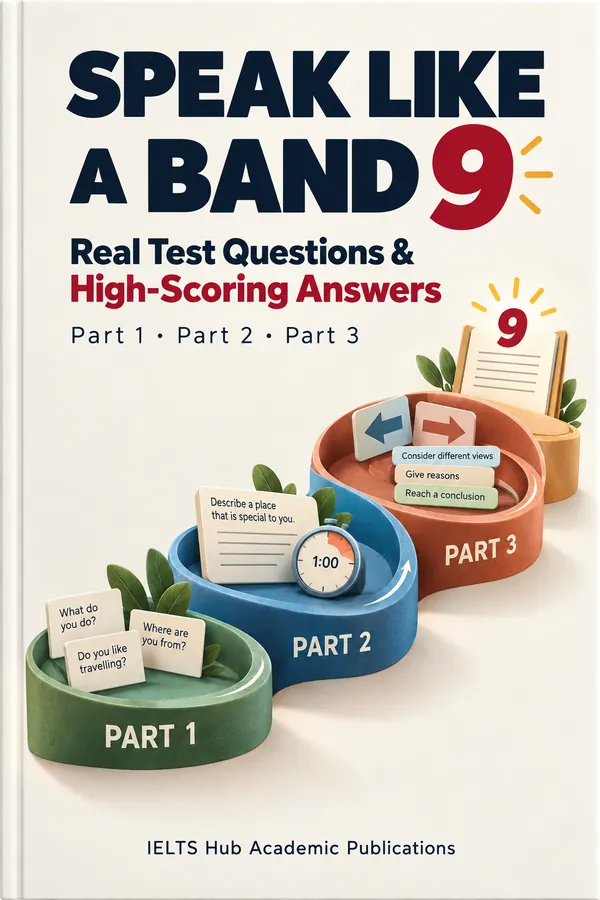
Speaking
Speak Like a Band 9
Real Test Questions & High-Scoring Answers
₹299$9.99CAD 13.99AUD 14.99£7.99NZD 16.99€8.99AED 39SGD 12.99

Speaking
Band 7+ Speaking Expressions
300 natural expressions for fluent, flexible speaking
₹199$6.99CAD 8.99AUD 9.99£4.99NZD 10.99€5.99AED 24SGD 8.99
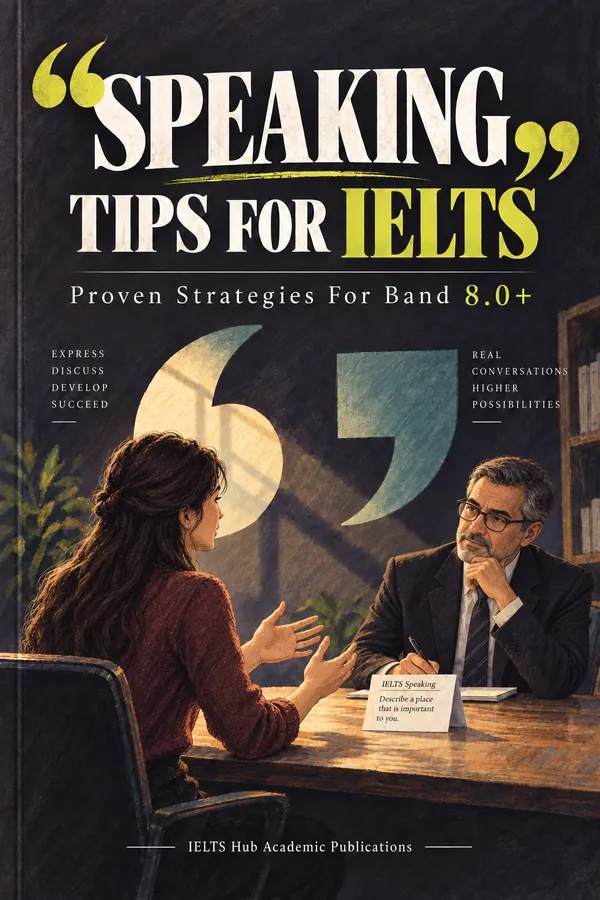
Speaking
Speaking Tips for IELTS
Proven Strategies for Band 8.0+
₹299$9.99CAD 13.99AUD 14.99£7.99NZD 16.99€8.99AED 39SGD 12.99