Speaking test #049
Part 1 · Interview
4 to 5 minutes. The examiner asks about you and familiar topics.
Can you tell me your full name?
Where are you from?
Do you work or are you a student?
Who do you trust most?
I trust my family and close friends the most. They have been with me through thick and thin, and have always been a source of support and guidance. Their honesty and loyalty have earned my trust, and I know that they have my best interests at heart.
Have you ever lost trust in someone?
Yes, I have lost trust in someone before. It was a difficult experience, as it was someone who I had considered a close friend. However, they betrayed my trust and it caused a rift in our friendship. It made me realize the importance of being cautious when trusting others.
What kind of people do you trust?
I trust people who are honest, trustworthy, and have integrity. People who are consistent in their actions and words, and who are open and transparent in their communication. I also trust people who have a strong moral compass and who are willing to stand up for what they believe in.
Do you trust artificial intelligence?
I am cautious about trusting artificial intelligence. While it has the potential to be very useful, I think it's important to be aware of the potential risks and limitations. I believe that it's important to have proper regulations in place to ensure that artificial intelligence is used ethically and responsibly. I think that we need to be careful about how we use it, and that we should always be aware of its limitations.
How often do you visit your relatives?
I visit my relatives on a fairly regular basis, usually every few months or so. It all depends on my schedule and how busy I am with work and other commitments. But I always try to make time to see them, as I value family greatly.
What do you do when you visit your relatives?
When I visit my relatives, we usually catch up on everything that's been going on in our lives. We'll talk about what's been happening with work, school, and any recent accomplishments or milestones. We'll also usually cook together and share meals, which is always a lot of fun.
Do people need to visit their relatives?
I believe that it's important for people to visit their relatives, as it helps to strengthen family bonds and keep those relationships strong. Regular visits can also be a great way to stay connected and in touch with loved ones, even if they live far away.
Do you prefer to visit your relatives or friends?
I enjoy visiting both my relatives and friends, but I have to say that I probably have a slight preference for visiting my relatives. I find that spending time with family is always comforting and grounding, and I always leave feeling recharged and refreshed. But I also love spending time with my friends, as it's a great way to relax and have fun.
You will have to talk about the topic for one to two minutes. You have one minute to think about what you are going to say. You can make some notes to help you if you wish.
Describe something interesting you learnt from the internet
You should say:
- What you learnt
- How you came across this information
- Why it captured your interest
- How this new knowledge impacted you
What you learnt
I'd like to share with you an interesting piece of information I learned from the internet, which revolves around the concept of mindfulness meditation. Mindfulness meditation is a mental practice that involves focusing one's awareness on the present moment while acknowledging and accepting one's feelings, thoughts, and bodily sensations. I came across this concept while browsing through articles on mental well-being and stress management.
How you came across this information
The reason why mindfulness meditation captured my interest is its potential to enhance mental clarity, reduce stress, and improve overall well-being. As someone who often finds themselves caught up in the hustle and bustle of daily life, the idea of being able to center myself and find peace amidst chaos was truly appealing. The more I delved into the subject, the more fascinated I became by the scientific studies supporting its benefits.
Why it captured your interest
This newfound knowledge has had a significant impact on me. I decided to incorporate mindfulness meditation into my daily routine, starting with just a few minutes each day. Over time, I noticed a positive shift in my mindset – I felt calmer, more focused, and better equipped to handle challenges. This practice has become a valuable tool for managing stress and improving my overall mental well-being, and I am grateful to have stumbled upon it on the internet.
How this new knowledge impacted you
In conclusion, learning about mindfulness meditation online has been a transformative experience for me. It has not only broadened my understanding of mental health and well-being but has also provided me with practical tools to enhance my quality of life. I believe that the internet is a treasure trove of valuable knowledge waiting to be explored, and I am grateful for the opportunity to discover and benefit from such meaningful information.
- Words
- 284
- Sentences
- 13
- Words per sentence
- 21.8
- Speaking time
- about 2.2 min
Counted at 130 words a minute. The exam gives you one to two minutes.
Part 3 · Discussion
4 to 5 minutes. The examiner asks broader questions linked to the cue card topic.
How does the information on the internet differ from regular sources of knowledge?
The information found on the internet can differ significantly from traditional sources of knowledge in several ways. Firstly, the internet offers an unprecedented volume of information that can be accessed instantly, allowing users to explore a vast array of topics at their fingertips. In contrast, traditional sources, like books or encyclopedias, are often limited in scope and require more time and effort to consult. Moreover, while online content can be updated in real-time, ensuring its relevance, traditional sources may become outdated quite quickly. However, this immediacy brings about challenges, such as the potential for misinformation and the need for critical thinking skills to assess reliability. Ultimately, while both mediums have their merits, the internet's dynamic nature can sometimes overshadow the depth and reliability that traditional sources provide.
How much might some people see online information as less reliable?
That's a fascinating question! The reliability of online information is indeed a hot topic these days. Some individuals might view online content with a healthy skepticism, particularly given the prevalence of misinformation and sensationalism. On the other hand, there are those who may take online information at face value, perhaps due to a lack of media literacy or a tendency to trust established platforms. This divergence in perspectives often stems from personal experiences, educational background, and even age; younger generations, for instance, may be more adept at navigating the digital landscape and discerning credible sources. Ultimately, it highlights the importance of fostering critical thinking skills in an age where information is just a click away!
How important is it for people to check the information they find online?
It’s incredibly significant for individuals to verify the information they come across on the internet! In today's digital age, where misinformation can spread like wildfire, being able to discern fact from fiction is crucial. Critical thinking skills are more important than ever, as they empower people to assess the credibility of sources and avoid falling prey to fake news. Additionally, when individuals take the time to fact-check, they contribute to a more informed society, which ultimately benefits everyone. So, in essence, verifying information isn’t just a personal responsibility; it’s a collective effort that helps to uphold the integrity of our shared knowledge.
Why do you think many people like to learn new things on the internet?
People are often drawn to learning new things online for a variety of reasons, and one of the most significant is the flexibility it offers. Unlike traditional education, online learning allows individuals to set their own pace and choose when and where to study. This is particularly appealing for those with busy lives or commitments, as it fits seamlessly into their schedules. Additionally, the vast array of resources available online—ranging from video tutorials to interactive courses—makes it easy for anyone to explore topics that pique their interest. Lastly, the sense of community found in online forums and social media groups can provide valuable support and motivation, fostering a more enriching learning experience.
What changes could happen in how we share information online in the next few years?
In the coming years, I believe we will see a significant evolution in the way information is shared online. With the rapid advancement of technology, platforms may become even more user-friendly, allowing for more seamless interactions between content creators and their audiences. I anticipate that the rise of augmented reality and virtual reality will transform traditional methods of sharing information, making it more immersive and engaging. Additionally, as concerns about privacy and misinformation grow, we might witness a shift towards more transparent and accountable sharing practices, where users demand verified sources and clearer attribution. Overall, the future of online information sharing promises to be more dynamic and interactive than ever before!
What steps can people take to make sure they find trustworthy information online?
To ensure we're accessing credible information online, individuals can take several effective measures. First and foremost, it's crucial to check the source of the information; reputable news outlets and academic institutions often have stringent fact-checking processes in place. Additionally, cross-referencing information across multiple credible sources can provide a more comprehensive picture and help identify any discrepancies. It's also beneficial to be aware of the author's credentials; understanding their expertise can significantly influence the reliability of the content. Lastly, utilizing fact-checking websites can be an invaluable resource to debunk misinformation, ensuring we stay informed with accuracy.
Go further with the books
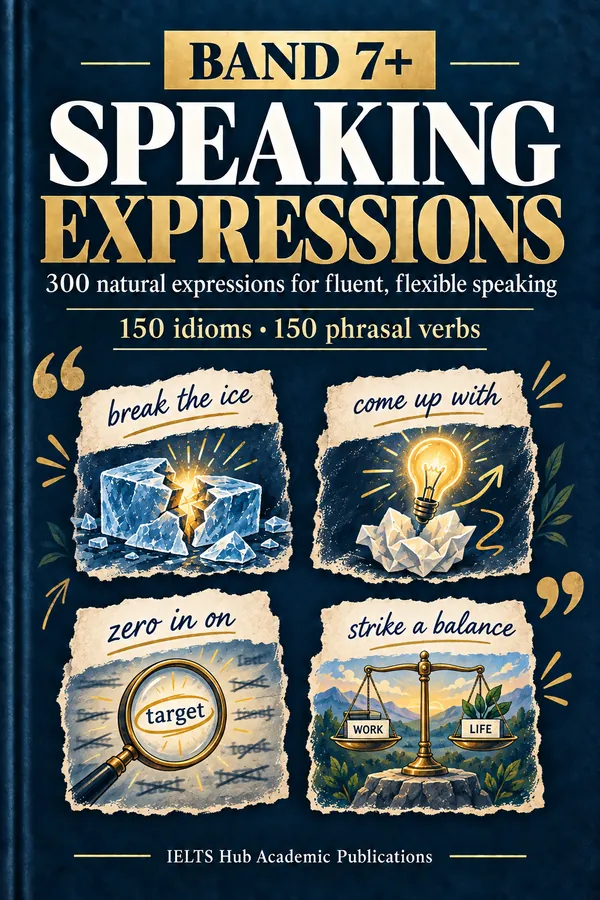
Speaking
Band 7+ Speaking Expressions
300 natural expressions for fluent, flexible speaking
₹199$6.99CAD 8.99AUD 9.99£4.99NZD 10.99€5.99AED 24SGD 8.99
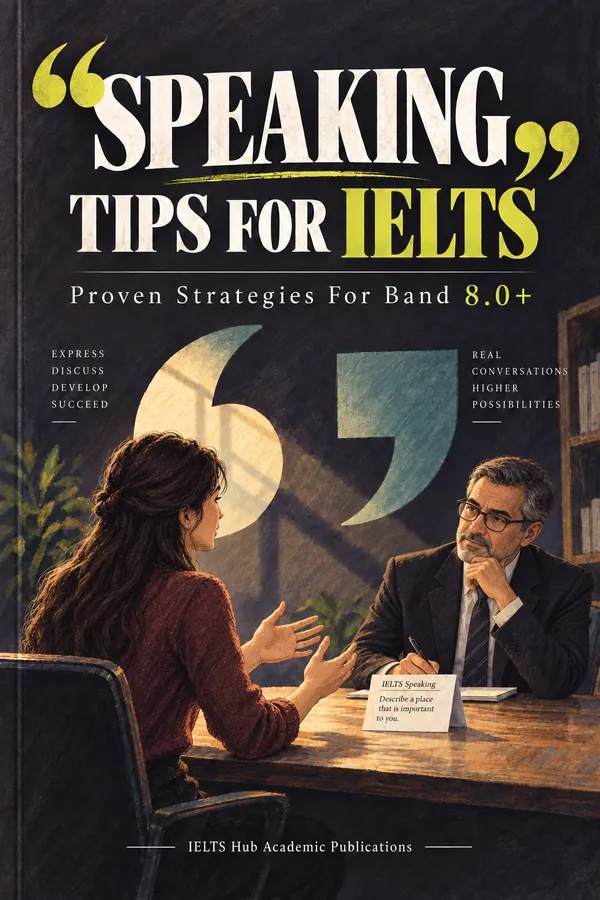
Speaking
Speaking Tips for IELTS
Proven Strategies for Band 8.0+
₹299$9.99CAD 13.99AUD 14.99£7.99NZD 16.99€8.99AED 39SGD 12.99
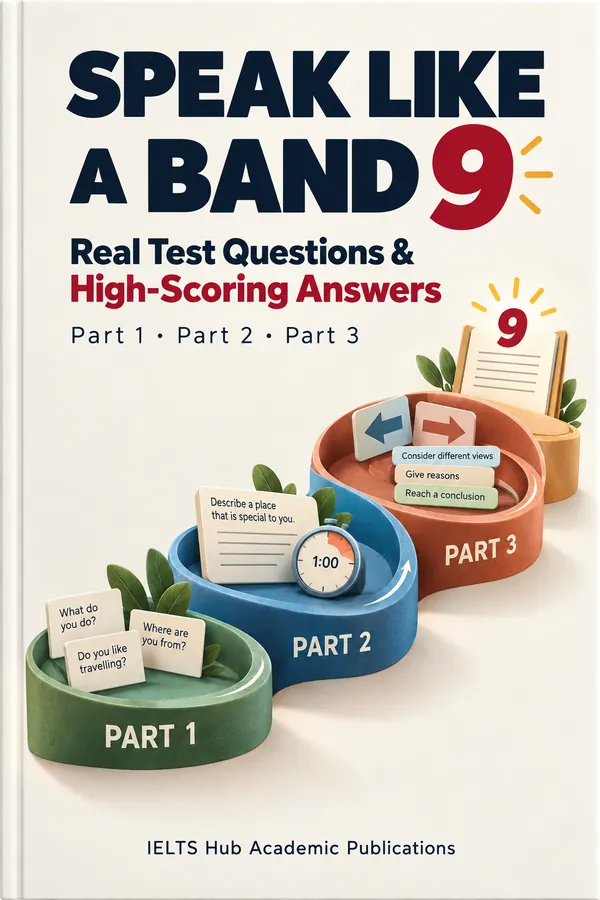
Speaking
Speak Like a Band 9
Real Test Questions & High-Scoring Answers
₹299$9.99CAD 13.99AUD 14.99£7.99NZD 16.99€8.99AED 39SGD 12.99