Speaking test #054
Part 1 · Interview
4 to 5 minutes. The examiner asks about you and familiar topics.
Can you tell me your full name?
Where are you from?
Do you work or are you a student?
What kinds of websites do you often visit?
I am an avid user of the internet and I visit a variety of websites on a regular basis. Some of the types of websites that I frequent include news sites, such as CNN and BBC, social media platforms like Facebook and Instagram, educational websites like Khan Academy, and entertainment sites like Netflix and YouTube.
What is your favourite website?
If I had to choose one website that I absolutely adore, it would have to be Wikipedia. I find it to be an incredibly valuable resource as it offers a wealth of information on a wide range of subjects. It is also user-friendly, easy to navigate, and is constantly updated with new information.
Are there any changes about the websites you often visit?
Yes, there have been some changes in the websites that I often visit. For example, some of the news sites that I used to visit have undergone redesigns and now have a more modern and user-friendly layout. Additionally, some of the social media platforms that I use have introduced new features and functionalities.
What kinds of websites are popular in your country (India)?
In India, there are a number of popular websites across different categories. For example, in terms of news, websites like The Hindu and Times of India are widely read. Social media platforms like Facebook, WhatsApp, and Instagram are also extremely popular among Indian users. Additionally, e-commerce sites like Flipkart and Amazon are quite popular for online shopping, and educational websites like Coursera and Khan Academy are also gaining traction.
How do you usually spend your weekends?
I typically spend my weekends engaging in a variety of leisure activities. On Saturdays, I like to go for a hike or bike ride in the morning to get some fresh air and exercise. In the afternoon, I might catch up with friends over lunch or spend time working on a hobby, such as photography or painting. On Sundays, I like to relax and unwind by reading a book or watching a movie. I also make sure to set aside some time for self-care, such as practicing yoga or meditation.
Which is your favourite part of the weekend?
My favourite part of the weekend is undoubtedly the sense of freedom and relaxation that comes with having two days off from work. I really enjoy having the time to pursue my interests and hobbies without feeling rushed or constrained by the demands of my job. Additionally, I treasure the opportunity to spend quality time with my loved ones, whether that be catching up over a meal or engaging in a fun activity together.
Do you think your weekends are long enough?
I believe that two days is a sufficient amount of time to recharge and rejuvenate after a busy week of work. However, I do think that having a longer weekend, such as a four-day weekend, would be even better. It would allow me to have more time to travel or pursue more ambitious projects.
How important do you think it is to have free time at the weekends?
I think it is extremely important to have free time at the weekends in order to maintain a healthy work-life balance. Having the time to pursue hobbies and interests, spend time with loved ones, and simply relax and unwind is essential for our well-being. Without this time to recharge, we may become burnt out or stressed, which can have negative effects on our mental and physical health. Furthermore, having free time can be a great opportunity to gain new experiences, explore new places, and try new things.
You will have to talk about the topic for one to two minutes. You have one minute to think about what you are going to say. You can make some notes to help you if you wish.
Describe a thing you bought for which you had to save money
You should say:
- What the item was
- How long you saved money for it
- Why you wanted to buy it
- How you felt after purchasing it
What the item was
I recently bought a new smartphone with the money I had been saving up for almost a year. It was the latest model with advanced features that I had my eyes on for quite some time. I saved diligently for this purchase as I wanted to upgrade from my old phone, which was becoming slow and outdated.
How long you saved money for it
Initially, I started setting aside a portion of my monthly allowance to save for the smartphone. I resisted the temptation to spend on unnecessary items and focused on my goal. It took me around eleven months to accumulate enough money to finally make the purchase. Throughout this period, I constantly reminded myself of the benefits of having a new, efficient device.
Why you wanted to buy it
The reason I wanted to buy this specific smartphone was its superior camera quality and performance. As someone who enjoys photography and social media, having a good camera on my phone was a priority. I also wanted a faster processor and more storage space to enhance my overall user experience. When I finally purchased the smartphone, I felt a sense of accomplishment and satisfaction. It was a rewarding feeling to see my hard work pay off and to finally own the device I had been longing for.
How you felt after purchasing it
In conclusion, buying the smartphone after saving money for almost a year was a fulfilling experience for me. It taught me the value of patience, discipline, and delayed gratification. I now appreciate the device even more knowing the effort I put into acquiring it. Overall, this experience has motivated me to continue setting financial goals and working towards them with dedication and perseverance.
- Words
- 268
- Sentences
- 16
- Words per sentence
- 16.8
- Speaking time
- about 2.1 min
Counted at 130 words a minute. The exam gives you one to two minutes.
Part 3 · Discussion
4 to 5 minutes. The examiner asks broader questions linked to the cue card topic.
What are the reasons for saving for a luxury item compared to saving for a necessity?
That's a fascinating question! The motivations for saving for a luxury item often stem from a desire for status and prestige, as people may want to showcase their success or indulge in a personal reward. On the other hand, when it comes to necessities, the motivation is typically driven by basic survival needs, such as ensuring that one has food, shelter, and healthcare. Additionally, saving for a luxury item can sometimes be linked to emotional fulfillment or the pursuit of happiness, whereas saving for necessities is usually about financial security and planning for the future. Ultimately, these different motivations highlight how our values and priorities shape our spending habits, reflecting a blend of personal aspirations and practical obligations.
Why do people think saving money for a certain buy is important?
There are several compelling reasons why individuals might find it worthwhile to save money for a specific purchase. Firstly, it instills a sense of financial discipline, teaching people the importance of budgeting and managing their finances effectively. Secondly, saving for a particular item often leads to a greater sense of satisfaction and achievement once the goal is reached, as it feels like a well-deserved reward for one's efforts. Moreover, when you save up for something special, it can enhance the overall experience of the purchase, making it feel more meaningful and significant. Lastly, saving money can also help individuals avoid falling into debt, allowing them to enjoy their purchase without the burden of financial strain.
How can saving money for something important change a person's money habits over time?
Saving money for something significant can profoundly influence a person's financial habits in several ways. Firstly, it instills a sense of financial discipline; when individuals set aside funds for a particular goal, they often become more mindful of their spending habits. This newfound awareness can lead to better budgeting practices, allowing them to prioritize essential expenses over impulsive purchases. Additionally, achieving a significant savings goal can boost one’s self-confidence, reinforcing the belief that they can manage their finances effectively. Ultimately, this process can cultivate a long-term commitment to saving, as individuals may start to view saving not just as a means to an end, but as a valuable lifestyle choice.
Why do you think people decide to save for some things instead of buying them on a whim?
I believe individuals often choose to save for certain items because it fosters a sense of financial responsibility and long-term satisfaction. When people save up for something special, they not only appreciate it more, but they also feel a sense of achievement once they finally make the purchase. Impulsive buying, on the other hand, can lead to buyer’s remorse and a feeling of emptiness, as the thrill of spontaneity fades quickly. Additionally, saving can be a way to prioritize needs over wants, which ultimately contributes to a more stable financial future. In a world filled with instant gratification, the discipline of saving can feel incredibly rewarding and empowering!
How could future economic situations change how willing people are to save for big buys?
Future economic conditions can have a profound impact on people's willingness to save for large purchases. For instance, if the economy is thriving, with low unemployment and rising incomes, individuals might feel more financially secure and thus more inclined to set aside money for significant investments, like a home or a car. On the other hand, in times of economic uncertainty or recession, people may prioritize immediate needs over long-term savings, fearing that their jobs could be at risk. Additionally, low-interest rates can make borrowing more appealing, which might lead some to forgo saving altogether in favor of financing their purchases. Ultimately, the interplay between economic stability and consumer confidence will play a crucial role in shaping saving behaviors for large expenditures.
What ways can people use to make saving for important things easier?
To make saving for important items more manageable, individuals can adopt a few effective strategies. Firstly, setting a clear and achievable financial goal is crucial; this gives a sense of direction and purpose to the saving process. Additionally, creating a budget that outlines monthly expenses and income can help identify areas where they can cut back, allowing for more funds to be directed towards savings. Another fantastic approach is to utilize the envelope system, where cash is allocated for different spending categories, ensuring that savings remain untouched. Lastly, automating savings through direct deposits can make the process seamless and less tempting to overlook. By implementing these strategies, individuals can feel more in control of their finances and ultimately reach their goals.
Go further with the books

Speaking
Speaking Tips for IELTS
Proven Strategies for Band 8.0+
₹299$9.99CAD 13.99AUD 14.99£7.99NZD 16.99€8.99AED 39SGD 12.99
Speaking
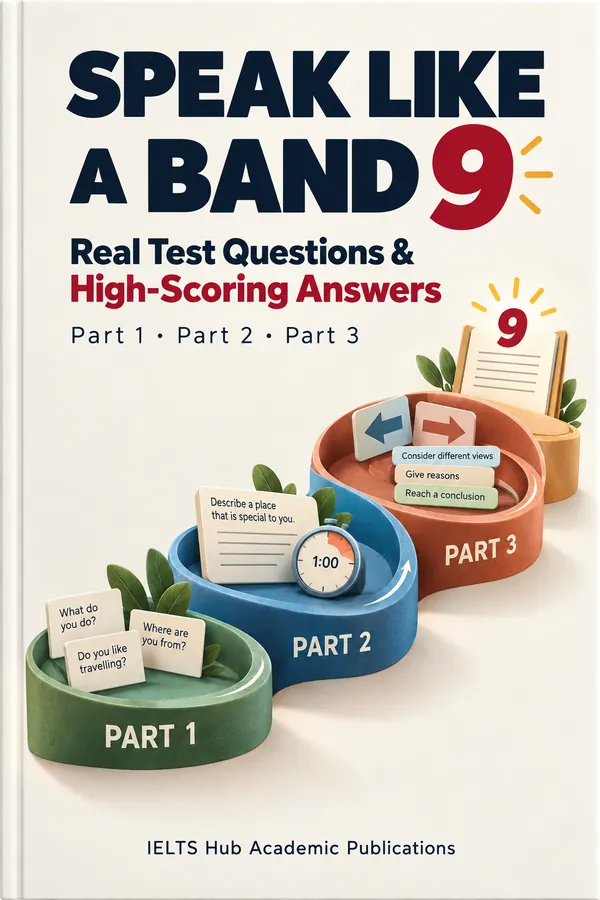
Speak Like a Band 9
Real Test Questions & High-Scoring Answers
₹299$9.99CAD 13.99AUD 14.99£7.99NZD 16.99€8.99AED 39SGD 12.99

Speaking
Band 7+ Speaking Expressions
300 natural expressions for fluent, flexible speaking
₹199$6.99CAD 8.99AUD 9.99£4.99NZD 10.99€5.99AED 24SGD 8.99