Speaking test #061
Part 1 · Interview
4 to 5 minutes. The examiner asks about you and familiar topics.
Can you tell me your full name?
Where are you from?
Do you work or are you a student?
Do you like the city you are living in now? [Why?
?] Oh yeah, absolutely! I mean, it's not perfect by any means, but it's definitely got its charms. For one thing, it's got a really vibrant arts scene - there are always concerts and exhibitions and stuff like that happening, which I really enjoy. Plus, it's just really convenient for getting around - the public transport system is pretty efficient, and there's always a ton of stuff to do and see.
Do you prefer the city or the countryside? [Why?
?] That's a tough one. I think I could go either way, really. On the one hand, I love the fast-paced, energetic vibe of the city - there's always something going on, and I really thrive on that kind of energy. On the other hand, though, I also really appreciate the peace and quiet of the countryside. It's just so relaxing to be surrounded by all that open space and nature. I guess it just depends on my mood, really.
What kinds of city do you like? [Why?
?] I think I'm most drawn to cities that have a really unique character and sense of identity. Like, I love places that are really steeped in history and culture, and that have a really strong local community. I also really enjoy cities that are really diverse and multicultural - I find it really interesting to see how different cultures and traditions intersect and influence each other. Overall, I think it's just really important for a city to have a strong sense of place and identity.
Which city do you want to go to? [Why?
?] There are so many cities that I'd love to visit! Right now, I'm particularly interested in exploring more of Asia - I've always been fascinated by the different cultures and histories of the region, and there are so many amazing cities to explore. In particular, I'd love to visit Tokyo - I've heard that it's such a vibrant, dynamic city, with a really unique blend of traditional and modern elements. I'd also love to visit Seoul and Hong Kong - I think they'd both be really interesting to explore, with their own distinct identities and cultures.
Are clothes important to people where you live?
Oh absolutely. I think fashion is a big deal for many people in my community. People here tend to put a lot of thought into what they wear and how it reflects their personal style.
How do people decide which clothes to buy?
It really depends on the person. Some people are really into following trends and will buy whatever is popular at the moment. Others are more selective and might consider factors like comfort, practicality, and whether the clothing fits with their existing wardrobe.
Would you ever buy clothes for somebody as a present?
Sure, I've definitely given clothes as gifts before. It can be a great way to show someone that you know their style and are paying attention to what they like. However, I always try to make sure I'm choosing something that the recipient will actually want to wear, rather than just picking out something that I like.
Do you think clothes are too important for some people?
I think it's possible for people to place too much emphasis on clothes and what they wear. It's important to remember that clothing is just one aspect of a person's overall appearance and shouldn't define them entirely. However, I also think it's important for people to feel comfortable and confident in what they're wearing, so I don't think it's necessarily a bad thing if someone puts a lot of thought into their wardrobe.
You will have to talk about the topic for one to two minutes. You have one minute to think about what you are going to say. You can make some notes to help you if you wish.
Describe a job you dream to have in the future
You should say:
- What is the job
- Why do you dream of having this job
- What skills or qualifications are required for this job
- How do you plan to achieve this dream job
What is the job
In the future, my dream job is to become a successful social entrepreneur with a focus on improving education accessibility in underprivileged communities. This job appeals to me immensely as I am passionate about making a positive impact on society and believe that education is the key to breaking the cycle of poverty.
Why do you dream of having this job
To excel in this role, I understand that I will need a combination of skills and qualifications. Firstly, strong leadership and communication skills are essential for effectively leading a team and collaborating with stakeholders. Additionally, a deep understanding of educational systems and the ability to identify innovative solutions to address gaps in access to education are crucial.
What skills or qualifications are required for this job
To achieve my dream job, I plan to pursue a degree in social entrepreneurship or a related field to gain the necessary knowledge and skills. I also aim to volunteer with organizations working in the education sector to gain practical experience and expand my network. Furthermore, I will continuously educate myself on the latest trends and best practices in social entrepreneurship to stay ahead in this rapidly evolving field.
How do you plan to achieve this dream job
Overall, my dream job as a social entrepreneur focusing on education not only aligns with my values and interests but also allows me to contribute meaningfully to society. By acquiring the required skills and qualifications, and actively working towards this goal, I am confident that I can make a real difference in the lives of those who lack access to quality education.
- Words
- 241
- Sentences
- 10
- Words per sentence
- 24.1
- Speaking time
- about 1.9 min
Counted at 130 words a minute. The exam gives you one to two minutes.
Part 3 · Discussion
4 to 5 minutes. The examiner asks broader questions linked to the cue card topic.
How can people's hopes for their ideal jobs vary from each other?
People's aspirations for their dream jobs can vary widely due to a multitude of factors, such as personal interests, cultural backgrounds, and life experiences. For instance, some individuals might prioritize financial stability and aim for high-paying professions, like doctors or engineers, while others might value creative fulfillment and seek careers in the arts or media. Additionally, factors like job security and work-life balance play a significant role; some may dream of flexible roles that allow them to pursue personal passions, whereas others might aspire to climb the corporate ladder in more traditional fields. Ultimately, these differences highlight the diverse motivations that drive people towards their ideal careers, reflecting their unique values and life circumstances.
How does it feel for someone who can't follow their dream job?
When someone is unable to pursue their dream job, it can evoke a myriad of emotions, often leading to feelings of frustration and disappointment. For many, their dream job represents a significant part of their identity and aspirations, so being unable to achieve it can feel like a loss of purpose. Additionally, there might be a sense of regret, especially if they had to make difficult choices or sacrifices along the way. This situation can also foster a sense of insecurity, as individuals may question their abilities and potential. Ultimately, while the initial feelings can be quite negative, this experience can also serve as a catalyst for personal growth, prompting individuals to reassess their goals and find alternative paths that might lead to unexpected fulfillment.
How do you think dream jobs affect a person's happiness and satisfaction in life?
Dream jobs play a pivotal role in an individual's overall happiness and fulfillment. When people are engaged in work that resonates with their passions and values, it significantly enhances their sense of purpose and satisfaction. Achieving a dream job often leads to a state of flow, where individuals feel completely immersed and productive, resulting in a profound sense of achievement. Additionally, pursuing a career that aligns with one's aspirations can foster positive relationships and a supportive work environment, which are essential for emotional well-being. Ultimately, when individuals are fulfilled in their professional lives, it can have a ripple effect, enhancing their personal relationships and overall quality of life.
Why do you think people often see some jobs in a better light than they really are?
I think the idealized views people have of certain professions often stem from the way those jobs are portrayed in the media and popular culture. For instance, professions like doctors or artists are frequently celebrated and romanticized, leading people to believe they are more glamorous or fulfilling than they might actually be. Additionally, there’s a natural tendency for individuals to focus on the positive aspects of a job while overlooking the challenges or less desirable elements. This can create a sort of fantasy image that people aspire to, often ignoring the hard work and sacrifices involved. Ultimately, these idealized views can shape career aspirations, sometimes leading to disillusionment when the reality doesn't match the expectation.
How could the job market change in the next ten years, especially regarding ideal jobs?
The job market is poised for some fascinating changes in the next decade, especially when it comes to what people consider their dream jobs. With the rapid advancement of technology, particularly in areas like AI and automation, we might see a shift towards more specialized roles that require a combination of technical skills and creativity. This could lead to an increased emphasis on flexible work arrangements, allowing individuals to pursue their passions more freely, which is what many people aspire to in their careers. Furthermore, industries such as renewable energy and biotechnology are likely to expand, creating new opportunities that align with societal values and personal aspirations. As remote work becomes more mainstream, I believe people will have a broader geographical reach in their job searches, making it easier to find roles that truly resonate with them. Overall, I think the evolution of the job market will encourage a more fulfilling and diverse range of career paths for everyone.
What actions can people take to get closer to their dream jobs?
To move closer to achieving their dream careers, individuals can start by setting clear goals. This means not just having a vague idea of what they want, but breaking it down into actionable steps. Networking is also crucial; connecting with professionals in their desired field can open doors and provide valuable insights. Additionally, continuous learning is key—taking courses or attending workshops can help them stay ahead of the curve and gain relevant skills. Lastly, maintaining a positive mindset and being persistent in the face of challenges can significantly influence their journey toward success.
Go further with the books

Speaking
Band 7+ Speaking Expressions
300 natural expressions for fluent, flexible speaking
₹199$6.99CAD 8.99AUD 9.99£4.99NZD 10.99€5.99AED 24SGD 8.99
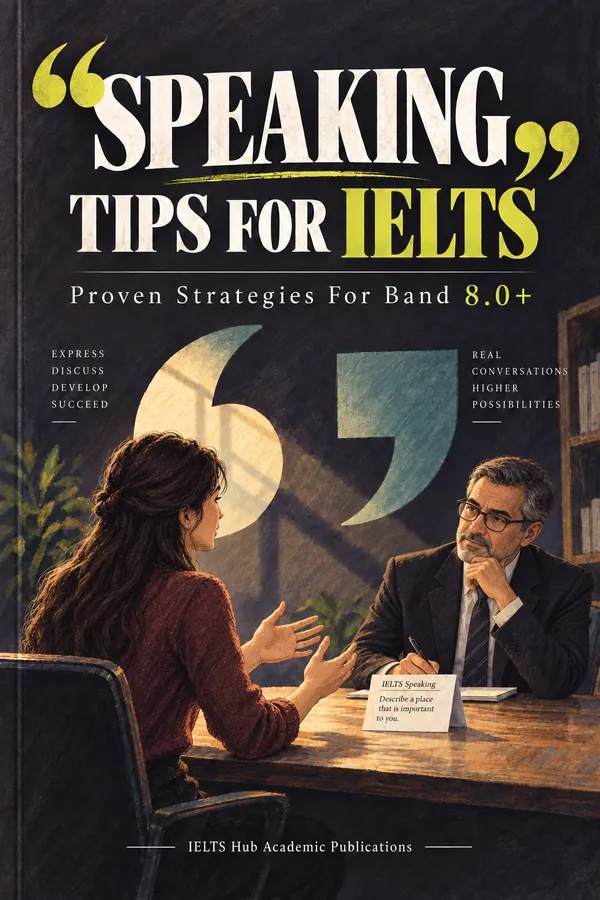
Speaking
Speaking Tips for IELTS
Proven Strategies for Band 8.0+
₹299$9.99CAD 13.99AUD 14.99£7.99NZD 16.99€8.99AED 39SGD 12.99
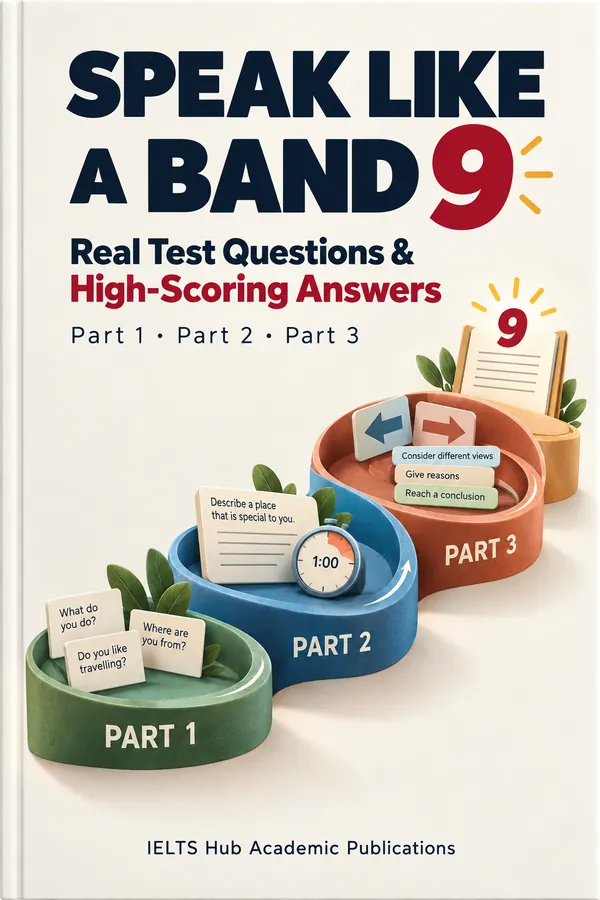
Speaking
Speak Like a Band 9
Real Test Questions & High-Scoring Answers
₹299$9.99CAD 13.99AUD 14.99£7.99NZD 16.99€8.99AED 39SGD 12.99