Speaking test #062
Part 1 · Interview
4 to 5 minutes. The examiner asks about you and familiar topics.
Can you tell me your full name?
Where are you from?
Do you work or are you a student?
Are you happy to be the age you are now?
I am quite content with my current age. I feel that I have reached a stage in my life where I have a good balance of experience and youthful energy, which enables me to make the most of my life.
When you were a child, did you think a lot about your future?
As a child, I did not give much thought to my future. I was more focused on enjoying the present moment and exploring the world around me. However, as I grew older, I began to consider my aspirations and goals for the future.
Do you think you have changed as you have got older?
Definitely. As I have grown older, I have learned a lot about myself and the world around me. I have gained new perspectives and experiences that have shaped my character and outlook on life. I have also learned to be more adaptable and open-minded, which has helped me to grow and evolve as a person.
What will be different about your life in the future?
I am optimistic that my life in the future will be even more fulfilling and meaningful than it is now. I hope to have a successful career, a loving family, and a sense of purpose that guides me through my daily life. Additionally, I hope to continue to grow and evolve as a person, learning new skills and perspectives that will help me to live a rich and fulfilling life.
Do you collect anything?
Yeah, I'm definitely a bit of a collector. I've always loved picking up unique items and adding them to my collection. Right now, I'm really into vintage cameras and have a pretty impressive collection going on.
Is there anything that you keep from childhood?
Definitely. I have a lot of sentimental value attached to certain items from my childhood, so I try to hold onto them as much as possible. For example, I still have my favorite stuffed animal from when I was a kid, and I could never bring myself to get rid of it.
Would you keep old things for a long time? Why?
Absolutely. I think there's something really special about being able to hold onto old things and being able to look back on them and remember certain memories or moments in your life. Plus, I just think it's a really cool way to add character and history to your home.
Where do you usually keep things you need?
I'm pretty organized, so I like to have a designated spot for everything. For example, I keep my keys and wallet in a designated drawer in my bedroom, and I have a specific spot in my kitchen for all of my cooking supplies. It just makes it easier to find things when I need them.
You will have to talk about the topic for one to two minutes. You have one minute to think about what you are going to say. You can make some notes to help you if you wish.
Describe a book or movie that had a major influence on you
You should say:
- What is the book or movie
- How did you come across it
- What impact it had on you
- Why do you think it had such a significant influence on you
What is the book or movie
One of the most influential books that has had a profound impact on me is "The Alchemist" by Paulo Coelho. I first came across this book during my high school years when a friend recommended it to me. Intrigued by the title and the promise of a life-changing journey within its pages, I decided to give it a read.
How did you come across it
The impact that "The Alchemist" had on me was transformative. It not only captivated me with its enchanting narrative but also sparked a deep sense of introspection within me. The book's central themes of following one's dreams, listening to one's heart, and embracing the unknown resonated deeply with me. It inspired me to reflect on my own aspirations and encouraged me to pursue them with unwavering determination.
What impact it had on you
I believe "The Alchemist" had such a significant influence on me because it presented universal truths in a simple yet profound manner. The timeless wisdom woven into the story transcended cultural boundaries and spoke directly to the core of my being. The protagonist's journey towards self-discovery mirrored my own quest for purpose and fulfillment, making the book a mirror through which I could examine my own beliefs and choices.
Why do you think it had such a significant influence on you
In conclusion, "The Alchemist" continues to hold a special place in my heart as a guiding light during moments of doubt or confusion. Its teachings on resilience, faith, and the power of following one's dreams have shaped my outlook on life and instilled in me a sense of courage to embrace the unknown. This book stands as a testament to the enduring power of storytelling in shaping our thoughts and actions, making it a timeless masterpiece that continues to inspire me on my own journey.
- Words
- 280
- Sentences
- 13
- Words per sentence
- 21.5
- Speaking time
- about 2.2 min
Counted at 130 words a minute. The exam gives you one to two minutes.
Part 3 · Discussion
4 to 5 minutes. The examiner asks broader questions linked to the cue card topic.
How can the effects of books be different from those of movies on people?
That's a fascinating question! The impact of books and movies can indeed vary significantly due to their different formats. Books often allow for a deeper level of introspection; readers engage their imagination and create personal interpretations of the story, which can lead to profound emotional responses. In contrast, movies provide a more immediate sensory experience with visuals and sound, often evoking strong feelings in a shorter time frame. While books can linger in our minds long after we've finished reading, movies tend to offer a more transient experience, though both can leave lasting impressions. Ultimately, the choice between the two often depends on individual preference and the context in which one consumes these narratives.
How much do you think books shape people's views compared to movies?
That’s a fascinating question! I believe that both literature and cinema have a profound impact on people's perspectives, but they do so in different ways. Literature often allows for a deeper exploration of characters' thoughts and emotions, which can foster a more nuanced understanding of complex issues. Readers can really immerse themselves in the narrative and reflect on their own experiences while doing so. On the other hand, cinema has the advantage of visual storytelling, which can evoke strong emotions almost immediately. The combination of imagery, music, and acting can create a visceral experience that literature sometimes can't match. However, I think literature has a more lasting effect, as it encourages readers to engage their imagination and interpret themes in their own way. Ultimately, both forms of art are incredibly valuable in shaping how we view the world, each offering unique insights that can transform our perspectives.
How do you think stories help shape what we believe and value?
Storytelling plays a pivotal role in shaping our values and beliefs, acting as a powerful medium for conveying cultural norms and ethical lessons. Through narratives, we are introduced to diverse perspectives, which allows us to empathize with others and understand different worldviews. This connection is vital in fostering a sense of community and shared identity, as stories often reflect the intricacies of human experience. Furthermore, storytelling can challenge existing beliefs, prompting us to reflect critically on our values and potentially reshape them. Overall, it’s fascinating how a simple tale can resonate deeply and influence our moral compass.
Why do you think some books or movies connect with people more than others?
I believe certain books and movies resonate more deeply with people because they tap into universal themes and emotions that are relatable across diverse cultures and experiences. For instance, stories that explore love, loss, or the quest for identity often strike a chord, as they reflect fundamental aspects of the human experience. Additionally, the storytelling techniques used—like character development and plot twists—can make a narrative more engaging and memorable. When audiences see themselves in the characters or situations, it creates a profound connection that lingers long after the final page or scene. Ultimately, it’s this emotional resonance that distinguishes a good story from a truly impactful one.
How could the impact of books and movies change in the coming years?
That's a fascinating question! I believe that the influence of literature and film will undergo significant transformation in the coming decades, largely driven by advances in technology. For instance, as virtual reality and augmented reality become more mainstream, we might see literature and film intertwining in ways we can't even imagine yet, creating immersive experiences that allow audiences to step directly into the narrative. Additionally, with the rise of streaming services, storytelling will likely become more diverse, featuring a broader range of voices and perspectives that reflect our global society. This evolution could foster a deeper understanding of different cultures, ultimately enriching our collective experience of art. Overall, I think the future of literature and film holds exciting possibilities!
What can be done to get more people interested in meaningful books or movies?
To encourage more people to engage with impactful literature or films, one effective step would be to promote literary festivals and film screenings in local communities. These events can create a vibrant atmosphere that fosters discussion and appreciation for diverse narratives. Additionally, integrating these works into the school curriculum can spark early interest and help students develop a deeper understanding of important themes. Social media campaigns that highlight compelling stories or characters can also capture the attention of younger audiences, making them more likely to explore these mediums. Overall, creating accessible platforms for dialogue and exploration can significantly enhance engagement with thought-provoking literature and films.
Go further with the books
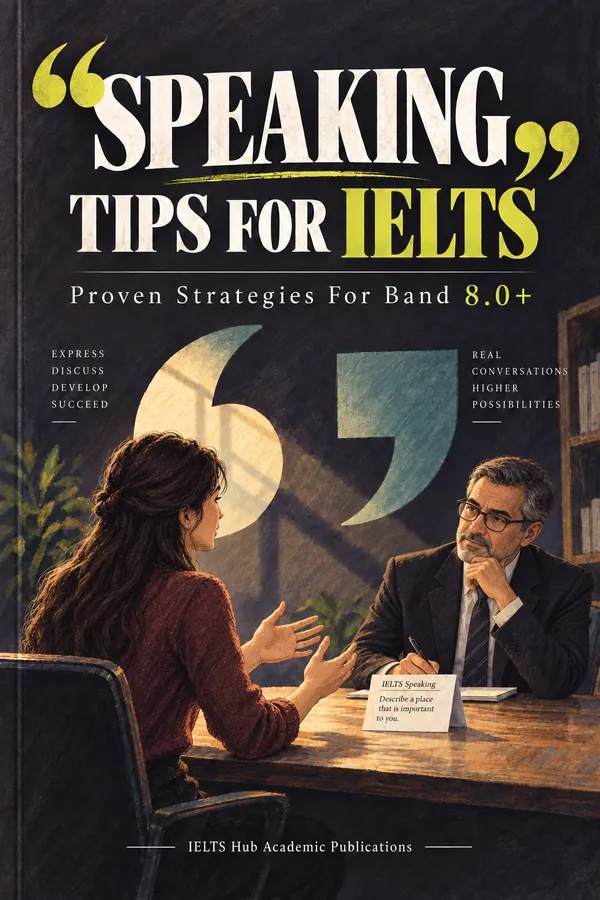
Speaking
Speaking Tips for IELTS
Proven Strategies for Band 8.0+
₹299$9.99CAD 13.99AUD 14.99£7.99NZD 16.99€8.99AED 39SGD 12.99
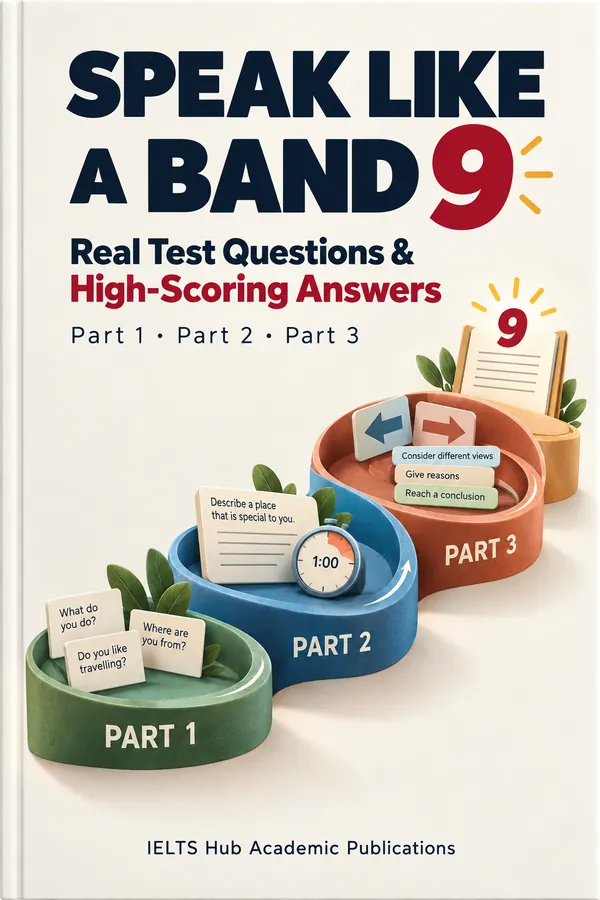
Speaking
Speak Like a Band 9
Real Test Questions & High-Scoring Answers
₹299$9.99CAD 13.99AUD 14.99£7.99NZD 16.99€8.99AED 39SGD 12.99
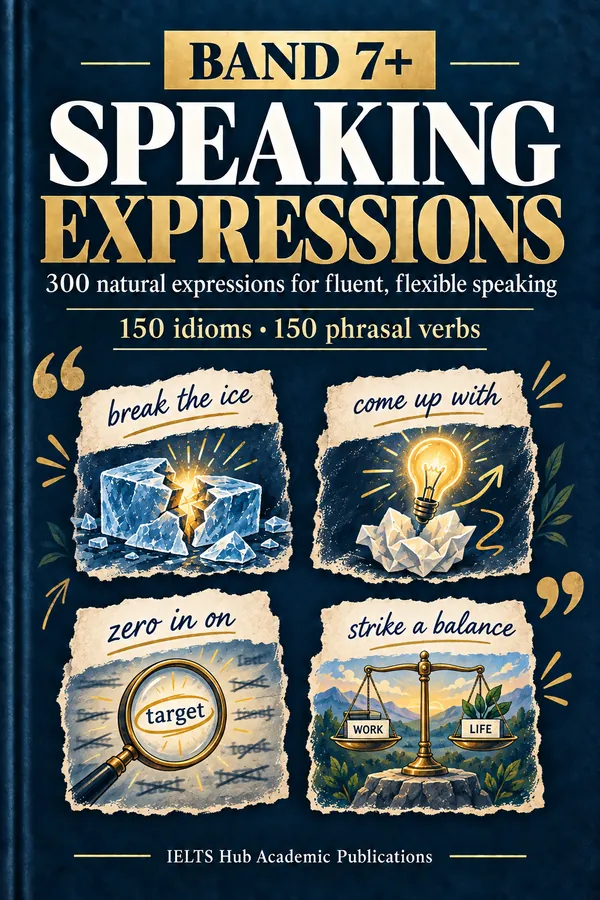
Speaking
Band 7+ Speaking Expressions
300 natural expressions for fluent, flexible speaking
₹199$6.99CAD 8.99AUD 9.99£4.99NZD 10.99€5.99AED 24SGD 8.99