Speaking test #069
Part 1 · Interview
4 to 5 minutes. The examiner asks about you and familiar topics.
Can you tell me your full name?
Where are you from?
Do you work or are you a student?
How often do you use a dictionary?
I use a dictionary quite frequently, probably a few times a week. It's a handy tool for when I come across unfamiliar words or want to double-check the meaning of something.
Do you prefer a paper dictionary or an electronic one?
I personally prefer an electronic dictionary, mainly because it's more convenient and easily accessible. I can just pull it up on my phone or laptop and search for a word in seconds. Plus, I can save words to a list or make notes on their definitions, which is helpful for language learning. However, I do appreciate the nostalgia and tactile experience of using a paper dictionary, so I still keep one on my bookshelf for reference.
How will dictionaries change in the future?
I think dictionaries will continue to evolve and adapt with technology. I envision them becoming more interactive and user-friendly, with features like audio pronunciation, sample sentences, and cultural references. They may also incorporate artificial intelligence to provide personalized recommendations or synonym suggestions.
How would you feel if somebody gave you a dictionary as a gift?
I would be thrilled if someone gave me a dictionary as a gift! It might not be the most exciting present, but to me it shows that the person values education and language learning. I would appreciate the thought and effort put into selecting a dictionary that fits my needs or interests.
What do you like to talk about?
I enjoy discussing a wide range of topics, from current events and politics, to more personal subjects such as hobbies and interests. I find that engaging in lively, thought-provoking conversations is a great way to expand my knowledge and perspectives.
Have your discussion topics changed since you were a child?
Definitely. As a child, I was more inclined to talk about more simplistic and superficial topics such as toys and games. However, as I've grown older, my interests and understanding of the world have broadened, leading to more complex and nuanced discussions.
Do you change your opinion frequently?
Not particularly. I tend to form my opinions based on a thorough examination of the facts and evidence available to me. Once I have formed an opinion, I am open to considering new information and perspectives, but it typically takes a significant amount of convincing for me to change my position on a topic.
Do you prefer to talk or listen?
I believe that effective communication requires a balance of both talking and listening. While I do enjoy expressing my own thoughts and ideas, I also value the opportunity to listen to others and gain insights from their perspectives. In general, I strive to be an active listener and participate in discussions in an open-minded and respectful manner.
You will have to talk about the topic for one to two minutes. You have one minute to think about what you are going to say. You can make some notes to help you if you wish.
Describe a foreign country you have planned to visit
You should say:
- Which country it is
- Why you want to visit this country
- What preparations you have made for the trip
- When do you plan to visit this country
Which country it is
I have always dreamt of visiting Japan, a country renowned for its rich cultural heritage, stunning landscapes, and advanced technology. The unique blend of traditional customs and modern innovations in Japan fascinates me, and I am eager to immerse myself in its distinct way of life.
Why you want to visit this country
My desire to visit Japan stems from my love for Japanese art, cuisine, and history. I am particularly drawn to the serene beauty of Japanese gardens, the exquisite craftsmanship of traditional teapots, and the delicious flavors of sushi and ramen. Exploring ancient temples, experiencing traditional tea ceremonies, and witnessing the iconic cherry blossoms in bloom are all on the top of my list of things to do in Japan.
What preparations you have made for the trip
In preparation for my trip to Japan, I have been diligently studying the Japanese language to facilitate communication and enhance my overall experience. I have also been researching popular tourist attractions, local customs, and transportation options to ensure a smooth and enjoyable journey. Additionally, I have started saving up and creating a detailed itinerary to make the most of my time in this captivating country.
When do you plan to visit this country
I plan to visit Japan next spring during the cherry blossom season, a time when the country transforms into a picturesque wonderland of pink blooms. Witnessing the cherry blossoms in full bloom has been a long-held dream of mine, and I am excited to finally make it a reality. I believe that my upcoming trip to Japan will be a fulfilling and enriching experience that will leave me with cherished memories to last a lifetime.
- Words
- 255
- Sentences
- 11
- Words per sentence
- 23.2
- Speaking time
- about 2.0 min
Counted at 130 words a minute. The exam gives you one to two minutes.
Part 3 · Discussion
4 to 5 minutes. The examiner asks broader questions linked to the cue card topic.
How are the cultural experiences in other countries different from those in your own country?
Cultural experiences in foreign countries often present a fascinating contrast to those in one’s home country, primarily due to the unique traditions, customs, and social norms that shape each society. For instance, while family gatherings in my home country might focus on familiar dishes and shared stories, in another culture, these gatherings could involve completely different cuisines and rituals that reflect their heritage. Moreover, the way people communicate can vary significantly; some cultures may embrace direct communication, while others might value indirect approaches, making interactions quite intriguing. Additionally, the celebration of festivals and holidays can be remarkably diverse, showcasing a rich tapestry of beliefs and practices that one may not encounter at home. Experiencing these differences can be eye-opening, as it allows individuals to appreciate the vastness of human expression and connection. Ultimately, these cultural experiences not only broaden our perspectives but also encourage a deeper understanding of global diversity.
What are some parts of traveling abroad that people often disagree on?
When it comes to foreign travel, opinions can really vary, especially regarding cultural differences. Some travelers absolutely relish the chance to immerse themselves in new customs and traditions, while others might feel overwhelmed or even intimidated by the unfamiliar. Additionally, the idea of trying local cuisine can spark heated debates; for some, it's an exciting adventure, whereas others might be more hesitant, preferring familiar tastes. Another aspect is the environmental impact—many argue that tourism can lead to overcrowding and pollution, while others believe that the economic benefits to local communities can outweigh these concerns. Ultimately, these differing perspectives reflect personal values and experiences, making travel a rich topic for discussion!
How can going to another country help someone grow as a person?
Visiting a foreign country can significantly enhance a person's personal development in numerous ways. Firstly, it exposes individuals to different cultures and perspectives, which can broaden their understanding of the world and foster a greater sense of empathy. This cultural immersion often pushes people out of their comfort zones, encouraging them to adapt and develop problem-solving skills in unfamiliar situations. Moreover, engaging with locals and navigating a new environment can boost one’s confidence and independence, as they learn to communicate and connect with others despite language barriers. Ultimately, these experiences not only enrich a person’s life but also contribute to their personal growth and maturity.
Why do you think people want to visit other countries instead of staying at home?
People are often irresistibly drawn to explore foreign countries for a multitude of reasons. Firstly, the allure of experiencing different cultures can be incredibly enticing; immersing oneself in a foreign environment allows for a deeper understanding of the world. Additionally, the thrill of adventure plays a significant role; many individuals seek the excitement of discovering hidden gems and off-the-beaten-path locales that they wouldn't encounter at home. Moreover, travel provides a unique opportunity for personal growth, as it challenges individuals to step outside their comfort zones and adapt to new situations. Ultimately, the combination of curiosity, adventure, and the desire for self-discovery makes exploring foreign lands an appealing choice for many.
What shifts could we notice in global travel habits in the next ten years?
Over the next decade, I anticipate that international travel trends will undergo significant transformation, largely driven by advancements in technology and shifting consumer preferences. For instance, we might witness a surge in sustainable tourism, as travelers become increasingly conscious of their environmental impact and seek out eco-friendly options. This could lead to a rise in destinations that prioritize conservation and responsible travel practices. Moreover, the integration of virtual reality could revolutionize the way we plan and experience travel, allowing people to explore places virtually before making the leap to visit them in person. Lastly, as remote work continues to gain traction, the concept of 'workations' could become more mainstream, with individuals blending their professional and leisure travels. Overall, the future of international travel promises to be more dynamic and tailored to the needs of a new generation of explorers!
What steps can governments take to make foreign travel safer and more enjoyable for visitors?
Governments can implement several impactful measures to enhance both the safety and enjoyment of foreign travel. Firstly, investing in robust security infrastructure at airports and tourist sites can significantly reassure visitors. This includes efficient screening processes and visible security personnel who create a sense of safety. Additionally, offering multilingual support services ensures that travelers can navigate their surroundings without language barriers, which greatly enhances their overall experience. Furthermore, promoting local tourism initiatives that educate visitors on cultural norms and safety tips can foster a more enriching atmosphere. By combining these strategies, governments can create a welcoming environment that not only prioritizes safety but also enhances the joy of exploration.
Go further with the books

Speaking
Band 7+ Speaking Expressions
300 natural expressions for fluent, flexible speaking
₹199$6.99CAD 8.99AUD 9.99£4.99NZD 10.99€5.99AED 24SGD 8.99
Speaking
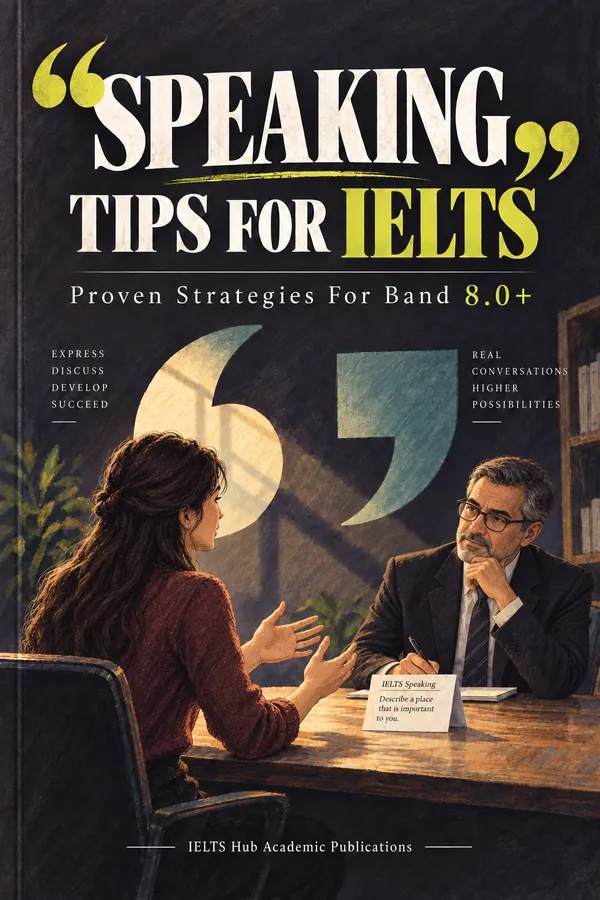
Speaking Tips for IELTS
Proven Strategies for Band 8.0+
₹299$9.99CAD 13.99AUD 14.99£7.99NZD 16.99€8.99AED 39SGD 12.99

Speaking
Speak Like a Band 9
Real Test Questions & High-Scoring Answers
₹299$9.99CAD 13.99AUD 14.99£7.99NZD 16.99€8.99AED 39SGD 12.99