Speaking test #070
Part 1 · Interview
4 to 5 minutes. The examiner asks about you and familiar topics.
Can you tell me your full name?
Where are you from?
Do you work or are you a student?
What was the dream job for you when you were young?
When I was younger, I always dreamed of becoming a doctor. I loved the idea of being able to help people and make a difference in their lives. However, as I got older and learned more about the field, I realized that it wasn't the right fit for me.
Have you changed your mind about your dream job?
Yes, I have. I used to think that becoming a doctor was my ultimate career goal, but as I explored other options and learned more about myself, I realized that there were other paths that were a better fit for my interests and skills.
What do you plan to do in the future?
In the future, I hope to work in a career that allows me to use my creativity and problem-solving skills. I'm still exploring different options, but I'm considering careers in design or marketing.
What kind of jobs are popular in India?
In India, there are a wide range of popular careers. Some of the most in-demand jobs include engineering, IT, and finance. However, there are also many opportunities in fields such as healthcare, education, and government.
Can you remember the dreams you had?
Oh, definitely. I tend to have quite vivid and memorable dreams, so I can usually recall them pretty easily. Sometimes they're just random and nonsensical, but other times they feel really meaningful and significant.
Do you share your dreams with others? (or are you interested in others' dreams?
?) I'll definitely share some of my more interesting or notable dreams with friends and family, but I don't go around telling everyone about every little dream I have. As for other people's dreams, I'm definitely intrigued by them and love hearing about people's subconscious thoughts and experiences. It's always fascinating to me how different and unique everyone's dreams can be.
Do you think dreams have special meanings?
I definitely think that dreams can be a way for our minds to process and work through things that are going on in our lives. Sometimes I'll have a dream that feels really symbolic or tied to something I'm struggling with, and it can be really helpful in helping me understand my own thoughts and feelings. That being said, I don't think that every single dream needs to be analyzed and dissected. Sometimes they're just dreams and nothing more.
Do you want to make your dreams come true?
Absolutely. I think everyone has dreams and goals that they want to accomplish, and I'm no different. I have a lot of things that I want to do and experience in my life, and I'm always working towards making those dreams a reality. It takes hard work and dedication, but it's definitely worth it in the end.
You will have to talk about the topic for one to two minutes. You have one minute to think about what you are going to say. You can make some notes to help you if you wish.
Describe a television programme that you watch
You should say:
- What is the name of the programme?
- When and where do you usually watch it?
- What is the genre of the programme?
- Why do you like this programme?
What is the name of the programme?
One of my favorite television programs that I religiously follow is called "Sacred Games." I typically watch this gripping series on Netflix, usually during my free time in the evenings or on weekends. "Sacred Games" falls under the genre of crime thriller and is renowned for its intense storyline, complex characters, and unexpected plot twists.
When and where do you usually watch it?
The reason I am drawn to "Sacred Games" is its unique portrayal of the dark underbelly of Mumbai, combined with elements of mythology and political intrigue. The show's intricate narrative keeps me on the edge of my seat, always eager to uncover the next twist or revelation. Moreover, the stellar performances by the cast, especially Nawazuddin Siddiqui and Saif Ali Khan, add depth and authenticity to the characters, making the viewing experience truly immersive.
What is the genre of the programme?
What sets "Sacred Games" apart for me is its bold storytelling and the way it seamlessly weaves together elements of crime, drama, and suspense. The show delves into complex themes such as corruption, power struggles, and the moral ambiguity of its characters, prompting viewers to reflect on deeper societal issues. Overall, "Sacred Games" is a captivating television program that not only entertains but also challenges viewers to think critically about the world around them.
Why do you like this programme?
In conclusion, "Sacred Games" has become a must-watch for me due to its engrossing storyline, stellar performances, and thought-provoking themes. It has truly set a high standard in the realm of Indian television programming and continues to captivate audiences with its bold and innovative approach to storytelling.
- Words
- 250
- Sentences
- 10
- Words per sentence
- 25.0
- Speaking time
- about 1.9 min
Counted at 130 words a minute. The exam gives you one to two minutes.
Part 3 · Discussion
4 to 5 minutes. The examiner asks broader questions linked to the cue card topic.
What are the differences between today's TV shows and the popular ones from the past?
Television programmes today are markedly different from those that were popular in the past, primarily due to the rapid advancement of technology and changing societal norms. For instance, the rise of streaming services has led to a shift in viewing habits, with audiences now enjoying on-demand content that caters to a wider array of tastes and preferences. In contrast, older programmes often adhered to a more limited format, focusing on a few mainstream genres. Moreover, contemporary shows frequently tackle social issues and cultural diversity in a way that resonates with today's audiences, reflecting a more inclusive society. Overall, the evolution of television has transformed it into a dynamic medium that not only entertains but also educates and engages viewers in meaningful conversations.
Why do some people like watching reality shows more than scripted dramas?
People often gravitate towards reality shows for several compelling reasons. Firstly, reality TV offers an authentic glimpse into the lives of real people, which many viewers find more relatable and engaging compared to the often exaggerated scenarios in scripted dramas. This sense of genuine connection can create a more immersive viewing experience. Additionally, the element of unpredictability in reality shows keeps audiences on the edge of their seats, as they never quite know what to expect next. Lastly, many people enjoy the escapism that reality shows provide; they allow viewers to step into a world of drama and excitement that contrasts sharply with their daily routines. Overall, these factors contribute significantly to the appeal of reality television.
How do you think educational TV shows help society?
Educational television programmes play a significant role in enriching society by providing accessible knowledge to a diverse audience. They can effectively bridge the gap between formal education and self-directed learning, making complex subjects more digestible and engaging. For instance, documentaries and science shows spark curiosity and encourage critical thinking among viewers, which is essential in today’s information-rich world. Moreover, these programmes often address pressing social issues, fostering a sense of awareness and engagement within communities. Ultimately, they can inspire individuals to pursue lifelong learning, contributing to a more informed and enlightened society.
Why is it important for TV shows to talk about social issues?
Television programmes play a crucial role in shaping public perception, so it's essential for them to address social issues. By highlighting topics like inequality, mental health, or environmental concerns, these shows can foster a deeper understanding among viewers and spark meaningful conversations. Moreover, when audiences see their own struggles reflected on screen, it can create a sense of community and solidarity, making them feel less isolated in their experiences. Additionally, informative programming can inspire action, encouraging viewers to engage with these issues in their own lives, whether through volunteering or advocating for change. Ultimately, when television takes on social issues, it has the power to educate and empower society as a whole.
What changes could we see in TV shows over the next ten years?
Over the next decade, I foresee several exciting trends emerging in television programming. One significant trend is the rise of interactive content, where viewers can influence the storyline or make choices that affect the outcome of a show. This shift towards audience engagement will likely create a more immersive viewing experience, making television feel less passive. Additionally, I anticipate an increase in diverse storytelling, as platforms seek to represent a broader range of cultures and perspectives, appealing to a global audience. Finally, with advancements in technology, we might see more augmented reality and virtual reality integrations, transforming how we experience narratives and making them more captivating than ever.
What steps can be taken to make the content in TV shows better?
Improving the quality of content in television programmes requires a multifaceted approach. First and foremost, regulatory bodies should establish stricter guidelines that promote educational value and cultural representation. This could encourage producers to create shows that not only entertain but also inform and inspire. Additionally, we could see a shift towards collaborative efforts between content creators and experts in various fields, ensuring that programmes are grounded in factual accuracy and offer insightful perspectives. Finally, viewer feedback should play a pivotal role; networks could engage audiences through surveys and focus groups to better understand their preferences and expectations, ultimately leading to a more enriched viewing experience.
Go further with the books
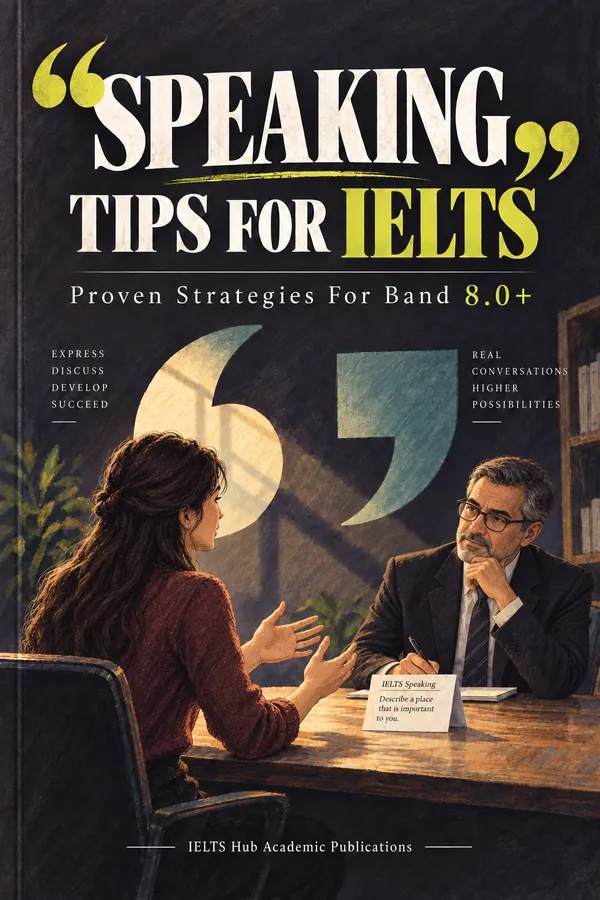
Speaking
Speaking Tips for IELTS
Proven Strategies for Band 8.0+
₹299$9.99CAD 13.99AUD 14.99£7.99NZD 16.99€8.99AED 39SGD 12.99
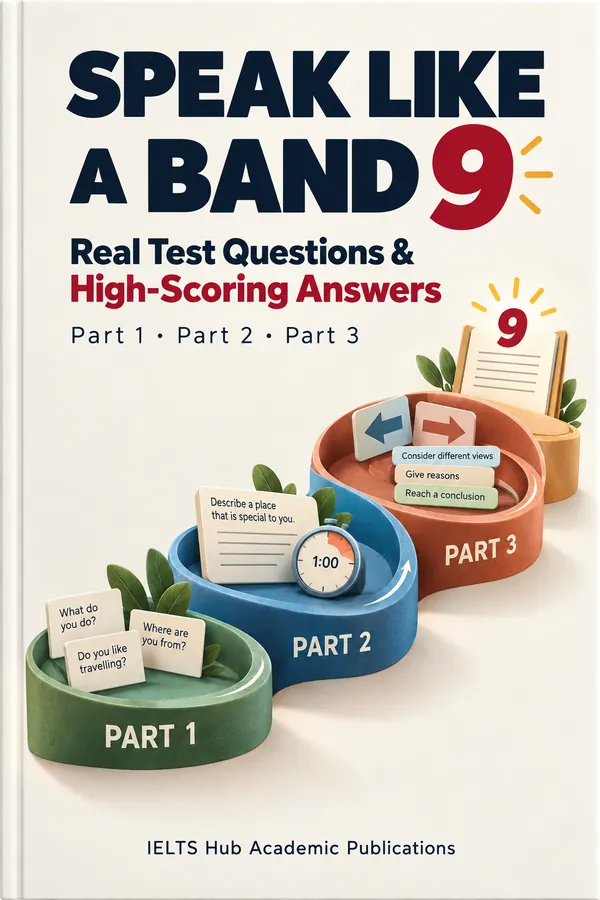
Speaking
Speak Like a Band 9
Real Test Questions & High-Scoring Answers
₹299$9.99CAD 13.99AUD 14.99£7.99NZD 16.99€8.99AED 39SGD 12.99

Speaking
Band 7+ Speaking Expressions
300 natural expressions for fluent, flexible speaking
₹199$6.99CAD 8.99AUD 9.99£4.99NZD 10.99€5.99AED 24SGD 8.99