Speaking test #071
Part 1 · Interview
4 to 5 minutes. The examiner asks about you and familiar topics.
Can you tell me your full name?
Where are you from?
Do you work or are you a student?
How often do you drink water?
Oh, I'm definitely a water person. I try to drink at least 8 cups a day to stay hydrated.
What kind of water do you like to drink?
I prefer to drink purified or spring water. I just find that it tastes fresher and cleaner.
Do you drink bottled water or water from water machines?
I tend to drink bottled water, but I also like to carry a reusable water bottle and fill it up from water machines or fountains when I'm out and about.
Do you like to play in water?
Absolutely! I love going swimming or playing water sports. It's such a fun and refreshing way to beat the heat.
Do you drive often?
Oh yeah, I'm a pretty frequent driver. I enjoy getting behind the wheel and hitting the open road. It's just something that comes naturally to me.
Do you want your children to drive in the future?
Absolutely. I think driving is an important skill to have and it gives you a sense of independence and freedom. Plus, it's convenient to be able to transport yourself wherever you need to go.
At what age are people allowed to drive a car in your country?
In my country, you can get your driver's license at the age of 18. I think that's a pretty reasonable age to start driving, as long as you have the proper training and education.
Do you think it's difficult to drive a car?
It can be, depending on the individual. Some people just seem to have a knack for it and pick it up quickly, while others may struggle a bit more. I think the key is to stay focused and stay safe on the road. As long as you do that, driving can be a breeze.
You will have to talk about the topic for one to two minutes. You have one minute to think about what you are going to say. You can make some notes to help you if you wish.
Describe an interesting place that you have visited as a tourist
You should say:
- Where is this place located?
- What makes this place interesting?
- What activities did you do there?
- How did you feel about your experience at this place?
Where is this place located?
I recently had the extraordinary opportunity to visit the mesmerizing city of Jaipur, located in the vibrant state of Rajasthan, India. Known as the 'Pink City' due to the color of its buildings, Jaipur is a captivating blend of rich history, stunning architecture, and vibrant culture. The city is famous for its magnificent palaces, historic forts, bustling bazaars, and warm hospitality, making it a must-visit destination for any traveler.
What makes this place interesting?
During my visit to Jaipur, I immersed myself in the city's royal past by exploring iconic landmarks such as the majestic Amber Fort, the intricate Hawa Mahal, and the opulent City Palace. I also indulged in the local cuisine, savoring traditional Rajasthani dishes like Dal Baati Churma and Ghewar. Moreover, I enjoyed shopping for colorful textiles, handmade jewelry, and traditional handicrafts in the bustling markets of Jaipur.
What activities did you do there?
One of the most memorable activities I experienced in Jaipur was witnessing a mesmerizing sunset at Nahargarh Fort, overlooking the sprawling cityscape bathed in golden hues. The panoramic views of Jaipur from the fort were simply breathtaking, creating a sense of peace and wonder. Additionally, I participated in a traditional Rajasthani folk dance performance and learned about the region's rich cultural heritage.
How did you feel about your experience at this place?
Overall, my experience in Jaipur was truly unforgettable and left me in awe of the city's beauty and charm. The warmth and hospitality of the locals, combined with the city's timeless architecture and vibrant culture, made me feel like I had stepped into a fairy tale. Jaipur not only enriched my understanding of India's diverse heritage but also left a lasting impression on my heart, sparking a desire to explore more of this incredible country in the future.
- Words
- 276
- Sentences
- 12
- Words per sentence
- 23.0
- Speaking time
- about 2.1 min
Counted at 130 words a minute. The exam gives you one to two minutes.
Part 3 · Discussion
4 to 5 minutes. The examiner asks broader questions linked to the cue card topic.
What is the difference between visiting historical sites and modern tourist spots?
Experiences at historical sites are often steeped in a sense of cultural heritage and nostalgia, which can be truly captivating. When you visit a place with a rich history, like the Colosseum in Rome or the Great Wall of China, you can't help but feel a connection to the past and the stories that unfolded there. In contrast, modern tourist attractions often focus on entertainment and immersive experiences, like theme parks or interactive museums, which can be exciting but might lack that deeper emotional resonance. While both types of attractions have their merits, historical sites tend to evoke a sense of reflection and appreciation for human achievement over time, whereas modern attractions are often designed to thrill and engage visitors in a more immediate way. Ultimately, it’s fascinating how these experiences can complement each other, allowing us to appreciate both the past and the present in unique ways.
Some people think that going to natural places is better than visiting cities. What do you think about this?
I absolutely see the appeal of visiting natural landscapes, and I would argue that they offer a unique kind of enrichment that urban areas often can't match. Being surrounded by breathtaking scenery can really help to clear the mind and put things into perspective. Nature has this incredible ability to evoke a sense of tranquility and awe, which is often hard to find in the hustle and bustle of city life. That said, urban areas have their own charm and vibrancy, with cultural experiences and diverse communities that can be equally enriching. Ultimately, I think it comes down to personal preference; some people thrive in the serenity of nature, while others find inspiration in the dynamic energy of a city.
How important do you think it is for people to travel and see different cultures?
I believe that traveling and experiencing different cultures is incredibly significant for individuals. It opens up a whole new world of perspectives, allowing people to broaden their horizons and gain a deeper understanding of global diversity. When you immerse yourself in a different culture, you not only learn about their traditions and customs but also develop a sense of empathy and appreciation for others’ ways of life. This kind of exposure can truly foster personal growth and inspire creativity, which is invaluable in today’s interconnected world. Ultimately, such experiences can even encourage individuals to embrace cultural differences, leading to a more harmonious society.
Why do you think some places become popular with tourists while others stay mostly unknown?
That's a fascinating question! I believe certain places become popular tourist destinations due to a combination of factors like natural beauty, cultural significance, and accessibility. For instance, iconic landmarks such as the Eiffel Tower or the Great Wall of China attract millions of visitors because they are steeped in history and offer breathtaking views. In contrast, lesser-known spots might lack the same level of promotion or infrastructure, making them less appealing to tourists. Additionally, the influence of social media cannot be underestimated; stunning images shared online can catapult a hidden gem into the limelight almost overnight, while other places might remain in obscurity simply due to a lack of exposure.
How could travel and tourism look different in the next ten years based on today's global trends?
The tourism landscape is poised for significant transformation over the next decade, largely driven by evolving global trends. With the increasing emphasis on sustainable travel, more travelers are likely to seek out eco-friendly destinations and experiences that minimize their environmental impact. Additionally, the rise of technological advancements—think virtual reality tours and AI-driven travel planning—will revolutionize how we explore new places, making travel more accessible and personalized than ever before. Moreover, as remote work becomes more prevalent, we might see a surge in digital nomadism, where people blend work and travel, spending extended periods in various locations. This could lead to a growing demand for long-term accommodations and local experiences, rather than the traditional short-stay hotel model. Ultimately, I believe these shifts will create a more diverse and dynamic tourism industry that caters to a wider range of preferences and lifestyles.
What steps can be taken to make sure tourism helps local communities?
To ensure that tourism positively impacts local communities, it’s essential to implement a variety of strategies. First and foremost, local governments can enforce regulations that promote sustainable tourism practices, ensuring that natural resources are preserved and that the environment is not harmed. Additionally, involving local residents in the decision-making process regarding tourism development can lead to more community-driven initiatives that reflect the needs and desires of the people living there. Moreover, providing training and resources for locals to start their own businesses can foster a sense of economic empowerment, allowing them to benefit directly from the influx of tourists. Lastly, promoting cultural exchange programs can enhance the appreciation of local customs and traditions, encouraging tourists to engage with the community in a respectful manner. Overall, it's all about striking a balance that benefits both visitors and the locals.
Go further with the books
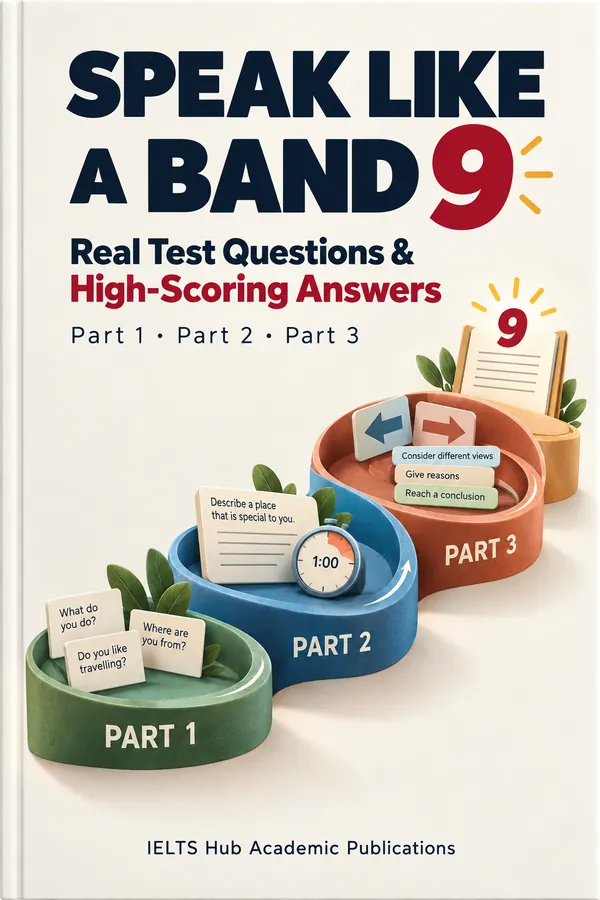
Speaking
Speak Like a Band 9
Real Test Questions & High-Scoring Answers
₹299$9.99CAD 13.99AUD 14.99£7.99NZD 16.99€8.99AED 39SGD 12.99
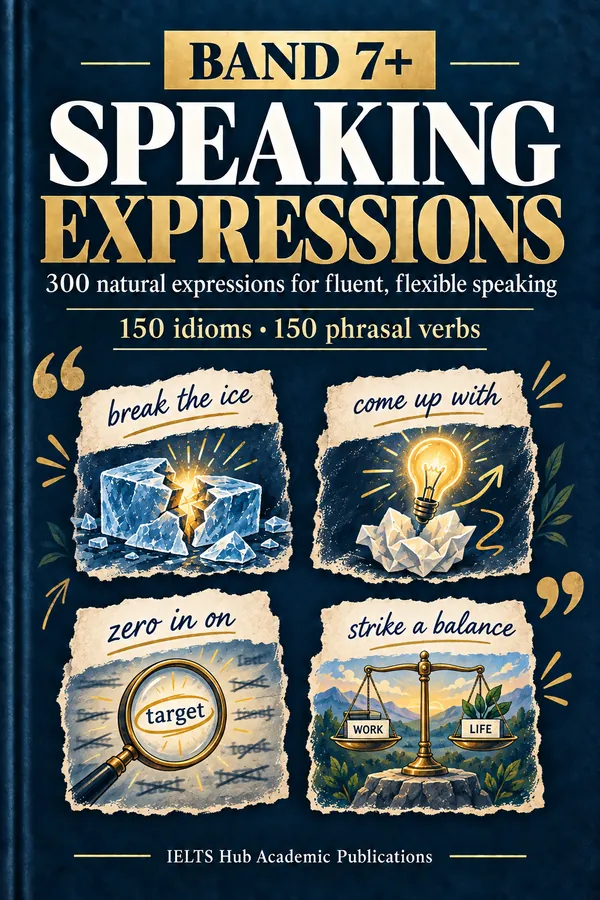
Speaking
Band 7+ Speaking Expressions
300 natural expressions for fluent, flexible speaking
₹199$6.99CAD 8.99AUD 9.99£4.99NZD 10.99€5.99AED 24SGD 8.99

Speaking
Speaking Tips for IELTS
Proven Strategies for Band 8.0+
₹299$9.99CAD 13.99AUD 14.99£7.99NZD 16.99€8.99AED 39SGD 12.99