Speaking test #073
Part 1 · Interview
4 to 5 minutes. The examiner asks about you and familiar topics.
Can you tell me your full name?
Where are you from?
Do you work or are you a student?
Do you have a pet?
? Oh yeah, I have a cat named Simba. He's a total diva, but I love him all the same.
What animal is most popular in your country?
? I'd say dogs are probably the most popular animal in my country. They're just so loyal and loving, and there are so many different breeds to choose from.
Why is it so special?
? I think dogs are special because they have a special bond with their owners. They're always there for you, no matter what, and they're always ready to cuddle and play. Plus, they're just so darn cute!
What animal do you dislike most? Why?
? Hmm, I'm not sure if I dislike any animal in particular. I guess if I had to choose, it would probably be snakes. They just seem so creepy and slimy to me, and I don't like the idea of them slithering around everywhere. But that's just my personal preference, I'm sure there are plenty of people out there who love snakes.
Would you like to work in a company related to environmental protection?
Absolutely, I have always been passionate about preserving our planet and ensuring that we are living in a sustainable way. Working for a company that has a strong focus on environmental protection would be incredibly fulfilling for me.
How can we protect the environment?
There are a variety of ways that we can all do our part to protect the environment. Simple actions such as reducing our use of plastic, conserving energy and water, and supporting sustainable practices in our daily lives can make a big difference. Additionally, supporting and advocating for government policies that protect the environment is crucial.
Do you think you've done enough to protect the environment?
I am always looking for ways to improve and do more to protect the environment, so I wouldn't say that I have done enough. However, I strive to make conscious choices that align with my values and believe that every little bit helps.
Is there education about environmental protection at school in your country?
Yes, environmental education is included in the curriculum in schools across my country. From a young age, students are taught about the importance of protecting our planet and the ways in which we can all play a role in preserving it. It's great to see such a emphasis placed on environmental education and the importance of sustainability.
You will have to talk about the topic for one to two minutes. You have one minute to think about what you are going to say. You can make some notes to help you if you wish.
Describe a time when you helped someone
You should say:
- Who you helped
- How you helped them
- Why you helped them
- How you felt about it
Who you helped
I vividly remember a time when I helped my neighbor, Mrs. Sharma, during a challenging situation. Mrs. Sharma, who is an elderly widow living alone, had injured her leg and was unable to go grocery shopping. I offered to help her by going to the market and getting all the essentials she needed. It was a small gesture, but it made a big difference in her daily life.
How you helped them
I decided to help Mrs. Sharma because I have always believed in the importance of supporting those in need, especially the elderly. Mrs. Sharma had always been kind and helpful to everyone in our neighborhood, and I felt it was my turn to reciprocate her kindness. Additionally, I understood the difficulties she faced living alone and not being able to move around easily due to her injury.
Why you helped them
Helping Mrs. Sharma brought me a profound sense of fulfillment and joy. Seeing the gratitude in her eyes when I delivered the groceries made me realize the impact a simple act of kindness can have on someone's life. It reinforced my belief in the power of compassion and reinforced the idea that even small gestures of help and support can make a significant difference in someone's life.
How you felt about it
Overall, the experience of helping Mrs. Sharma strengthened my resolve to always be there for others in need. It taught me the value of empathy and compassion in building a supportive community. I will always cherish the memory of helping Mrs. Sharma and hope to continue making a positive impact in the lives of those around me.
- Words
- 259
- Sentences
- 20
- Words per sentence
- 12.9
- Speaking time
- about 2.0 min
Counted at 130 words a minute. The exam gives you one to two minutes.
Part 3 · Discussion
4 to 5 minutes. The examiner asks broader questions linked to the cue card topic.
How can helping someone be different from giving support in other ways?
That's a fascinating question! Helping someone often involves taking direct action to address a specific need or problem, like lending a hand with a task or providing physical assistance. On the other hand, offering support can be more about being there emotionally or providing encouragement, without necessarily solving the issue at hand. For instance, you might listen to a friend who is going through a tough time, which is supportive but doesn't directly fix their situation. Ultimately, while both helping and supporting are valuable, they serve different purposes in our relationships and can create different kinds of impact in someone’s life.
Some people think it's our job to help others, while others feel it should be a choice. What do you think about this?
That's a fascinating question! I believe that helping others should be a blend of both duty and choice. On one hand, there's a strong argument for viewing it as a moral obligation—after all, we thrive in a society where mutual support is essential for community well-being. On the other hand, when assistance is voluntary, it often stems from a genuine desire to help, which can lead to more meaningful connections and outcomes. Ultimately, I think fostering a culture where helping others is seen as both an instinctive drive and a personal choice could create a more compassionate society. It’s about finding that balance between responsibility and heartfelt generosity!
How important do you think helping others is for creating strong communities?
I believe that the act of helping others is absolutely pivotal in building strong communities. When individuals come together to support one another, it fosters a sense of belonging and solidarity that is essential for social cohesion. Acts of kindness, whether big or small, create a ripple effect; when one person helps another, it often inspires them to pay it forward. This not only strengthens relationships but also cultivates an environment where people feel valued and empowered. Ultimately, a community thrives when its members are willing to lend a hand, creating a culture of mutual support and collaboration.
Why do you think some people are more willing to help others than others?
That's a fascinating question! I believe that a combination of upbringing, personal values, and even life experiences play a significant role in shaping a person's inclination to help others. For instance, individuals who were raised in nurturing environments where altruism was encouraged often carry those values into adulthood. Additionally, some people may have experienced challenging situations themselves, which can foster a strong sense of empathy and a desire to give back. Ultimately, I think it boils down to a unique blend of personality traits and circumstances that make some individuals more inclined to extend a helping hand.
What changes could happen in society if more people helped others often?
If more individuals actively engaged in helping others regularly, I believe we would witness a profound shift in societal dynamics. Firstly, there would likely be a noticeable increase in community cohesion, as people would forge deeper connections through shared acts of kindness. This could foster a culture of empathy, leading to a reduction in social isolation and loneliness, which are rampant in today’s fast-paced world. Moreover, regular engagement in altruistic activities could inspire a wave of volunteering, encouraging individuals to contribute their skills and time, ultimately enhancing the overall well-being of society. In essence, a more compassionate society would not only uplift those in need but also create a more harmonious environment for all.
What steps can be taken to get people to help those in need more often?
To encourage people to assist those in need more frequently, we could implement a few impactful measures. Firstly, raising awareness through community campaigns can really highlight the importance of helping others. When individuals see the positive impact their actions can have, they're more likely to get involved. Additionally, creating volunteering opportunities that are easily accessible and cater to different interests can make it more appealing for people to lend a hand. Lastly, recognizing and celebrating those who actively contribute to their communities can foster a culture of altruism, inspiring others to follow suit.
Go further with the books
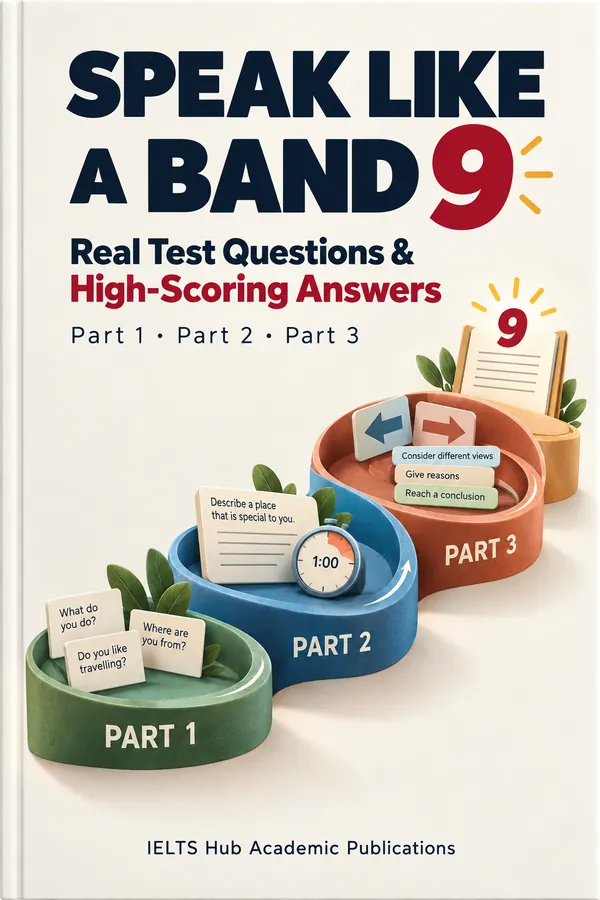
Speaking
Speak Like a Band 9
Real Test Questions & High-Scoring Answers
₹299$9.99CAD 13.99AUD 14.99£7.99NZD 16.99€8.99AED 39SGD 12.99
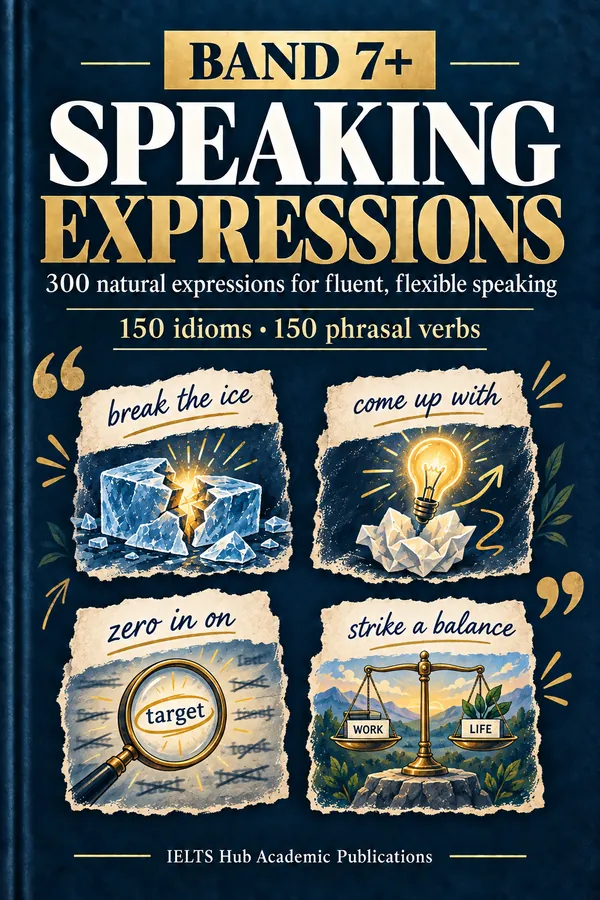
Speaking
Band 7+ Speaking Expressions
300 natural expressions for fluent, flexible speaking
₹199$6.99CAD 8.99AUD 9.99£4.99NZD 10.99€5.99AED 24SGD 8.99

Speaking
Speaking Tips for IELTS
Proven Strategies for Band 8.0+
₹299$9.99CAD 13.99AUD 14.99£7.99NZD 16.99€8.99AED 39SGD 12.99