Speaking test #074
Part 1 · Interview
4 to 5 minutes. The examiner asks about you and familiar topics.
Can you tell me your full name?
Where are you from?
Do you work or are you a student?
Do you prefer studying in the morning or in the afternoon?
I prefer studying in the morning. I find that my brain is freshest and most focused first thing in the day, and it helps me to get a lot done before the day gets too busy. Plus, starting my day with some productive studying helps me to feel accomplished and motivated to tackle the rest of my to-do list.
What do you usually do in the evening?
In the evening, I like to relax and unwind. Sometimes I'll read a book or watch a movie, other times I'll catch up with friends or family over the phone. If I'm feeling active, I might go for a run or do a workout. And of course, I always make sure to get a good night's sleep.
What did you do in the evening when you were little? Why?
When I was little, I used to spend my evenings playing with my siblings and friends. We would often have impromptu soccer games or bike rides around the neighborhood. We did this because we loved spending time outdoors and being active. It was a great way for us to burn off energy and have fun together.
Are there any differences between what you do in the evening now and what you did in the past?
The main difference between what I do in the evening now and what I did in the past is that I'm a lot more focused on self-care and relaxation. As an adult, I've learned the importance of taking time to unwind and de-stress after a long day. When I was a kid, I was more focused on having fun and being active, which is still important to me, but I now also make sure to take care of my mental and physical health in the evenings.
How often do you spend time with your family?
I spend a good amount of time with my family on a regular basis. We usually make it a point to have a family dinner together at least once a week, and we also make sure to schedule other activities, such as trips or outings, on a regular basis as well.
How do you spend time with your family?
We spend time with each other in a variety of ways. We'll often go out for a meal together, either at a restaurant or for a picnic in the park. We also enjoy doing activities together, such as going to the movies, taking a trip to the beach, or going on a hike. We also like to spend time at home together, playing games or watching movies.
Do you want to live with your family in the future?
I wouldn't mind living with my family in the future, as long as everyone is on the same page. It's always nice to have the support and companionship of loved ones, especially as you grow older. However, I also value my independence and may choose to live on my own as well.
How has your family influenced you?
My family has had a significant impact on shaping me into the person I am today. They have always been supportive of my goals and aspirations, and have encouraged me to chase my dreams. Additionally, they have instilled strong values in me, such as the importance of hard work, honesty, and kindness. I am forever grateful for their guidance and love.
You will have to talk about the topic for one to two minutes. You have one minute to think about what you are going to say. You can make some notes to help you if you wish.
Describe a thing you possess which is important to you
You should say:
- What is the possession
- How you acquired it
- Why it is important to you
- How you use or interact with it
What is the possession
I would like to talk about my grandmother's heirloom necklace, which is a possession that holds immense significance for me. This necklace was passed down to me by my grandmother on my 18th birthday as a symbol of our family's legacy and traditions.
How you acquired it
The necklace is important to me for several reasons. Firstly, it serves as a tangible connection to my grandmother, who played a pivotal role in shaping my values and beliefs. Whenever I wear the necklace, I feel her presence and guidance, which gives me strength and comfort in challenging times. Secondly, the necklace represents our family's history and heritage, reminding me of the sacrifices made by previous generations to provide us with a better future.
Why it is important to you
I wear the necklace on special occasions such as family gatherings, festivals, and important ceremonies. Each time I put it on, I am reminded of the love, strength, and resilience that run through our family lineage. Moreover, I often find myself tracing the intricate design of the necklace with my fingers, feeling a sense of connection to my roots and a deep appreciation for my family's legacy.
How you use or interact with it
In conclusion, my grandmother's heirloom necklace is not just a piece of jewelry to me; it is a treasure trove of memories, values, and emotions. Its significance goes beyond material worth, serving as a constant reminder of my roots and the strong bonds that tie me to my family's past, present, and future.
- Words
- 238
- Sentences
- 11
- Words per sentence
- 21.6
- Speaking time
- about 1.8 min
Counted at 130 words a minute. The exam gives you one to two minutes.
Part 3 · Discussion
4 to 5 minutes. The examiner asks broader questions linked to the cue card topic.
How do the emotional meanings of things compare to their money value?
That's a fascinating question! The sentimental value of possessions often transcends their monetary worth; it’s about the emotions and memories attached to them. For instance, a simple piece of jewelry passed down through generations can hold immense emotional significance, making it priceless in the eyes of the owner, even if its market value is low. In contrast, something that is purely expensive, like a luxury handbag, might not evoke any personal connection at all. Ultimately, these contrasting values highlight how deeply personal experiences can shape our perceptions of worth, turning ordinary items into cherished treasures.
Why do people have different opinions about how important material things are?
People often hold different views about the importance of material items due to a variety of factors, including cultural backgrounds, personal experiences, and even socioeconomic status. For instance, in some cultures, material possessions are seen as a symbol of success and achievement, while in others, they might be viewed as superficial or unimportant. Additionally, people who have faced financial hardships may place a higher value on practical items that can improve their daily lives, while those who are more affluent might prioritize luxury goods as a form of self-expression. Ultimately, these differing perspectives can lead to rich discussions about what truly defines value in our lives, allowing individuals to reflect on their own priorities and beliefs. It's fascinating how our backgrounds and experiences shape our views on such a seemingly straightforward topic!
How can a personal item affect how someone sees themselves or their identity?
Personal items can have a profound impact on our identity and self-image, often serving as tangible representations of who we are. For instance, a cherished piece of jewelry might evoke memories of significant life events, thereby reinforcing our sense of self and personal history. Similarly, clothing items, like a favorite jacket or a pair of shoes, can reflect our style and personality, allowing us to express ourselves in a way that feels authentic. Additionally, personal items can also serve as status symbols in society, influencing how we perceive ourselves and how others perceive us. For example, owning a luxury watch might elevate one’s self-esteem, leading to a more confident demeanor. In essence, the items we choose to surround ourselves with can shape not only our self-image but also how we navigate our social environments.
Why do you think people often give special feelings to some of their things?
People often attach emotional significance to certain belongings because these items can serve as tangible reminders of meaningful experiences or relationships. For instance, a piece of jewelry handed down through generations might evoke feelings of nostalgia and connection to family history. Additionally, belongings can embody personal milestones, such as a graduation cap representing years of hard work and achievement. This emotional attachment is not just about the physical object itself, but rather about the memories and stories that are intertwined with it, creating a sense of identity and continuity in our lives. Ultimately, these possessions can become sentimental anchors, grounding us in our past while enriching our present.
How can the importance of personal belongings change as time goes by?
The significance of personal possessions can shift dramatically as we navigate through different stages of life. For instance, a childhood toy might be a source of immense joy and comfort, but as we grow older, that same toy may become a mere relic of our past. Moreover, possessions often take on new meanings during significant life events, such as a wedding ring symbolizing love and commitment or a family heirloom embodying deep-rooted traditions. Additionally, as values change—perhaps due to experiences or cultural influences—what once held great importance can become less relevant, leading us to declutter and reassess our priorities. Ultimately, our relationship with our belongings is dynamic and reflective of our personal growth and evolving perspectives.
What steps can people take to make sure their valued belongings last for the future?
To ensure that cherished items are preserved for the future, individuals can take several practical measures. First and foremost, proper storage conditions are crucial; items should be kept in a controlled environment, away from extreme temperatures and humidity. Additionally, using protective materials, such as acid-free boxes or archival-quality wrapping, can significantly minimize the risk of damage. It's also wise to document the item's history and significance, as this can enhance its value and provide a sense of context for future generations. Lastly, sharing stories about these items with family members can help instill a sense of appreciation and responsibility, ensuring that they are valued and cared for as time goes on.
Go further with the books
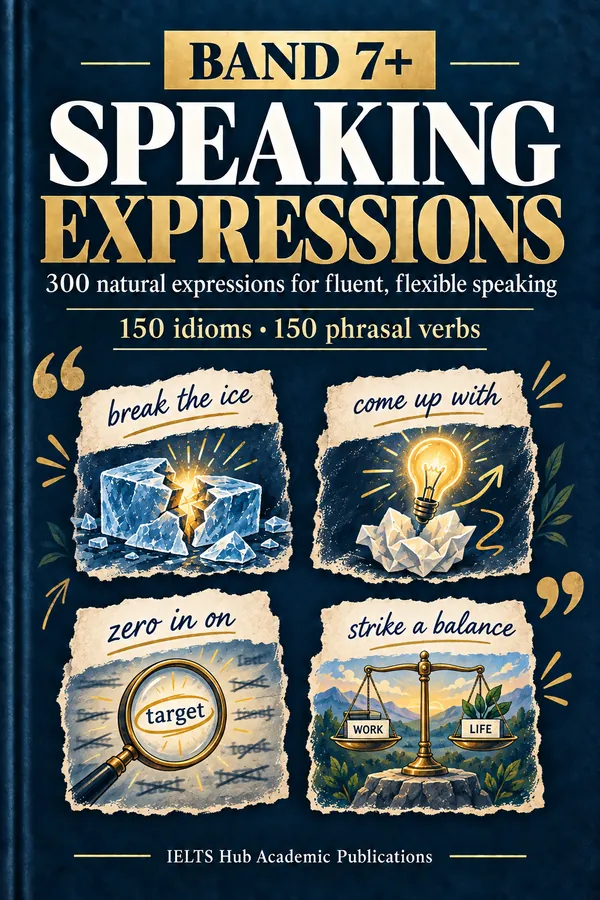
Speaking
Band 7+ Speaking Expressions
300 natural expressions for fluent, flexible speaking
₹199$6.99CAD 8.99AUD 9.99£4.99NZD 10.99€5.99AED 24SGD 8.99
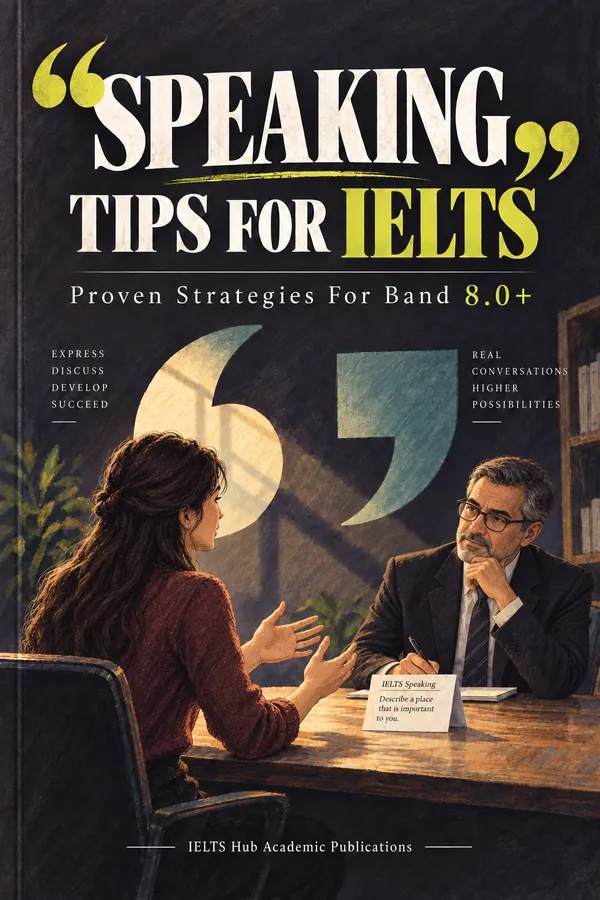
Speaking
Speaking Tips for IELTS
Proven Strategies for Band 8.0+
₹299$9.99CAD 13.99AUD 14.99£7.99NZD 16.99€8.99AED 39SGD 12.99
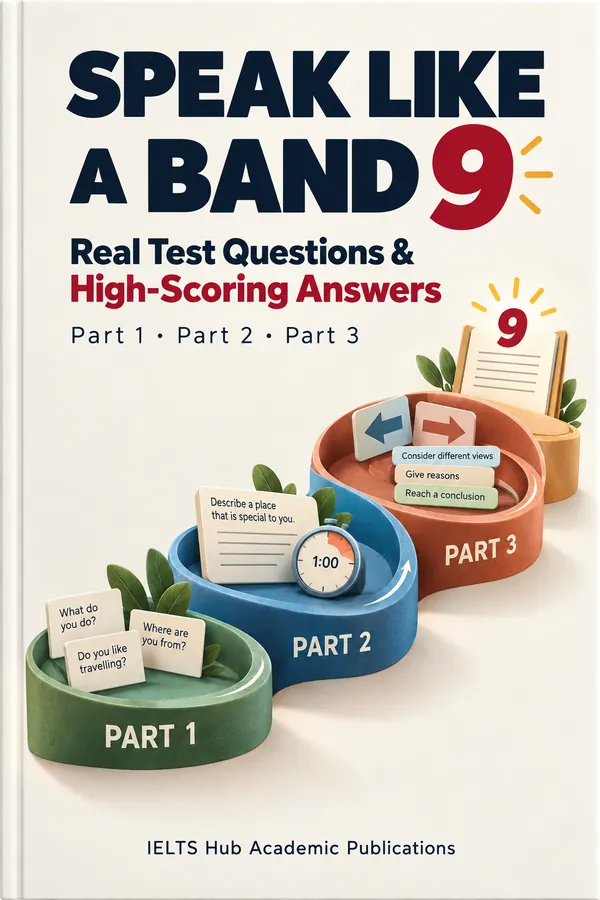
Speaking
Speak Like a Band 9
Real Test Questions & High-Scoring Answers
₹299$9.99CAD 13.99AUD 14.99£7.99NZD 16.99€8.99AED 39SGD 12.99