Speaking test #079
Part 1 · Interview
4 to 5 minutes. The examiner asks about you and familiar topics.
Can you tell me your full name?
Where are you from?
Do you work or are you a student?
What kinds of things do you have to bring when you go out?
Oh, well, it really depends on where I'm going and what I'll be doing. But generally speaking, I always make sure to have my phone, wallet, and keys with me. If I'm heading to work or school, I'll also grab my laptop or notebook. And if I'm going out for a day trip or something, I'll pack a water bottle and snacks.
Did you ever forget to bring something?
Yeah, absolutely. I'm definitely guilty of being forgetful sometimes. I've forgotten my phone or my keys at home before, and it's always a hassle to have to go back and get them. I've also forgotten my headphones or charger when I'm traveling, which can be a bit of a bummer.
How do you remind yourself?
I usually make a checklist of things that I need to bring with me before I leave the house. I'll put it on my phone or on a piece of paper, and I'll go through it before I head out the door. That way, I can make sure that I have everything I need before I leave.
Do you carry different things in the morning and the evening?
Not really. The things I need to bring with me are pretty consistent, no matter what time of day it is. Of course, if I'm going out for a night out or something, I might grab a different bag or bring a jacket, but for the most part, the essentials stay the same.
Do you have many close friends?
Absolutely, I'm quite blessed to have a pretty tight-knit group of buddies that I hold dear to my heart.
What do you usually do with your friends?
We're pretty adventurous and love to explore new places, whether it be a hike up a mountain or trying out a new restaurant in town. But we also enjoy some good old-fashioned hangouts at home, like movie nights or game nights.
Are you still friends with your friends from primary school?
Interestingly enough, I am still in touch with a handful of folks from my primary school days. It's always a blast catching up with them and reminiscing about old times.
Do you like chatting with your friends online?
Absolutely, I think the internet has made it so much easier to keep in touch with people, even if they're oceans away. It's great to have the ability to pop in and chat with friends anytime, anywhere.
You will have to talk about the topic for one to two minutes. You have one minute to think about what you are going to say. You can make some notes to help you if you wish.
A place where you would like to have a home
You should say:
- Describe the location of the place
- Explain why you would like to have a home there
- Discuss the type of home you envision for this place
- Share how living in this place would impact your life
Describe the location of the place
I would love to have a home in the serene and picturesque hill station of Manali in India. Nestled in the northern state of Himachal Pradesh, Manali is surrounded by snow-capped mountains, lush valleys, and glistening rivers. The stunning natural beauty of this place is truly mesmerizing, making it an ideal location for a peaceful and rejuvenating lifestyle.
Explain why you would like to have a home there
The reason I would like to have a home in Manali is to escape the hustle and bustle of city life and immerse myself in the tranquility of nature. The fresh mountain air, the enchanting views, and the peaceful ambiance offer a perfect retreat from the stresses of daily life. Moreover, the slow-paced lifestyle of Manali would allow me to connect with nature and focus on personal well-being.
Discuss the type of home you envision for this place
In terms of the type of home I envision for this place, I imagine a cozy wooden cottage nestled amidst pine forests with large windows offering panoramic views of the surrounding mountains. The simplicity and warmth of a traditional mountain cottage would perfectly complement the natural beauty of Manali, creating a harmonious living space.
Share how living in this place would impact your life
Living in Manali would have a profound impact on my life. It would provide me with a peaceful environment to relax, unwind, and rejuvenate my mind, body, and soul. Being close to nature would inspire me creatively and spiritually, enabling me to lead a more balanced and fulfilling life. Overall, having a home in Manali would be a dream come true, offering me a sanctuary of peace and serenity amidst the majestic Himalayas.
- Words
- 253
- Sentences
- 12
- Words per sentence
- 21.1
- Speaking time
- about 1.9 min
Counted at 130 words a minute. The exam gives you one to two minutes.
Part 3 · Discussion
4 to 5 minutes. The examiner asks broader questions linked to the cue card topic.
What are the differences in living environment choices between city and countryside areas?
The preferences for living environments can vary significantly between urban and rural areas, primarily due to lifestyle choices and individual values. In urban settings, people often gravitate towards the hustle and bustle of city life, where they can enjoy vibrant cultural experiences and convenient access to amenities like restaurants, shops, and entertainment. On the other hand, those who prefer rural living often seek tranquility and open space, valuing the close-knit community feel and the opportunity to connect with nature. Moreover, urban dwellers might prioritize career opportunities and a dynamic social scene, while rural residents might cherish a slower pace of life and the chance to raise families in a less hectic environment. Ultimately, it all boils down to personal priorities—some thrive in the fast-paced urban landscape, while others find their happiness in the serene surroundings of the countryside.
Why do some people feel more comfortable in certain places than in others?
There are several reasons why people might feel more at home in certain locations. For many, it often boils down to familiarity; places where individuals have spent significant time tend to evoke a sense of comfort and belonging. Additionally, cultural factors play a crucial role—being surrounded by similar values and traditions can make someone feel more connected to a place. Moreover, personal experiences, such as positive memories tied to a location, can create an emotional attachment that enhances one's sense of belonging. Lastly, the community aspect cannot be overlooked; a supportive network of friends and family can truly make a place feel like home. Overall, it's a blend of emotional, cultural, and social elements that contribute to this profound sense of attachment.
How can the surroundings of a place affect a person's happiness and well-being?
The environment of a place plays a crucial role in shaping a person's overall happiness and well-being. For instance, natural surroundings, such as lush green parks or tranquil beaches, can foster a sense of peace and relaxation, which directly contributes to mental well-being. Conversely, a polluted urban setting filled with noise and congestion can lead to feelings of stress and anxiety. Additionally, a community with strong social connections can provide emotional support, enhancing one's sense of belonging and contentment. Ultimately, the interplay between our surroundings and our emotional state is profound, making it essential to cultivate environments that promote positivity and health.
Why do you think some people prefer to live close to nature?
Many individuals prioritize proximity to nature when selecting a place to live because it significantly enhances their overall quality of life. Being close to natural surroundings often provides individuals with a sense of peace and tranquility, which can be a much-needed escape from the hustle and bustle of urban life. Furthermore, living near nature encourages a more active lifestyle, as it offers easy access to outdoor activities like hiking, biking, or simply taking leisurely walks. Additionally, studies have shown that being in green spaces can have a profound impact on mental health, reducing stress and promoting a sense of well-being. Ultimately, for many, the allure of nature is not just about aesthetics; it’s about fostering a healthier, more balanced lifestyle.
What changes could we see in what people want in homes over the next ten years?
It's fascinating to consider how housing preferences might evolve over the next decade! With the rise of remote work, I believe we'll see a significant shift towards more spacious homes, possibly in suburban or rural areas, as people prioritize quality of life over proximity to urban centers. Additionally, there's a growing awareness of sustainability, which could lead to an increased demand for eco-friendly homes equipped with energy-efficient technologies. Moreover, as technology continues to advance, we might see a surge in smart homes that enhance convenience and security. People are also becoming more attuned to community living, so we could witness a rise in co-housing or multi-generational homes where families live together, fostering a sense of belonging. Overall, these trends reflect broader societal changes and priorities, making the future of housing an exciting topic to explore!
What steps can be taken to make cities more inviting for people looking for a sense of community?
To enhance the appeal of urban areas for residents looking for a sense of community, a multifaceted approach is essential. Firstly, creating more green spaces like parks and community gardens can encourage social interactions and provide a refreshing escape from the hustle and bustle of city life. Additionally, organizing regular community events, such as farmers' markets or cultural festivals, fosters a sense of belonging and allows people to connect over shared interests. Moreover, investing in public transportation can facilitate easier access to these communal spaces, making it convenient for residents to engage with one another. Lastly, promoting mixed-use developments that combine residential, commercial, and recreational facilities can cultivate a vibrant neighborhood atmosphere where people are more likely to meet and form relationships. All of these strategies could significantly enhance the sense of community in urban settings.
Go further with the books
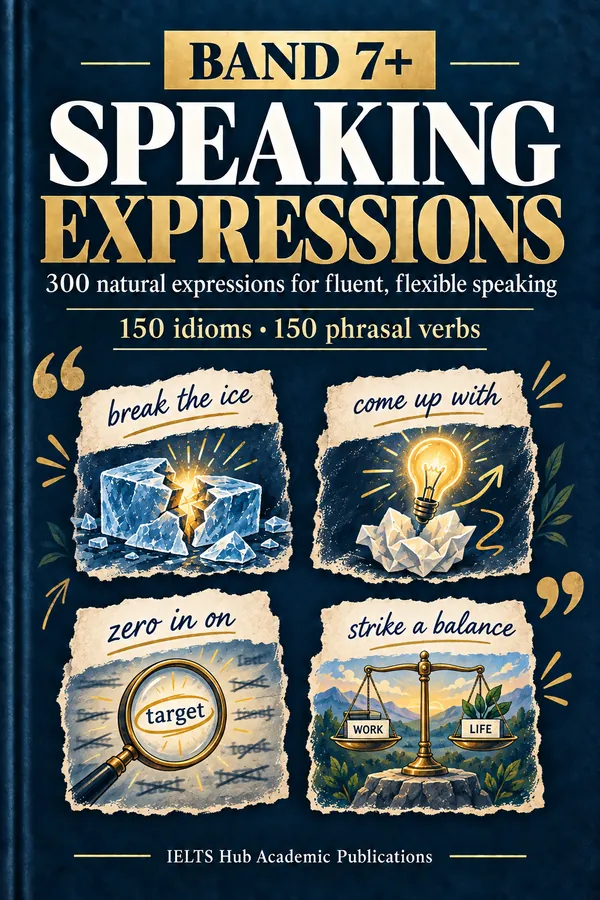
Speaking
Band 7+ Speaking Expressions
300 natural expressions for fluent, flexible speaking
₹199$6.99CAD 8.99AUD 9.99£4.99NZD 10.99€5.99AED 24SGD 8.99
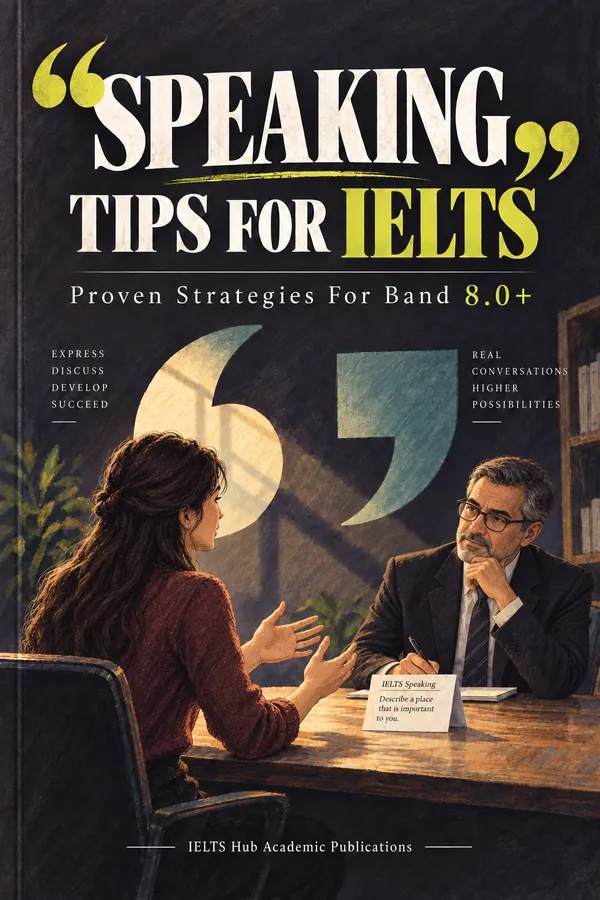
Speaking
Speaking Tips for IELTS
Proven Strategies for Band 8.0+
₹299$9.99CAD 13.99AUD 14.99£7.99NZD 16.99€8.99AED 39SGD 12.99
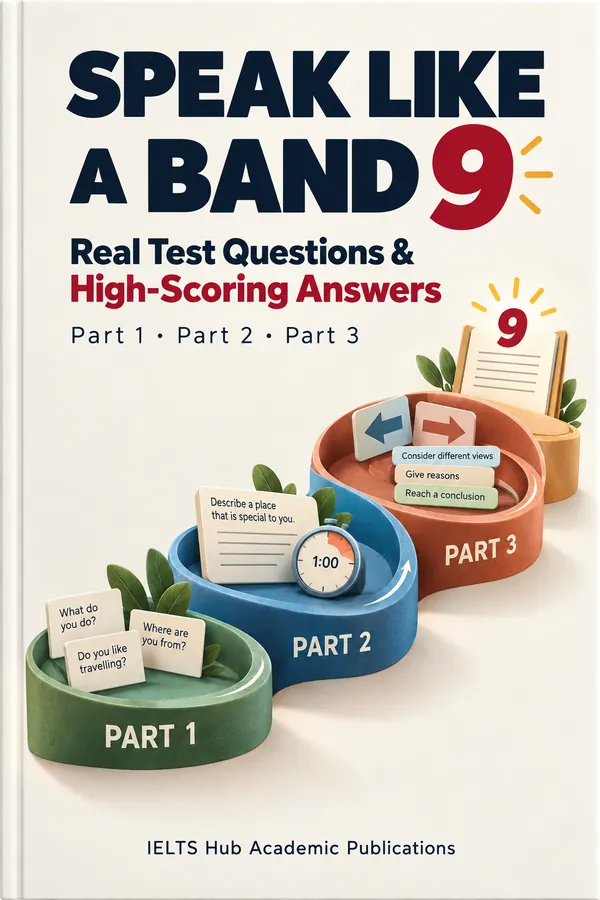
Speaking
Speak Like a Band 9
Real Test Questions & High-Scoring Answers
₹299$9.99CAD 13.99AUD 14.99£7.99NZD 16.99€8.99AED 39SGD 12.99