Speaking test #081
Part 1 · Interview
4 to 5 minutes. The examiner asks about you and familiar topics.
Can you tell me your full name?
Where are you from?
Do you work or are you a student?
What job would you like to have ten years from now?
I would like to have a senior management position in a multinational corporation, ideally in the field of sustainability and corporate social responsibility. I have always been passionate about making a positive impact on the environment and society, and I believe that this role would allow me to do so on a global scale.
How useful will English be for your future?
English is going to be extremely useful for my future, as it is considered to be the global language of business and commerce. As I aspire to work in a multinational corporation, being fluent in English will be a huge asset in terms of communicating with colleagues and clients from all over the world. Additionally, English is also widely spoken in many countries, which will facilitate my ability to travel and work abroad.
How much travelling do you hope to do in the future?
I hope to do a significant amount of travelling in the future, both for personal and professional reasons. I believe that travelling is a great way to gain new perspectives, learn about different cultures, and expand one's horizons. I also see travelling as an opportunity to network and establish connections with people from all over the world.
How do you think your life will change in the future?
I think that my life will change significantly in the future, as I will hopefully be achieving many of my career and personal goals. I anticipate that I will have more financial stability and independence, as well as greater opportunities to travel and experience different cultures. Additionally, I believe that I will have a greater sense of purpose and fulfillment, as I will be doing work that I am truly passionate about. Overall, I am excited about the potential changes that the future holds.
What games are popular in your country?
In my country, there are a variety of popular games that are enjoyed by people of all ages. Some of the most popular games include football, cricket, and badminton. These games are popular because they are easy to learn and can be played by people of all skill levels. Additionally, they are also widely televised and many people like to watch professional games as well as participate in amateur leagues.
Do you play any games?
Yes, I am quite fond of playing games and try to make time for it as often as possible. I play a variety of games such as football, badminton, and chess. I find that playing games is a great way to spend time with friends and family, and it also helps me stay active and maintain good health.
How do people learn to play games in your country?
In my country, there are a number of ways that people can learn to play games. Many children learn to play games through physical education classes in school. Additionally, there are many clubs and organizations that offer lessons and training for a variety of different games. For example, football clubs often have youth teams that teach children how to play the game. Additionally, many people also learn to play games through playing with friends and family.
Do you think it's important for people to play games?
I absolutely believe that it is important for people to play games. Games provide a great opportunity for people to bond and connect with one another, as well as providing a way for people to stay active and maintain good health. Additionally, games can also be great for mental health, as they can provide an opportunity for people to relax and de-stress. Overall, games provide a lot of benefits and can be an important part of a well-rounded and balanced lifestyle.
You will have to talk about the topic for one to two minutes. You have one minute to think about what you are going to say. You can make some notes to help you if you wish.
Item you would buy if you receive a large amount of money
You should say:
- What item would you buy
- Why do you want to buy this particular item
- How would this item benefit you
- Would you share your wealth with others or keep it to yourself
What item would you buy
If I were to receive a large sum of money, I would choose to invest in a spacious and eco-friendly house nestled amidst nature. The reason for this choice is rooted in my deep appreciation for the environment and my desire to live a sustainable lifestyle. I believe that having a green home would not only benefit me personally but also contribute positively to the planet.
Why do you want to buy this particular item
Purchasing an eco-friendly house would align with my values of environmental conservation and sustainability. I envision a home equipped with solar panels, rainwater harvesting systems, and energy-efficient appliances to reduce carbon footprint. Living in such a house would not only lower my ecological impact but also inspire others to adopt similar green practices.
How would this item benefit you
The benefits of owning an eco-friendly house are manifold. Apart from the satisfaction of living in harmony with nature, such a dwelling would lead to significant cost savings in the long run due to reduced energy consumption. Moreover, the tranquility and fresh air of a natural setting would enhance my overall well-being and quality of life.
Would you share your wealth with others or keep it to yourself
In terms of sharing my wealth, I believe in the importance of giving back to society. While I would prioritize securing my future and that of my loved ones with the money, I would also allocate a portion towards charitable causes and environmental initiatives. Sharing my wealth with others, especially those in need, brings me a sense of fulfillment and purpose beyond material possessions.
- Words
- 239
- Sentences
- 12
- Words per sentence
- 19.9
- Speaking time
- about 1.8 min
Counted at 130 words a minute. The exam gives you one to two minutes.
Part 3 · Discussion
4 to 5 minutes. The examiner asks broader questions linked to the cue card topic.
How can the spending decisions people make with a lot of money vary between different age groups?
That's a fascinating question! I think the choices people make with a large sum of money can vary significantly across generations due to differing values and life experiences. For instance, older generations might prioritize financial security by investing in property or saving for retirement, reflecting a more conservative approach shaped by economic instability in their youth. In contrast, younger generations often tend to be more adventurous, opting to spend on experiences like travel or investing in technology and startups, as they place a higher value on personal fulfillment and innovation. Additionally, the rise of social media has influenced the younger generation to consider how their spending choices can reflect their identity and lifestyle. Overall, these generational differences highlight how societal changes shape our perceptions of money and its role in our lives.
What do people think about whether buying luxury items is worth the money?
The debate around spending money on luxury items is quite fascinating. On one hand, some people believe that indulging in luxurious goods is a form of self-reward or a way to celebrate personal achievements. After all, if you’ve worked hard and saved, why not treat yourself? On the flip side, others argue that such expenditures can be seen as superficial or even wasteful, especially when there are pressing social issues that need addressing. Ultimately, it often comes down to individual values and priorities; what might be justified for one person could seem extravagant to another. I think finding a balance is key—enjoying luxury while also being mindful of broader societal responsibilities.
How can buying expensive things affect a person's money situation in the future?
Purchasing high-value items can significantly influence an individual's financial future in several ways. Firstly, such investments often require a substantial outlay of cash, which can strain a person's budget and lead to financial instability if not managed wisely. On the other hand, if these items appreciate in value, like art or real estate, they can become valuable assets that contribute positively to one's net worth. Moreover, acquiring high-value items can also foster a mindset of financial discipline, encouraging individuals to save and invest more prudently in the long run. Ultimately, the key lies in making informed decisions, as the impact can swing dramatically between enhancing financial security or leading to potential debt.
Why do you think some people value things more than experiences when they get money?
That's a fascinating question! I believe a lot of it boils down to societal expectations and the way we perceive success. For many, acquiring material possessions is often seen as a tangible way to showcase their newfound wealth, almost like a status symbol. Experiences, while enriching and often more fulfilling in the long run, can be less visible and harder to quantify in terms of social standing. Additionally, some people might feel a sense of security in owning things, believing that possessions can provide comfort and stability. Ultimately, it’s a complex interplay of values and personal beliefs that drives this prioritization.
How might people's buying habits change if they could easily get a lot of money?
That's a fascinating question! If people had easier access to large amounts of money, I believe we would see a significant shift in consumer behavior. For one, there would likely be a surge in impulse buying, as individuals might feel more inclined to make spontaneous purchases without the usual financial constraints. Additionally, we could see a rise in luxury spending, with consumers indulging in high-end products or experiences that they previously considered out of reach. Moreover, access to more money might also lead to an increase in financial risk-taking, as people might invest in stocks, cryptocurrencies, or even start their own businesses, believing they have a safety net. However, it's also possible that some individuals could fall into a cycle of overconsumption, leading to financial instability when the money runs out. Overall, the impact would likely be a mixed bag, with both positive and negative consequences for consumer habits.
What steps can be taken to encourage better spending habits in people who suddenly come into money?
To promote more responsible spending habits among individuals who suddenly acquire wealth, a multi-faceted approach could be quite effective. Firstly, offering financial literacy programs can equip them with the necessary knowledge to make informed choices about budgeting and investments. Additionally, engaging them in mentorship schemes where they can learn from those who have successfully managed their wealth might inspire more prudent habits. Moreover, implementing a mandatory cooling-off period before making significant purchases could encourage reflection and prevent impulsive decisions. Finally, fostering a culture of sustainable spending through community initiatives can help individuals understand the long-term implications of their financial choices. By combining education, support, and community engagement, we can help them navigate their newfound wealth responsibly.
Go further with the books
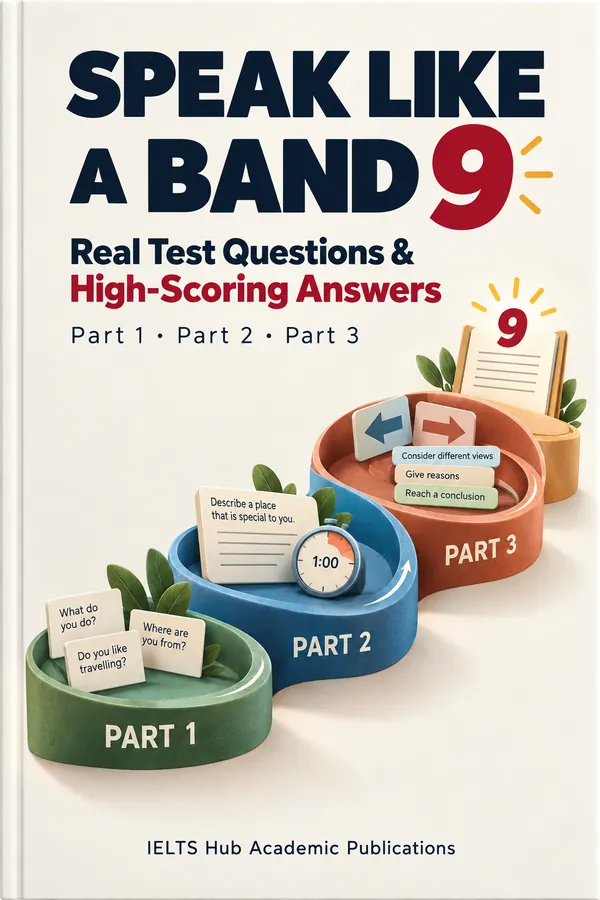
Speaking
Speak Like a Band 9
Real Test Questions & High-Scoring Answers
₹299$9.99CAD 13.99AUD 14.99£7.99NZD 16.99€8.99AED 39SGD 12.99

Speaking
Band 7+ Speaking Expressions
300 natural expressions for fluent, flexible speaking
₹199$6.99CAD 8.99AUD 9.99£4.99NZD 10.99€5.99AED 24SGD 8.99
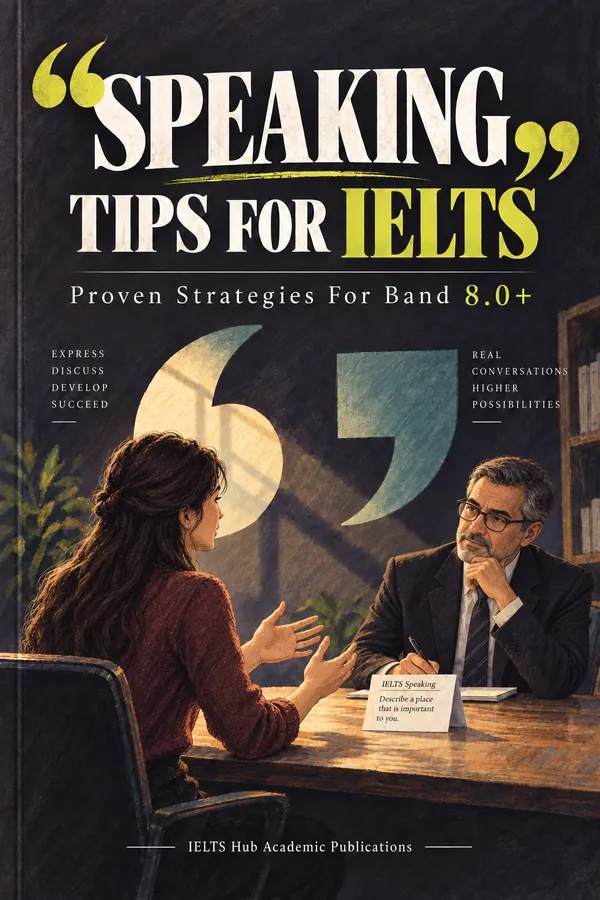
Speaking
Speaking Tips for IELTS
Proven Strategies for Band 8.0+
₹299$9.99CAD 13.99AUD 14.99£7.99NZD 16.99€8.99AED 39SGD 12.99