Speaking test #086
Part 1 · Interview
4 to 5 minutes. The examiner asks about you and familiar topics.
Can you tell me your full name?
Where are you from?
Do you work or are you a student?
You will have to talk about the topic for one to two minutes. You have one minute to think about what you are going to say. You can make some notes to help you if you wish.
Describe an experience when you lost something
You should say:
- What you lost
- Where you think you lost it
- How you searched for it
- How you felt when you found it or couldn't find it
What you lost
Losing my mobile phone was a distressing experience that I vividly remember. It was a busy weekday morning when I realized that my phone was missing. The panic set in as I retraced my steps to figure out where I might have left it. I vividly recall using it in the cafeteria during breakfast, so that's where I rushed to first.
Where you think you lost it
Frantically searching through the tables and chairs, my heart sank as I couldn't spot my phone anywhere. I checked with the staff, but no one had seen it. The thought of losing all my contacts, photos, and important information was overwhelming. I then remembered having a call in the library after breakfast, so I hurried there in hope.
How you searched for it
Despite my thorough search in the library, there was no sign of my phone. Desperation started to kick in, and I could feel the anxiety building up. I retraced my steps once again, this time back to my hostel room. As I entered the room, there it was, lying on my study desk where I had left it earlier. A wave of relief washed over me as I found my phone safe and sound.
How you felt when you found it or couldn't find it
The mix of emotions I felt during this ordeal was intense. From the initial panic and worry to the eventual relief and gratitude, the experience taught me the value of being more mindful and organized. Losing something as essential as my phone made me realize the importance of keeping track of my belongings and being more careful in the future.
- Words
- 253
- Sentences
- 16
- Words per sentence
- 15.8
- Speaking time
- about 1.9 min
Counted at 130 words a minute. The exam gives you one to two minutes.
Part 3 · Discussion
4 to 5 minutes. The examiner asks broader questions linked to the cue card topic.
How do the emotions of losing something differ between physical things and items with special meaning?
The feelings associated with losing material possessions versus sentimental items can differ significantly. When we lose a material possession, like a gadget or a piece of clothing, the reaction is often more pragmatic; we might feel frustrated or disappointed, but there's usually a sense that we can simply replace it. On the other hand, losing a sentimental item, such as a family heirloom or a cherished gift, can evoke a much deeper sense of loss. This is because these items are tied to our memories and emotions, often representing irreplaceable moments in our lives. The emotional impact can be profound, leading to feelings of nostalgia and sadness that linger long after the loss. Ultimately, while both types of loss can be distressing, the emotional weight of losing something with sentimental value tends to be far greater.
How can people feel better after losing something important?
Finding comfort after a significant loss is a deeply personal journey, and there are various ways individuals can navigate through their grief. One effective method is to surround themselves with supportive people, as sharing feelings with friends or family can provide much-needed solace. Engaging in creative expression, like writing or painting, can also be a therapeutic outlet, allowing individuals to process their emotions in a constructive way. Additionally, many find solace in mindfulness practices, such as meditation or yoga, which can help ground them and foster a sense of peace amidst turmoil. Ultimately, it’s about discovering what resonates personally and embracing those activities that promote healing and recovery.
How does being attached to things affect how we feel when we lose them?
Attachment to items can have a profound emotional impact when we lose them. Many of us develop strong connections to possessions, whether it’s a childhood toy, a family heirloom, or even a piece of clothing. These items often carry sentimental value and remind us of cherished memories or significant moments in our lives. Losing such items can evoke feelings of grief or nostalgia, as they symbolize not just the object itself but also the experiences and relationships associated with them. This attachment can sometimes lead to a sense of identity; when we lose something that represents a part of who we are, it can feel like a piece of ourselves is gone. Ultimately, the emotional weight of losing an item reflects the deep connections we forge with the tangible aspects of our lives.
Why do you think people often feel sorry after losing something important?
I believe the feeling of regret after losing something valuable stems from our innate attachment to those things, whether they are material possessions, relationships, or opportunities. When we invest time, energy, and emotion into something, it becomes a part of our identity, and its loss can feel like a void in our lives. Moreover, regret often arises from the hindsight that comes after the loss; we start to think about all the things we could have done differently to preserve what we had. This reflection can lead to a deeper understanding of our priorities and values, but it can also be quite painful, as we grapple with the implications of that loss. Ultimately, it’s a complex emotional experience that can teach us valuable lessons about cherishing what we have while we still possess it.
How can losing something affect how a person thinks or acts in the future?
Losing something can profoundly shape a person's future behavior and mindset. For many, it serves as a catalyst for change, prompting them to reassess their priorities and values. For instance, someone who loses a job might develop a greater appreciation for their skills and become more determined to pursue their passions. Similarly, the emotional weight of loss can foster resilience; individuals often learn to adapt and bounce back from setbacks, which can lead to a more optimistic outlook on life. Overall, these experiences can teach invaluable lessons about the impermanence of possessions and the importance of cherishing what truly matters.
What steps can be taken to help people deal with the feelings after losing something valuable?
To help individuals cope with the emotional aftermath of losing something important, it's crucial to promote open communication. Encouraging people to express their feelings can significantly alleviate their emotional burden. Additionally, providing access to professional support, such as therapy or counseling, can offer valuable coping strategies tailored to their specific situation. Engaging in supportive communities, whether online or in-person, can also foster a sense of belonging and understanding. Lastly, practicing mindfulness or participating in creative outlets, like art or writing, can serve as powerful tools for emotional healing, allowing individuals to process their loss in a constructive way.
Go further with the books
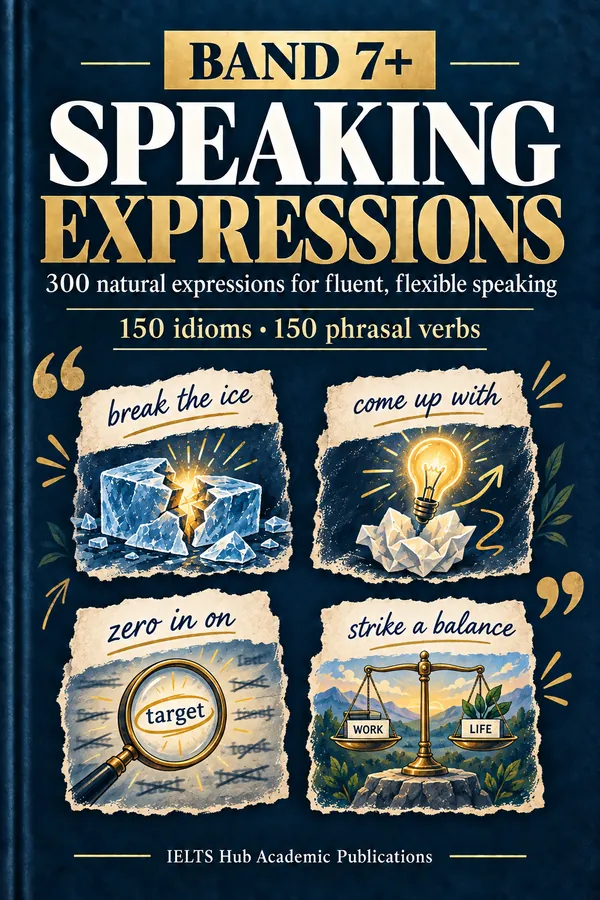
Speaking
Band 7+ Speaking Expressions
300 natural expressions for fluent, flexible speaking
₹199$6.99CAD 8.99AUD 9.99£4.99NZD 10.99€5.99AED 24SGD 8.99
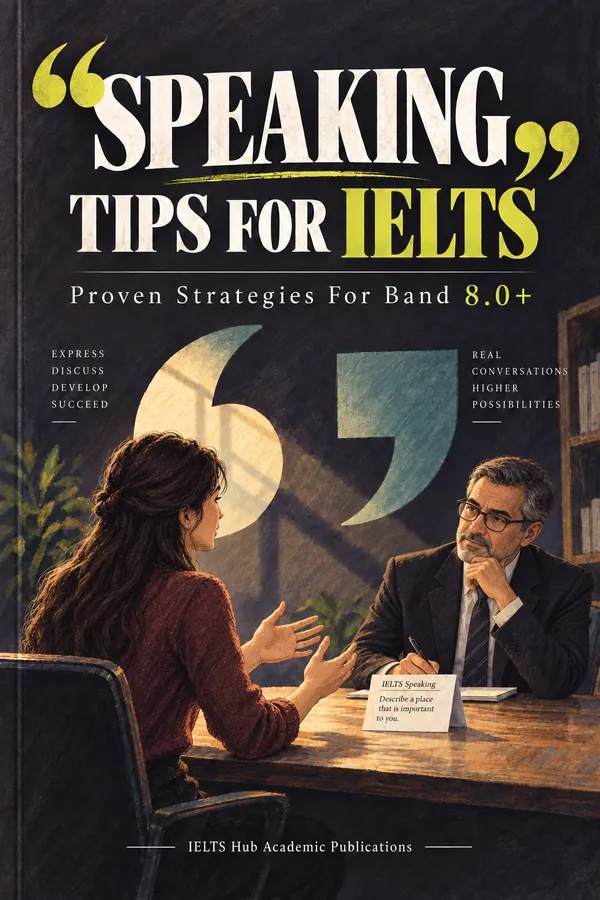
Speaking
Speaking Tips for IELTS
Proven Strategies for Band 8.0+
₹299$9.99CAD 13.99AUD 14.99£7.99NZD 16.99€8.99AED 39SGD 12.99
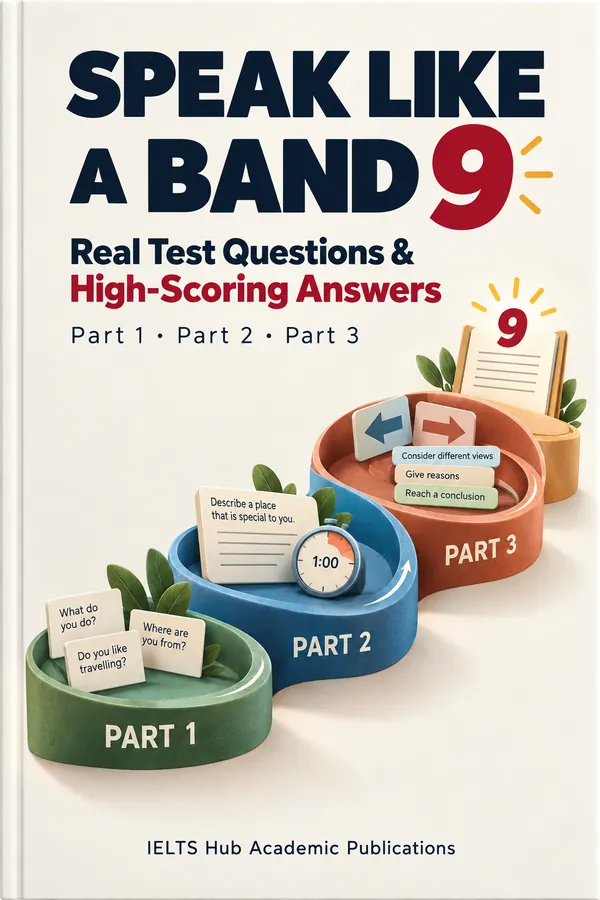
Speaking
Speak Like a Band 9
Real Test Questions & High-Scoring Answers
₹299$9.99CAD 13.99AUD 14.99£7.99NZD 16.99€8.99AED 39SGD 12.99