Speaking test #095
Part 1 · Interview
4 to 5 minutes. The examiner asks about you and familiar topics.
Can you tell me your full name?
Where are you from?
Do you work or are you a student?
Do people of your country like barbecue?
Yes, people in my country love barbecue. It's a popular way to spend time with friends and family, especially during the summer months.
What kind of food do you like to eat for barbecue?
As a vegetarian, I usually enjoy grilled vegetables like bell peppers, zucchini, and eggplant. I also love skewering tofu and marinating it in a spicy sauce before grilling.
Would you like to have barbecue with your family or your friends?
I would love to have a barbecue with both my family and friends. There's something about the combination of good food and good company that just makes for a perfect day.
Did you have barbecue when you were a child?
Yes, I have fond memories of having barbecue with my family when I was a child. We would often have barbecue parties in our backyard and invite friends and neighbors to join us. It was always such a fun and social way to spend a summer evening.
How many languages can you speak? [Why/Why not?
?] I can speak three languages fluently - English, Spanish, and French. I have always been fascinated with different cultures and languages, so I made it a point to learn as many as possible. I believe that being multilingual can open up many opportunities, both personally and professionally.
How useful will English be to you in your future? [Why/Why not?
?] English is incredibly useful to me in my future as it is widely spoken and understood in many countries around the world. It is considered a global language and is used in many fields such as business, education, and technology. Being proficient in English will greatly benefit me in my career and personal growth.
What do you remember about learning languages at school? [Why/Why not?
?] I remember that learning languages at school was a fun and challenging experience for me. I enjoyed learning about different cultures and grammar rules, but I also found it difficult to retain new vocabulary and grammar structures. However, I believe that the effort I put into learning languages at school has greatly helped me in my ability to speak multiple languages fluently.
What do you think would be the hardest language for you to learn? [Why?
?] I think the hardest language for me to learn would be Chinese. The structure and grammar of the language is vastly different from the languages I am familiar with, and the characters used in Chinese are also quite challenging. Additionally, the tones and pronunciation are also very difficult, which makes it a language that would take a lot of time and effort to master.
You will have to talk about the topic for one to two minutes. You have one minute to think about what you are going to say. You can make some notes to help you if you wish.
Describe a seminar or rally
You should say:
- What was the purpose of the seminar or rally?
- Who were the key speakers or participants?
- How did you feel during the event?
- What impact did the seminar or rally have on you?
What was the purpose of the seminar or rally?
I attended a seminar on environmental conservation organized by a local NGO in my city. The main purpose of the event was to raise awareness about the importance of protecting our environment and to discuss practical ways in which individuals can contribute towards sustainability. The seminar aimed to inspire the audience to take action in their daily lives to reduce their carbon footprint and preserve the natural resources for future generations.
Who were the key speakers or participants?
The key speakers at the seminar were renowned environmentalists, scientists, and activists who shared their insights and experiences on various environmental issues. They presented compelling data and real-life examples to highlight the urgency of the situation and emphasized the role of each individual in making a difference. The participants included students, teachers, professionals, and members of the local community who were passionate about environmental conservation.
How did you feel during the event?
During the event, I felt a mix of emotions - from concern about the environmental challenges we face to hope and determination to be part of the solution. The speakers' powerful messages and the engaging discussions among the participants created a sense of unity and purpose in the room. I was inspired by the collective energy and commitment towards creating a sustainable future for our planet.
What impact did the seminar or rally have on you?
Attending the seminar had a profound impact on me. It made me more conscious of my own actions and motivated me to adopt sustainable practices in my daily life, such as reducing waste, conserving energy, and supporting eco-friendly initiatives. The event sparked a sense of responsibility within me to be a steward of the environment and to advocate for positive change in my community. Overall, the seminar was a transformative experience that strengthened my resolve to contribute towards a greener and healthier world.
- Words
- 285
- Sentences
- 13
- Words per sentence
- 21.9
- Speaking time
- about 2.2 min
Counted at 130 words a minute. The exam gives you one to two minutes.
Part 3 · Discussion
4 to 5 minutes. The examiner asks broader questions linked to the cue card topic.
How do seminars and rallies differ in their goals and how they involve the audience?
Seminars and rallies serve distinct purposes and attract different audiences, which is really fascinating to explore. Seminars are typically focused on in-depth discussions and knowledge sharing, aimed at educating participants about a specific topic or field. They often feature expert speakers and encourage interactive engagement, allowing attendees to ask questions and participate in discussions. On the other hand, rallies are generally more about mobilizing public support for a cause, often involving passionate speeches and demonstrations that aim to inspire action among a larger crowd. The atmosphere at a rally is usually more dynamic and energetic, appealing to a broader audience that may include those who are not as familiar with the subject matter but are drawn in by the collective enthusiasm. In essence, while seminars cultivate a more intellectual environment, rallies thrive on emotional engagement and community spirit.
Some people think seminars are better than rallies for spreading awareness. What do you think about this?
I absolutely agree that seminars can be more effective than rallies when it comes to raising awareness. While rallies certainly have their place in energizing large groups and generating public enthusiasm, seminars offer a more structured environment where participants can engage in meaningful discussions. This interactive format allows for a deeper dive into complex issues, enabling attendees to ask questions and clarify misunderstandings. Additionally, seminars often feature expert speakers who can provide valuable insights, making the information more credible and relatable. Ultimately, it’s about fostering a genuine understanding, and I believe seminars excel in that regard.
How do you think events like seminars and rallies help bring about change in society?
Public gatherings such as seminars and rallies play a pivotal role in shaping societal change by fostering a sense of community and shared purpose. They provide a platform for individuals to voice their opinions, share ideas, and mobilize support for various causes, which can lead to significant public awareness. Additionally, these events often serve as a catalyst for change, inspiring people to take action, whether that’s through voting, volunteering, or simply engaging in discussions. When large groups come together, they can create a powerful collective voice that demands attention from policymakers and the media alike. Overall, I believe that these gatherings not only highlight pressing issues but also empower individuals to feel that they can contribute to meaningful change in their society.
Why do people pick a seminar instead of a rally, or the other way around?
Individuals might choose to attend a seminar over a rally for several reasons. Seminars typically offer a more structured environment where participants can engage in deep discussions and gain valuable insights from experts in a particular field. This is particularly appealing for those who are eager to learn and expand their knowledge. On the other hand, rallies often provide a sense of community engagement and a platform for collective expression, which can be incredibly energizing. People who are passionate about a cause might find that the vibrant atmosphere of a rally fuels their motivation and commitment. Ultimately, the choice between the two often boils down to whether one is looking for education or a more dynamic form of activism.
How could seminars and rallies change in the future because of new technology?
As technology continues to advance at a rapid pace, I believe seminars and rallies will undergo significant transformation. For instance, the rise of virtual reality and augmented reality could allow attendees to participate in immersive experiences from anywhere in the world. Imagine being able to walk through a virtual seminar as if you were actually there, interacting with speakers and other participants in real time! Additionally, social media platforms will likely play an even more pivotal role in organizing rallies, facilitating broader outreach and engagement. This means that the nature of discussions could become more dynamic and inclusive, bringing together diverse voices that may have been overlooked in traditional settings. Overall, the future of these events promises to be more interactive and accessible, ultimately enriching the way we share ideas and mobilize for causes.
What steps can organizers take to make seminars and rallies more effective for their target audience?
Organizers can take several proactive measures to enhance the impact of seminars and rallies on their intended audience. First and foremost, ensuring that the content is engaging and relevant is crucial; this can be achieved by incorporating interactive elements like Q&A sessions or workshops, which foster participation. Additionally, using modern technology, such as live streaming or social media engagement, can help to reach a broader audience and create a sense of community even among those who cannot attend in person. Lastly, it’s vital to follow up after the event with resources or summaries that keep the conversation going; this way, the audience feels like they are part of an ongoing dialogue rather than just passive listeners. By implementing these strategies, organizers can significantly amplify the overall effectiveness of their events.
Go further with the books

Speaking
Speak Like a Band 9
Real Test Questions & High-Scoring Answers
₹299$9.99CAD 13.99AUD 14.99£7.99NZD 16.99€8.99AED 39SGD 12.99

Speaking
Band 7+ Speaking Expressions
300 natural expressions for fluent, flexible speaking
₹199$6.99CAD 8.99AUD 9.99£4.99NZD 10.99€5.99AED 24SGD 8.99
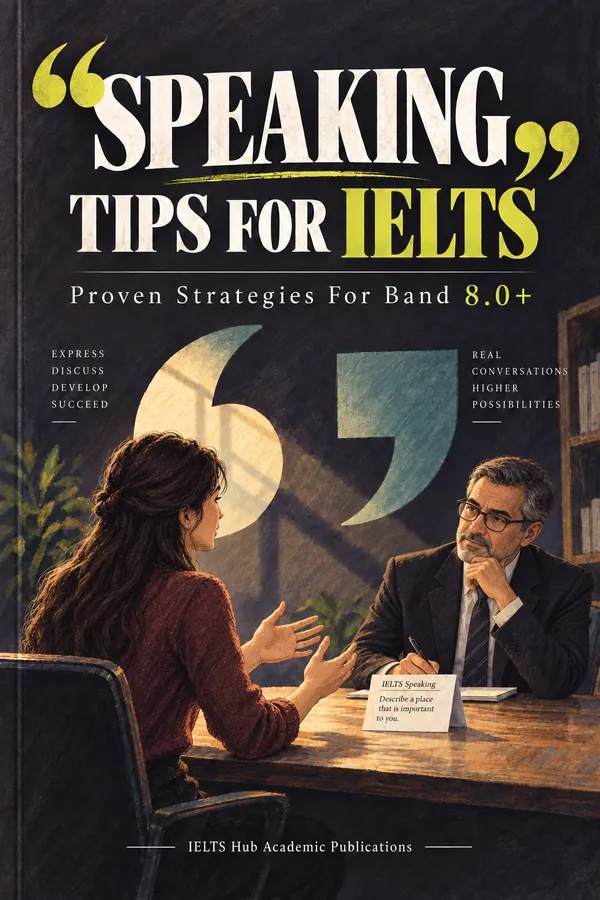
Speaking
Speaking Tips for IELTS
Proven Strategies for Band 8.0+
₹299$9.99CAD 13.99AUD 14.99£7.99NZD 16.99€8.99AED 39SGD 12.99