Speaking test #096
Part 1 · Interview
4 to 5 minutes. The examiner asks about you and familiar topics.
Can you tell me your full name?
Where are you from?
Do you work or are you a student?
What kinds of thing make you laugh?
I find that I tend to laugh at things that are unexpected or surprising. I also enjoy clever or witty humor, and I find that physical comedy can be quite amusing as well. I also like to laugh at things that are relatable or that make me think about my own experiences.
Do you like making other people laugh?
I absolutely love making other people laugh. I find it incredibly satisfying to see others enjoying themselves and to know that I played a part in that. I also believe that laughter is contagious, so when I make someone else laugh, it often leads to others joining in as well.
Do you think it's important for people to laugh?
I absolutely believe that it is important for people to laugh. Laughter has been shown to have a wide range of benefits for our physical and mental health, and it can also help to build and strengthen relationships. I think that laughter is a way for people to connect and bond with each other, and it can also serve as a powerful tool for coping with stress and difficult situations.
Is laughing the same as feeling happy?
I don't necessarily think that laughing is the same as feeling happy, but I do think that they are closely connected. I believe that laughter can be a sign of happiness, but it can also be a way to cope with or mask other emotions. I think that laughter can be a way to release pent-up emotions, and it can also be a way to distract ourselves from negative feelings.
Do you write letters?
Yes, I do write letters. I believe that there is something special and personal about receiving a handwritten letter that cannot be replicated through digital communication.
What do you usually write about?
I usually write letters to friends and family, updating them on my life and asking about theirs. I also enjoy writing letters to people I admire, expressing my appreciation for their work or contributions.
How do you feel whenever you receive a letter?
Whenever I receive a letter, I feel incredibly touched and grateful. It is a reminder that someone took the time to sit down and personally write to me, and it always brings a smile to my face.
Do you think handwritten letters will still exist in the future?
I believe that handwritten letters will always exist, despite the convenience of digital communication. There will always be a certain charm and sentimental value to receiving a physical letter that cannot be replaced by an email or text message. Additionally, I think that people will always appreciate the personal touch of a handwritten letter, and will continue to send them for special occasions or important moments.
You will have to talk about the topic for one to two minutes. You have one minute to think about what you are going to say. You can make some notes to help you if you wish.
Describe a famous scientist or artist in your country
You should say:
- Who the scientist or artist is
- What contributions they have made
- Why they are famous
- How they have impacted society
Who the scientist or artist is
In India, one of the most renowned scientists is Dr. APJ Abdul Kalam, also known as the "Missile Man of India" and the former President of the country. Dr. Kalam was a distinguished aerospace engineer who played a pivotal role in India's missile development program. His contributions to the field of science and technology are immense, particularly in the development of ballistic missile and launch vehicle technology.
What contributions they have made
Dr. APJ Abdul Kalam is famous not only for his scientific achievements but also for his humility, vision, and dedication to the youth of the nation. He was a beloved figure in India, known for his inspirational speeches and his efforts to ignite a passion for science and innovation among the youth. His famous book "Wings of Fire" narrates his journey from humble beginnings to becoming a leading scientist and statesman, inspiring millions across the globe.
Why they are famous
The impact of Dr. APJ Abdul Kalam on Indian society is profound and far-reaching. He served as the 11th President of India from 2002 to 2007 and was widely regarded as the People's President for his down-to-earth nature and accessibility to the common man. His vision for India as a developed nation by 2020 continues to inspire generations of Indians to strive for excellence in their respective fields and work towards national development.
How they have impacted society
Dr. Kalam's legacy lives on through various initiatives and programs aimed at nurturing young talent and fostering innovation in India. His teachings on leadership, dedication, and hard work continue to guide aspiring scientists and artists in the country. Dr. APJ Abdul Kalam's impact transcends borders, as he is not only celebrated in India but also respected worldwide for his contributions to science, education, and society at large.
- Words
- 283
- Sentences
- 18
- Words per sentence
- 15.7
- Speaking time
- about 2.2 min
Counted at 130 words a minute. The exam gives you one to two minutes.
Part 3 · Discussion
4 to 5 minutes. The examiner asks broader questions linked to the cue card topic.
How do this scientist's or artist's contributions stack up against others in their field?
The contributions of this scientist or artist often stand out significantly when compared to their peers. For instance, if we take someone like Albert Einstein, his theories revolutionized our understanding of physics, particularly with the concept of relativity. While many scientists have made remarkable discoveries, Einstein's work laid the groundwork for groundbreaking advancements in various fields, including technology and cosmology. Similarly, in the art world, an artist like Vincent van Gogh transformed the landscape of modern art with his unique use of color and emotional depth, which continues to inspire countless artists today. In essence, their pioneering ideas and styles often set them apart, creating a lasting legacy that influences both contemporaries and future generations.
What are some views people might have about how their work affects society?
People have varied perspectives on the impact of their work on society, often influenced by their personal values and professional experiences. For some, work is seen as a means to contribute positively to the community, driving social change and fostering collective well-being. They might view their roles as crucial in addressing pressing issues, such as environmental sustainability or social justice, feeling a deep sense of responsibility to make a difference. On the other hand, there are individuals who may feel disconnected from the broader societal implications of their jobs, focusing instead on personal gain or job security. Ultimately, these differing viewpoints can shape how motivated and fulfilled people feel in their careers, highlighting the diverse motivations that drive us in the workplace.
How is this person's work important in today's advancements?
The work of this individual is immensely significant, particularly in the realm of modern advancements. For instance, their pioneering research has not only pushed the boundaries of our understanding but has also laid the groundwork for future innovations. This is especially true in fields like technology and medicine, where groundbreaking discoveries can lead to transformative changes in how we live and interact. Moreover, their ability to inspire collaboration among diverse teams has resulted in a synergy that accelerates progress, showcasing the importance of teamwork in achieving meaningful results. Ultimately, their contributions serve as a powerful reminder of how one person's vision can ripple out and impact society on a global scale.
What makes you believe their successes connect with people now?
I believe the achievements of remarkable individuals often resonate with people today because they epitomize the universal struggles and aspirations we all face. Take historical figures like Martin Luther King Jr. or Marie Curie; their groundbreaking contributions not only changed their respective fields but also inspired a generation to dream bigger and push boundaries. In a world that can often feel divided and chaotic, their stories serve as powerful reminders of resilience and determination. Additionally, the timeless values they embodied—such as courage, innovation, and compassion—continue to inspire new movements and initiatives today. Ultimately, these achievements remind us that change is possible and that each of us has the potential to make a difference.
How could this scientist's or artist's impact change in the future?
The legacy of a scientist or artist can evolve significantly over time, shaped by societal changes and advancements in technology. For instance, as new discoveries are made, the original work of a scientist can take on a new dimension, leading to a deeper understanding of their contributions. Similarly, an artist's work may be reinterpreted in light of contemporary issues, allowing their messages to resonate with new generations. This ongoing dialogue between past and present can breathe new life into their legacy, making it relevant and impactful long after their time. Ultimately, how we perceive and celebrate their contributions can shift dramatically, reflecting our own values and priorities.
What steps can be taken to make sure their contributions are acknowledged and honored by future generations?
To ensure that the contributions of individuals are recognized and celebrated in future generations, a multi-faceted approach can be incredibly effective. Firstly, incorporating their stories into the educational curriculum is essential; this way, students can learn about their achievements and understand their significance. Additionally, creating public commemorations, such as memorials or dedicated days of recognition, can serve as a constant reminder of their impact on society. Another powerful measure could be utilizing modern technology, like social media and digital archives, to share their contributions widely and in engaging formats. This not only preserves their legacies but also makes them accessible to a younger audience. Ultimately, it’s about fostering a culture that actively seeks to honor and remember those who have made a difference, ensuring their stories continue to inspire future generations.
Go further with the books

Speaking
Speak Like a Band 9
Real Test Questions & High-Scoring Answers
₹299$9.99CAD 13.99AUD 14.99£7.99NZD 16.99€8.99AED 39SGD 12.99
Speaking
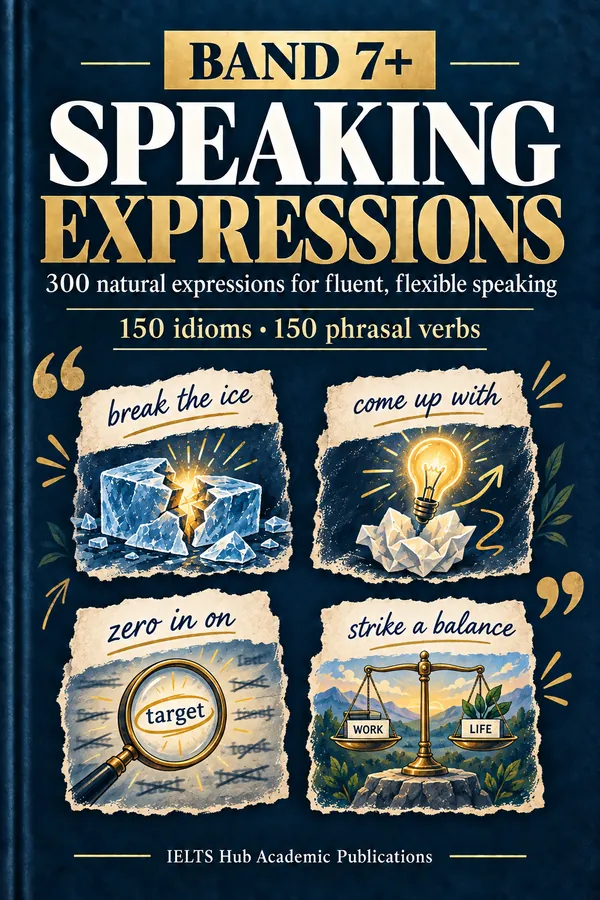
Band 7+ Speaking Expressions
300 natural expressions for fluent, flexible speaking
₹199$6.99CAD 8.99AUD 9.99£4.99NZD 10.99€5.99AED 24SGD 8.99
Speaking
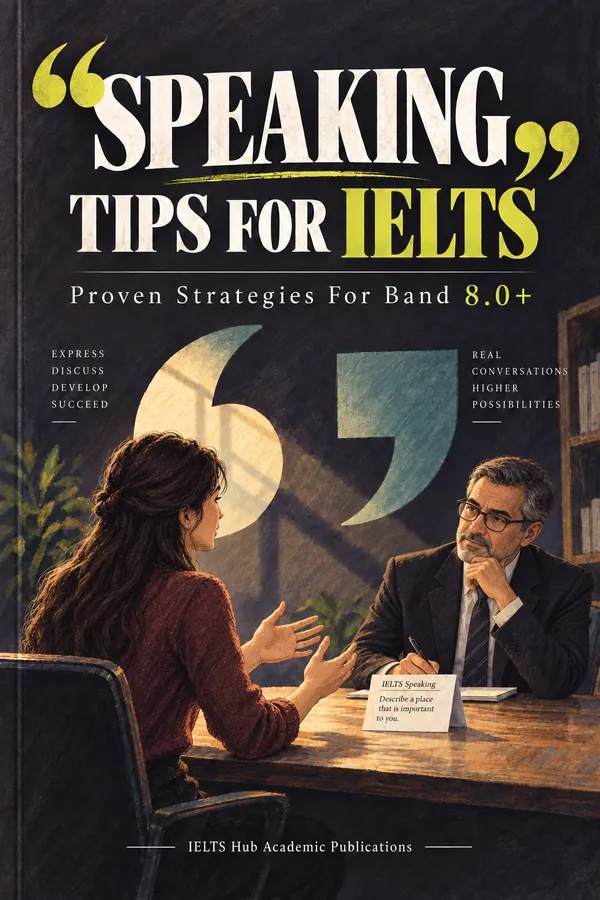
Speaking Tips for IELTS
Proven Strategies for Band 8.0+
₹299$9.99CAD 13.99AUD 14.99£7.99NZD 16.99€8.99AED 39SGD 12.99