Speaking test #102
Part 1 · Interview
4 to 5 minutes. The examiner asks about you and familiar topics.
Can you tell me your full name?
Where are you from?
Do you work or are you a student?
Why do some people have good memory while others just don’t?
There are a variety of factors that contribute to why some people have good memories while others don't. Some research suggests that genetics play a role, with certain genes potentially impacting the way our brains process and retain information. Additionally, lifestyle factors such as nutrition, exercise, and sleep can also affect memory. Furthermore, certain activities such as reading, puzzles, and learning new skills can help improve memory.
Why do more people rely on cell phones to memorize things?
I think one reason more people rely on cell phones to memorize things is the convenience and accessibility of having information at our fingertips. With the increasing use of technology, people have become more accustomed to storing and retrieving information digitally. Additionally, many people use their cell phones to set reminders and calendar events, which can help with memory.
Are you good at memorizing things?
I would say that I have a decent memory, but there is always room for improvement. I find that I tend to remember things better when I am actively engaged and interested in the information. Additionally, I try to use mnemonic techniques, such as visualizing or repeating information, to help with retention.
Have you ever forgotten something that was important?
Yes, I have definitely forgotten something important in the past. For example, I once forgot to submit an important assignment for a class, which resulted in a lower grade. In these situations, I try to remind myself to stay organized and make a conscious effort to remember important tasks and deadlines. Additionally, I try to use tools such as reminders or to-do lists to help me stay on track.
Do you like looking at yourself in the mirror? How often?
I absolutely love looking at myself in the mirror. I find it to be a great way to check my appearance and make sure I am looking my best before leaving the house. I typically look in the mirror a few times a day, such as when I wake up in the morning, before I go to bed at night, and occasionally throughout the day when I am getting ready for different events or activities.
Have you ever bought mirrors?
Yes, I have bought mirrors before. I have purchased several mirrors for different rooms in my home, including a large floor mirror for my bedroom and a few smaller mirrors for my bathroom. I also recently purchased a full-length mirror for my entryway, which is great for checking my outfit before heading out the door.
Do you usually take a mirror with you?
No, I do not usually take a mirror with me when I am on the go. I find that most public restrooms and other facilities have mirrors available for use, so I don't typically feel the need to carry one with me. However, if I am going on a trip or will be away from home for an extended period of time, I may bring a small compact mirror with me.
Would you use mirrors to decorate your room?
Yes, I definitely would use mirrors to decorate my room. I think mirrors are a great way to add some visual interest and can also make a room feel larger and more open. I have used mirrors in the past to decorate different rooms in my home, such as hanging a group of small mirrors in my dining room to create a unique wall display. I also love the idea of incorporating a large floor mirror into a room design, as it can make a big impact and can also be functional for getting ready in the morning.
You will have to talk about the topic for one to two minutes. You have one minute to think about what you are going to say. You can make some notes to help you if you wish.
Describe a library that you visited
You should say:
- Location and layout of the library
- The collection of books and resources available
- Your experience while visiting the library
- Any memorable incidents or interactions that took place
Location and layout of the library
I'd like to tell you about the magnificent library I visited in Mumbai, India. This library is located in the heart of the city, near the bustling market area. The library is housed in a grand historical building with high ceilings and large windows that allow natural light to illuminate the vast collection of books. The layout is thoughtfully designed with various sections for different genres, study areas, and cozy reading nooks.
The collection of books and resources available
The library boasts an extensive collection of books and resources that cater to all interests and age groups. From classic literature to contemporary bestsellers, from academic textbooks to children's picture books, this library has something for everyone. Additionally, they offer access to e-books, audiobooks, and online databases, making it a treasure trove of knowledge for all visitors.
Your experience while visiting the library
During my visit to this library, I was truly immersed in a world of words and ideas. The peaceful ambiance, coupled with the smell of old books, created a serene environment that inspired me to delve into various genres and authors. I spent hours exploring different sections, flipping through pages, and absorbing the wisdom and creativity that each book held.
Any memorable incidents or interactions that took place
One memorable incident that stands out from my visit was when I struck up a conversation with an elderly librarian who shared fascinating insights about the history of the library and recommended some hidden gems in the collection. It was a delightful exchange that enhanced my overall experience and left me with a deeper appreciation for the rich literary heritage preserved within those walls. This library visit was not just a visit but a journey of discovery and connection that left a lasting impression on me.
- Words
- 275
- Sentences
- 13
- Words per sentence
- 21.2
- Speaking time
- about 2.1 min
Counted at 130 words a minute. The exam gives you one to two minutes.
Part 3 · Discussion
4 to 5 minutes. The examiner asks broader questions linked to the cue card topic.
How might the feeling of a library be different from that of a bookstore?
The atmosphere of a library and a bookstore can be quite distinct, each offering its own unique charm. Libraries often exude a sense of serenity and contemplation, with their quiet spaces designed for focused reading and study. You can almost feel the weight of history in the air, as people immerse themselves in learning and exploration. On the other hand, bookstores typically have a more vibrant and inviting atmosphere, filled with the buzz of conversation and the excitement of browsing new titles. The smell of fresh prints and the layout of enticing displays create an environment that encourages discovery. Ultimately, while both places celebrate the love of literature, they cater to different moods and needs.
Why do some people like reading physical books more than digital ones?
There are several compelling reasons why many individuals still gravitate towards physical books despite the rise of digital alternatives. Firstly, the tactile experience of holding a book, feeling its pages, and even the smell of the paper can evoke a sense of nostalgia and comfort that screens simply cannot replicate. Additionally, many people find that reading a physical book helps them to focus better and minimize distractions, as there are no notifications or pop-ups vying for their attention. Moreover, physical books can also serve as beautiful decor, creating a warm and inviting atmosphere in one’s home. Lastly, for some, the act of collecting books becomes a cherished hobby, allowing them to build a personal library that reflects their interests and passions.
How important do you think libraries are in helping people read and write in communities?
Libraries play an incredibly significant role in promoting literacy within communities. They serve as accessible hubs of knowledge, providing individuals with free access to a vast array of resources, from books to digital media. Moreover, libraries often host engaging programs aimed at various age groups, which can spark a love for reading and learning amongst children and adults alike. In a world increasingly dominated by technology, libraries also offer a tranquil space for people to disconnect and immerse themselves in literature, ultimately fostering a culture of reading. So, I believe that libraries are not just about books; they are vital catalysts for educational growth and community engagement.
Why do you think some people have a deep emotional bond with libraries?
I believe the strong emotional connection some people have with libraries stems from their role as sanctuaries of knowledge and community. For many, libraries represent a treasure trove of information, where they can dive into different worlds through literature or explore new ideas through research. Additionally, libraries often serve as a community hub, fostering social interactions and a sense of belonging. The ambiance—the smell of old books, the quiet corners for reflection—contributes to a comforting atmosphere that resonates with individuals seeking solace or inspiration. Ultimately, libraries hold cherished memories for many, whether it’s the joy of discovering a favorite book or the thrill of attending an engaging workshop.
How will libraries change in the future as technology grows?
The role of libraries is definitely evolving with the surge of technology. Instead of just being a quiet place to borrow books, I envision libraries becoming vibrant community hubs that offer a plethora of digital resources and services. For instance, many libraries are now incorporating cutting-edge technology like virtual reality and interactive workshops, which can enhance learning experiences. Additionally, as online resources become more prevalent, libraries could shift towards being knowledge centers that focus on digital literacy, helping patrons navigate the vast amount of information available online. Ultimately, I believe libraries will continue to be invaluable, but they'll need to adapt by embracing these changes and redefining their purpose in our increasingly digital world.
What steps can be taken to bring more people to libraries?
To attract more visitors to libraries, I think a multifaceted approach would be most effective. First, libraries could host community events such as book fairs, author readings, or workshops that cater to various interests. This would not only draw in bibliophiles but also engage people who might not typically visit. Additionally, incorporating modern technology, like interactive digital displays or virtual reality experiences, could make the library more appealing to younger audiences. Finally, partnering with local schools and universities to promote educational programs could help in fostering a love for reading among students. Overall, making libraries more vibrant and relevant could significantly boost their visitor numbers.
Go further with the books
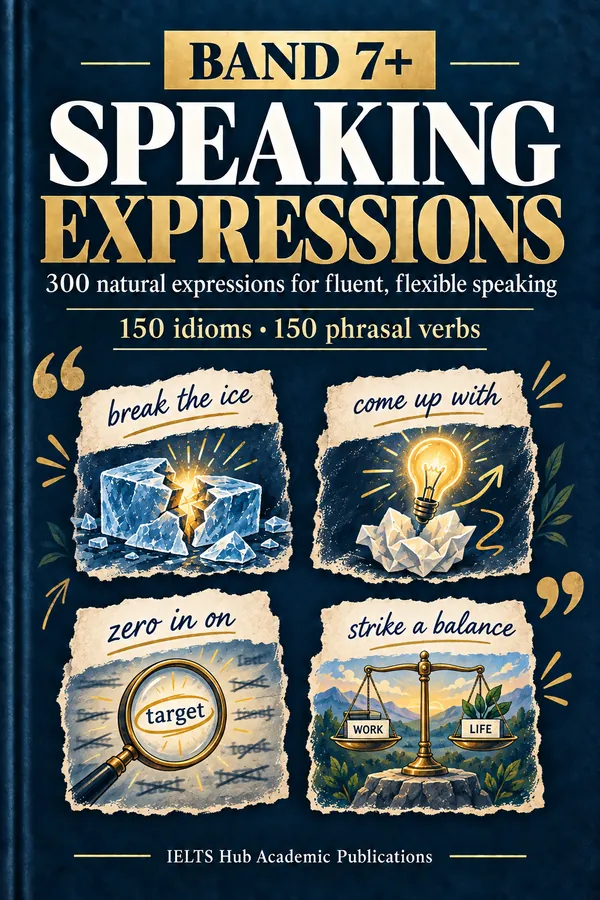
Speaking
Band 7+ Speaking Expressions
300 natural expressions for fluent, flexible speaking
₹199$6.99CAD 8.99AUD 9.99£4.99NZD 10.99€5.99AED 24SGD 8.99
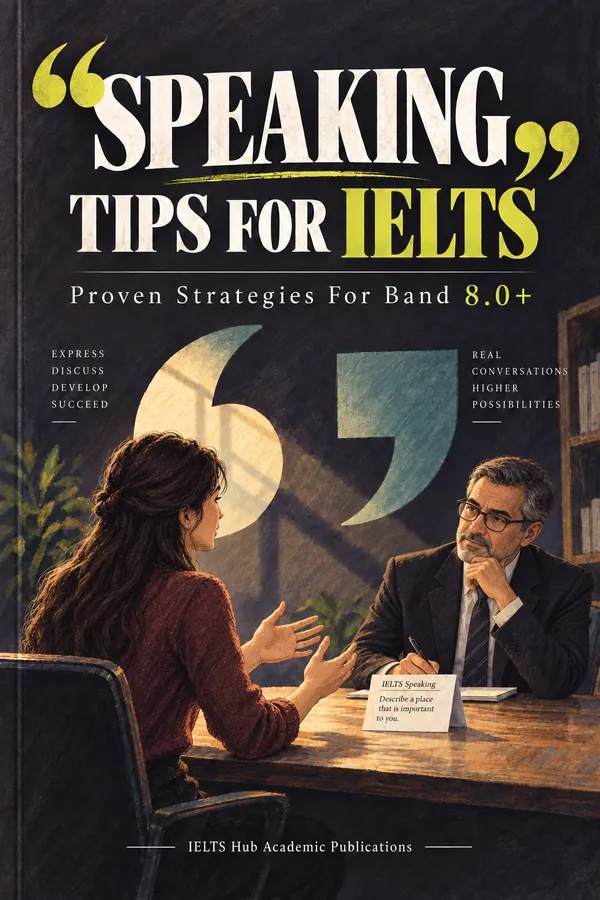
Speaking
Speaking Tips for IELTS
Proven Strategies for Band 8.0+
₹299$9.99CAD 13.99AUD 14.99£7.99NZD 16.99€8.99AED 39SGD 12.99
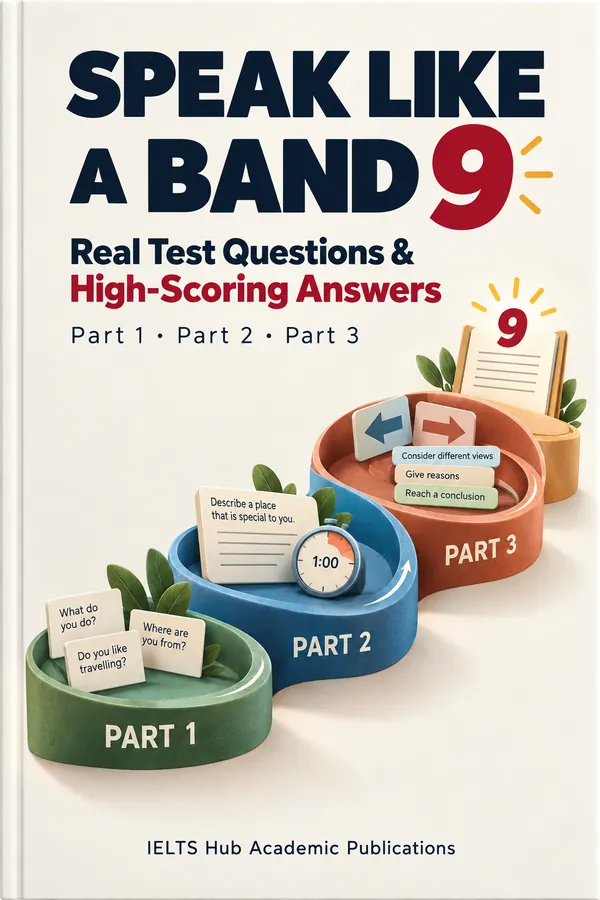
Speaking
Speak Like a Band 9
Real Test Questions & High-Scoring Answers
₹299$9.99CAD 13.99AUD 14.99£7.99NZD 16.99€8.99AED 39SGD 12.99