Speaking test #104
Part 1 · Interview
4 to 5 minutes. The examiner asks about you and familiar topics.
Can you tell me your full name?
Where are you from?
Do you work or are you a student?
Do you like to get up early in the morning?
I am definitely an early riser. I find that there is something very refreshing and energizing about starting the day before the sun comes up. The quiet of the morning and the sense of accomplishment that comes with getting a head start on the day is something that I find very appealing.
What is your morning routine?
My morning routine starts with me getting up at around 6am. After that, I make myself a cup of coffee and sit down with my journal to do some morning writing. This is a great way for me to clear my head and get my thoughts in order before the day begins. After that, I spend some time stretching and doing yoga to get my body moving and energized. After that, I take a shower and get dressed for the day.
What did you do in the morning when you were little?
When I was little, my mornings were pretty low key. I would usually wake up around 7am and spend some time watching cartoons or playing with my toys. After that, I would have breakfast and then spend some time getting ready for school. I always loved the mornings when I was a kid because it was a time to be carefree and to just enjoy the day ahead.
Is there any difference between what you do in the morning now and what you did in the past?
There is definitely a difference between what I do in the morning now and what I did in the past. As a child, my mornings were all about play and fun. Now, as an adult, my mornings are focused on getting myself prepared for the day ahead. I spend more time on self-care and self-improvement activities like yoga and journaling, and less time on leisure activities. But overall, I still enjoy waking up early and starting my day before the sun comes up.
Do you think museums are important?
Absolutely, I believe that museums are incredibly important. They provide us with an opportunity to learn about different cultures, historical events, and scientific discoveries. They also help to preserve and protect important artifacts, artworks, and documents that would otherwise be lost to time. Without museums, our understanding of the world and our place in it would be greatly diminished.
Are there many museums in your hometown?
There are quite a few museums in my hometown, although the selection is not as extensive as in some larger cities. We have a few historical museums, as well as an art museum and a science museum. However, I would say that we don't have as many as I would like. I think it would be great if we had more museums that focused on different aspects of our local history and culture.
Do you often visit a museum?
I try to visit a museum as often as possible. I find that they are always a great source of inspiration and education. I especially enjoy visiting museums when I travel, as it gives me an opportunity to learn more about the local culture and history. I find that museums are a great way to gain a deeper understanding of the world around me.
When was the last time you visited a museum?
The last time I visited a museum was last month. I went to the local art museum and saw an exhibition of contemporary art from around the world. It was an incredible experience, and I was struck by the diversity and creativity of the artworks on display. I found the exhibition to be both thought-provoking and inspiring, and I would highly recommend it to anyone who is interested in contemporary art.
You will have to talk about the topic for one to two minutes. You have one minute to think about what you are going to say. You can make some notes to help you if you wish.
Describe a radio program that you listened recently
You should say:
- What was the radio program about
- When and where you listened to it
- How you felt about the program
- Whether you would recommend it to others
What was the radio program about
Recently, I had the pleasure of listening to an intriguing radio program called "The Hidden Gems of Indian Music." This program delved into the lesser-known musical talents of India and showcased their exceptional skills in various genres. It was a refreshing departure from the mainstream music often played on the radio.
When and where you listened to it
I tuned in to this program last Sunday evening while driving back home from work. The soothing melodies and soulful voices captivated my attention instantly, making my commute a delightful experience. The program was broadcasted on a popular radio channel known for promoting independent artists, and I was pleasantly surprised by the quality of content they presented.
How you felt about the program
As a music enthusiast, I felt truly inspired and enriched by the diverse range of talents featured on the program. It opened my eyes to the immense pool of musical brilliance present in our country, waiting to be discovered. The thoughtful commentary provided by the host added depth to the experience, making it not just entertaining but also educational.
Whether you would recommend it to others
I would highly recommend this radio program to anyone looking to explore the hidden treasures of Indian music. It offers a unique platform for talented artists to shine and for listeners to discover new sounds beyond the mainstream. The program's ability to evoke emotions and appreciation for art makes it a must-listen for music lovers of all ages.
- Words
- 225
- Sentences
- 11
- Words per sentence
- 20.5
- Speaking time
- about 1.7 min
Counted at 130 words a minute. The exam gives you one to two minutes.
Part 3 · Discussion
4 to 5 minutes. The examiner asks broader questions linked to the cue card topic.
What are the differences between radio programs and TV shows when it comes to engaging their audiences?
That's a fascinating question! Radio programs and television shows engage their audiences in quite different ways. For starters, radio tends to rely heavily on imaginative engagement, as listeners create mental images based solely on the audio cues and storytelling. This can foster a more personal connection, as people often feel like they're part of an intimate conversation. On the other hand, television shows provide a visual experience that can captivate audiences with stunning visuals and dynamic storytelling, which often leads to a more immediate and visceral reaction. Moreover, the format of radio allows for more active listening, where the audience is often multitasking—driving, working, or doing chores—making them more attuned to the content in a different way. In contrast, television typically demands full attention, which can limit the opportunity for audiences to engage with the content while they’re doing other things. Ultimately, both mediums create unique forms of audience engagement, each with its own merits and challenges.
Some people think radio shows are better at sharing information than other types of media. What do you think about this?
I can see why some people might argue that radio programs are particularly effective for conveying information. They offer a unique intimacy that other media often lack, allowing listeners to connect with the content on a personal level. Additionally, radio can be consumed while engaging in other activities, making it incredibly convenient. However, I think it really depends on the context and the audience. For instance, visual media like documentaries or online videos can provide a richer experience, especially for complex topics that benefit from visual aids. Ultimately, each medium has its strengths, and the effectiveness really hinges on the message being conveyed and the preferences of the audience.
How do you think radio shows influence people's views and culture?
Radio programs play a significant role in shaping public opinion and culture in several ways. Firstly, they serve as a powerful medium for disseminating information, often acting as a catalyst for discussion on important social issues. Through talk shows and interviews, listeners are exposed to diverse perspectives, which can influence their views and attitudes. Additionally, radio programs often reflect and promote cultural values, helping to foster a sense of community among listeners. From music stations that highlight local artists to programs that celebrate regional traditions, radio can be an effective platform for cultural expression. Ultimately, the engaging nature of radio allows it to connect with audiences on a personal level, making it an invaluable tool in shaping public discourse.
Why do you think some people like listening to radio shows more than watching online videos?
I think there are several reasons why some individuals lean towards radio programs instead of online content. For one, listening to the radio can be incredibly convenient; you can tune in while driving, cooking, or even exercising, making it a perfect background activity. Additionally, radio often offers a sense of community and connection, as listeners can feel part of a larger audience sharing the same experience, especially during live shows or events. Furthermore, the immediacy of radio broadcasts can be appealing, as they often provide real-time updates on news and events, creating a sense of urgency that some might find lacking in pre-recorded online content. Lastly, the intimacy of a radio host’s voice can create a personal touch that makes the experience feel more engaging and relatable.
How do you think radio shows will change as digital media becomes more popular?
That's a fascinating question! I believe the future of radio programs will undergo a significant transformation due to the rise of digital media. As people increasingly gravitate towards on-demand content, traditional radio may need to adapt by incorporating more interactive elements into their broadcasts. This could mean offering podcasts or live streaming options that allow listeners to engage with the content in real-time. Additionally, I can see radio stations collaborating with digital platforms to reach a broader audience and provide more diverse programming. Ultimately, while the essence of radio will remain, its delivery and accessibility will likely become much more versatile and audience-driven.
What steps can be taken to improve the quality and audience of radio shows today?
To enhance the quality and reach of radio programming in today's diverse media landscape, several measures could be implemented. Firstly, diversifying content is crucial; this means offering a wider range of topics that cater to various demographics, including niche interests that may be overlooked. Additionally, incorporating interactive elements, such as live listener call-ins or social media integration, could significantly boost audience engagement and make listeners feel more connected to the programming. Moreover, investing in high-quality production values can make a substantial difference; well-produced shows with compelling storytelling can captivate audiences and encourage them to tune in regularly. Lastly, collaboration with local communities and artists can not only enrich the content but also help to establish a loyal listener base, ensuring that radio remains a relevant and vibrant medium in an era dominated by digital platforms.
Go further with the books
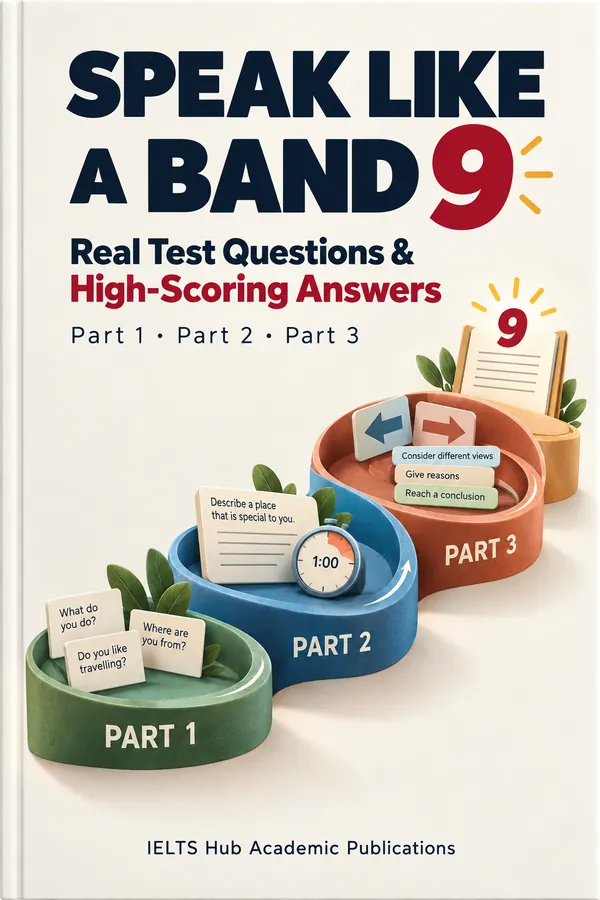
Speaking
Speak Like a Band 9
Real Test Questions & High-Scoring Answers
₹299$9.99CAD 13.99AUD 14.99£7.99NZD 16.99€8.99AED 39SGD 12.99
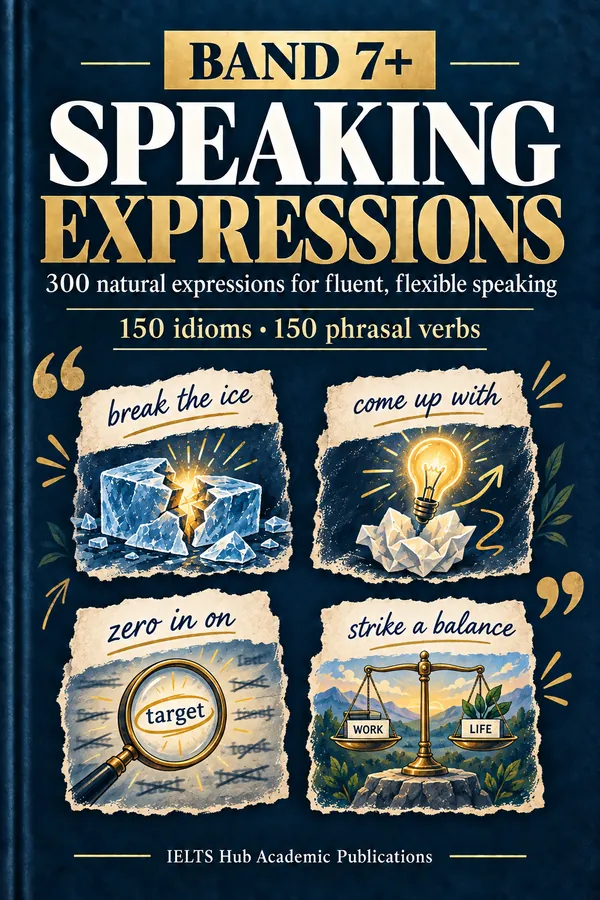
Speaking
Band 7+ Speaking Expressions
300 natural expressions for fluent, flexible speaking
₹199$6.99CAD 8.99AUD 9.99£4.99NZD 10.99€5.99AED 24SGD 8.99
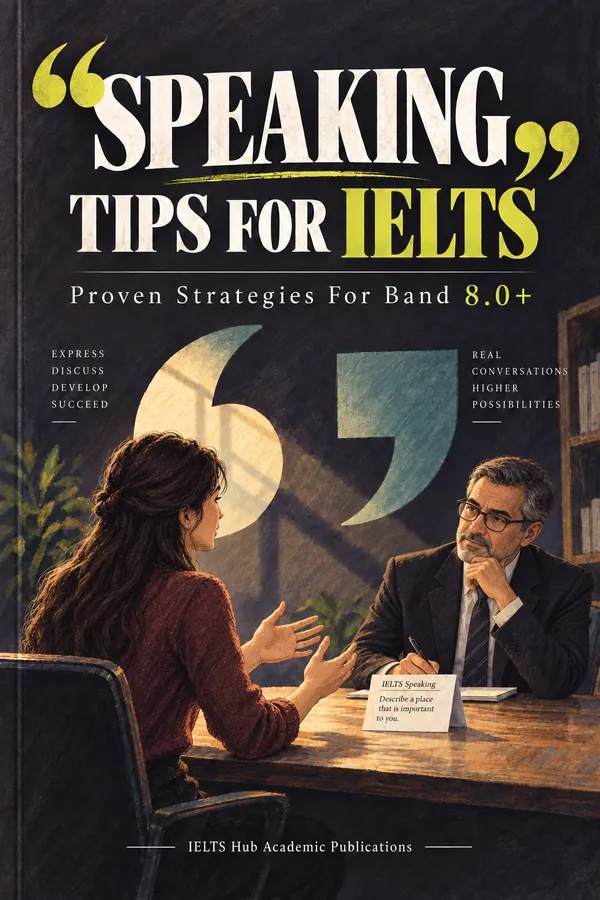
Speaking
Speaking Tips for IELTS
Proven Strategies for Band 8.0+
₹299$9.99CAD 13.99AUD 14.99£7.99NZD 16.99€8.99AED 39SGD 12.99