Speaking test #105
Part 1 · Interview
4 to 5 minutes. The examiner asks about you and familiar topics.
Can you tell me your full name?
Where are you from?
Do you work or are you a student?
Do you like music? Why / why not?
I absolutely love music! For me, it's a way to express my emotions, connect with others and even forget about the world for a little while. Whether I'm feeling happy, sad, or just need some background noise, there's always a song that can fit the mood. I think music is one of the most powerful forms of art and it's something that has always been a big part of my life.
What kind of music do you listen to? Why?
I listen to a wide variety of music, but my favorite genre is probably alternative rock. I love the energy and emotion that comes through in the lyrics and the unique sound that different bands bring to the genre. I also enjoy listening to indie music and some electronic music. I find that these genres allow me to discover new artists and sounds, and I appreciate the diversity that they offer.
Has the music that you listen to changed since you were young?
Yes, my taste in music has definitely evolved over the years. When I was younger, I mostly listened to pop music and whatever was popular at the time. As I got older, I started to explore different genres and discovered that there was so much more out there than I had ever realized. My taste in music has become more diverse and I now appreciate a wider range of sounds and styles.
Do you think older and younger generations prefer different types of music?
I think that different generations can have different musical preferences, but it's not always a straightforward distinction. For example, older people might be more inclined to listen to classical music or traditional genres, while younger people might be more into hip-hop or electronic music. However, there are also plenty of older people who love contemporary music and younger people who appreciate older genres. I think it's important to remember that music is a personal thing and everyone has their own unique tastes and preferences.
Which instrument do you like listening to most? [Why?
?] I absolutely adore listening to the piano. The soft melodies and intricate harmonies that can be produced from a piano are truly mesmerizing to me. The piano is a versatile instrument that can be used to play a wide range of genres and styles, from classical to pop. It's also a beautiful instrument to look at and the sound it produces is simply breathtaking.
Have you ever learned to play a musical instrument? [Which one?
?] Yes, I have had the pleasure of learning how to play the guitar. It's a wonderful instrument that I've grown to love over the years. I find that playing the guitar is a great way to relax and unwind after a long day, and it's also a great way to express myself creatively.
Do you think children should learn to play a musical instrument at school? [Why/Why not?
?] I definitely think that children should learn to play a musical instrument at school. Not only does learning to play an instrument help with the development of fine motor skills and hand-eye coordination, but it also helps with creativity and self-expression. Additionally, playing an instrument can also have a positive impact on children's cognitive development and can even improve their academic performance. Overall, I think that learning to play a musical instrument is an incredibly valuable skill that should be taught to children at school.
How easy would it be to learn to play an instrument without a teacher? [Why?
?] Learning to play an instrument without a teacher would be quite difficult, in my opinion. While there are certainly resources available, such as online tutorials and instructional videos, nothing can replace the guidance and feedback that a teacher can provide. A teacher can provide personalized instruction and can help identify and correct any mistakes that a student may be making. Additionally, a teacher can provide encouragement and motivation, which is essential for any student trying to learn an instrument. Without a teacher, it would be much more difficult to progress and improve one's playing skills.
You will have to talk about the topic for one to two minutes. You have one minute to think about what you are going to say. You can make some notes to help you if you wish.
Describe a classroom where you study or have studied in
You should say:
- Location and layout of the classroom
- Atmosphere and environment of the classroom
- Interactions with classmates and teachers in the classroom
- Memorable experiences or events that took place in the classroom
Location and layout of the classroom
I studied in a classroom at my high school in Mumbai, India, that holds a special place in my heart. The classroom was located on the second floor of the school building, overlooking a lush green courtyard. The layout was simple yet effective, with rows of desks facing the blackboard at the front. The windows on one side let in ample natural light, creating a pleasant study environment.
Atmosphere and environment of the classroom
The atmosphere in the classroom was always vibrant and engaging. The walls were adorned with colorful educational posters and students' artwork, adding a touch of creativity to the space. The teacher made sure to maintain a positive and encouraging ambiance, which motivated us to participate actively in discussions and group activities. The classroom buzzed with energy during group projects, fostering collaboration and teamwork among classmates.
Interactions with classmates and teachers in the classroom
Interactions with classmates and teachers in the classroom were enriching and supportive. My classmates came from diverse backgrounds, which led to interesting discussions and exchange of ideas. The teachers were not only knowledgeable but also approachable, always willing to provide guidance and support. I fondly remember the lively debates we had during English literature classes and the practical experiments we conducted during science lessons.
Memorable experiences or events that took place in the classroom
One memorable experience that stands out is when our class organized a surprise farewell party for our favorite teacher. We decorated the classroom with balloons and streamers, prepared heartfelt speeches, and presented her with a handmade gift. The joy and camaraderie shared during that event created lasting bonds among us students. Overall, my experience in that classroom was truly unforgettable, shaping not just my academic knowledge but also my interpersonal skills and fond memories of my school days.
- Words
- 275
- Sentences
- 16
- Words per sentence
- 17.2
- Speaking time
- about 2.1 min
Counted at 130 words a minute. The exam gives you one to two minutes.
Part 3 · Discussion
4 to 5 minutes. The examiner asks broader questions linked to the cue card topic.
How do the aspects of a classroom affect learning differently than studying in a library or at home?
That's a fantastic question! The features of a classroom can significantly enhance the learning experience compared to studying in a library or at home. For instance, classrooms are often designed with collaborative spaces that encourage group work and interaction among students. This social aspect of learning can lead to a deeper understanding of the material, as discussing concepts with peers often solidifies knowledge. On the other hand, libraries provide a quiet and focused environment, which is great for individual study but lacks that interactive element. Studying at home can be quite comfortable, but it can also lead to distractions, making it harder to maintain concentration. In essence, while each environment has its own merits, classrooms uniquely foster a sense of community and engagement that can be incredibly beneficial for learning.
Why do some people feel easier learning in a regular classroom instead of online?
There are several reasons why individuals often feel more at ease in a traditional classroom setting compared to an online environment. For one, the face-to-face interaction with teachers and peers can significantly enhance the learning experience. This direct communication fosters a sense of community and allows for immediate feedback, which can be incredibly beneficial for understanding complex concepts. Additionally, the structured atmosphere of a classroom can help students stay focused and motivated, as they are less likely to be distracted by the myriad of temptations that come with learning at home. Finally, many learners thrive in a hands-on environment where physical materials and demonstrations can be utilized, which is often more challenging to replicate online.
How do you think the way a classroom is designed helps make education better?
The design of a classroom plays a crucial role in shaping the learning experience and can significantly enhance educational outcomes. For instance, a well-organized space with flexible seating arrangements can encourage collaboration and foster active participation among students. Moreover, incorporating natural light and vibrant colors can create a more stimulating environment, which is essential for maintaining student engagement. Additionally, the integration of technology, like smart boards or interactive displays, not only makes lessons more dynamic but also caters to various learning styles. Ultimately, when the classroom is thoughtfully designed, it can inspire creativity and promote a deeper understanding of the subject matter.
Why do some students like smaller classrooms better than larger ones for their learning?
Many students might gravitate towards smaller classrooms because they often provide a more personalized learning experience. In a smaller setting, teachers can devote more attention to each student, allowing for tailored feedback and support that can significantly enhance understanding. Additionally, the dynamic of a smaller group often fosters a more collaborative atmosphere, where students feel more comfortable participating in discussions and sharing their thoughts. This kind of environment can also help build stronger relationships between peers and with the teacher, which is crucial for effective learning. Ultimately, the intimacy of a smaller classroom can create a more engaging and supportive educational experience.
How could new technology change how classrooms are built and used?
Future advancements in technology are poised to revolutionize classroom design and utilization in truly exciting ways. For starters, we might see an increase in flexible learning environments where furniture can be easily reconfigured to suit various teaching styles, promoting collaboration among students. Additionally, the integration of virtual and augmented reality could allow learners to engage in immersive experiences, transforming traditional lessons into vibrant, interactive explorations. Moreover, advancements in artificial intelligence could lead to personalized learning pathways tailored to individual student needs, making education more effective and engaging. Overall, as technology continues to evolve, classrooms will likely become more dynamic and adaptable, fostering a richer learning experience for everyone involved.
What steps can be taken to improve the classroom atmosphere for better student involvement?
To enhance the classroom environment for better student engagement, several measures can be implemented. Firstly, incorporating interactive learning methods, such as group discussions or hands-on activities, can significantly boost participation. Additionally, creating a classroom layout that encourages collaboration, like flexible seating arrangements, allows students to feel more connected to one another. It's also crucial to integrate technology in education; using multimedia resources can make lessons more exciting and relatable. Lastly, fostering a supportive atmosphere where students feel comfortable expressing their ideas can lead to a more dynamic and engaging learning experience.
Go further with the books

Speaking
Band 7+ Speaking Expressions
300 natural expressions for fluent, flexible speaking
₹199$6.99CAD 8.99AUD 9.99£4.99NZD 10.99€5.99AED 24SGD 8.99
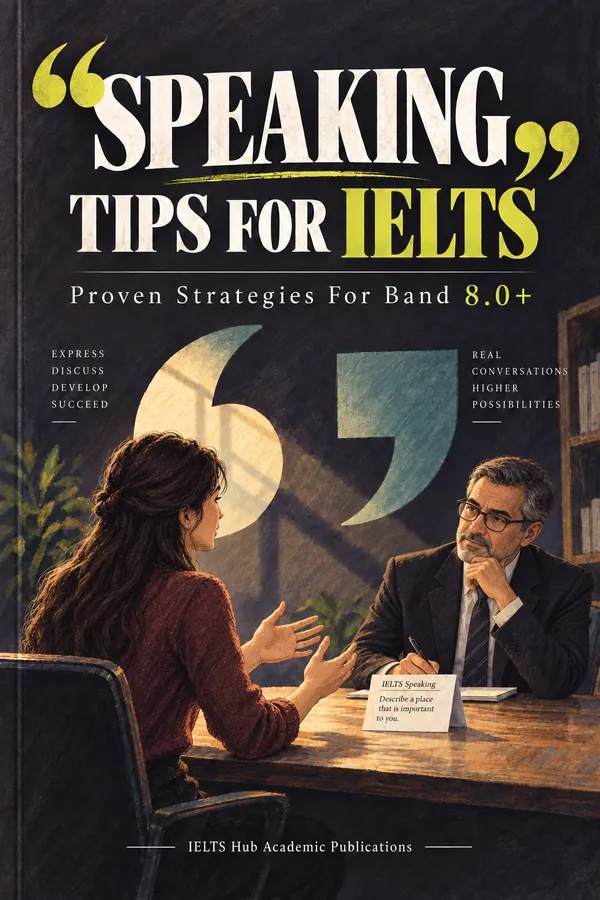
Speaking
Speaking Tips for IELTS
Proven Strategies for Band 8.0+
₹299$9.99CAD 13.99AUD 14.99£7.99NZD 16.99€8.99AED 39SGD 12.99
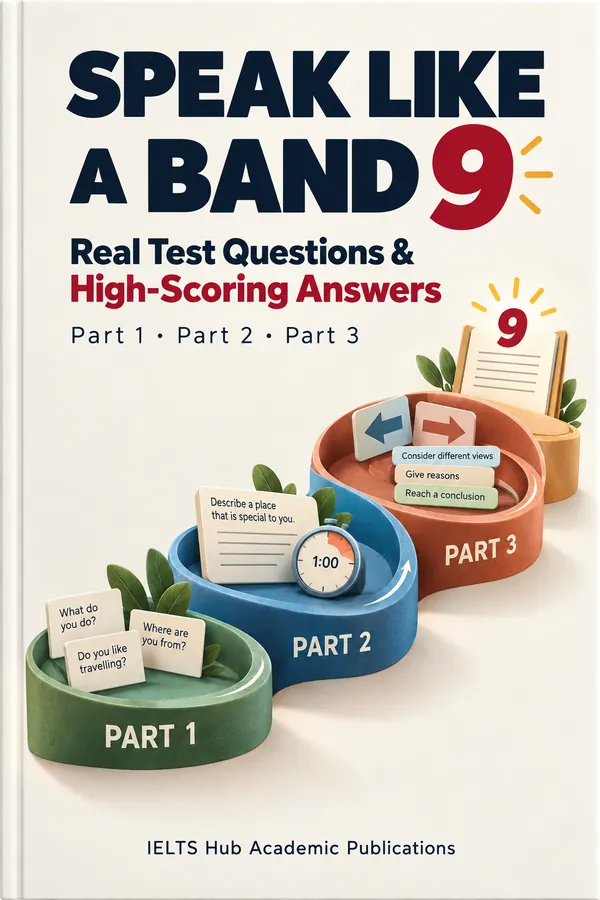
Speaking
Speak Like a Band 9
Real Test Questions & High-Scoring Answers
₹299$9.99CAD 13.99AUD 14.99£7.99NZD 16.99€8.99AED 39SGD 12.99