Speaking test #108
Part 1 · Interview
4 to 5 minutes. The examiner asks about you and familiar topics.
Can you tell me your full name?
Where are you from?
Do you work or are you a student?
How often do you read a newspaper?
I read a newspaper on a daily basis. I find it to be an excellent way to stay informed about current events and to stay up-to-date on the latest news and developments.
Why do you think some people like reading newspapers?
I think that some people enjoy reading newspapers because it provides them with an in-depth look at the news and events that are happening in the world. Additionally, newspapers often include a variety of different sections, such as business, sports, and entertainment, which can appeal to a wide range of readers.
Which other sources can people use to find out about the latest news?
There are many other sources that people can use to find out about the latest news, such as online news websites, television news programs, and social media. Additionally, many people also rely on news apps and podcasts to stay informed.
Do you think that it's important to know about news from other countries? Why / why not?
I believe that it is extremely important to know about news from other countries. Being aware of what is happening in the world around us can help us to understand and appreciate different cultures, as well as to make more informed decisions about global issues. Additionally, knowing about news from other countries can also help us to identify potential economic and political trends that may have an impact on our own country.
How do you celebrate New Year?
I usually celebrate New Year with my family and friends. We gather together at a designated place and have a big feast. We also make resolutions for the upcoming year and share our plans and goals. At midnight, we watch the fireworks and toast to a new year.
Do you still remember the new year that you celebrated?
Yes, I do. The most memorable New Year I celebrated was last year. My family and I went on a trip to a beautiful ski resort. We had a great time skiing and enjoying the snowy scenery. We also had a great dinner together and watched the fireworks at midnight. It was a very special and enjoyable experience.
Do you have any ceremonies to celebrate the New Year in your country?
Yes, we do have some ceremonies to celebrate the New Year in my country. One of the most popular ones is the traditional bell-ringing ceremony. People gather at temples and churches to ring the bell 109 times, which is believed to ward off evil spirits and bring good luck for the new year. Another popular ceremony is the New Year's Eve countdown, where people gather in public places to count down the last seconds of the year and celebrate the arrival of the new year.
Why do people think the New year is a new beginning?
People think the New Year is a new beginning because it marks the end of one year and the start of another. It is a time to reflect on the past year and make resolutions for the upcoming year. It is also a time to let go of any negative experiences and to start fresh with new goals and plans. The New Year also symbolizes hope and optimism for a better future.
You will have to talk about the topic for one to two minutes. You have one minute to think about what you are going to say. You can make some notes to help you if you wish.
Describe a common bird in your country
You should say:
- What is the name of the bird?
- Where is it commonly found?
- What does the bird look like?
- Why is this bird significant in your country?
What is the name of the bird?
In India, one of the most common and beloved birds is the Indian Peafowl, also known as the Indian Peacock. This majestic bird can be found throughout the country, from rural villages to urban parks and forests. Its striking appearance and distinctive calls make it easily recognizable in its natural habitat.
Where is it commonly found?
The Indian Peafowl is renowned for its vibrant plumage, with the male featuring a resplendent train of colorful feathers that can be fanned out in a magnificent display during courtship rituals. The female, known as a peahen, has more subdued colors but is equally elegant. This bird's regal appearance has inspired art, folklore, and even fashion in India.
What does the bird look like?
The Indian Peafowl holds significant cultural and religious symbolism in India. It is the national bird of the country, representing grace, beauty, and pride. In Hindu mythology, the peacock is associated with various deities and is considered a symbol of protection and auspiciousness. Its presence in Indian art and literature reflects its deep-rooted importance in the country's heritage.
Why is this bird significant in your country?
Overall, the Indian Peafowl is not just a common bird in India, but a cherished icon that embodies the richness of Indian culture and tradition. Its beauty, symbolism, and cultural relevance make it a source of pride for the people of India, ensuring its enduring popularity and significance in the country.
- Words
- 218
- Sentences
- 12
- Words per sentence
- 18.2
- Speaking time
- about 1.7 min
Counted at 130 words a minute. The exam gives you one to two minutes.
Part 3 · Discussion
4 to 5 minutes. The examiner asks broader questions linked to the cue card topic.
What are the differences in common birds in your country compared to other places?
That's a fascinating question! In my country, we have a diverse range of birds, each with its unique characteristics shaped by the local environment. For instance, birds like the sparrow and pigeon are incredibly adaptable and can thrive in urban areas, while more exotic species, such as the peacock, are often found in rural settings and are known for their stunning plumage. In contrast, regions with different climates, like tropical or arctic zones, showcase birds that have evolved distinct traits to survive. For example, tropical birds often exhibit vibrant colors and intricate songs to attract mates, whereas birds in colder regions may have thicker plumage and a more subdued color palette to blend into their snowy surroundings. It's truly remarkable how these adaptations reflect the ecological demands of various environments!
How much do you think people appreciate having common birds around them?
I believe that the presence of common birds in our environment is highly valued, though often overlooked. These birds are not just beautiful to observe; they play a crucial role in the ecosystem, such as pollination and seed dispersal, which are essential for maintaining biodiversity. Moreover, their songs and behaviors can significantly enhance our mental well-being, providing a sense of tranquility and connection to nature. For many, the chirping of birds can evoke a sense of nostalgia or even spark a passion for birdwatching, which fosters a deeper appreciation for wildlife. In essence, while the value of common birds might not always be consciously recognized, their impact on our lives and environment is profound and irreplaceable.
How do common birds help keep nature balanced in your country?
Common birds play a crucial role in maintaining the ecological balance in my country, as they contribute significantly to various ecological processes. For instance, many birds are natural pest controllers, keeping insect populations in check, which in turn helps to protect crops and maintain agricultural productivity. Additionally, birds such as sparrows and finches assist in seed dispersal, promoting plant growth and biodiversity across different habitats. Their presence also indicates the overall health of the ecosystem, acting as a barometer for environmental changes. In short, birds are not just a delight to observe; they are vital to ensuring that our ecosystems remain robust and resilient.
Why do people feel a bond with the birds they see around them?
People often feel a connection to common birds in their local area because these creatures are a part of their everyday lives. For many, observing these birds can evoke a sense of nostalgia, reminding them of childhood memories spent outside or family outings in nature. Additionally, the presence of familiar bird species can create a feeling of belonging, as they contribute to the unique identity of a community. When individuals take the time to appreciate these birds, they may also develop a deeper understanding of the ecosystem, fostering a sense of responsibility towards conservation. Ultimately, these connections can enrich our lives, providing joy and a greater appreciation for the natural world around us.
How could the number of common birds change in the future because of environmental factors?
The future of common bird populations is likely to be significantly influenced by a variety of environmental factors. As climate change continues to reshape habitats, we might see shifts in biodiversity, which can affect food availability and nesting sites for these birds. For instance, if temperatures rise, certain species may migrate to cooler areas, leading to a potential disruption in ecosystems. Additionally, urbanization and habitat destruction could exacerbate the situation, pushing many birds to the brink of extinction. However, there’s also hope; increased awareness and conservation efforts could help mitigate these impacts and support the resilience of bird populations. Ultimately, it’s a complex interplay of challenges and opportunities that will shape the future of our feathered friends.
What steps can be taken to help keep common bird species from decreasing in number?
To protect common bird species from declining numbers, we can implement several effective measures. First and foremost, habitat conservation is crucial; we need to preserve and restore natural habitats, ensuring that birds have safe places to breed and forage. Additionally, public awareness campaigns can play a significant role in educating communities about the importance of birds in our ecosystems, encouraging people to participate in conservation efforts. Moreover, we should consider implementing stricter regulations on pesticide use, as chemicals can severely impact bird populations. Lastly, supporting local initiatives that promote sustainable practices can create a more balanced relationship between humans and wildlife. By taking these steps, we can make a tangible difference in safeguarding our avian friends.
Go further with the books

Speaking
Speak Like a Band 9
Real Test Questions & High-Scoring Answers
₹299$9.99CAD 13.99AUD 14.99£7.99NZD 16.99€8.99AED 39SGD 12.99
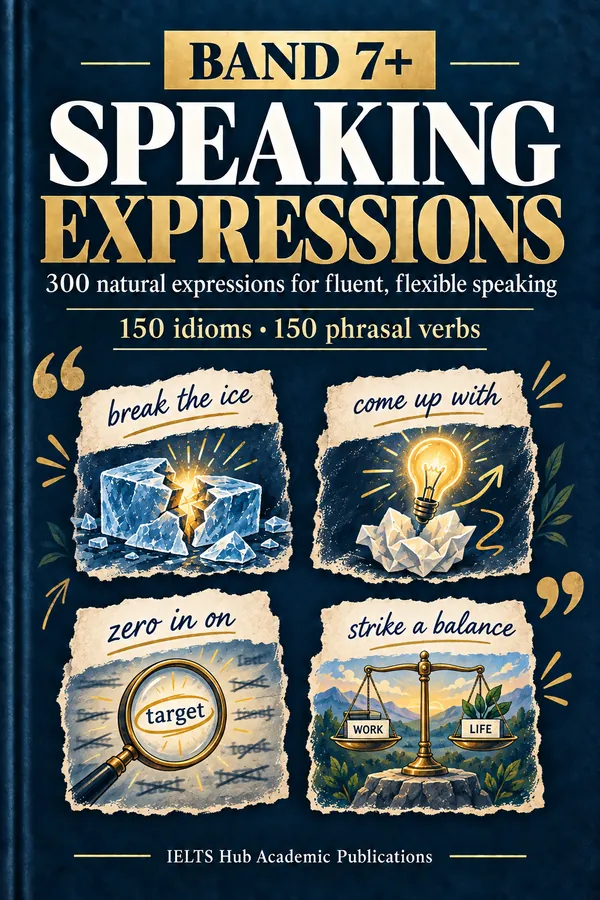
Speaking
Band 7+ Speaking Expressions
300 natural expressions for fluent, flexible speaking
₹199$6.99CAD 8.99AUD 9.99£4.99NZD 10.99€5.99AED 24SGD 8.99
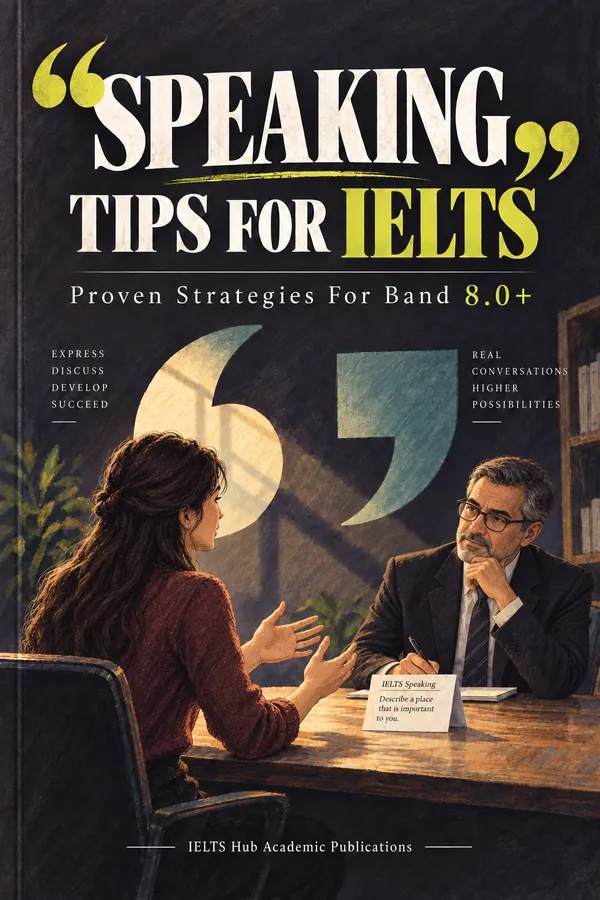
Speaking
Speaking Tips for IELTS
Proven Strategies for Band 8.0+
₹299$9.99CAD 13.99AUD 14.99£7.99NZD 16.99€8.99AED 39SGD 12.99