Speaking test #113
Part 1 · Interview
4 to 5 minutes. The examiner asks about you and familiar topics.
Can you tell me your full name?
Where are you from?
Do you work or are you a student?
Do you usually use a pen or a pencil?
I usually use a pen, as I find it to be a more efficient and reliable writing instrument. The ink flows smoothly and the lines are consistent, which helps me to take clear and legible notes.
When was the last time you bought a pen or pencil?
The last time I bought a pen was about a week ago. I needed a new one for a meeting and decided to purchase a sleek, black ballpoint pen that I thought would make a good impression.
How would you feel if someone give you pen or pencil as a gift?
I would feel quite touched if someone gave me a pen or pencil as a gift. It might seem like a small and insignificant thing, but it would show that the person put thought and effort into choosing something that they knew I would appreciate.
Why do you think most teachers would teach the students to learn to write in pen?
I believe that most teachers would teach students to write in pen because it is a more permanent and professional way of writing. Pen writing is considered more formal and has more authority than pencil writing. Additionally, it is important for students to learn how to write in pen, as it will prepare them for real-world situations where writing in pen is expected, such as in job interviews or formal documents.
Do you like perfumes?
Oh, I absolutely adore perfumes. I find them to be such a luxurious and indulgent way to enhance one's personal style and make a lasting impression. The art of perfumery is truly captivating, and I love discovering new scents and experimenting with different fragrances.
Do you usually wear perfume?
Yes, I do. I'm quite particular about the perfumes I wear and tend to stick to a few signature scents that I know suit me well. I usually wear perfume on special occasions and when I know I'll be meeting new people, as I believe it can be a powerful tool for making a positive first impression.
Would you ever buy an expensive bottle of perfume?
Definitely. For me, the price of a perfume is not as important as the quality and uniqueness of the scent. I would be willing to invest in an expensive bottle of perfume if it was something truly special and exclusive, and if it was something I knew I would wear often and for a long time.
Have you ever given someone’s perfume as a present?
Yes, I have. I think perfume can be a really thoughtful and personal gift, and I've given it as a present to both friends and family. I always try to put a lot of thought and consideration into the scent I choose, as I want it to be something that the person will truly enjoy and appreciate.
You will have to talk about the topic for one to two minutes. You have one minute to think about what you are going to say. You can make some notes to help you if you wish.
Describe a memorable childhood event
You should say:
- What the event was
- Where it happened
- Who was involved
- Why it was memorable
What the event was
During my childhood in India, one particularly memorable event was celebrating Diwali, the festival of lights. This event holds a special place in my heart as it signifies the triumph of light over darkness and good over evil. Diwali is a grand festival celebrated by millions of people across India, making it a truly unforgettable experience.
Where it happened
The event took place in my hometown, where the entire neighborhood came alive with vibrant colors, sparkling lights, and joyous celebrations. Every house was adorned with beautiful decorations, and the streets were lit up with diyas (oil lamps) and colorful lanterns. The festive atmosphere created a sense of unity and happiness among everyone in the community.
Who was involved
My family and I, along with our neighbors and relatives, were all actively involved in the preparations and celebrations. We spent days cleaning and decorating our house, preparing delicious sweets and snacks, and exchanging gifts with loved ones. The laughter, warmth, and togetherness shared during Diwali made it a truly unforgettable experience for me.
Why it was memorable
What made this event even more memorable was the sense of tradition and cultural significance attached to it. The rituals, prayers, and customs observed during Diwali taught me valuable lessons about the importance of family, community, and positivity. The festive spirit and the traditions associated with Diwali continue to hold a special place in my heart, reminding me of the joy and togetherness that define this beautiful festival.
- Words
- 234
- Sentences
- 12
- Words per sentence
- 19.5
- Speaking time
- about 1.8 min
Counted at 130 words a minute. The exam gives you one to two minutes.
Part 3 · Discussion
4 to 5 minutes. The examiner asks broader questions linked to the cue card topic.
How do childhood memories affect a person's life as an adult?
Childhood memories play a profound role in shaping an individual's adult life. For starters, our early experiences often form the foundation of our emotional resilience; positive memories can foster a sense of security and self-worth, while negative experiences might lead to challenges in trusting others or managing anxiety. Additionally, these memories influence our values and beliefs, often dictating how we approach relationships, work, and even personal goals. Moreover, nostalgia for certain aspects of childhood can drive adults to seek similar experiences in their current lives, whether that's through hobbies, career choices, or parenting styles. Ultimately, the tapestry of our childhood memories weaves itself into the fabric of our identity, guiding our decisions and interactions in ways we might not even consciously recognize. It’s fascinating how those formative years can leave such a lasting imprint on who we become!
Some people think that things that happen in childhood influence who we are, while others believe they don't matter much. What do you think about this?
I firmly believe that childhood events play a crucial role in shaping our personalities. During those formative years, we are incredibly impressionable, and experiences—whether positive or negative—can leave a lasting mark on our character. For instance, a supportive upbringing can foster traits like resilience and empathy, while adverse experiences might lead to challenges in trust or self-esteem. Additionally, the relationships we build in childhood often set the tone for how we interact with others later in life. So, in my view, the impact of childhood experiences is profound and cannot be understated.
How important do you believe childhood experiences are for emotional growth?
Childhood events play a critical role in shaping emotional development. During these formative years, experiences can profoundly influence how individuals perceive and react to the world around them. For instance, positive interactions, like supportive relationships with family and friends, can foster a sense of security and self-worth, while negative experiences, such as trauma or neglect, can lead to emotional challenges later in life. It’s fascinating how these early events can lay the foundation for our coping mechanisms and emotional resilience. In essence, the emotional patterns we establish in childhood often carry into adulthood, making those years incredibly significant.
Why do you think some childhood experiences stick in our minds for a long time?
Certain childhood experiences tend to linger in our memory because they are often tied to strong emotions or significant events in our lives. When we experience something that evokes intense feelings—whether it’s joy, fear, or even sadness—our brain marks those moments as important, leading to a more vivid and lasting memory. Additionally, childhood is a time of rapid development and exploration, so experiences during this period can feel particularly impactful, shaping our identities and perspectives. Moreover, when we share these memories with family or friends, it reinforces them and helps us relive those moments, making them even more memorable. Overall, it’s fascinating how our minds prioritize certain experiences, allowing them to become a permanent part of our personal narrative.
How does remembering childhood experiences change as people get older?
As people grow older, their perspective on childhood experiences often undergoes a significant transformation. Initially, children tend to view their memories through a lens of innocent wonder, where every little event feels monumental. However, as adults, they may start to reflect on those same experiences with a more critical eye, often analyzing the emotions tied to those memories and the lessons learned. This shift can lead to a deeper appreciation of both the joys and challenges faced during childhood. Moreover, nostalgia can play a role, as adults might romanticize their past, highlighting only the positive aspects while downplaying the negative ones. Overall, this evolution in recall not only shapes personal identity but also influences how individuals connect with their past.
What steps can be taken to help kids have more positive and memorable experiences while they are growing up?
To help children create more positive and memorable experiences during their formative years, it’s essential to foster an environment that encourages exploration and creativity. For instance, schools and parents can organize hands-on activities like arts and crafts or science experiments, which not only stimulate creativity but also help children develop critical thinking skills. Additionally, incorporating regular outdoor activities into their routines can enhance their physical health and provide them with a sense of adventure and freedom. Moreover, it’s crucial to prioritize emotional well-being by teaching children about emotional intelligence. This can be achieved through open conversations about feelings and encouraging them to express their thoughts in a safe space. Overall, by creating a supportive and engaging atmosphere, we can significantly enrich children’s formative experiences and equip them with lasting memories and skills for the future.
Go further with the books
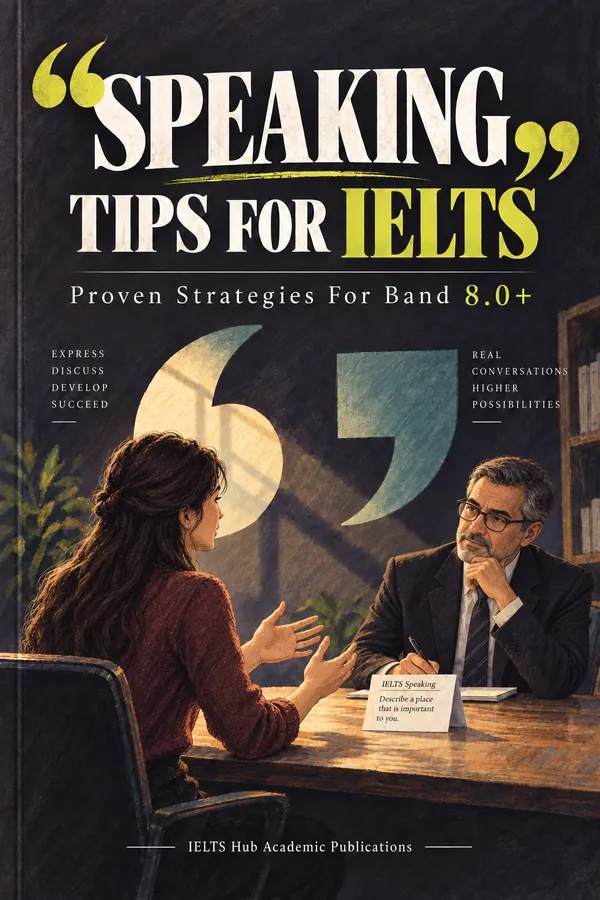
Speaking
Speaking Tips for IELTS
Proven Strategies for Band 8.0+
₹299$9.99CAD 13.99AUD 14.99£7.99NZD 16.99€8.99AED 39SGD 12.99
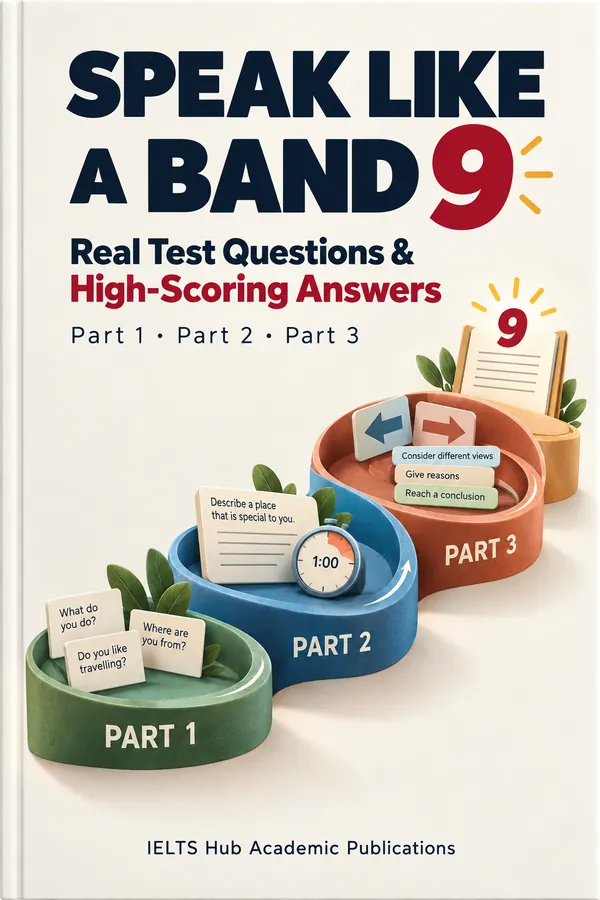
Speaking
Speak Like a Band 9
Real Test Questions & High-Scoring Answers
₹299$9.99CAD 13.99AUD 14.99£7.99NZD 16.99€8.99AED 39SGD 12.99

Speaking
Band 7+ Speaking Expressions
300 natural expressions for fluent, flexible speaking
₹199$6.99CAD 8.99AUD 9.99£4.99NZD 10.99€5.99AED 24SGD 8.99