Speaking test #117
Part 1 · Interview
4 to 5 minutes. The examiner asks about you and familiar topics.
Can you tell me your full name?
Where are you from?
Do you work or are you a student?
What did you like to do the most when you were in primary school?
When I was in primary school, I loved playing sports. I was particularly passionate about soccer and would spend most of my free time practicing and playing with my friends. I also enjoyed participating in school sports teams and competitions, it was always a great feeling to represent my school and compete against other teams.
How did you go to your primary school?
I used to go to my primary school by bus. My parents would drop me off at the bus stop near our house, and I would take the bus to school. It was a convenient and efficient way to travel, and I enjoyed the short journey to school each day.
How do you like your primary school?
I have fond memories of my primary school. The teachers were very supportive and dedicated, and the curriculum was challenging but engaging. I also made many lasting friendships during my time there, and I have very fond memories of the school community. Overall, I had a positive experience at my primary school.
What did you do in your leisure time in your primary school?
In my leisure time in primary school, I enjoyed playing sports with my friends. We would often organize impromptu soccer matches in the playground during lunch breaks and after school. I also enjoyed reading and would often spend my free time in the school library. I also loved playing with my classmates in the school yard, and it was always a great time.
How popular are bicycles in your hometown? [Why?
?] Bicycles are actually quite popular in my hometown. I think a lot of people opt for them as a more environmentally-friendly mode of transportation, especially since our city has a pretty good network of bike lanes and paths. Plus, with the rise of bike-sharing programs, it's become easier for people to access them when they need them.
How often do you ride a bicycle? [Why/Why not?
?] I try to ride my bike as often as possible, both for the exercise and because it's a more sustainable option for getting around. However, I do live in a city with unpredictable weather, so sometimes it's not practical to ride if it's pouring rain or there's a snowstorm.
Do you think that bicycles are suitable for all ages? [Why/Why not?
?] I think that bicycles can definitely be suitable for all ages, as long as the person is comfortable and able to ride safely. Of course, there are some limitations for younger children or elderly individuals, but with the right equipment and precautions, I don't see any reason why anyone of any age couldn't enjoy the benefits of cycling.
What are the advantages of a bicycle compared to a car? [Why?
?] There are so many advantages of a bicycle compared to a car. For one, they're much more eco-friendly, as they don't emit any harmful emissions. They're also much cheaper to maintain and operate, since you don't have to pay for gas or insurance. Additionally, cycling is a great form of exercise, and it can be a really enjoyable way to get around. Plus, with more and more cities investing in bike lanes and infrastructure, it's becoming easier and safer to ride a bike as a mode of transportation.
You will have to talk about the topic for one to two minutes. You have one minute to think about what you are going to say. You can make some notes to help you if you wish.
Describe a workplace you have worked in or know about
You should say:
- What type of workplace it is
- How you know about this workplace
- What kind of work is done there
- Your overall impression of the workplace
I would like to talk about a software development company in Bangalore where I interned during my summer break. This workplace is a modern office located in the heart of the city, known for its innovative work culture and collaborative environment. I got to know about this workplace through a friend who was already an employee there and spoke highly of the company's values and projects.
The company specializes in developing cutting-edge software solutions for various industries, including healthcare, finance, and e-commerce. The work environment is fast-paced and dynamic, with teams actively engaged in brainstorming sessions and coding marathons. The workplace fosters creativity and encourages employees to think outside the box, which results in the development of innovative products that cater to the ever-evolving market demands.
My overall impression of this workplace is extremely positive. The management prioritizes employee well-being and professional growth, offering regular training sessions and career development opportunities. The inclusivity and diversity within the teams create a welcoming atmosphere where everyone's ideas are valued. The company's commitment to excellence and teamwork is reflected in the high-quality products they deliver to their clients, making it a desirable place to work for any aspiring software developer.
- Words
- 197
- Sentences
- 10
- Words per sentence
- 19.7
- Speaking time
- about 1.5 min
Counted at 130 words a minute. The exam gives you one to two minutes.
Part 3 · Discussion
4 to 5 minutes. The examiner asks broader questions linked to the cue card topic.
How do various work settings affect how productive and happy employees are?
Different workplace environments can significantly impact both employee productivity and satisfaction. For instance, an office that promotes collaboration and open communication often fosters a sense of community among coworkers, which can lead to increased motivation and creativity. Conversely, a cramped or poorly lit workspace might contribute to feelings of frustration and decreased morale, ultimately hindering performance. Moreover, workplaces that incorporate elements like flexible working hours or remote work options tend to enhance job satisfaction, as employees appreciate the autonomy and work-life balance these arrangements provide. Additionally, environments that prioritize ergonomic design and well-being can boost not only comfort but also long-term health, which is crucial for sustaining productivity. Overall, the physical and cultural aspects of a workplace play a pivotal role in shaping how employees feel about their jobs and how effectively they perform.
How do some people see traditional offices as better than working from home?
There are definitely several reasons why some people might view traditional offices as more beneficial than remote working arrangements. For starters, the face-to-face interactions in an office setting foster a sense of camaraderie and teamwork that can be hard to replicate online. Many individuals thrive in an environment where they can quickly bounce ideas off colleagues or seek immediate feedback, which often leads to more efficient problem-solving. Additionally, traditional offices can provide a clearer work-life balance since the physical separation between home and work helps people to truly disengage after hours. Lastly, some may argue that the structured environment of an office can enhance productivity, as it minimizes the myriad of distractions that can come with remote working.
How does a good workplace culture help keep employees and contribute to success?
A positive workplace culture is absolutely vital for employee retention and overall success. When employees feel valued and supported, it fosters a sense of belonging and commitment to the organization. This not only reduces turnover rates but also enhances productivity, as motivated employees are likely to go above and beyond in their roles. Moreover, a culture that promotes open communication and collaboration encourages innovation and problem-solving, leading to better business outcomes. Ultimately, when employees are happy and engaged, it creates a virtuous cycle that benefits both the individuals and the organization as a whole.
Why do you think some people do well in busy work environments while others like a calmer setting?
That's a really interesting question! I believe it largely comes down to personality traits and individual preferences. Some people are naturally more adaptable and thrive on challenges, finding energy and motivation in a fast-paced environment. They often enjoy the dynamic nature of such workplaces, where every day brings new tasks and opportunities. On the other hand, individuals who prefer a more relaxed atmosphere might value work-life balance and find that a slower pace allows them to be more productive and creative. Ultimately, it's about finding the right fit for one's own style and how they respond to stress and stimulation.
How could workplaces change in the future due to new technology and different employee needs?
The future of workplaces is poised for a remarkable transformation, largely driven by the rapid advancement of technology and evolving employee expectations. For instance, the rise of remote work technologies has already reshaped traditional office environments, allowing for greater flexibility and work-life balance. As a result, we might see a shift towards hybrid models where employees can choose their work settings based on their personal preferences and productivity levels. Additionally, with the increasing emphasis on mental health and well-being, workplaces may adopt more holistic approaches, incorporating wellness programs and creating more inclusive environments. Ultimately, this evolution will not only enhance employee satisfaction but also drive innovation and productivity in the workplace.
What steps can organizations take to improve communication and teamwork among their members?
Organizations can adopt several effective measures to enhance communication and collaboration among team members. First and foremost, implementing regular team-building activities can foster a sense of camaraderie and trust, which are essential for open communication. Additionally, utilizing modern technology, such as collaborative tools and platforms, can streamline communication and ensure that everyone is on the same page. Regular feedback sessions and open-door policies are also crucial, as they encourage team members to share their thoughts and ideas freely. Ultimately, cultivating a positive and inclusive workplace culture can significantly boost teamwork and productivity.
Go further with the books
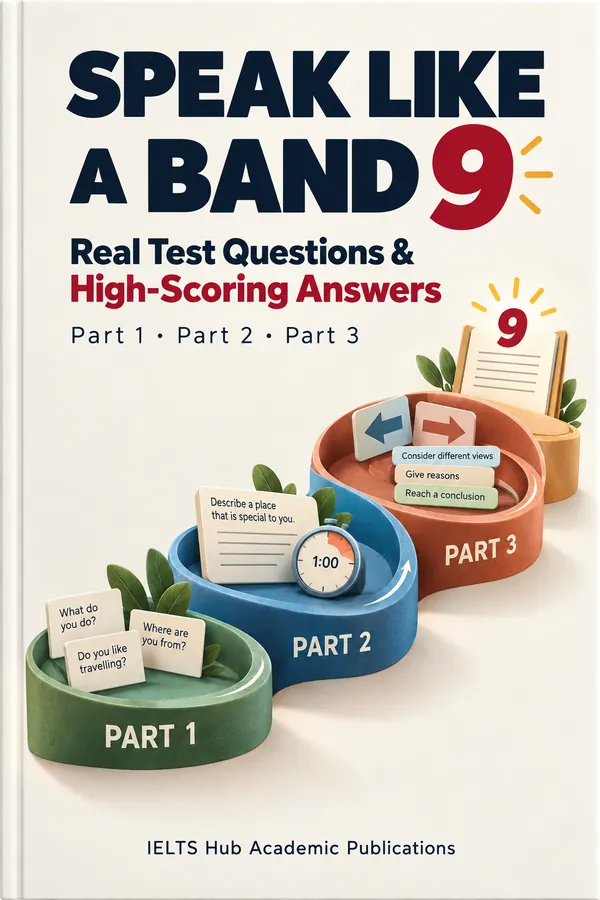
Speaking
Speak Like a Band 9
Real Test Questions & High-Scoring Answers
₹299$9.99CAD 13.99AUD 14.99£7.99NZD 16.99€8.99AED 39SGD 12.99

Speaking
Band 7+ Speaking Expressions
300 natural expressions for fluent, flexible speaking
₹199$6.99CAD 8.99AUD 9.99£4.99NZD 10.99€5.99AED 24SGD 8.99

Speaking
Speaking Tips for IELTS
Proven Strategies for Band 8.0+
₹299$9.99CAD 13.99AUD 14.99£7.99NZD 16.99€8.99AED 39SGD 12.99