Speaking test #131
Part 1 · Interview
4 to 5 minutes. The examiner asks about you and familiar topics.
Can you tell me your full name?
Where are you from?
Do you work or are you a student?
What kind of social networking websites do you like to use?
I am an avid user of social networking websites and I particularly enjoy using platforms like Facebook, Instagram, and LinkedIn. I find that these websites offer a great balance between connecting with friends and family, as well as professional networking opportunities.
Are you a social person?
Yes, I would consider myself to be a very social person. I enjoy meeting new people and engaging in meaningful conversations. I find that socializing helps me to expand my perspective and learn new things.
What kinds of people do you like to be friends with on those websites?
I enjoy connecting with a diverse group of people on social networking websites. I like to be friends with people who have similar interests as well as those who have different backgrounds and perspectives. I find that this helps me to broaden my horizons and learn new things.
Is it easy to find real friends on a social networking website?
I believe that it can be easy to find real friends on social networking websites, but it also requires a certain level of effort. While it is easy to connect with people online, building meaningful relationships takes time and requires regular communication and engagement. However, I think that the effort is worth it, as the connections that I have made on social networking websites have been some of the most meaningful in my life.
Do you mind noises?
Not at all, I actually find certain noises quite soothing and calming. However, I do understand that excessive noise can be quite disruptive and annoying.
What types of noise do you come across in your daily life?
I come across a variety of different noises in my daily life, such as traffic noise, construction noise, and the chatter of people in public places. I also hear the sounds of nature, like birds singing and the rustling of leaves in the wind.
Are there any sounds that you like?
Yes, I absolutely love the sound of waves crashing on the beach, the soft chirping of birds in the morning, and the gentle hum of a guitar being played. These sounds have a calming effect on me and make me feel at peace.
Do you think there’s too much noise in modern society?
I do believe that there is a lot of unnecessary noise in modern society, especially in urban areas. The constant sound of traffic, honking cars, and loud music can be quite overwhelming at times. However, I also think that it's important to appreciate and enjoy the sounds that are a part of our everyday lives, as they can bring us joy and remind us of the beauty of the world around us.
You will have to talk about the topic for one to two minutes. You have one minute to think about what you are going to say. You can make some notes to help you if you wish.
Describe a neighbour who helps other people
You should say:
- Who the neighbour is
- How the neighbour helps others
- Why the neighbour helps others
- Your opinion about the neighbour's actions
Who the neighbour is
I would like to talk about Mrs. Sharma, a remarkable neighbour living in my community, who goes above and beyond to help others selflessly. Mrs. Sharma is a retired school teacher in her late sixties, known for her kind heart and generous nature. She is always the first person to lend a hand to anyone in need, be it helping with groceries, providing emotional support, or offering a listening ear.
How the neighbour helps others
Mrs. Sharma's acts of kindness are truly inspiring. She regularly volunteers at the local community center, organizing events and workshops for underprivileged children and elderly residents. Additionally, she is known for her delicious cooking skills and often prepares meals for those who are sick or going through a difficult time. Her dedication to helping others has made a significant impact on our community, bringing people together and fostering a sense of unity and support.
Why the neighbour helps others
The reason behind Mrs. Sharma's altruistic nature stems from her deep-rooted belief in the power of kindness and compassion. Having experienced hardships in her own life, she understands the importance of lending a helping hand and showing empathy towards others. For her, helping others is not just a duty but a way of life that brings her immense joy and fulfillment.
Your opinion about the neighbour's actions
In my opinion, Mrs. Sharma is a true role model for us all. Her selfless acts of kindness and unwavering dedication to helping others serve as a reminder of the positive impact one person can have on a community. I believe we can all learn from her example and strive to make a difference in the lives of those around us, just like Mrs. Sharma does every day.
- Words
- 273
- Sentences
- 19
- Words per sentence
- 14.4
- Speaking time
- about 2.1 min
Counted at 130 words a minute. The exam gives you one to two minutes.
Part 3 · Discussion
4 to 5 minutes. The examiner asks broader questions linked to the cue card topic.
How do different communities support their members differently than individuals do?
Communities often demonstrate support through a variety of collective initiatives that can be incredibly impactful. For instance, in many neighborhoods, you’ll find community centers that offer resources like counseling, job training, and social activities, which create a strong sense of belonging. This is quite different from individual support, which tends to be more personal and one-on-one. For example, when a friend is going through a tough time, an individual might offer a listening ear or practical help, but a community might organize events to raise funds or awareness for that person. Overall, the strength of community support lies in its ability to mobilize resources and foster a sense of solidarity, whereas individual support is often more intimate and tailored to specific needs.
What is the role of community helpers in a neighborhood? Are their contributions important?
Community helpers play a pivotal role in shaping the fabric of a neighborhood, and their contributions are undeniably seen as essential. They are the backbone of local support systems, whether it's teachers, healthcare workers, or emergency responders. Their presence fosters a sense of security and belonging, making community members feel connected and cared for. Furthermore, their efforts often go beyond mere job descriptions; they actively enhance the quality of life and promote social cohesion among residents. In a world that can sometimes feel isolating, these individuals are truly the unsung heroes that keep our neighborhoods thriving!
How do kindness and generosity help build a strong sense of community?
Kindness and generosity are absolutely fundamental in nurturing a strong community spirit. When individuals extend a helping hand or show genuine care for one another, it creates a ripple effect that strengthens social bonds. For instance, acts of selfless giving, whether it’s through volunteering or simply being there for a neighbor in need, foster a sense of belonging and trust among community members. This interconnectedness not only enhances individual well-being but also cultivates a shared responsibility towards each other. Ultimately, when kindness and generosity are at the forefront, they lay the groundwork for a vibrant, resilient community where everyone feels valued and supported.
Why do some people want to help their neighbors, while others decide not to get involved?
That's a fascinating question! I think the reasons behind this disparity often stem from personal values and community dynamics. Some individuals feel a strong sense of community responsibility, perhaps due to their upbringing or cultural background, which drives them to lend a helping hand to their neighbors. On the other hand, some people may prioritize their own lives or feel a lack of social connection, leading them to disengage from their surroundings. Additionally, factors like busy lifestyles and individualistic attitudes can contribute to this reluctance to assist. Ultimately, it's a mix of personal beliefs and external influences that shapes how people interact with their neighbors.
How could helping neighbors change in future city settings?
The trend of neighborly assistance in future urban environments is likely to undergo a significant transformation, largely driven by technological advancements and changing social dynamics. As cities become more densely populated, I anticipate a rise in community-oriented apps that facilitate connections among neighbors, allowing them to offer help with tasks like grocery shopping or pet sitting. This shift towards a more interconnected community could create a sense of belonging that many people crave, even in bustling urban settings. Moreover, with the increasing focus on sustainability, neighbors might collaborate on local initiatives such as community gardens or shared transportation, fostering a spirit of cooperation that benefits everyone involved. Additionally, as we face challenges like climate change and economic uncertainty, the need for mutual support will likely become even more pronounced. Overall, I envision a future where neighborly assistance not only enhances social ties but also contributes to creating resilient urban communities.
What steps can be taken to get more people to help their neighbors?
To encourage more people to engage in helping their neighbors, community programs that promote social cohesion could be incredibly effective. For instance, organizing neighborhood events, such as community clean-ups or block parties, can foster a sense of belonging and encourage interactions among residents. Additionally, local governments could provide incentives, like grants or recognition programs, for those who actively participate in volunteer initiatives. Furthermore, raising awareness through social media campaigns can highlight the importance of helping one another, thereby inspiring others to get involved. Ultimately, creating an environment where neighbors feel connected can significantly increase participation in community support activities.
Go further with the books
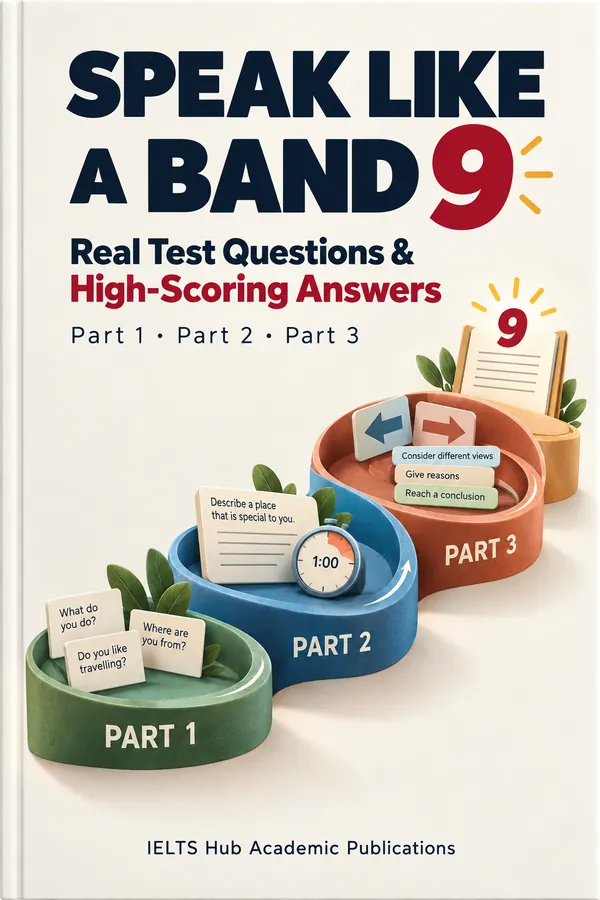
Speaking
Speak Like a Band 9
Real Test Questions & High-Scoring Answers
₹299$9.99CAD 13.99AUD 14.99£7.99NZD 16.99€8.99AED 39SGD 12.99
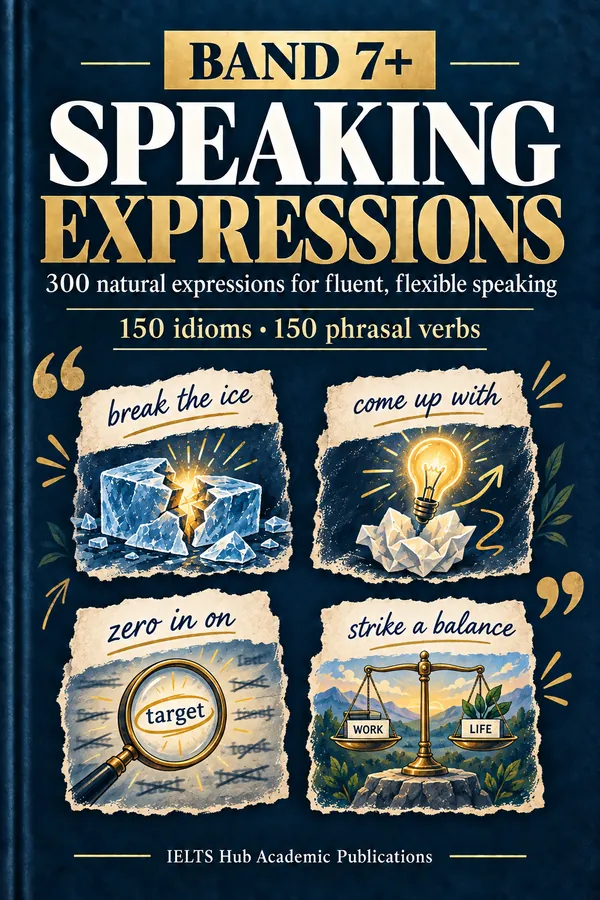
Speaking
Band 7+ Speaking Expressions
300 natural expressions for fluent, flexible speaking
₹199$6.99CAD 8.99AUD 9.99£4.99NZD 10.99€5.99AED 24SGD 8.99

Speaking
Speaking Tips for IELTS
Proven Strategies for Band 8.0+
₹299$9.99CAD 13.99AUD 14.99£7.99NZD 16.99€8.99AED 39SGD 12.99