Speaking test #133
Part 1 · Interview
4 to 5 minutes. The examiner asks about you and familiar topics.
Can you tell me your full name?
Where are you from?
Do you work or are you a student?
What do you most enjoy doing with other people?
I absolutely love exploring new places and trying new things with my friends. Whether it's going on a hike, trying a new restaurant, or even just going for a walk in a new neighborhood, I find that the experience is always so much more enjoyable when I'm with other people. I think it's because we can share in the excitement and discovery together, and it makes everything more memorable.
Do you prefer studying with other people or on your own?
I definitely prefer studying with other people. I find that when I'm working on a difficult assignment or trying to understand a complex concept, having someone else to bounce ideas off of and ask questions of is incredibly valuable. Plus, working in a group can be a lot more fun and motivating than working alone.
Would you like a job that involves working with a lot of people?
Absolutely! I thrive in environments where I'm constantly interacting with others, and I think that a job that involves working with a lot of people would be incredibly fulfilling for me. I love the energy and creativity that comes from working with a team, and I think that being around other people would help me to stay motivated and engaged in my work.
Do you have enough time for doing things with your friends?
I try my best to make time for my friends, but sometimes it can be difficult. I work a lot and I have a lot of other responsibilities, so it can be hard to find the time to hang out with my friends as much as I'd like. But I always make sure to prioritize my relationships with my friends, and I try to make sure that I'm always making time for the people that are most important to me.
What sports do you like?
Oh, I absolutely adore sports! My favorites are definitely soccer and tennis. I love the thrill of the game and the adrenaline rush it gives me.
Where did you learn how to do it?
I learned how to play soccer and tennis through various youth programs in my local community. I also had some great coaches who helped me develop my skills and improve my technique.
Did you do any sport when you were young?
Yes, I was very active as a child. I played soccer and tennis, as well as other sports like basketball and volleyball. It was always a big part of my life and I loved being part of a team.
Do you think students need more exercise?
Absolutely! Exercise is so important for physical and mental well-being, and I think students can benefit greatly from incorporating more physical activity into their daily routine. Whether it's through organized sports or simply going for a daily walk or run, regular exercise can help students stay healthy and focused in school.
You will have to talk about the topic for one to two minutes. You have one minute to think about what you are going to say. You can make some notes to help you if you wish.
Describe an event that changed your life for the better
You should say:
- What the event was
- How it changed your life
- Why it was significant
- How you felt about the change
What the event was
The event that significantly changed my life for the better was when I decided to pursue higher education abroad. This decision marked a turning point in my life as it opened up a world of opportunities and personal growth that I had never imagined.
How it changed your life
Studying abroad not only provided me with a quality education but also exposed me to diverse cultures, perspectives, and ways of thinking. It broadened my horizons and helped me develop a global mindset, which has been invaluable in my personal and professional life. This experience challenged me to step out of my comfort zone, adapt to new environments, and become more independent and self-reliant.
Why it was significant
The decision to study abroad was significant because it not only enhanced my academic and career prospects but also transformed me into a more confident and resilient individual. It taught me to embrace change, overcome challenges, and thrive in unfamiliar situations. The skills and knowledge I gained during this period continue to shape my decisions and actions, empowering me to navigate life's complexities with courage and determination.
How you felt about the change
Overall, the change brought about by studying abroad filled me with a sense of fulfillment, growth, and gratitude. I felt a deep appreciation for the opportunities that came my way and the personal transformation that ensued. This event not only changed my life for the better but also inspired me to continue seeking new experiences and challenges that contribute to my growth and well-being.
- Words
- 239
- Sentences
- 11
- Words per sentence
- 21.7
- Speaking time
- about 1.8 min
Counted at 130 words a minute. The exam gives you one to two minutes.
Part 3 · Discussion
4 to 5 minutes. The examiner asks broader questions linked to the cue card topic.
How can a major life event affect people differently based on their backgrounds?
The impact of a life-changing event can vary significantly depending on an individual's background, including their culture, socioeconomic status, and personal experiences. For example, someone from a supportive family environment might find strength and resilience in the face of adversity, while another person from a less stable background might struggle to cope. Additionally, cultural perspectives can shape how people interpret and respond to such events; in some cultures, there’s a strong emphasis on community support, which can be incredibly beneficial. Ultimately, these differences highlight the complex interplay between personal circumstances and the way we process transformative experiences. It's fascinating to see how these factors can influence one's journey of healing and growth.
Why do some people see an important event in their life as good or bad?
People often perceive significant events as either beneficial or detrimental depending on their personal experiences and the outcomes of those events. For instance, a life-changing event like graduating from university can be seen as a joyous milestone, opening doors to new opportunities and careers. Conversely, a major setback, such as a job loss, might initially appear detrimental, but with time, it can lead to personal growth and the pursuit of a more fulfilling path. Additionally, the support systems individuals have in place can heavily influence their perspective; those surrounded by positive influences are more likely to view challenges as stepping stones rather than obstacles. Ultimately, it’s fascinating how mindset and context play such crucial roles in shaping our views on life's significant moments!
How can a good life event affect a person's future decisions and chances?
A positive life event can profoundly shape an individual's future choices and opportunities by instilling a sense of confidence and motivation. For instance, achieving a significant milestone, like graduating from university, often opens up a plethora of job prospects and encourages further personal development. When someone experiences a transformative event, they may also feel inclined to pursue new passions, leading to a ripple effect in their career and relationships. Additionally, such experiences can create a network of connections, as people often celebrate these moments with family and friends, fostering supportive relationships that can be invaluable in navigating future challenges. Ultimately, these events not only enhance one’s outlook on life but also serve as a springboard for making more informed and daring choices down the line.
Why do you think some people adjust to change more easily after a major event, while others have a hard time with it?
That's a fascinating question! I think it often boils down to individual resilience and coping mechanisms. Some people possess a natural ability to adapt and see change as an opportunity for growth, especially after experiencing a significant event that shakes up their routine. Conversely, others may become overwhelmed by uncertainty and fear, leading them to resist change rather than embrace it. Additionally, past experiences and support systems play a crucial role; those who have faced challenges before might be better equipped to handle new ones, while those without that support network can feel isolated and struggle to adjust. Ultimately, it’s a unique interplay of personality traits, life experiences, and social connections that influences how we navigate change.
What changes in society might happen if more people went through life-changing experiences?
If more individuals experienced transformative events, we could see a broad spectrum of positive changes in society. For one, individuals who undergo such experiences often develop a greater sense of empathy and understanding towards others, which could lead to stronger community bonds. Imagine a society where people genuinely seek to support one another, breaking down social barriers and promoting inclusivity. Furthermore, these transformative events could inspire individuals to pursue meaningful goals and contribute to addressing pressing societal issues, such as climate change or inequality. Ultimately, the ripple effect of personal transformation could lead to a more compassionate and proactive society, fostering a culture of collective responsibility and positive change.
How can we help people see and value the good parts of their life-changing experiences?
To help individuals recognize and appreciate the positive aspects of their life-changing experiences, a multifaceted approach can be quite effective. First and foremost, encouraging reflective practices, like journaling or meditation, allows people to process their experiences deeply and see the growth that often accompanies challenges. Additionally, facilitating supportive communities where individuals can share their stories can foster a sense of belonging and highlight the commonalities in their experiences, making it easier to identify the silver linings. Workshops focused on mindfulness techniques can also equip individuals with tools to shift their perspectives and celebrate their journey rather than dwell on difficulties. Ultimately, a combination of personal introspection and social support can empower people to embrace their transformative experiences with gratitude and insight.
Go further with the books
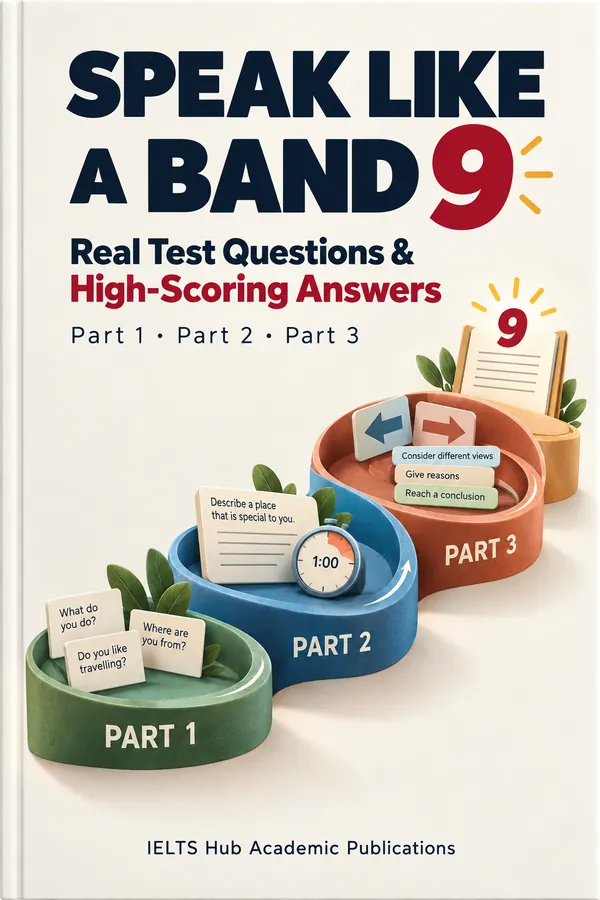
Speaking
Speak Like a Band 9
Real Test Questions & High-Scoring Answers
₹299$9.99CAD 13.99AUD 14.99£7.99NZD 16.99€8.99AED 39SGD 12.99

Speaking
Band 7+ Speaking Expressions
300 natural expressions for fluent, flexible speaking
₹199$6.99CAD 8.99AUD 9.99£4.99NZD 10.99€5.99AED 24SGD 8.99
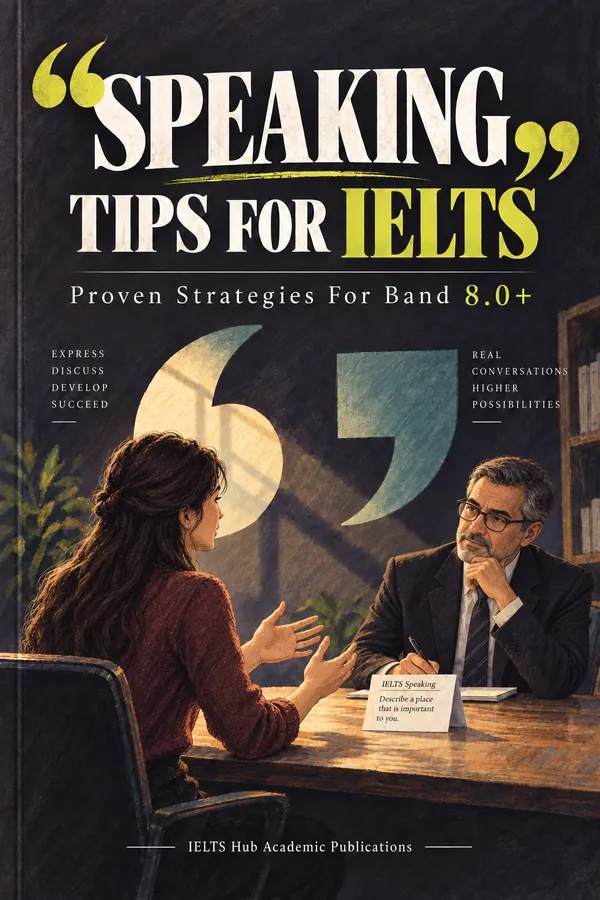
Speaking
Speaking Tips for IELTS
Proven Strategies for Band 8.0+
₹299$9.99CAD 13.99AUD 14.99£7.99NZD 16.99€8.99AED 39SGD 12.99