Speaking test #140
Part 1 · Interview
4 to 5 minutes. The examiner asks about you and familiar topics.
Can you tell me your full name?
Where are you from?
Do you work or are you a student?
Do you have any special talent?
Yes, I do have a special talent. I am a proficient pianist and have been playing the piano for over a decade. I have a passion for classical music and enjoy playing pieces by composers such as Beethoven and Chopin.
Did you learn it when you were young or recently?
I started learning the piano when I was quite young, around the age of six. I have been taking lessons consistently ever since and have continued to improve my skills and technique over the years.
Do you think your talent can be useful for your future work?
I believe that my talent for playing the piano can be useful for my future work in several ways. For example, it could be beneficial in the field of music education, as I could use my skills to teach others. Additionally, my ability to play the piano could be an asset in the entertainment industry, as I could perform in concerts or events.
Do you think anyone in your family has the same talent?
Yes, actually, my older sister is also a pianist and has been playing for even longer than I have. We often play together and it's always a joy to perform with her. Additionally, my cousin is a professional musician and plays several instruments, including the piano. So, it seems that the talent for music runs in the family.
Do people in my country like to drink coffee or tea?
In my country, it's quite common for people to enjoy both coffee and tea. While some individuals may have a preference for one over the other, many enjoy drinking both depending on the occasion or their mood. It's not uncommon to see people sipping on a cup of coffee in the morning, and then switching to tea in the afternoon or evening.
Which do you prefer drinking, tea or coffee?
Personally, I have a slight preference for tea over coffee. I find that tea has a more calming and soothing effect on me, and I enjoy the wide variety of flavors and aromas that it offers. I also appreciate the fact that tea is generally considered to be a healthier option, as it contains antioxidants and other beneficial compounds.
Which do you prepare for your guests at home, tea or coffee?
When I have guests over at my home, I like to offer both tea and coffee as options. I typically have a selection of different teas available, such as green tea, black tea, and herbal blends, as well as a variety of coffee beans to choose from. I find that this allows my guests to select their drink of choice, and it also allows for some interesting conversations about tea and coffee culture.
When was the last time you drank tea or coffee?
The last time I drank tea or coffee would have been earlier today. I usually start my mornings with a cup of coffee to help wake me up and get me going, and then I'll switch to tea later in the day. In fact, I'm currently sipping on a cup of green tea as I answer these questions. It's a nice way to unwind and relax after a long day.
You will have to talk about the topic for one to two minutes. You have one minute to think about what you are going to say. You can make some notes to help you if you wish.
New sport or hobby you would like to take up
You should say:
- What is the sport or hobby
- Why you are interested in it
- How you plan to start learning it
- What benefits you expect to gain from pursuing this new activity
What is the sport or hobby
I would like to talk about my interest in learning Bharatanatyam, which is a classical Indian dance form known for its grace and expression. I have always been fascinated by the beauty and cultural significance of Bharatanatyam. The intricate hand gestures, footwork, and facial expressions used in this dance form captivate me, and I believe it is a wonderful way to connect with my Indian roots and express myself artistically.
Why you are interested in it
To start learning Bharatanatyam, I plan to enroll in a reputable dance school that offers classes taught by experienced instructors. I understand that learning a classical dance form like Bharatanatyam requires dedication, patience, and consistent practice. I am willing to commit myself to regular practice sessions and workshops to improve my skills and understanding of this art form.
How you plan to start learning it
By pursuing Bharatanatyam, I expect to gain both physical and mental benefits. Physically, I anticipate improved flexibility, strength, and overall fitness as I engage in the rigorous training and movements involved in Bharatanatyam. Mentally, I believe that learning this dance form will enhance my creativity, discipline, and ability to express emotions through movements and expressions.
What benefits you expect to gain from pursuing this new activity
In conclusion, taking up Bharatanatyam as a new hobby is a decision that excites me as it combines my love for dance, culture, and artistic expression. I am eager to embark on this journey of learning Bharatanatyam, and I am confident that the skills and benefits I gain from pursuing this new activity will enrich my life in many ways.
- Words
- 243
- Sentences
- 11
- Words per sentence
- 22.1
- Speaking time
- about 1.9 min
Counted at 130 words a minute. The exam gives you one to two minutes.
Part 3 · Discussion
4 to 5 minutes. The examiner asks broader questions linked to the cue card topic.
What are the differences between the benefits of trying a new sport and starting a new hobby?
That's an intriguing question! The benefits of taking up a new sport are often more physically oriented, as they typically involve regular exercise and can greatly enhance one’s overall fitness and well-being. Engaging in a sport often fosters a sense of competition, which can motivate individuals to push their limits and achieve personal goals. On the other hand, starting a new hobby can be more about mental stimulation and personal fulfillment. Hobbies might allow for greater creativity and relaxation, helping to alleviate stress and encourage self-expression. Ultimately, while both pursuits can enrich our lives, sports tend to focus more on physicality and teamwork, whereas hobbies often prioritize mental engagement and individual creativity.
Some people think that playing sports is better than having hobbies. What do you think about this?
I can certainly see why some people might feel that engaging in sports offers more benefits than pursuing hobbies, but I believe it's a bit more nuanced than that. Sports provide an excellent avenue for physical fitness and can foster teamwork and camaraderie, which are invaluable life skills. On the other hand, hobbies, whether they are creative like painting or intellectual like reading, can also significantly enhance our mental well-being and provide a sense of personal fulfillment. Ultimately, both sports and hobbies play unique roles in our lives, and I think it’s essential to find a balance that incorporates both for a well-rounded lifestyle. After all, engaging in various activities can lead to holistic personal development!
How do you think starting a new hobby can help a person feel better overall?
Starting a new hobby can significantly enhance an individual's overall well-being in several ways. Firstly, engaging in enjoyable activities can act as a powerful stress reliever, allowing people to escape the pressures of daily life and unwind. Moreover, pursuing a hobby often encourages social interaction, whether through clubs or online communities, which can foster a sense of belonging and combat loneliness. Additionally, hobbies can boost self-esteem as individuals develop new skills and achieve personal goals, leading to a greater sense of accomplishment. Overall, integrating a new hobby into one’s routine can create a harmonious balance that enriches both mental and emotional health.
Why do people usually start new sports or hobbies at different times in their lives?
People often choose to take up new sports or hobbies during specific stages of their lives for a variety of reasons. For instance, when individuals experience significant life changes, such as moving to a new city or starting a new job, they often seek out activities that can help them forge new connections and build a sense of community. Additionally, as people age, they may find themselves yearning for a sense of adventure or a way to reinvigorate their routine, which can lead them to explore new interests. Moreover, during transitional periods, like retirement, many individuals look for fulfilling ways to occupy their time, leading to the discovery of hobbies or sports they may not have considered before. Ultimately, these changes often serve as a catalyst for personal growth and self-discovery, making it a pivotal time for trying something new.
What changes could happen in the future with the popularity of new sports or hobbies?
I think we’re likely to see a fascinating shift in the popularity of new sports and hobbies as technology continues to evolve. For instance, the rise of virtual reality could introduce immersive experiences that draw people into activities they might never have considered before. This could lead to the emergence of entirely new sports that blend physical activity with digital engagement, making them appealing to a broader audience. Additionally, as people become more health-conscious, we might witness a surge in hobbies that promote well-being, such as mindfulness practices or eco-friendly sports. Ultimately, the future will probably see a dynamic blend of traditional and innovative pastimes that cater to our ever-changing interests and lifestyles.
What advice would you give to someone who is unsure about starting a new sport or hobby?
Absolutely! If someone is feeling a bit hesitant about diving into a new sport or hobby, I would first recommend starting with a low-pressure environment. Joining a beginner’s class or group can really help ease those nerves, as everyone is in the same boat. It’s also beneficial to approach it with a growth mindset; remember that it’s perfectly okay to make mistakes and learn at your own pace. Additionally, trying to find a buddy or someone to join you can make the experience much more enjoyable and less intimidating. Lastly, I would suggest setting small, achievable goals to keep motivation levels high and to celebrate those little victories along the way!
Go further with the books
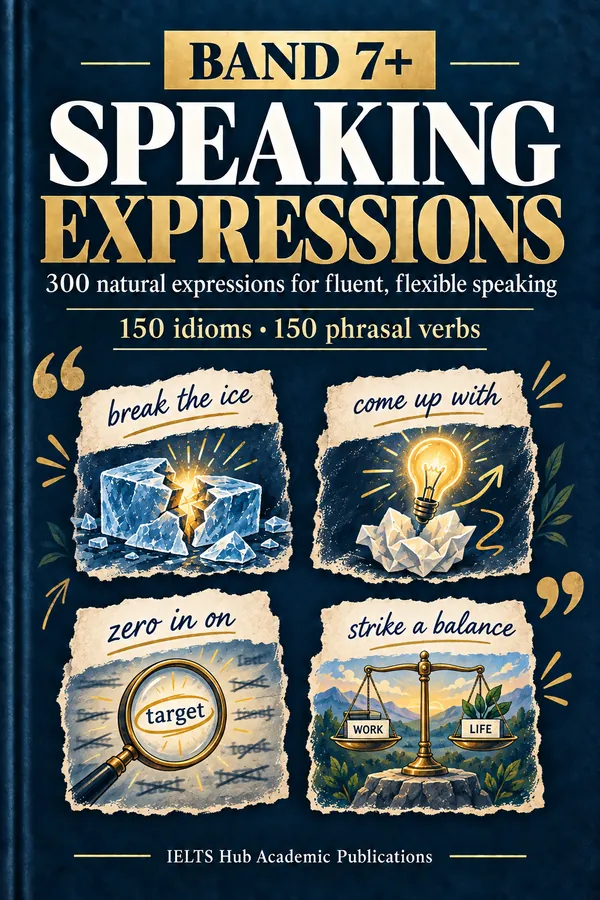
Speaking
Band 7+ Speaking Expressions
300 natural expressions for fluent, flexible speaking
₹199$6.99CAD 8.99AUD 9.99£4.99NZD 10.99€5.99AED 24SGD 8.99
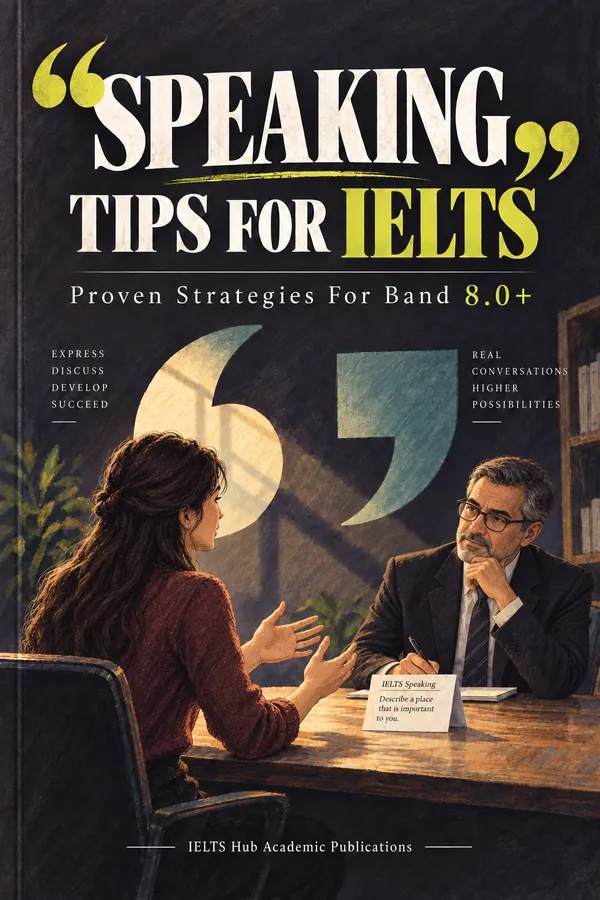
Speaking
Speaking Tips for IELTS
Proven Strategies for Band 8.0+
₹299$9.99CAD 13.99AUD 14.99£7.99NZD 16.99€8.99AED 39SGD 12.99
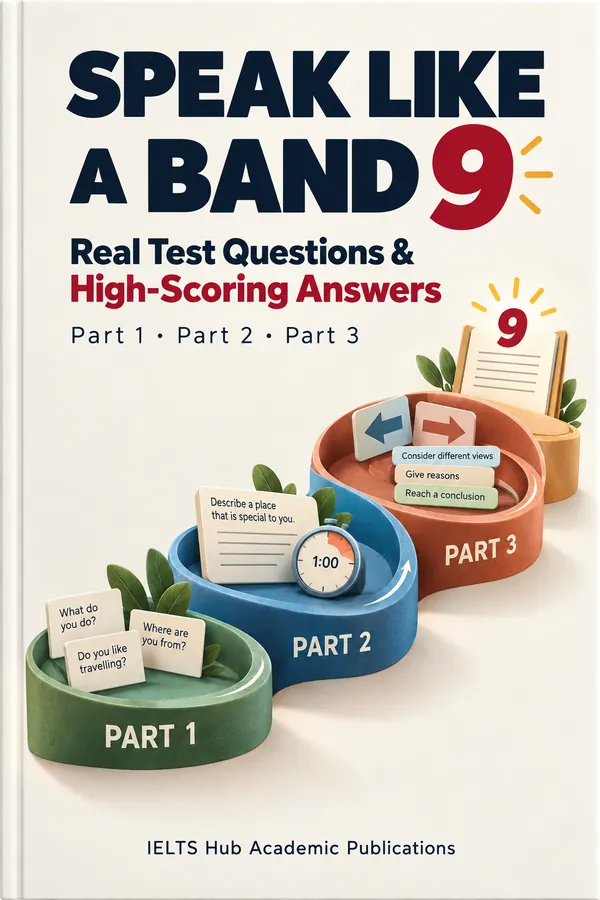
Speaking
Speak Like a Band 9
Real Test Questions & High-Scoring Answers
₹299$9.99CAD 13.99AUD 14.99£7.99NZD 16.99€8.99AED 39SGD 12.99