Speaking test #143
Part 1 · Interview
4 to 5 minutes. The examiner asks about you and familiar topics.
Can you tell me your full name?
Where are you from?
Do you work or are you a student?
What kind of entertainment do you prefer, TV or radio?
I would have to say that I prefer TV over radio. I find that the visual aspect of television adds an extra layer of engagement and immersion to the content that I am watching. However, I do appreciate the convenience and simplicity of listening to the radio, especially when I am on the go or doing other tasks.
How are radio programs and television programs different?
Well, one of the most obvious differences between radio programs and television programs is the presence of visual elements on television. Television programs also tend to be more elaborate in terms of production value and special effects, whereas radio programs rely solely on audio to convey their message. Additionally, television programs often have a wider range of genres and formats, such as dramas, comedies, and reality shows, whereas radio programs tend to be more limited in this regard.
What programs do you like to listen/watch?
I enjoy watching a variety of programs, but some of my favorites include crime dramas, comedies, and reality shows. I also enjoy watching documentaries and current affairs programs to stay informed about what is happening in the world. In terms of radio programs, I enjoy listening to music and talk shows, as well as news and weather updates.
Do you prefer TV news or news on the radio?
I would have to say that I prefer TV news over news on the radio. I find that the visuals and graphics used in TV news broadcasts help to better convey the information and give me a better understanding of the events that are being reported. Additionally, I find that TV news programs often provide more in-depth coverage and analysis of the stories they are reporting on. However, I do appreciate the convenience and immediacy of listening to news updates on the radio when I am on the go or away from a TV.
What kind of TV programs do you like?
I am quite the eclectic viewer when it comes to TV programs. I enjoy a wide range of genres, from crime dramas and action-packed thrillers to comedic sitcoms and thought-provoking documentaries. I also have a fondness for historical dramas and foreign productions, as they often offer a unique perspective and cultural insight.
Do you often watch programs on TV or on your smartphone?
I tend to watch TV programs on both my TV and smartphone, depending on the situation. If I'm at home and have some free time, I'll usually watch on my TV, as the larger screen and surround sound enhance the viewing experience. However, if I'm on the go or have a shorter amount of time, I'll watch on my smartphone. It's a convenient way to catch up on my favorite shows while I'm commuting or waiting for an appointment.
Do you like watching the same kind of TV programs all the time?
Not at all. I thrive on variety, so I like to watch different types of programs and explore new genres. I find that constantly switching things up keeps my interest piqued and prevents me from getting bored. I also enjoy the surprise and excitement of discovering new programs that I might not have otherwise considered.
Do you talk with your friends about the TV programs that you watch?
Absolutely. I find that discussing TV programs with my friends is a great way to bond and share my interests. It's also a great way to discover new programs, as my friends often recommend shows that they think I'll enjoy. Additionally, discussing the themes, characters, and plotlines of a show can lead to some interesting and thought-provoking conversations.
You will have to talk about the topic for one to two minutes. You have one minute to think about what you are going to say. You can make some notes to help you if you wish.
Describe how you met your best friend
You should say:
- Where and when did you meet?
- What was your first impression of each other?
- How did your friendship develop over time?
- Why is this person your best friend?
Where and when did you meet?
I met my best friend, Riya, during my college orientation day at a bustling campus event almost five years ago. It was a hot summer day, and the excitement in the air was palpable as new students mingled nervously. I noticed Riya from across the room, confidently engaging with others, and I couldn't help but be drawn to her positive energy.
What was your first impression of each other?
My first impression of Riya was that she was incredibly outgoing and friendly, with a warm smile that instantly put me at ease. Despite our initial shyness, we struck up a conversation about our shared interests, and I was impressed by her genuine curiosity and sense of humor. It felt like we had known each other for years, even though we had just met.
How did your friendship develop over time?
Over time, our friendship blossomed as we discovered more commonalities and shared experiences. We supported each other through the ups and downs of college life, from late-night study sessions to celebrating our successes together. Our bond strengthened through shared laughter, deep conversations, and unwavering support during challenging times.
Why is this person your best friend?
Riya is my best friend because she is not just a companion, but a confidante and a pillar of strength in my life. She understands me in a way no one else does, always offering a listening ear and words of encouragement when I need them most. Our friendship is built on trust, respect, and a deep connection that transcends distance and time, making her an irreplaceable part of my life.
- Words
- 244
- Sentences
- 12
- Words per sentence
- 20.3
- Speaking time
- about 1.9 min
Counted at 130 words a minute. The exam gives you one to two minutes.
Part 3 · Discussion
4 to 5 minutes. The examiner asks broader questions linked to the cue card topic.
How are friendships made in childhood different from those made in adulthood?
Friendships formed in childhood often possess a unique quality that sets them apart from those made in adulthood. For one, childhood friendships tend to be more spontaneous and carefree, as kids typically bond over shared activities like playing games or attending school together. They usually lack the complex expectations and responsibilities that can come with adult friendships, making them feel more genuine and uncomplicated. In contrast, adult friendships often require more deliberate effort to maintain, as people juggle various commitments such as work and family. These friendships might be based on mutual interests or professional connections, which can sometimes lend them a more transactional feel. Nevertheless, when adults do forge deep connections, they often bring a sense of maturity and emotional depth that can enrich the relationship in ways childhood friendships might not. Ultimately, both types of friendships are valuable, but they certainly manifest differently as we navigate through various stages of life.
How much do you think common interests help create close friendships?
Shared interests undoubtedly play a significant role in the formation of close friendships. When people discover common hobbies or passions, it creates an instant bond that can be incredibly powerful. For instance, two individuals who both love hiking may find themselves spending more time together, exploring new trails and sharing experiences. This not only fosters deeper connections but also encourages meaningful conversations, as they have a lot to discuss. However, I believe that while shared interests are important, other factors, such as mutual respect and emotional support, are equally crucial in building lasting friendships. Ultimately, it's the combination of shared passions and emotional compatibility that truly cements those close relationships.
How important do you think trust is for keeping friends for a long time?
Trust is absolutely fundamental in nurturing long-lasting friendships. Without trust, the foundation of any relationship becomes shaky, making it difficult for friends to truly connect on a deeper level. When friends trust each other, it fosters an environment of open communication and vulnerability, which are essential for resolving conflicts and sharing personal experiences. Moreover, trust creates a sense of security; knowing that you can rely on your friend during tough times strengthens the bond. In essence, it's the glue that holds friendships together, making them more resilient and fulfilling over the years.
Why do you think some people have an easier time making friends than others?
That's a fascinating question! I believe that several factors contribute to why some people find it easier to make friends. For starters, individuals who possess strong social skills tend to navigate social situations more effortlessly. They often know how to engage others in conversation and respond appropriately, which fosters a sense of connection. Additionally, personality traits play a significant role; extroverted individuals, for instance, naturally seek out social interactions, making it more likely for them to form friendships quickly. On the other hand, those who are more introverted might feel overwhelmed in social settings, which can hinder their ability to connect with others. Ultimately, it's a combination of personality, confidence, and social awareness that influences how easily someone can build relationships.
How might friendships change as people get older?
As people grow older, the dynamics of friendship often undergo significant transformation. For one, individuals tend to prioritize deeper, more meaningful connections over the sheer number of acquaintances. This shift can lead to friendships that are more supportive and emotionally fulfilling, as people become more selective about who they invest their time and energy in. Additionally, life events such as marriage, parenthood, or career changes can create both challenges and opportunities for friendships, often resulting in stronger bonds as friends navigate these experiences together. Ultimately, while the nature of friendships may evolve, the underlying need for companionship and understanding remains a fundamental aspect of human relationships throughout life.
What can people do to make their friendships better over time?
To strengthen friendships over time, individuals can take several meaningful steps. Firstly, consistent communication is key; staying in touch regularly, whether through texts, calls, or social media, helps maintain those connections. Secondly, making an effort to spend quality time together is crucial. This can be as simple as scheduling a weekly catch-up or planning fun activities that both friends enjoy, which can create lasting memories. Additionally, being supportive during tough times can really solidify a friendship, as it shows that you genuinely care and are there for one another. Ultimately, it’s about being intentional in nurturing those bonds, which can lead to lifelong friendships.
Go further with the books

Speaking
Speaking Tips for IELTS
Proven Strategies for Band 8.0+
₹299$9.99CAD 13.99AUD 14.99£7.99NZD 16.99€8.99AED 39SGD 12.99

Speaking
Speak Like a Band 9
Real Test Questions & High-Scoring Answers
₹299$9.99CAD 13.99AUD 14.99£7.99NZD 16.99€8.99AED 39SGD 12.99
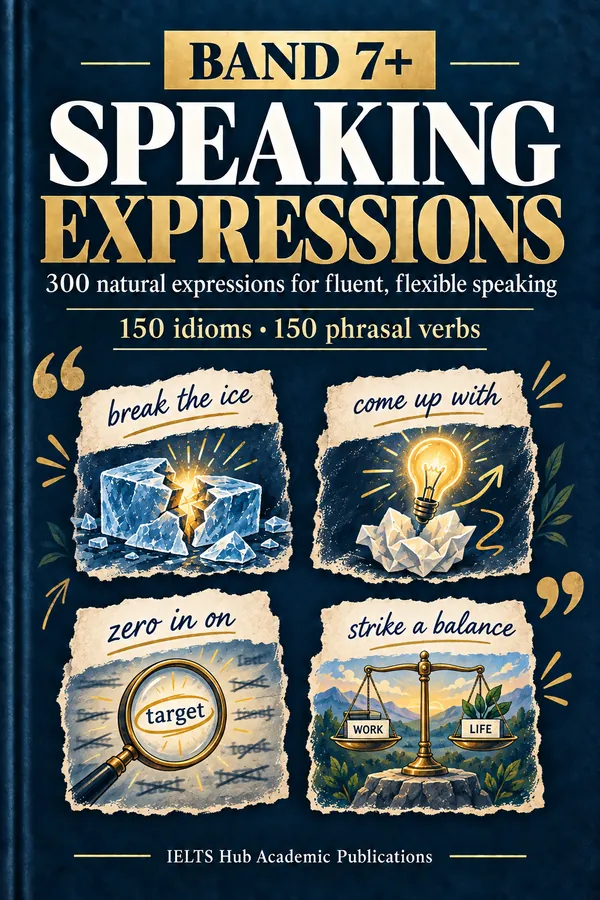
Speaking
Band 7+ Speaking Expressions
300 natural expressions for fluent, flexible speaking
₹199$6.99CAD 8.99AUD 9.99£4.99NZD 10.99€5.99AED 24SGD 8.99