Speaking test #144
Part 1 · Interview
4 to 5 minutes. The examiner asks about you and familiar topics.
Can you tell me your full name?
Where are you from?
Do you work or are you a student?
Do you like texting?
I am quite fond of texting as it allows me to communicate with people in a quick and convenient manner. I find it particularly useful for short and informal conversations, as well as for arranging plans and appointments.
Have you ever received a confusing text message?
Yes, I have received a few confusing text messages in the past. Sometimes, I find that the message is not clear or that the context is missing, which can make it difficult to understand the intended meaning.
In what circumstances are making a phone call better than sending a text message?
I believe that making a phone call is better than sending a text message in certain situations, such as when discussing important or sensitive matters, when there is a need for immediate clarification, or when the conversation requires a more personal touch. Additionally, phone calls can be more effective in situations where tone and emphasis are important, such as when expressing emotions or giving instructions.
Have you ever had difficulty replying to a message?
Yes, I have had difficulty replying to a message in the past, particularly when the message is vague or unclear. In such cases, I often find myself rereading the message multiple times and trying to interpret the meaning. However, I try to clarify any confusion by asking follow-up questions or requesting more information.
Are you a tidy person?
I would consider myself to be quite tidy, yes. I place a high value on organization and cleanliness, and find that maintaining a tidy environment helps me to feel more focused and productive.
How do you keep things tidy?
I try to adopt a few key strategies to keep things tidy. One of the most important is to have a designated place for everything, so that I know where things belong and can quickly put them away when I'm finished using them. I also try to make a habit of doing a quick tidy-up at the end of each day, so that I start the next day with a clean slate. Additionally, I try to be mindful of creating clutter in the first place, by being selective about what I bring into my home or workspace, and being conscious of the amount of stuff I accumulate.
Do you think people should be tidy all the time?
I think that it's important for people to strive to maintain a certain level of tidiness, as it can have a positive impact on one's mental and physical well-being. However, I don't believe that anyone should feel pressured to be perfectly tidy all the time. Life can be messy and chaotic at times, and it's important to be able to let go and be okay with a little messiness from time to time.
Are you tidier at work or at home?
I would say that I am equally tidy at both work and home. I try to maintain a similar level of organization and cleanliness in both environments, as I find that it helps me to feel more productive and focused regardless of where I am.
You will have to talk about the topic for one to two minutes. You have one minute to think about what you are going to say. You can make some notes to help you if you wish.
Describe your favourite news source
You should say:
- What news source it is
- How you access it (online, TV, newspaper, etc.)
- Why you like this news source
- How this news source impacts your daily life
What news source it is
My favorite news source is "The Times of India," one of the largest and most popular English-language newspapers in India. I usually access this news source online through their website and mobile application. The convenience of being able to read the news anytime, anywhere, and stay updated on the go is what attracts me to this platform.
How you access it (online, TV, newspaper, etc.)
I particularly like "The Times of India" for its comprehensive coverage of a wide range of topics including national and international news, politics, entertainment, sports, and more. The newspaper's in-depth analysis and diverse perspectives on various issues provide me with a well-rounded view of current affairs. Moreover, the user-friendly interface and interactive features make the reading experience engaging and enjoyable.
Why you like this news source
This news source impacts my daily life significantly by keeping me informed about the latest events and developments around the world. It helps me stay connected to the world and enhances my knowledge about various issues. Whether it's checking the morning headlines over breakfast or catching up on news during breaks, "The Times of India" has become an essential part of my daily routine.
How this news source impacts your daily life
Overall, "The Times of India" serves as a reliable source of information that not only keeps me updated but also broadens my understanding of the world. Its accessibility, credibility, and diverse content make it my go-to news platform, influencing my daily decisions and conversations.
- Words
- 225
- Sentences
- 11
- Words per sentence
- 20.5
- Speaking time
- about 1.7 min
Counted at 130 words a minute. The exam gives you one to two minutes.
Part 3 · Discussion
4 to 5 minutes. The examiner asks broader questions linked to the cue card topic.
How can various news sources shape how people see current events?
Different news sources can significantly shape public perception of current events through their choice of language, framing, and the selection of stories they choose to highlight. For instance, a sensationalistic news outlet might use dramatic language to evoke strong emotional reactions, leading audiences to perceive an event as more critical or urgent than it may actually be. Conversely, a more analytical source might provide a balanced perspective, encouraging audiences to think critically about the issues at hand. Additionally, the frequency with which certain topics are covered can create a narrative bias, influencing what people consider important or relevant. It's fascinating to see how these subtle differences in reporting can lead to vastly different interpretations of the same event, ultimately affecting public opinion and discourse.
How important do you think it is for news organizations to stay neutral?
I believe it's absolutely essential for news outlets to maintain a neutral stance to a significant extent. When media organizations present information without bias, they uphold the integrity of journalism and allow the public to form their own opinions based on facts rather than skewed narratives. This impartiality fosters a healthy discourse where diverse viewpoints can coexist, which is vital in a democratic society. However, it's also important for journalists to tackle issues that require advocacy, such as social justice, as long as they clearly differentiate between reporting and opinion. Ultimately, a balance between neutrality and accountability can lead to more informed citizens and a more engaged society.
How important is it for people to use different news sources to make a well-informed opinion?
It's incredibly significant for individuals to rely on multiple news sources when forming an informed opinion. In today's world, where misinformation can spread like wildfire, having a diverse range of perspectives is essential for getting a well-rounded view of any issue. Relying on just one source often leads to a skewed perception of reality, since every media outlet has its own biases and agendas. By exploring various sources, individuals can better discern the truth and make more informed decisions. Ultimately, it's about cultivating a critical mindset and being able to navigate the complex landscape of information we encounter daily.
Why do you think people prefer some news sources more than others?
People often gravitate towards specific news sources because of a combination of trustworthiness and personal preference. For instance, many individuals seek out outlets that align with their existing beliefs, creating a sense of confirmation bias. Additionally, the way news is presented—whether it’s through engaging storytelling, visual appeal, or even the tone of the reporting—can significantly impact a person's choice. In today's digital age, the sheer volume of information available makes it crucial for people to find sources they can rely on, which often leads them to stick with familiar names. Ultimately, it’s about finding a balance between reliable information and content that resonates on a personal level.
How could traditional news sources change in the next few years?
The role of traditional news sources is likely to undergo a significant transformation in the coming years, largely due to the rapid advances in technology and changing consumer preferences. As more people gravitate towards digital platforms, traditional media outlets will need to adapt and innovate to maintain their relevance. This could mean integrating more multimedia elements, like podcasts and interactive articles, to engage a younger audience who craves instant access to information. Moreover, the rise of social media as a primary news source poses both a challenge and an opportunity for traditional outlets. They could leverage their established credibility to provide in-depth analysis that is often lacking in the fast-paced world of social media news. Ultimately, I believe that while traditional news sources may diminish in their authority, they can still play a crucial role by focusing on quality journalism and fostering trust among their readership.
What steps can be taken to improve the trustworthiness of news reporting?
To enhance the credibility of news reporting, several measures can be implemented. First and foremost, fact-checking should become a standard procedure in newsrooms. This would ensure that information is verified before it reaches the public, significantly reducing the spread of misinformation. Moreover, promoting transparency in sourcing is crucial; news outlets should clearly indicate where their information comes from, which fosters trust among readers. Lastly, encouraging media literacy among the public can empower individuals to critically evaluate news sources and discern between credible and unreliable information. By taking these steps, we can create a more informed society and uphold the integrity of journalism.
Go further with the books
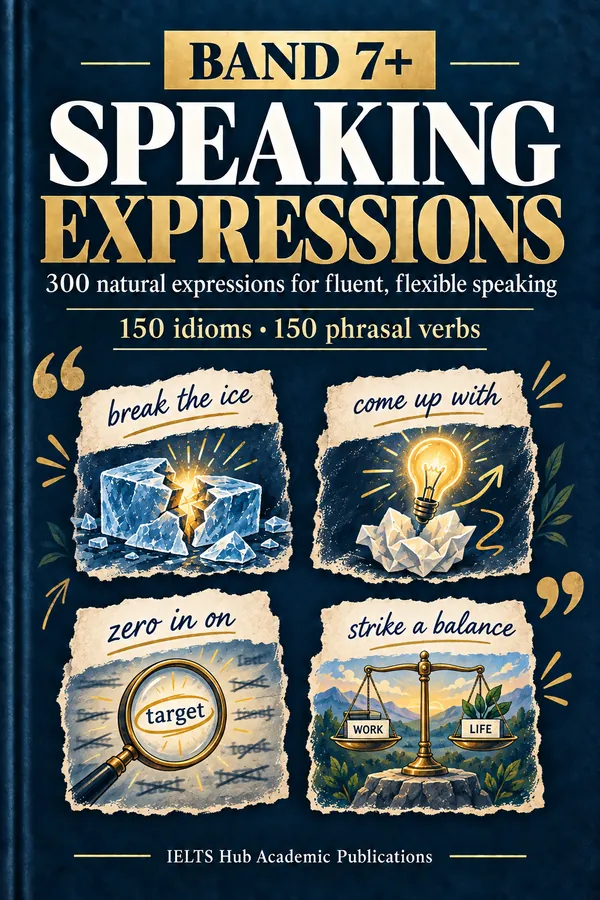
Speaking
Band 7+ Speaking Expressions
300 natural expressions for fluent, flexible speaking
₹199$6.99CAD 8.99AUD 9.99£4.99NZD 10.99€5.99AED 24SGD 8.99
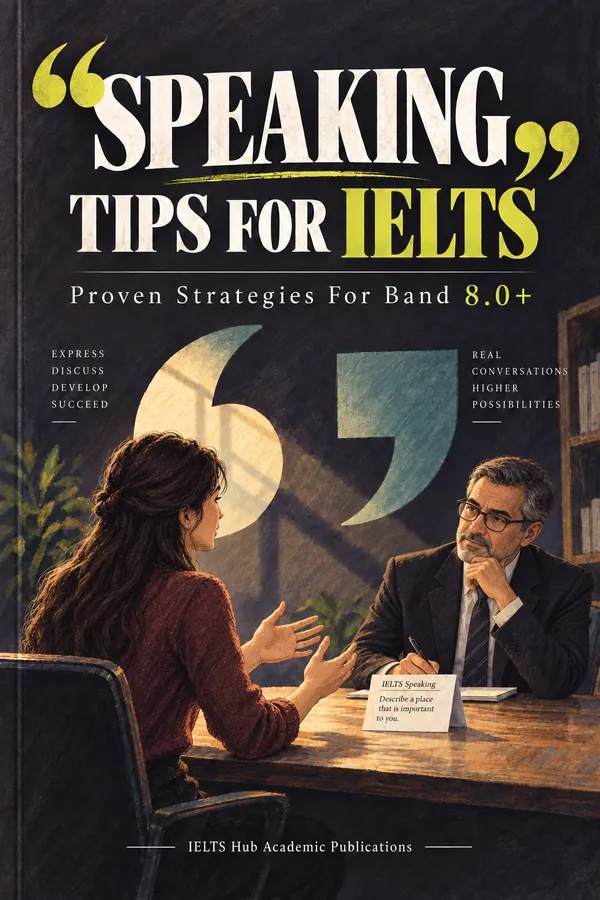
Speaking
Speaking Tips for IELTS
Proven Strategies for Band 8.0+
₹299$9.99CAD 13.99AUD 14.99£7.99NZD 16.99€8.99AED 39SGD 12.99
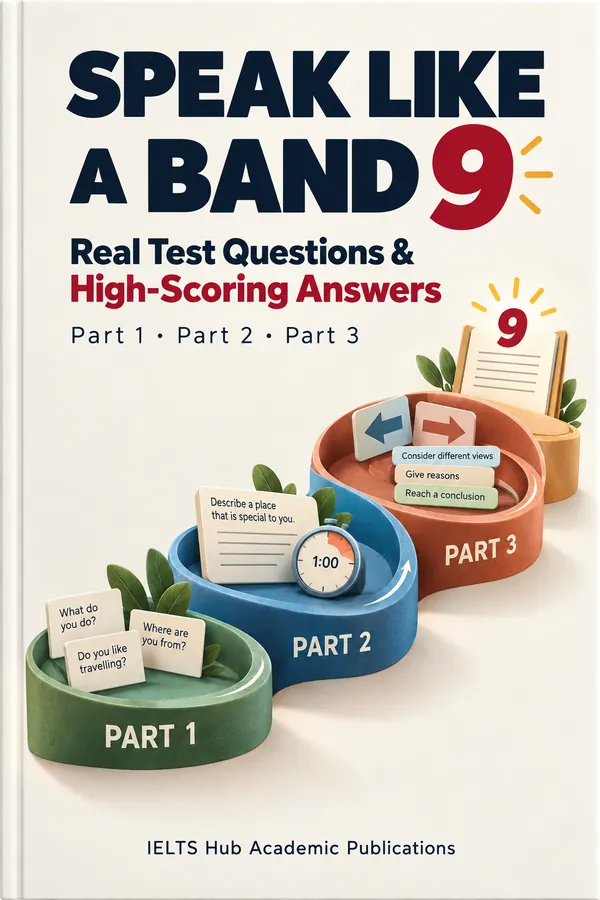
Speaking
Speak Like a Band 9
Real Test Questions & High-Scoring Answers
₹299$9.99CAD 13.99AUD 14.99£7.99NZD 16.99€8.99AED 39SGD 12.99