Speaking test #145
Part 1 · Interview
4 to 5 minutes. The examiner asks about you and familiar topics.
Can you tell me your full name?
Where are you from?
Do you work or are you a student?
Do you often borrow books?
Well, I'm a bit of a bookworm, so I borrow books pretty frequently. Whether it's from the library or from a friend, I'm always on the lookout for something new to read.
Is there anything that cannot be lent?
Hmm, that's an interesting question. I suppose there are some things that can't really be lent, like one-of-a-kind items or sentimental possessions. But in general, I think most things can be borrowed if the person is willing to part with it for a while.
Have you borrowed money from a friend?
Yes, I have borrowed money from friends before. It's not something I do all the time, but sometimes you just need a little extra help to get through a tough situation. It's always nice to have friends who are willing to lend a hand.
What would you do if someone did not return what they borrowed from you?
Well, it would depend on the item and the circumstances. If it was something small and not particularly valuable, I might just let it slide. But if it was something important or sentimental, I would probably have a conversation with the person and try to work out a solution. Ultimately, I think it's important to be understanding and try to find a way to resolve the issue without damaging the relationship.
How do you plan your time in a day?
I usually like to start my day by making a to-do list. I find that it helps me prioritize my tasks and gives me a sense of direction for the day. I also like to schedule specific blocks of time for certain activities, such as work, exercise, and personal projects. I find that this helps me stay on track and be more productive.
Is it easy to manage time for you?
I would say that managing my time is relatively easy for me, as long as I am organized and have a clear idea of what needs to be done. However, there are certainly times when unexpected events or distractions can throw off my schedule. In those cases, I try to stay flexible and adjust my plans as needed.
When do you find it hard to allocate time?
I find it hardest to allocate time when I am feeling overwhelmed or stressed. When I have a lot of competing demands on my time, it can be difficult to prioritize and make decisions about how to use my time most effectively. Additionally, if I am feeling tired or unmotivated, it can be challenging to focus and be productive.
Do you like being busy?
I would say that I am a bit of a workaholic, so I generally enjoy being busy. I find that when I have a lot on my plate, I am more motivated and energized. However, I also realize the importance of taking breaks and making time for leisure activities. I try to strike a balance between being productive and taking care of myself.
You will have to talk about the topic for one to two minutes. You have one minute to think about what you are going to say. You can make some notes to help you if you wish.
Describe a friend who had to make a difficult decision
You should say:
- What the decision was
- How your friend made the decision
- What were the consequences of the decision
- How you supported your friend during that time
What the decision was
I have a close friend named Ravi, who had to make a challenging decision regarding his career path. Ravi was torn between continuing his secure job in the IT industry or pursuing his passion for photography full-time.
How your friend made the decision
Ravi approached his decision-making process with meticulous research and introspection. He weighed the pros and cons of both options, considering factors such as financial stability, job satisfaction, and long-term happiness. After deep contemplation, he decided to take the leap of faith and follow his dream of becoming a professional photographer.
What were the consequences of the decision
The consequences of Ravi's decision were significant. Initially, he faced uncertainty and financial instability as he transitioned into a freelance photography career. However, his passion and dedication paid off in the long run as he started gaining recognition for his work and securing high-profile projects.
How you supported your friend during that time
During this challenging time, I provided unwavering support to Ravi. I encouraged him to stay focused on his goals, offered a listening ear whenever he needed to vent his frustrations, and celebrated his successes along the way. My emotional support and belief in his talent helped him stay motivated during the tough initial phase of his career transition.
- Words
- 190
- Sentences
- 11
- Words per sentence
- 17.3
- Speaking time
- about 1.5 min
Counted at 130 words a minute. The exam gives you one to two minutes.
Part 3 · Discussion
4 to 5 minutes. The examiner asks broader questions linked to the cue card topic.
How can choices made by different people in the same situation be different?
That's a fascinating question! The decisions made by individuals in similar situations can vary significantly due to a multitude of factors, most notably personal experiences and values. For instance, someone who has faced adversity might approach a challenge with a sense of resilience, while another individual might feel overwhelmed and hesitant. Additionally, cultural background plays a pivotal role; people from collectivist societies may prioritize group harmony over personal gain, leading to different outcomes. Ultimately, it's this rich tapestry of backgrounds and perspectives that shapes how each person reacts, making human decision-making incredibly nuanced and intriguing!
How important is it to make tough decisions for personal growth?
I absolutely believe that making tough decisions is a crucial component of personal growth. When we face challenging choices, it forces us to reflect on our values and priorities, which can lead to a deeper understanding of ourselves. For instance, taking risks and stepping out of our comfort zones often results in valuable life lessons, shaping our character and resilience. Moreover, overcoming the fears associated with difficult decisions can significantly boost our confidence, enabling us to tackle even greater challenges in the future. In essence, these experiences not only help us make informed choices but also foster a sense of maturity that is essential for personal development.
How important are outside factors when someone has to make a tough decision?
External influences play a crucial role when someone is confronted with a challenging choice. I mean, we often look to family, friends, or even social media for guidance during difficult times. These influences can provide us with different perspectives, which can be incredibly helpful in weighing our options. However, it’s also essential to remember that while external advice can be valuable, it’s ultimately our own values and beliefs that should guide the final decision. So, while external influences can shape our thinking, the weight we give them varies from person to person. Balancing these influences with our own intuition is what makes decision-making such an interesting and personal journey!
Why do you think some people can make tough choices more easily than others?
I believe the ease with which people make difficult decisions often stems from their life experiences and emotional intelligence. Those who have faced challenging situations in the past may have developed a certain resilience and the ability to weigh their options more effectively. Additionally, individuals with a high level of self-awareness tend to approach decisions with a clearer understanding of their values and priorities, which can streamline the decision-making process. Conversely, some people might struggle due to fear of failure or a lack of confidence, which can cloud their judgment. Ultimately, it's fascinating how personal factors and past experiences shape our decision-making abilities!
How could the way we make decisions change in the future as society develops?
The process of decision-making is likely to undergo significant transformation as society continues to evolve, particularly with advancements in technology and shifts in social dynamics. For instance, the integration of artificial intelligence and big data could revolutionize how we make choices, enabling us to analyze vast amounts of information swiftly and accurately. This could lead to more informed decisions, as individuals may have access to insights that were previously unavailable. Additionally, as we become more interconnected through digital platforms, the importance of collective intelligence and community feedback will likely grow, allowing for a more democratic approach to decision-making. Overall, the future may see a blend of human intuition and machine learning working in tandem, creating a more efficient and inclusive decision-making process.
What can someone do to support a friend facing a difficult choice?
When someone is grappling with a tough decision, there are several supportive steps you can take. First, it’s vital to create a safe space for them to express their thoughts and feelings without judgment. Listening actively and showing empathy can make a significant difference, as it allows them to articulate their concerns more clearly. Additionally, you might encourage them to weigh the pros and cons of their options, which can help in clarifying their priorities. Lastly, reminding them that it’s okay to seek professional advice can also be beneficial, as sometimes an external perspective can provide valuable insights. Ultimately, being a reassuring presence during such a challenging time can help them navigate through their dilemma with greater confidence.
Go further with the books
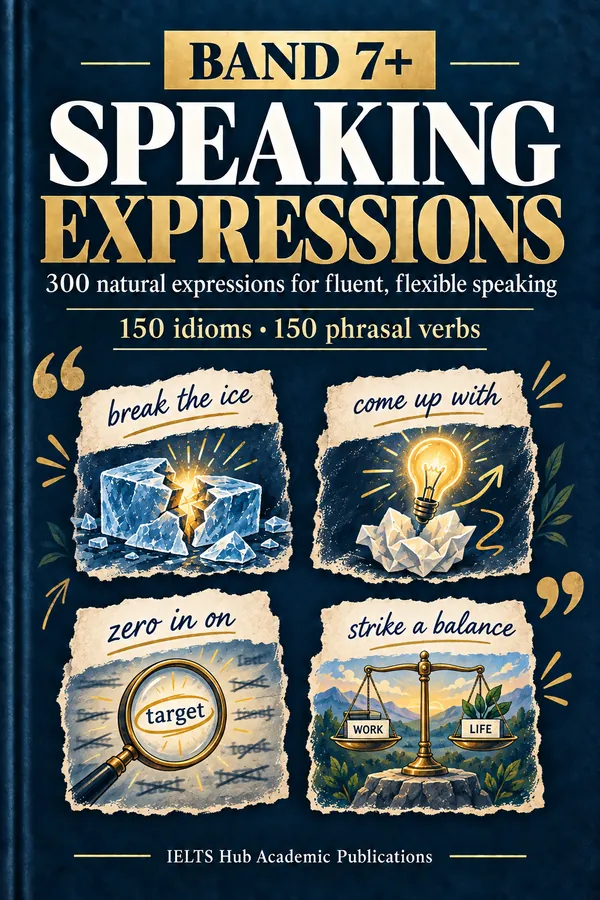
Speaking
Band 7+ Speaking Expressions
300 natural expressions for fluent, flexible speaking
₹199$6.99CAD 8.99AUD 9.99£4.99NZD 10.99€5.99AED 24SGD 8.99

Speaking
Speaking Tips for IELTS
Proven Strategies for Band 8.0+
₹299$9.99CAD 13.99AUD 14.99£7.99NZD 16.99€8.99AED 39SGD 12.99
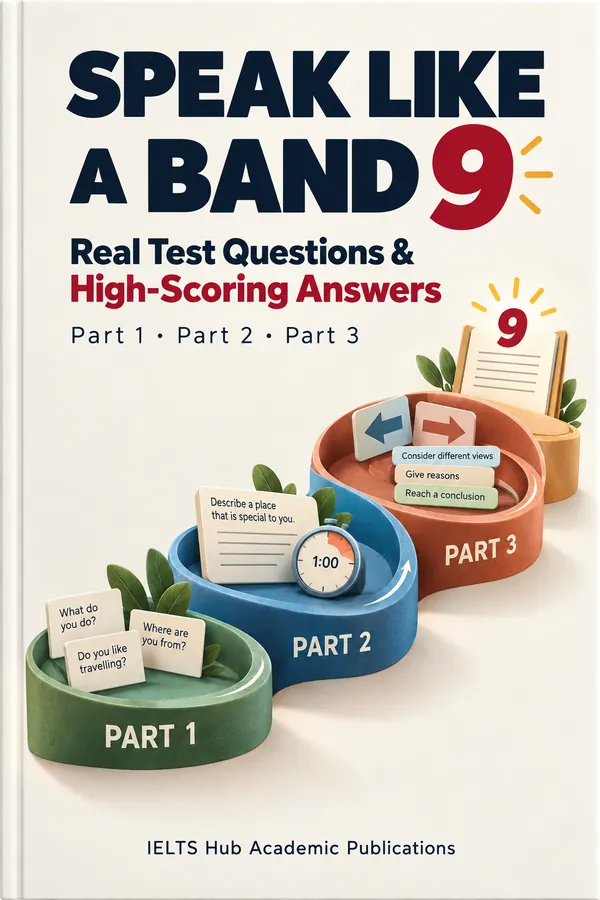
Speaking
Speak Like a Band 9
Real Test Questions & High-Scoring Answers
₹299$9.99CAD 13.99AUD 14.99£7.99NZD 16.99€8.99AED 39SGD 12.99