Speaking test #146
Part 1 · Interview
4 to 5 minutes. The examiner asks about you and familiar topics.
Can you tell me your full name?
Where are you from?
Do you work or are you a student?
What would make you tired?
There are a number of things that can make me feel tired, such as lack of sleep, a demanding workload, or engaging in physically demanding activities. Additionally, certain emotional states, such as stress or anxiety, can also leave me feeling fatigued.
What do you do when you feel tired?
When I feel tired, I typically try to take a break and engage in some form of self-care. This might include going for a walk, taking a nap, or practicing relaxation techniques such as yoga or meditation. Additionally, I might also try to improve my sleep habits by going to bed and waking up at the same time each day, or making sure that my sleep environment is conducive to restful sleep.
Who do you prefer to talk to when you feel mentally tired, your friends or your family?
When I feel mentally tired, I tend to prefer talking to my family members. They understand me better, and I feel more comfortable discussing my thoughts and feelings with them. That being said, I also value the support and perspective of my friends, and I may turn to them in certain situations as well.
Do you want to talk to strangers when you feel mentally tired?
Not typically, no. When I am feeling mentally tired, I tend to prefer the comfort and familiarity of my loved ones. However, depending on the situation, I might be willing to talk to a stranger if I feel that they might be able to offer me helpful advice or support. But in general, I would rather talk to someone I know and trust.
Tell me about the kind of foreign visitors or tourists that go to your country (India)?
India is a diverse and culturally rich country that attracts a wide range of foreign visitors. From backpackers and budget travelers to luxury tourists, India caters to a broad spectrum of travelers. The country is particularly popular among those interested in exploring its ancient history, such as the iconic Taj Mahal, and experiencing its vibrant culture and traditions. Additionally, India is also a popular destination for spiritual seekers and yoga enthusiasts.
In what ways has tourism changed your country (India)?
Tourism has had a significant impact on India in recent years. On one hand, it has brought in a significant amount of revenue and employment opportunities for locals. On the other hand, it has also led to the development of new infrastructure and facilities to cater to the needs of tourists. This includes the construction of new hotels, restaurants, and transportation options. Additionally, tourism has also led to a greater appreciation and preservation of the country's cultural heritage and natural resources.
How easy it is to travel around in your country (India)?
Traveling around India can be a bit challenging, especially for first-time visitors. However, with a bit of planning and preparation, it can be quite manageable. The country has an extensive network of transportation options, including trains, buses, and domestic flights, which makes it easy to get around. Additionally, there are plenty of tour operators and travel agencies that can assist with planning and arranging transportation and accommodation.
Is your country (India) a safe place for foreign tourists to come to?
India is generally considered a safe destination for foreign tourists. However, as with any destination, there are certain areas that may be more dangerous than others. It's always best to exercise caution and stay informed about any local safety concerns. Additionally, tourists should also be aware of local customs and traditions to ensure they do not inadvertently offend anyone. Overall, India is a welcoming and friendly country, and most visitors have a positive and safe experience while visiting.
You will have to talk about the topic for one to two minutes. You have one minute to think about what you are going to say. You can make some notes to help you if you wish.
Describe a way to relax that you find effective
You should say:
- What the relaxation method is
- How you discovered it
- When and where you usually do it
- Why you find it effective
What the relaxation method is
One way I find extremely effective in relaxing is practicing yoga. I was introduced to this ancient practice by my grandmother when I was facing a lot of stress during my college exams. She insisted that I give it a try to calm my mind and improve my focus. I was a bit skeptical at first, but after just a few sessions, I noticed a significant difference in my stress levels and overall well-being.
How you discovered it
I usually practice yoga early in the morning on my terrace, surrounded by the peaceful sounds of nature. This serene environment helps me to connect with my inner self and forget about the worries of the outside world. I find that starting my day with yoga sets a positive tone for the rest of the day, keeping me energized and focused on my tasks.
When and where you usually do it
The reason I find yoga so effective in relaxing is its ability to combine physical postures, controlled breathing, and meditation. The gentle stretches release tension from my body, deep breathing calms my mind, and meditation helps me achieve a sense of inner peace. This holistic approach not only relaxes me physically but also rejuvenates me mentally and emotionally.
Why you find it effective
In conclusion, practicing yoga has become an essential part of my daily routine as it not only helps me relax but also boosts my overall well-being. Its effectiveness in reducing stress and promoting mindfulness makes it a valuable tool for maintaining a healthy work-life balance. I highly recommend yoga to anyone looking for a natural and holistic way to relax and rejuvenate.
- Words
- 258
- Sentences
- 13
- Words per sentence
- 19.8
- Speaking time
- about 2.0 min
Counted at 130 words a minute. The exam gives you one to two minutes.
Part 3 · Discussion
4 to 5 minutes. The examiner asks broader questions linked to the cue card topic.
How do people's ways to relax change between city and country places?
That's a fascinating question! In urban settings, people often opt for fast-paced activities like going to bars, cafes, or attending concerts, as there's a wealth of entertainment options at their fingertips. In contrast, those in rural areas might prefer more leisurely pursuits, such as hiking, gardening, or simply enjoying the tranquility of nature. The difference largely stems from the availability of amenities; city dwellers might seek out the vibrant social scene, while rural residents often find peace in the outdoors. Ultimately, both environments offer unique ways to unwind, reflecting the lifestyles and priorities of their inhabitants.
What are some possible downsides to the ways people choose to relax?
That's a great question! While relaxation methods are essential for our well-being, they can sometimes have unintended consequences. For instance, people might turn to excessive screen time—like binge-watching shows or scrolling through social media—as a way to unwind. While it can be entertaining, this can lead to a more sedentary lifestyle, which is detrimental to both physical and mental health. Moreover, some individuals might resort to unhealthy habits such as smoking or drinking alcohol to cope with stress, which can create a vicious cycle of dependency. Ultimately, it's crucial to find a balance and choose relaxation techniques that promote overall wellness rather than simply providing a temporary escape.
How does having a personal relaxation routine help mental health?
Having a personal relaxation routine is incredibly significant for mental health, as it provides a structured way to unwind and recharge. In today’s fast-paced world, taking time to engage in activities that promote relaxation, such as meditation or yoga, can help alleviate stress and reduce anxiety. Additionally, these routines can enhance our overall well-being by fostering a sense of emotional balance and allowing us to process our thoughts more clearly. Investing time in relaxation can also lead to improved focus and productivity, as it gives our minds a necessary break. Ultimately, when we prioritize relaxation, we’re not just caring for our mental health; we’re paving the way for a more fulfilling and harmonious life.
Why do some people feel more relaxed doing certain activities than others?
That's a fascinating question! I believe it largely boils down to personal preferences and individual experiences. For instance, some people might find activities like hiking in nature incredibly soothing, as it allows them to disconnect from the hustle and bustle of everyday life. On the other hand, others might prefer more structured activities, like yoga or meditation, which provide a sense of calm through routine and focus. Additionally, factors such as past experiences, cultural background, and even personality traits can influence what someone finds relaxing. Ultimately, it's all about finding what resonates with you personally!
How could ways to relax change in the future as society evolves?
As society continues to evolve, I believe our approaches to relaxation will become increasingly diverse and tailored to individual needs. With the rapid advancement of technology, we might see a rise in virtual relaxation experiences, such as immersive meditation apps that transport users to serene environments. Additionally, as the awareness of mental health grows, more people may gravitate towards holistic practices like yoga and mindfulness, which emphasize not just physical well-being but also emotional balance. Moreover, urbanization could lead to a greater demand for nature-based therapies, where individuals seek out green spaces or even urban gardens as a way to unwind amidst the hustle and bustle of city life. Overall, I think the future will bring a rich tapestry of relaxation methods, blending traditional practices with innovative solutions that cater to our increasingly fast-paced lifestyles.
What steps can be taken to get people to do more relaxing activities?
To encourage individuals to engage in more relaxing activities, communities could implement a variety of initiatives. For instance, local governments could organize wellness festivals that promote mindfulness practices like yoga, meditation, and tai chi, making these activities more accessible and appealing. Additionally, creating designated green spaces in urban areas would provide people with tranquil environments where they can unwind and connect with nature. Workshops that teach stress management techniques can also be beneficial, as they equip individuals with tools to incorporate relaxation into their daily routines. Overall, fostering a culture that values downtime and self-care is essential in helping people prioritize their mental well-being.
Go further with the books
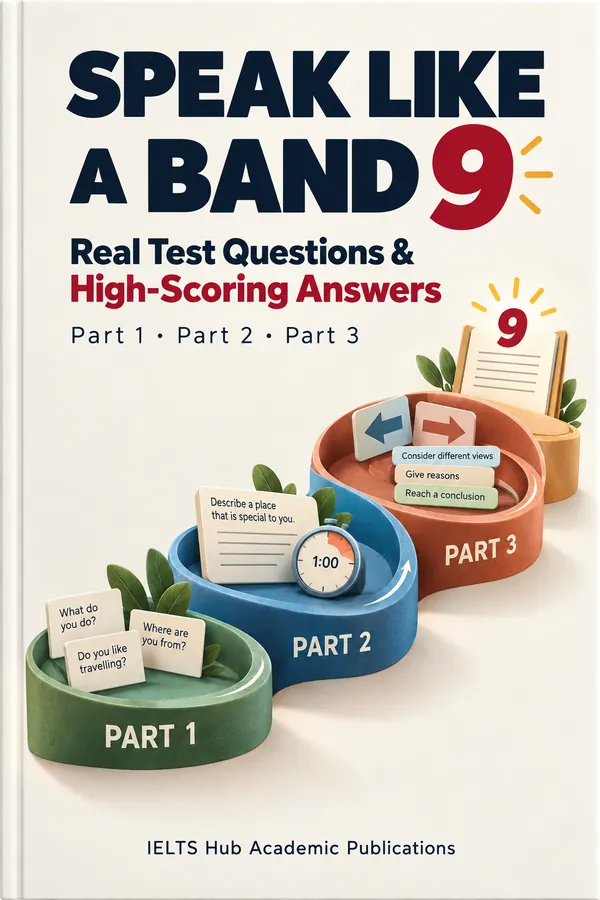
Speaking
Speak Like a Band 9
Real Test Questions & High-Scoring Answers
₹299$9.99CAD 13.99AUD 14.99£7.99NZD 16.99€8.99AED 39SGD 12.99
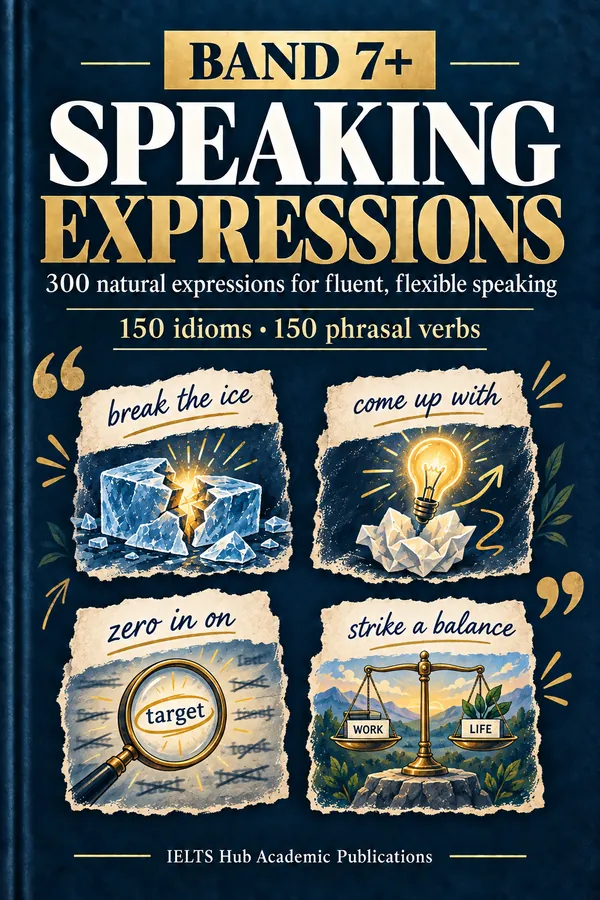
Speaking
Band 7+ Speaking Expressions
300 natural expressions for fluent, flexible speaking
₹199$6.99CAD 8.99AUD 9.99£4.99NZD 10.99€5.99AED 24SGD 8.99
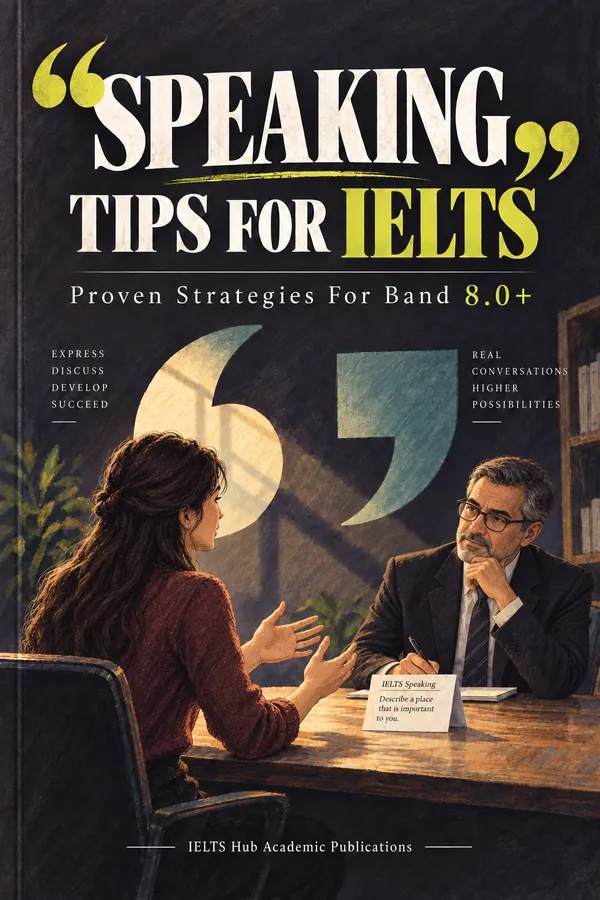
Speaking
Speaking Tips for IELTS
Proven Strategies for Band 8.0+
₹299$9.99CAD 13.99AUD 14.99£7.99NZD 16.99€8.99AED 39SGD 12.99