Speaking test #148
Part 1 · Interview
4 to 5 minutes. The examiner asks about you and familiar topics.
Can you tell me your full name?
Where are you from?
Do you work or are you a student?
Do you like to travel?
Oh, absolutely! I am a huge fan of traveling and experiencing new cultures, cuisines, and landscapes. There is nothing quite like immersing oneself in a new environment and gaining a fresh perspective on the world.
How did you get here today?
I opted to utilize public transportation today, as it is a convenient and eco-friendly mode of transportation. I took the bus from my residence to the nearest train station and then boarded a train to reach here.
Do you often use public transport?
Yes, I do. I try to use public transportation as much as possible, as it is not only cost-effective but also beneficial for the environment. It also allows me to avoid traffic congestion and parking difficulties, which can be quite a hassle.
What are the benefits of travelling by foot?
Travelling by foot has several benefits, the most obvious one being the ability to explore a place in a more leisurely and intimate manner. Walking also allows you to discover hidden gems and lesser-known places that you might miss while using other forms of transportation. Additionally, walking is a great way to stay active and healthy, and it is also an environmentally friendly mode of transportation. Overall, I believe that travelling by foot is a great way to immerse oneself in a new place and gain a deeper understanding of it.
Who do you trust most?
I trust my family and close friends the most. They have been with me through thick and thin, and have always been a source of support and guidance. Their honesty and loyalty have earned my trust, and I know that they have my best interests at heart.
Have you ever lost trust in someone?
Yes, I have lost trust in someone before. It was a difficult experience, as it was someone who I had considered a close friend. However, they betrayed my trust and it caused a rift in our friendship. It made me realize the importance of being cautious when trusting others.
What kind of people do you trust?
I trust people who are honest, trustworthy, and have integrity. People who are consistent in their actions and words, and who are open and transparent in their communication. I also trust people who have a strong moral compass and who are willing to stand up for what they believe in.
Do you trust artificial intelligence?
I am cautious about trusting artificial intelligence. While it has the potential to be very useful, I think it's important to be aware of the potential risks and limitations. I believe that it's important to have proper regulations in place to ensure that artificial intelligence is used ethically and responsibly. I think that we need to be careful about how we use it, and that we should always be aware of its limitations.
You will have to talk about the topic for one to two minutes. You have one minute to think about what you are going to say. You can make some notes to help you if you wish.
Describe an exercise you used to do but no longer do now
You should say:
- What exercise it was
- How often you used to do it
- Why you stopped doing it
- How you feel about not doing it anymore
What exercise it was
I'd like to talk about cycling, an exercise I used to frequently engage in but no longer do. Cycling used to be my favorite form of exercise, offering both physical activity and a sense of freedom. I used to cycle for about an hour every morning, exploring different routes in my neighborhood and enjoying the fresh air. It was not only a great way to stay fit but also a stress-reliever for me.
How often you used to do it
I stopped cycling regularly mainly due to time constraints. As my responsibilities increased at work and in my personal life, I found it challenging to dedicate an hour every day to cycling. Moreover, the traffic in my city became more chaotic, making cycling less safe and enjoyable. This made me gradually reduce the frequency of my cycling until I eventually stopped doing it altogether.
Why you stopped doing it
While I miss the joy and health benefits that cycling brought into my life, I have found other forms of exercise to stay active. Although I feel nostalgic about not cycling anymore, I have come to accept this change as a part of life's evolving priorities. Nonetheless, I cherish the memories of my cycling adventures and the positive impact it had on my well-being.
How you feel about not doing it anymore
In conclusion, cycling used to be a significant part of my daily routine, providing me with both physical and mental benefits. Despite no longer engaging in this exercise, I appreciate the experiences and lessons it has brought me. The memories of my cycling days remain close to my heart, reminding me of the importance of staying active and finding joy in simple activities.
- Words
- 264
- Sentences
- 14
- Words per sentence
- 18.9
- Speaking time
- about 2.0 min
Counted at 130 words a minute. The exam gives you one to two minutes.
Part 3 · Discussion
4 to 5 minutes. The examiner asks broader questions linked to the cue card topic.
How could the advantages of physical activity vary between people who work out regularly and those who don’t?
That's a fascinating question! For individuals who regularly engage in physical activity, the benefits are often multifaceted. They tend to experience enhanced physical fitness, which not only boosts their endurance but also improves their overall health, reducing the risk of chronic diseases like diabetes and heart conditions. In contrast, those who do not exercise regularly may miss out on these crucial health advantages, often feeling more lethargic and facing a higher likelihood of weight gain. Moreover, regular exercisers often enjoy a boost in mental well-being, as physical activity releases endorphins that can alleviate stress and anxiety. This emotional uplift can lead to a more positive outlook on life. Meanwhile, those who are less active might struggle with feelings of lethargy or even low self-esteem, as inactivity can sometimes contribute to a sense of stagnation. Ultimately, the disparity in benefits highlights how crucial maintaining an active lifestyle is for both physical and mental health!
Some people think that having a regular exercise routine is important for being healthy. What do you think about this idea?
I absolutely agree that maintaining a regular exercise routine is crucial for a healthy lifestyle. Exercise not only helps in keeping our bodies fit but also plays a significant role in enhancing our mental well-being. It’s fascinating to see how physical activity can boost mood and reduce stress levels, making it a powerful tool for emotional health. Additionally, incorporating exercise into our daily lives can help prevent a myriad of health issues, such as obesity and heart disease. Overall, I believe that making exercise a priority can lead to a more balanced and fulfilling life.
How do you think exercise helps improve mental health?
Exercise plays a crucial role in enhancing mental well-being in several ways. Firstly, engaging in physical activity releases endorphins, often referred to as the body's natural mood lifters, which can significantly reduce feelings of anxiety and depression. Additionally, regular exercise can improve sleep quality, allowing individuals to experience deeper rest, which is essential for mental clarity and emotional stability. Moreover, the sense of achievement that comes from reaching fitness goals can bolster self-esteem and foster a positive self-image. On a social level, participating in group activities or team sports can enhance social connections, combating feelings of isolation. Overall, incorporating exercise into daily routines is a fantastic way to boost mental resilience and promote a more balanced emotional state.
Why do you think some people find it hard to stick to their exercise routines for a long time?
There are several reasons why individuals might struggle to maintain their exercise routines. One major factor is the lack of motivation, which can stem from various sources, such as setting unrealistic goals or not seeing immediate results. Additionally, life can get incredibly busy, and it’s easy for exercise to be pushed aside when work or family commitments take precedence. Another aspect to consider is the monotony of the same workout regimen; when people don't find their routines engaging, they are less likely to stick with them. Finally, some may also face psychological barriers, like a fear of failure or low self-esteem, which can hinder their ability to stay committed to their fitness goals.
How could the way we exercise change in the future with new technology and better health knowledge?
That's a fascinating question! With the rapid pace of technological advancement and a growing awareness of health issues, I envision a future where exercise becomes more personalized and accessible. For instance, wearable devices are likely to evolve, providing real-time feedback on our workouts, helping us to optimize our performance and track our progress with remarkable precision. Additionally, virtual reality could revolutionize the way we engage in physical activities, making exercise not just a chore but an immersive experience that feels more like a game than a workout. Moreover, as health awareness increases, I believe we'll see a shift towards more holistic approaches to fitness that incorporate mental well-being alongside physical health. This could mean a greater emphasis on activities like yoga and mindfulness practices, which are proven to enhance overall health. Overall, the fusion of technology and fitness is set to create a more engaging and effective exercise landscape in the years to come!
What steps can communities take to get more people to exercise regularly?
Communities can implement a variety of measures to encourage more people to engage in physical activity regularly. For starters, creating accessible public spaces, such as parks and sports facilities, can significantly increase participation. When people have easy access to well-maintained areas for exercise, they’re more likely to take advantage of them. Additionally, organizing community events, like fun runs or fitness challenges, can foster a sense of camaraderie and motivation among residents. It’s also beneficial to offer affordable classes or workshops that cater to all fitness levels, ensuring that everyone feels included and supported in their fitness journey. Ultimately, the goal is to create an inviting atmosphere where physical activity becomes a natural part of daily life.
Go further with the books
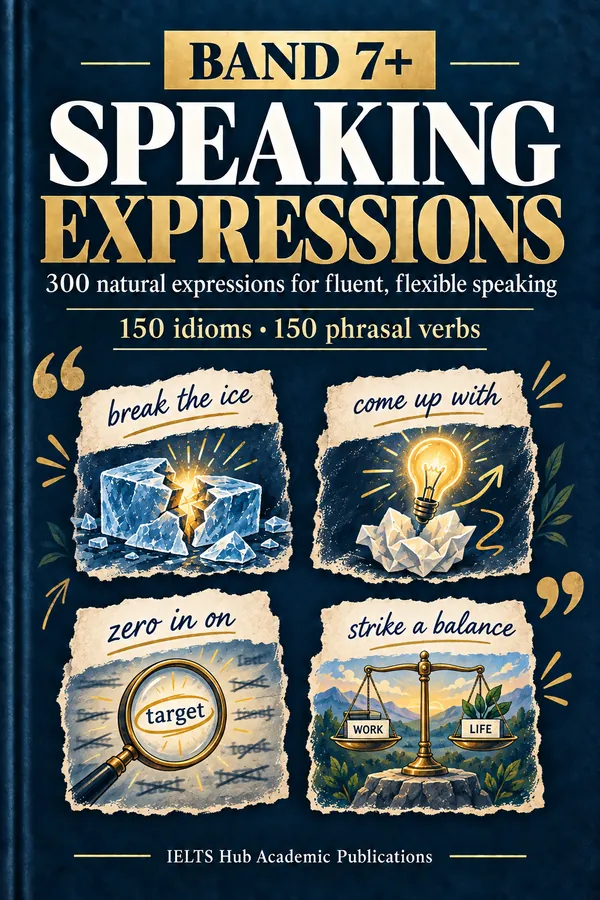
Speaking
Band 7+ Speaking Expressions
300 natural expressions for fluent, flexible speaking
₹199$6.99CAD 8.99AUD 9.99£4.99NZD 10.99€5.99AED 24SGD 8.99
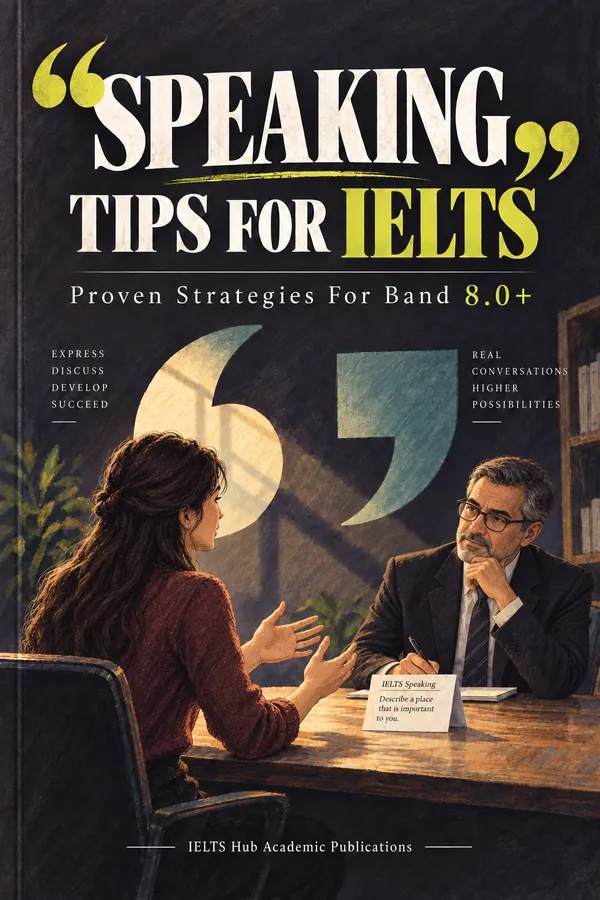
Speaking
Speaking Tips for IELTS
Proven Strategies for Band 8.0+
₹299$9.99CAD 13.99AUD 14.99£7.99NZD 16.99€8.99AED 39SGD 12.99
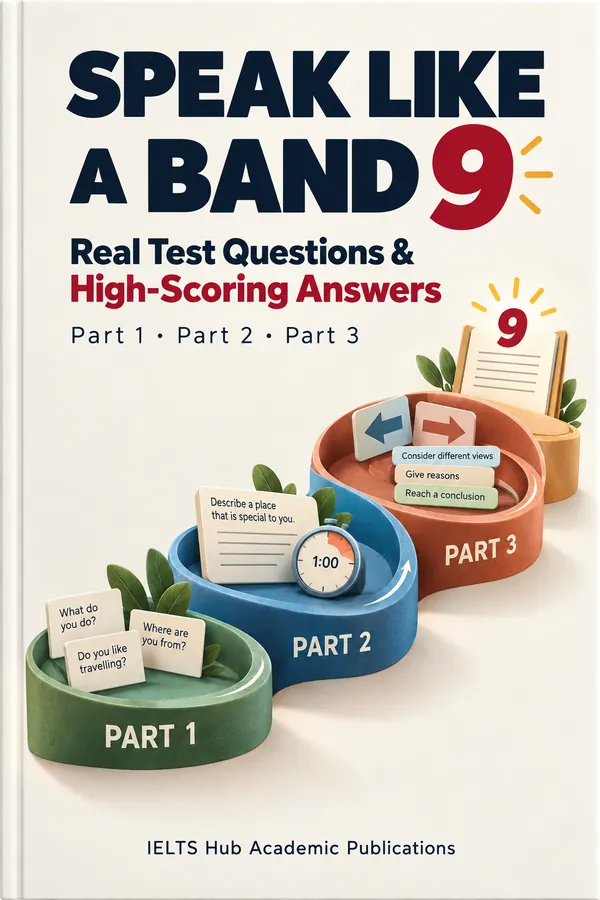
Speaking
Speak Like a Band 9
Real Test Questions & High-Scoring Answers
₹299$9.99CAD 13.99AUD 14.99£7.99NZD 16.99€8.99AED 39SGD 12.99