Speaking test #150
Part 1 · Interview
4 to 5 minutes. The examiner asks about you and familiar topics.
Can you tell me your full name?
Where are you from?
Do you work or are you a student?
Would you like to work as a volunteer?
I would definitely be interested in working as a volunteer. I believe that volunteering is a great way to give back to the community and make a positive impact on the lives of others. Additionally, it can also be a valuable personal development opportunity, as it allows me to gain new skills and experiences.
Have you ever done any voluntary work?
Yes, I have had the opportunity to participate in a number of volunteer projects over the years. For example, I have worked as a mentor for disadvantaged youth, helped to organize community events, and even spent some time working on conservation projects overseas. I find that volunteering is a very fulfilling experience, and I am always looking for new ways to get involved and make a difference.
Is volunteering worth the time it takes?
I would say that volunteering is definitely worth the time it takes. Not only do you have the opportunity to make a positive impact on the lives of others, but you also gain a sense of personal satisfaction and fulfillment. Additionally, volunteering can be a great way to gain new skills, meet new people, and even improve your CV or job prospects.
What could you do to help if you had no money?
If I had no money, there are still a number of things I could do to help others. For example, I could offer my time and skills as a volunteer, or even simply offer a listening ear or a helping hand to someone in need. I believe that there are many ways to make a difference in the world, and money is not always the most important factor.
Do you prefer studying/working in the morning or in the afternoon? [Why/ Why not?
?] I prefer studying in the morning because my brain is fresher and more alert at that time of day. I find that I am able to focus better and get more work done before lunchtime.
Do you prefer taking a longer or a short break? [Why/ Why not?
?] It really depends on what I am doing and how much energy I have. If I have been working on a particularly challenging task, I may prefer to take a longer break to give my brain a rest and come back to it with renewed energy. On the other hand, if I am in the flow and making good progress, I may prefer to take a short break to keep the momentum going.
What do you usually do during break? [Why/ Why not?
?] During my breaks, I usually like to do something active to help me recharge. This could be going for a walk, hitting the gym, or even just stretching and doing some light yoga. I find that moving my body helps me clear my mind and refocus on my work when I return.
Why is it important for people to take some time off? [Why/ Why not?
?] Taking time off is important for a number of reasons. First and foremost, it allows us to rest and recharge, which is essential for maintaining our physical and mental health. It also allows us to pursue our passions and interests, which can be incredibly fulfilling and help us feel more balanced and fulfilled in our lives. Additionally, taking time off can give us the opportunity to spend time with loved ones and build stronger relationships with those around us. Overall, taking time off is an important aspect of self-care and can have numerous benefits for our well-being.
You will have to talk about the topic for one to two minutes. You have one minute to think about what you are going to say. You can make some notes to help you if you wish.
Describe an important letter you wrote to someone
You should say:
- Who the letter was addressed to
- The content of the letter
- Reasons for writing the letter
- Impact of the letter on the recipient
Who the letter was addressed to
The most important letter I ever wrote was addressed to my grandmother back in India. The letter was a heartfelt expression of gratitude and love towards her. In the letter, I reminisced about the cherished memories we shared, the invaluable life lessons she imparted to me, and how much her presence has shaped me into the person I am today. I also thanked her for her unwavering support and for always being a pillar of strength in my life.
The content of the letter
I decided to write this letter to my grandmother because I wanted to convey my deepest emotions to her in a meaningful way. As we live in different countries and are often unable to meet in person, I felt that a handwritten letter would be a personal and sincere way to communicate my feelings. I poured my heart out onto the pages, expressing my love, respect, and appreciation for her in a way that I had never done before.
Reasons for writing the letter
The reasons behind writing this letter were twofold - to express my love and gratitude towards my grandmother and to remind her of the special bond we share. I wanted her to know how much she means to me and how her presence in my life has been a source of strength and inspiration. I wanted her to feel appreciated and loved, especially considering the distance that separates us physically.
Impact of the letter on the recipient
The impact of the letter on my grandmother was profound. When she received the letter, she was deeply touched and moved to tears. She later told me that reading my words had filled her heart with joy and had reminded her of the strong bond we share as a family. The letter strengthened our connection even more, and it served as a constant reminder of the love and appreciation we have for each other, despite the miles that separate us.
- Words
- 308
- Sentences
- 14
- Words per sentence
- 22.0
- Speaking time
- about 2.4 min
Counted at 130 words a minute. The exam gives you one to two minutes.
Part 3 · Discussion
4 to 5 minutes. The examiner asks broader questions linked to the cue card topic.
How can writing a letter be more powerful than sending an email or a text?
Writing a letter can indeed be more impactful than sending an email or a text message in several ways. Firstly, a letter has a certain tangible quality that digital communications lack; it’s something you can hold in your hands, which often makes the sentiment feel more genuine and heartfelt. Moreover, the time and effort put into crafting a letter can convey a level of thoughtfulness that a quick text simply cannot match. The personal touch of handwriting adds an element of authenticity, which can resonate deeply with the recipient. Lastly, letters often carry a sense of permanence, allowing the recipient to revisit the words later on, making the message even more meaningful over time.
How much do you believe handwritten letters feel more emotional than messages sent online?
I believe handwritten letters carry a significant amount of emotional weight compared to digital communication. There's something incredibly personal about putting pen to paper; it feels like a tangible expression of one’s feelings. When you receive a handwritten letter, it often evokes a sense of nostalgia and intimacy that a quick text message simply can't match. The time and effort invested in crafting a letter can make the recipient feel truly valued and cherished, as if the sender has taken the time to really think about what to say. In today’s fast-paced world, where digital communication is often fleeting and impersonal, a handwritten letter stands out as a heartfelt gesture that can leave a lasting impression.
How important do you think writing a letter is for keeping personal relationships?
I believe the act of writing a letter is incredibly significant in maintaining personal relationships, especially in our digital age. It provides a sense of tangible connection that emails or texts often lack. When someone takes the time to put pen to paper, it conveys a level of thoughtfulness and sincerity that can deeply resonate with the recipient. Additionally, letters can capture emotions in a way that is more nuanced and personal, allowing for a richer expression of feelings. In a world dominated by instant communication, receiving a handwritten letter can feel like a breath of fresh air, reaffirming bonds and creating lasting memories.
Why do you think some people like to share their feelings in letters instead of talking in person?
That's a fascinating question! I think many people find that expressing their feelings through letters allows them to articulate their thoughts more clearly and thoughtfully. When writing, they have the chance to reflect and choose their words carefully, which can sometimes lead to a more profound expression of emotions. Additionally, for some, the anxiety of a face-to-face conversation can be overwhelming, and letters provide a sense of comfort and distance that makes it easier to open up. Ultimately, it’s a personal choice, and for those who prefer it, written communication can feel more genuine and heartfelt.
How could writing letters change in the future because of more digital communication?
The practice of writing letters is undoubtedly on the brink of transformation due to the prevalence of digital communication. As we become increasingly reliant on instant messaging and emails, traditional letter writing may evolve into a more niche activity, perhaps reserved for special occasions like birthdays or anniversaries. However, I believe there’s a certain charm in handwritten letters that digital platforms simply can't replicate. They evoke a sense of personal connection and thoughtfulness that often gets lost in quick text exchanges. In the future, we might see a resurgence of letter writing as people seek to reconnect with more meaningful forms of communication, creating a delightful blend of old and new practices. It could be fascinating to witness how technology facilitates this evolution, perhaps through apps that allow users to send virtual letters that mimic the feel of traditional ones!
How can we encourage young people to take up letter writing as a way to communicate?
To encourage younger generations to embrace letter writing, I think we could start by integrating it into educational curriculums. Schools could organize creative writing workshops where students learn not just about the mechanics of writing letters, but also the emotional aspects of expressing thoughts and feelings on paper. Additionally, incorporating technology could make it more appealing; for instance, using apps that simulate traditional letter writing could spark interest. Community events like letter-writing campaigns, perhaps linked to social causes, could also provide a platform for young people to engage in this form of communication. Ultimately, it’s about making letter writing feel relevant and exciting in today’s digital age!
Go further with the books
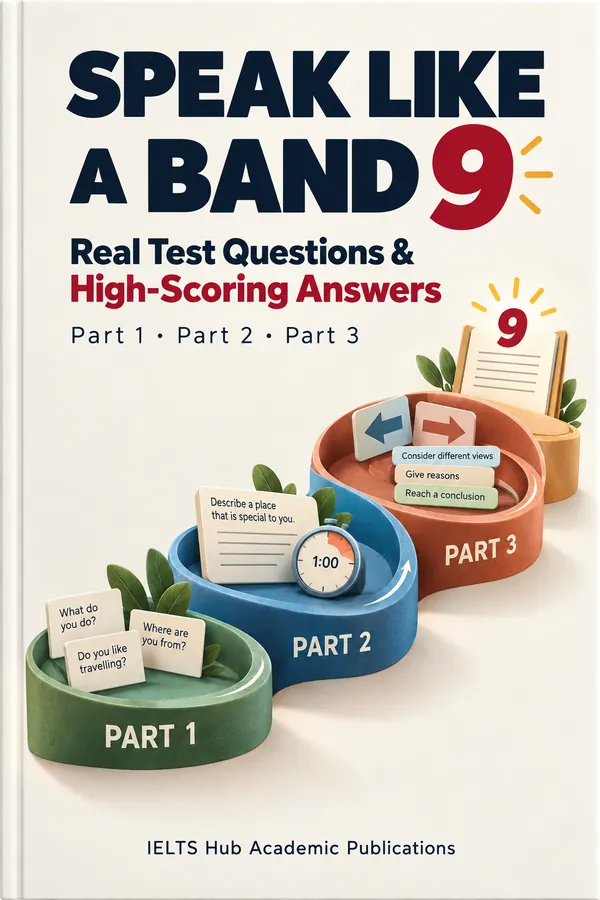
Speaking
Speak Like a Band 9
Real Test Questions & High-Scoring Answers
₹299$9.99CAD 13.99AUD 14.99£7.99NZD 16.99€8.99AED 39SGD 12.99
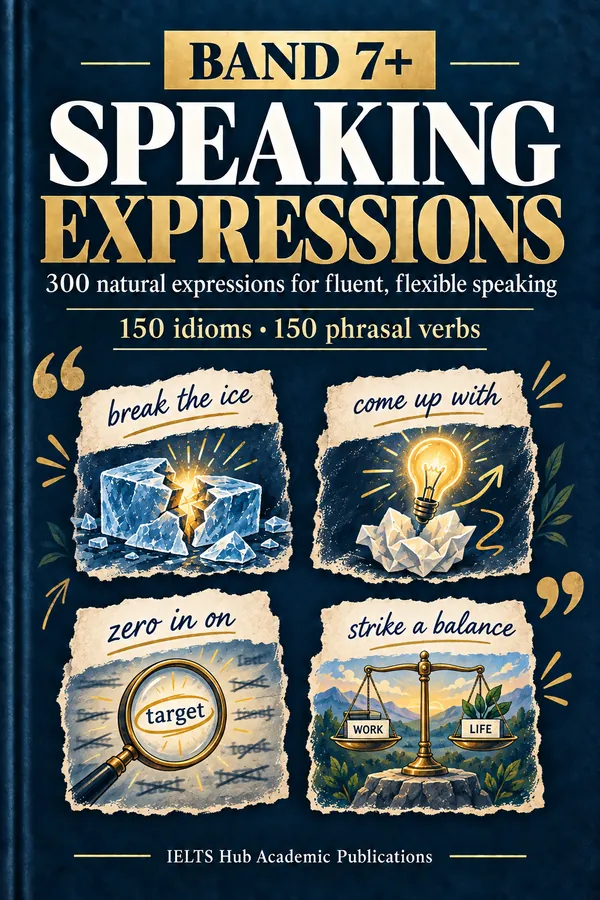
Speaking
Band 7+ Speaking Expressions
300 natural expressions for fluent, flexible speaking
₹199$6.99CAD 8.99AUD 9.99£4.99NZD 10.99€5.99AED 24SGD 8.99
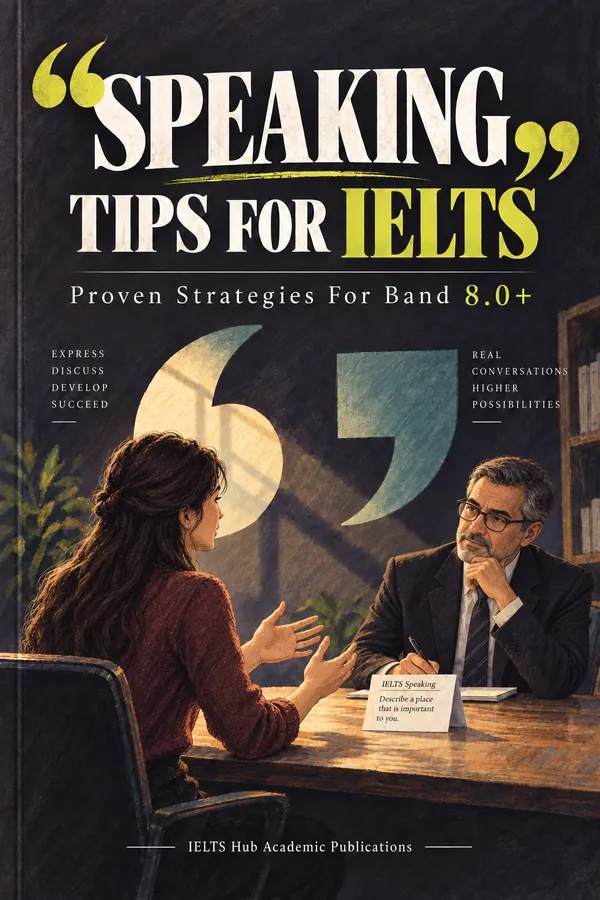
Speaking
Speaking Tips for IELTS
Proven Strategies for Band 8.0+
₹299$9.99CAD 13.99AUD 14.99£7.99NZD 16.99€8.99AED 39SGD 12.99