Speaking test #154
Part 1 · Interview
4 to 5 minutes. The examiner asks about you and familiar topics.
Can you tell me your full name?
Where are you from?
Do you work or are you a student?
How do you usually spend your weekends?
I typically spend my weekends engaging in a variety of leisure activities. On Saturdays, I like to go for a hike or bike ride in the morning to get some fresh air and exercise. In the afternoon, I might catch up with friends over lunch or spend time working on a hobby, such as photography or painting. On Sundays, I like to relax and unwind by reading a book or watching a movie. I also make sure to set aside some time for self-care, such as practicing yoga or meditation.
Which is your favourite part of the weekend?
My favourite part of the weekend is undoubtedly the sense of freedom and relaxation that comes with having two days off from work. I really enjoy having the time to pursue my interests and hobbies without feeling rushed or constrained by the demands of my job. Additionally, I treasure the opportunity to spend quality time with my loved ones, whether that be catching up over a meal or engaging in a fun activity together.
Do you think your weekends are long enough?
I believe that two days is a sufficient amount of time to recharge and rejuvenate after a busy week of work. However, I do think that having a longer weekend, such as a four-day weekend, would be even better. It would allow me to have more time to travel or pursue more ambitious projects.
How important do you think it is to have free time at the weekends?
I think it is extremely important to have free time at the weekends in order to maintain a healthy work-life balance. Having the time to pursue hobbies and interests, spend time with loved ones, and simply relax and unwind is essential for our well-being. Without this time to recharge, we may become burnt out or stressed, which can have negative effects on our mental and physical health. Furthermore, having free time can be a great opportunity to gain new experiences, explore new places, and try new things.
Are you interested in wild animals?
Oh absolutely, I have always had a deep fascination with wild animals and their unique behaviors and habitats. From the majestic elephants of Africa to the elusive snow leopards of the Himalayas, I find myself constantly drawn to learning more about these incredible creatures and the ways in which they interact with their environment.
Do you like to watch TV programs about wild animals?
Definitely, I find that watching documentaries and other TV programs about wild animals is a great way to deepen my understanding of these creatures and the challenges they face in the wild. Whether it's a National Geographic special on the great apes or a BBC series on the marine life of the Great Barrier Reef, I always find these programs to be both informative and entertaining.
Did you learn something about wild animals at school?
Yes, I was fortunate enough to have a number of classes in school that focused on wildlife biology and conservation. These classes covered a wide range of topics, from the different types of animals found in different regions of the world to the ways in which humans can impact the survival of these animals. Through these classes, I was able to gain a deeper understanding of the complex relationships between wild animals and the natural world, which has greatly enhanced my appreciation of these creatures.
Where can you see wild animals in your country (India)?
India is home to a wide variety of wild animals, many of which can be found in the country's numerous national parks and wildlife reserves. For example, the Kaziranga National Park in Assam is known for its large population of Indian rhinos, while the Gir Forest in Gujarat is home to the last remaining population of Asiatic lions. Additionally, the Indian Himalayas are home to a number of endangered species such as snow leopards and the blue sheep. Overall, India offers a wealth of opportunities for wildlife viewing, and I highly recommend visiting these areas for anyone interested in seeing wild animals in their natural habitat.
You will have to talk about the topic for one to two minutes. You have one minute to think about what you are going to say. You can make some notes to help you if you wish.
Describe a school where you studied when you were a child
You should say:
- Location and setting of the school
- Teachers and classmates
- Favorite subjects or activities in the school
- Memorable experiences or events at the school
Location and setting of the school
I studied at a quaint school nestled in the heart of a bustling city in India. The school was surrounded by lush greenery, with vibrant flowers adorning the pathways, creating a serene and picturesque setting for learning. The building itself was a blend of modern architecture and traditional design, reflecting the rich cultural heritage of the region. The school's location provided the perfect balance of tranquility and accessibility, making it an ideal place for young minds to flourish.
Teachers and classmates
The teachers at my school were not just educators but also mentors who nurtured our curiosity and creativity. They were passionate about imparting knowledge and always encouraged us to think critically and express ourselves confidently. My classmates were a diverse group of individuals from different backgrounds, yet we formed a close-knit community bound by a shared love for learning and camaraderie. Together, we created cherished memories that have stood the test of time.
Favorite subjects or activities in the school
One of my favorite subjects at school was English literature, where I delved into the world of classic novels and poetry, sparking my imagination and expanding my horizons. I also enjoyed participating in extracurricular activities such as drama club and debate team, where I honed my communication skills and gained valuable life lessons. These experiences not only enriched my academic journey but also helped me discover my passions and strengths.
Memorable experiences or events at the school
One memorable event at my school was the annual cultural fest, where students showcased their talents through music, dance, and art. I fondly remember the sense of excitement and camaraderie that filled the air during those days, as we worked together to put up spectacular performances that left a lasting impact on everyone. The cultural fest was a celebration of diversity and creativity, embodying the spirit of our school and leaving an indelible mark on my childhood.
- Words
- 298
- Sentences
- 14
- Words per sentence
- 21.3
- Speaking time
- about 2.3 min
Counted at 130 words a minute. The exam gives you one to two minutes.
Part 3 · Discussion
4 to 5 minutes. The examiner asks broader questions linked to the cue card topic.
What are the differences between learning experiences in childhood and those in adulthood?
Educational experiences in childhood and adulthood are markedly different in several ways. In childhood, learning is often more play-based and interactive, fostering creativity and imagination. Children usually learn in a structured environment, where the focus is on foundational skills and social development. In contrast, adult education tends to be more goal-oriented and specialized, allowing individuals to dive deeper into specific subjects that align with their career aspirations or personal interests. This shift often transforms learning from a communal experience into a more individualistic pursuit, where adults may prioritize flexibility and convenience, such as online courses or evening classes. Overall, while both stages offer valuable insights, the approach and context of learning evolve significantly as one transitions from childhood to adulthood.
How much does a school's environment affect a child's growth?
The environment of a school can profoundly influence a child's development in numerous ways. For starters, a supportive atmosphere fosters not only academic growth but also emotional resilience. When children feel safe and valued, they are more likely to engage actively in their learning, which boosts their confidence and creativity. Moreover, the physical layout of a school, such as access to green spaces and collaborative areas, can enhance social interactions and teamwork skills. Ultimately, a well-rounded educational environment can shape not just knowledge, but also a child's social competence and overall well-being.
How important do you think after-school activities are for a child's education?
Extracurricular activities are absolutely vital in a child's education, as they provide opportunities for holistic development beyond the traditional classroom setting. Engaging in sports, arts, or various clubs helps children to discover their passions and develop crucial skills like teamwork, leadership, and time management. These activities also foster social interactions, allowing kids to build lasting relationships with peers who share similar interests. Additionally, they can serve as a fantastic outlet for stress, promoting mental well-being during the often-challenging school years. Overall, I believe that a well-rounded education incorporates both academics and extracurricular pursuits, creating a more balanced upbringing for children.
What makes some people miss their school days?
Many people feel nostalgic about their school days because those years are often filled with a sense of innocent joy and discovery. During that time, friendships tend to be deep and uncomplicated, creating lasting memories that people cherish into adulthood. Additionally, school represents a formative phase in life where individuals begin to discover their passions and interests, which can evoke a sense of longing for the simplicity of those experiences. The shared rituals—like end-of-year parties or sports events—also contribute to a feeling of camaraderie that many yearn for as they navigate the complexities of adult life. Ultimately, this nostalgia can serve as a comforting reminder of a time when life felt less burdensome and full of possibilities.
What changes do you think we could see in schools over the next ten years?
In the next decade, I believe we’ll witness significant advancements in the way education is delivered. For one, the integration of technology will be far more pronounced; schools will likely adopt cutting-edge tools like virtual reality and artificial intelligence to enhance the learning experience. This shift could make lessons more interactive and engaging, allowing students to explore subjects in a more immersive manner. Additionally, there will probably be a stronger emphasis on personalized learning. With the help of data analytics, educators will be able to tailor their teaching methods to cater to individual student needs, which could greatly improve outcomes. Moreover, I anticipate that schools will increasingly focus on fostering soft skills, such as collaboration and critical thinking, alongside traditional academics, as these skills are crucial in today’s ever-changing job market. Overall, the future of education looks incredibly promising!
How can schools help students who are having a hard time with their studies?
Schools can play a pivotal role in supporting students who are struggling academically by implementing a variety of tailored strategies. For starters, offering personalized learning plans can greatly benefit those who need extra help, allowing teachers to address individual learning styles and paces. Additionally, creating a robust system of peer tutoring can foster a supportive environment where students help each other, leading to improved understanding and confidence. Furthermore, incorporating regular progress assessments can help identify students who are falling behind early on, enabling timely intervention. Finally, schools should consider enhancing their mental health resources, as emotional and psychological support can significantly impact academic performance. By fostering a more inclusive and supportive atmosphere, schools can ensure that every student has the opportunity to thrive.
Go further with the books
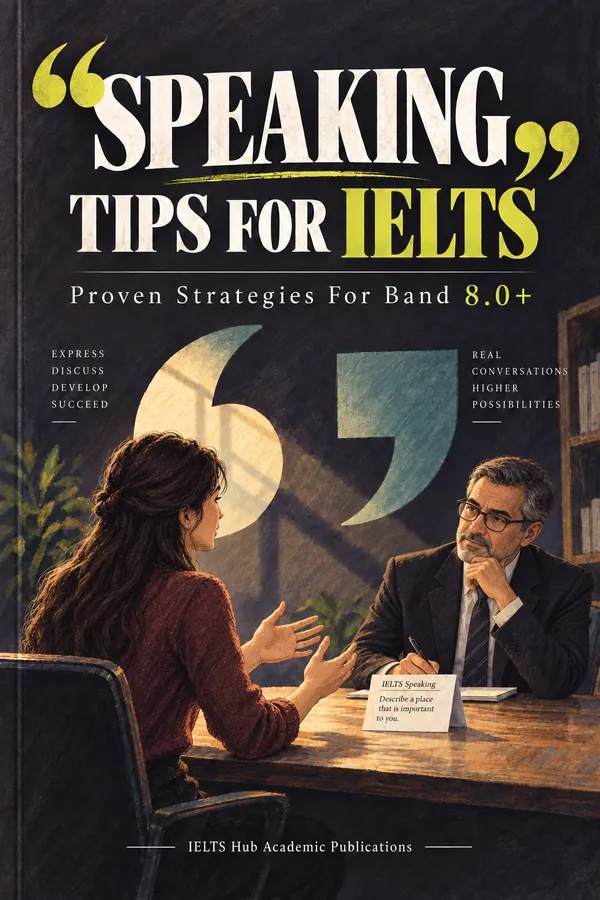
Speaking
Speaking Tips for IELTS
Proven Strategies for Band 8.0+
₹299$9.99CAD 13.99AUD 14.99£7.99NZD 16.99€8.99AED 39SGD 12.99

Speaking
Speak Like a Band 9
Real Test Questions & High-Scoring Answers
₹299$9.99CAD 13.99AUD 14.99£7.99NZD 16.99€8.99AED 39SGD 12.99

Speaking
Band 7+ Speaking Expressions
300 natural expressions for fluent, flexible speaking
₹199$6.99CAD 8.99AUD 9.99£4.99NZD 10.99€5.99AED 24SGD 8.99