Speaking test #156
Part 1 · Interview
4 to 5 minutes. The examiner asks about you and familiar topics.
Can you tell me your full name?
Where are you from?
Do you work or are you a student?
What kinds of advertisements do you watch?
I tend to watch advertisements that are relevant to my interests or needs. For example, if I'm in the market for a new car, I'll pay extra attention to car advertisements. I also appreciate advertisements that are well-made and creatively produced, regardless of the product being advertised.
Where can you see advertisements?
Advertisements can be seen in a variety of places, including on television, online, on billboards and posters, in newspapers and magazines, and even on the sides of buses or on the backs of receipts.
Have you ever bought something because of its advertisement?
Yes, I have definitely made purchases because of an advertisement before. Whether it's a product or a service, an effective advertisement can definitely influence my decision to make a purchase.
Do you watch advertisements from the beginning to the end?
It really depends on the advertisement. If I'm interested in the product or service being advertised, then I'll likely watch the whole thing. On the other hand, if the advertisement is not relevant to me or is poorly made, I'll probably tune it out before it's over.
How often do you take the bus?
Well, I'm pretty reliant on public transportation in general, so I take the bus fairly regularly. I'd say I probably catch a bus at least a few times a week.
When was the first time you took a taxi?
I think the first time I took a taxi was when I was visiting a new city and didn't quite know my way around. It was definitely a convenient option in that situation.
What are the advantages of taking a taxi compared with buses?
Well, taxis offer a bit more convenience, as you can usually flag them down on the street or book one in advance. They also offer a more direct route to your destination, as opposed to buses which may have multiple stops along the way. Additionally, taxis can be a good option for shorter trips or when you're in a hurry.
Is it convenient to take the bus/taxi in your city?
I would say that public transportation in my city is quite convenient overall. The buses run frequently and have a good coverage area, so it's easy to get around by bus. Taxis are also readily available, so it's never too difficult to catch a ride.
You will have to talk about the topic for one to two minutes. You have one minute to think about what you are going to say. You can make some notes to help you if you wish.
Describe a course you took in your college or university
You should say:
- What was the course about
- Why did you choose this course
- How was the course structured
- What did you learn from this course
What was the course about
During my time at university, I had the opportunity to take a course on Sustainable Development, which focused on the various environmental, economic, and social aspects of sustainability. I was drawn to this course due to my passion for environmental conservation and my desire to understand the interconnectedness between human activities and the environment.
Why did you choose this course
The course was structured in a way that combined theoretical concepts with practical applications. We had lectures where we learned about global environmental issues, sustainable development goals, and strategies for promoting sustainability. Additionally, we had hands-on projects and field visits to eco-friendly businesses and organizations to see sustainable practices in action.
How was the course structured
Through this course, I gained a deep understanding of the challenges facing our planet and the importance of adopting sustainable practices in all aspects of life. I learned about the role of government policies, corporate responsibility, and individual actions in achieving a more sustainable future. Moreover, the course equipped me with the knowledge and skills to critically analyze environmental issues and propose solutions to address them.
What did you learn from this course
Overall, the Sustainable Development course was a transformative experience that not only broadened my knowledge but also inspired me to become more actively involved in environmental conservation efforts. It reinforced my commitment to living a sustainable lifestyle and advocating for policies that prioritize the well-being of our planet and future generations.
- Words
- 222
- Sentences
- 10
- Words per sentence
- 22.2
- Speaking time
- about 1.7 min
Counted at 130 words a minute. The exam gives you one to two minutes.
Part 3 · Discussion
4 to 5 minutes. The examiner asks broader questions linked to the cue card topic.
How can the learning experiences in a hands-on course be different from those in a book-based course?
Learning experiences in a practical course and a theoretical course can be quite distinct. In a practical course, students are often engaged in hands-on activities that allow them to apply their knowledge in real-world scenarios. This not only enhances their understanding but also fosters a sense of active participation that can make the learning process more dynamic and enjoyable. Conversely, theoretical courses tend to focus on abstract concepts and intellectual discussions, which can sometimes feel detached from everyday life. While both types of courses have their merits, practical courses often lead to better retention of information because students can see the immediate relevance of what they're learning. Ultimately, the blend of both approaches can create a well-rounded educational experience.
Some people think that job training is better than school education. What do you think about this?
I absolutely see the value in both vocational training and academic education, but I lean towards the idea that vocational training can be incredibly beneficial, especially in today’s job market. For many individuals, practical skills and hands-on experience can lead to immediate employment opportunities, which is often more appealing than spending several years in a traditional university setting. Moreover, vocational training programs are typically more cost-effective and can cater to the specific needs of industries that are in high demand. That said, I believe a balanced approach that incorporates both forms of education can truly equip individuals with a comprehensive set of skills to thrive in their careers.
How do you think the courses chosen in college affect a student's job opportunities?
The choice of courses in higher education can significantly shape a student's career prospects in various ways. Firstly, selecting a course that is aligned with current market demands can provide students with a competitive edge, as they acquire relevant skills that employers are actively seeking. Additionally, a well-chosen course can help students develop a strong professional network through interactions with industry professionals and peers, which can be invaluable when it comes to landing job opportunities. Moreover, certain fields of study may lead to more lucrative job offers, making it essential for students to carefully consider their options. Ultimately, the right educational path not only enhances a student's knowledge but also lays a solid foundation for their future career.
Why do you think students like some subjects more than others in college or university?
Students often gravitate towards certain subjects due to a combination of personal interest and career aspirations. For instance, those with a passion for numbers may find themselves drawn to subjects like mathematics or finance, as they can envision a clear pathway to lucrative careers. Additionally, the influence of societal trends plays a significant role; fields like technology and healthcare are currently in high demand, making them particularly appealing. Furthermore, the teaching style and the quality of instruction can greatly impact students' preferences, as engaging and inspiring educators can spark a genuine interest in a subject. Ultimately, it’s a blend of personal passion, career prospects, and external influences that shapes students' choices in higher education.
What changes do you expect in the kinds of courses universities will offer in the next ten years?
I believe we’re going to see some fascinating shifts in the types of courses universities offer over the next decade. With the rapid pace of technological advancement, I expect to see an increased emphasis on interdisciplinary studies, where students can blend fields like artificial intelligence with ethics or sustainability. Additionally, as the job market evolves, there will likely be a surge in programs focusing on soft skills like critical thinking and emotional intelligence, which are becoming increasingly important in various professions. Moreover, the rise of online learning platforms will probably encourage universities to offer more flexible learning options, allowing students to design their own curriculums tailored to their unique career aspirations. Finally, I think we’ll see a greater focus on global issues, with courses addressing topics like climate change and social justice, preparing students to tackle the challenges of our time. Overall, it’s an exciting time for education, and the possibilities are truly endless!
What steps can schools take to make their courses better fit today's job market?
To make courses more relevant to today’s job market, educational institutions could implement a few strategic measures. Firstly, they should establish strong partnerships with industry leaders to ensure that the curriculum aligns with current market demands. This could involve integrating real-world projects and internships into the course structure, allowing students to gain practical experience while still studying. Furthermore, incorporating emerging technologies and skills, such as data analysis and digital marketing, would greatly enhance students’ employability. Lastly, fostering a culture of continuous feedback from both students and employers can help institutions adapt their programs swiftly to meet the evolving needs of the job market.
Go further with the books

Speaking
Band 7+ Speaking Expressions
300 natural expressions for fluent, flexible speaking
₹199$6.99CAD 8.99AUD 9.99£4.99NZD 10.99€5.99AED 24SGD 8.99
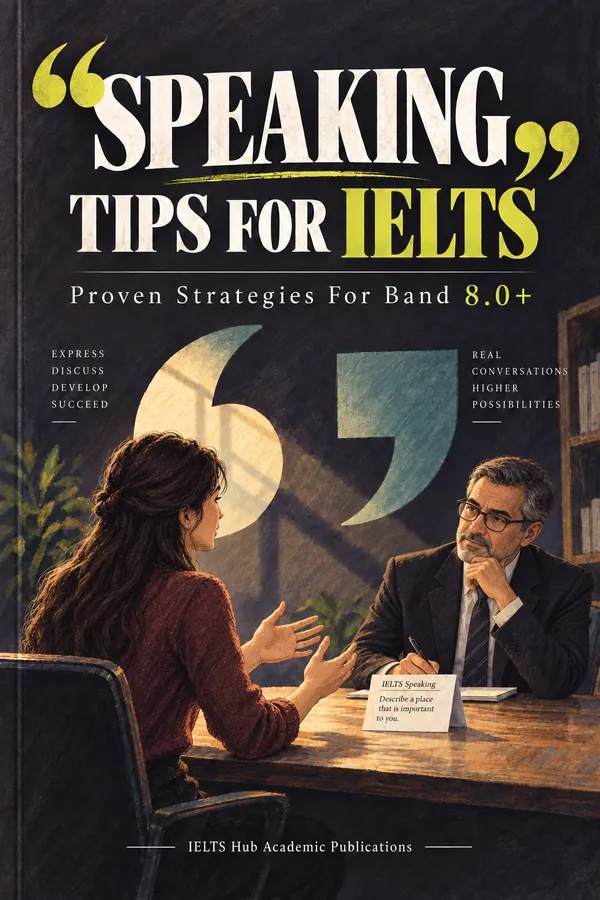
Speaking
Speaking Tips for IELTS
Proven Strategies for Band 8.0+
₹299$9.99CAD 13.99AUD 14.99£7.99NZD 16.99€8.99AED 39SGD 12.99
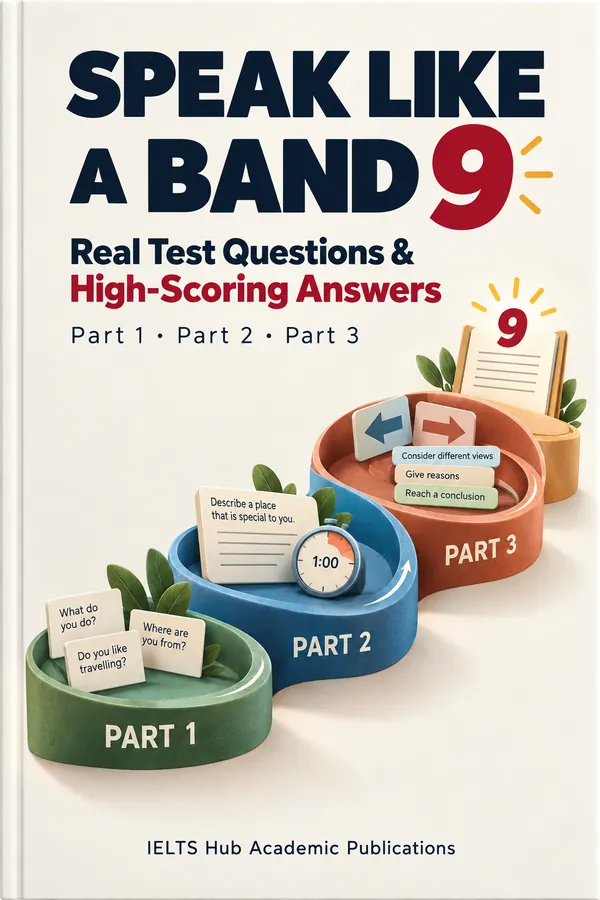
Speaking
Speak Like a Band 9
Real Test Questions & High-Scoring Answers
₹299$9.99CAD 13.99AUD 14.99£7.99NZD 16.99€8.99AED 39SGD 12.99