Speaking test #165
Part 1 · Interview
4 to 5 minutes. The examiner asks about you and familiar topics.
Can you tell me your full name?
Where are you from?
Do you work or are you a student?
What kinds of places are often crowded?
Well, it really depends on the location and time of day. Generally, popular tourist attractions, shopping centers, and public events tend to be crowded. But even local streets and public transportation can become crowded during peak hours.
When was the last time you were in a crowded place?
I was in a crowded place just a few days ago at a concert. The venue was packed and it was quite an experience.
How do you feel when you are in a crowded place?
It really depends on the circumstances. If I'm with a group of friends and having a good time, being in a crowded place can be exhilarating. However, if I'm feeling overwhelmed or stressed out, being in a crowded place can feel overwhelming and overwhelming.
Would you like to live in a crowded place in the future?
That's a tough one. On one hand, living in a crowded place can offer a lot of conveniences and opportunities for social interaction. On the other hand, it can also be quite overwhelming and overwhelming at times. Ultimately, it would depend on the specific location and the balance of pros and cons.
You will have to talk about the topic for one to two minutes. You have one minute to think about what you are going to say. You can make some notes to help you if you wish.
Describe a relaxing day you had after hard work or study
You should say:
- What activities you did to relax
- Where you spent the day
- Who you spent the day with
- How you felt during and after the relaxing day
What activities you did to relax
After a grueling period of exams, I finally had the chance to unwind and recharge. On this relaxing day, I decided to indulge in activities that would soothe my mind and body. To begin, I started my day with a rejuvenating yoga session in the serene confines of my home, allowing me to stretch and unwind my tense muscles. Following this, I dedicated some time to meditation, focusing on deep breathing and mindfulness techniques to calm my racing thoughts.
Where you spent the day
For the rest of the day, I chose to spend time in a lush botanical garden nearby, surrounded by the sights and sounds of nature. The tranquil setting provided the perfect backdrop for me to immerse myself in a good book, losing track of time as I delved into the captivating story. The gentle rustling of leaves and chirping of birds served as a soothing soundtrack, further enhancing my relaxation experience.
Who you spent the day with
I opted to spend this relaxing day in the company of my closest friend, who shares my love for nature and quiet contemplation. Together, we strolled through the winding paths of the garden, engaging in light-hearted conversations and shared laughter. The presence of a dear friend added an extra layer of comfort and joy to the already peaceful atmosphere, making the day even more special and memorable.
How you felt during and after the relaxing day
Throughout the day, I felt a profound sense of tranquility and contentment wash over me. As I allowed myself to fully unwind and let go of all the stress and worries accumulated during my intense study period, I experienced a profound sense of renewal and inner peace. By the end of the day, I felt rejuvenated, energized, and ready to tackle the challenges ahead with a fresh perspective and a revitalized spirit.
- Words
- 289
- Sentences
- 13
- Words per sentence
- 22.2
- Speaking time
- about 2.2 min
Counted at 130 words a minute. The exam gives you one to two minutes.
Part 3 · Discussion
4 to 5 minutes. The examiner asks broader questions linked to the cue card topic.
How do people relax differently in cities compared to the countryside?
The ways people unwind can significantly differ between urban and rural settings due to the varying environments and lifestyles. In urban areas, individuals often seek out vibrant social scenes or engage in activities like visiting cafes, attending concerts, or exploring bustling markets. This fast-paced lifestyle often leads to a preference for quick, accessible forms of relaxation, such as grabbing a coffee with friends or hitting the gym after work. Conversely, in rural settings, people might find solace in nature by going for long walks, hiking, or simply enjoying the tranquility of their surroundings. The slower pace of life in these areas encourages more leisurely pursuits, such as gardening or spending quality time with family. Ultimately, while both environments offer unique ways to unwind, the choices people make reflect the distinct rhythms of urban and rural living.
How much do you think taking breaks from work or school helps mental health?
Taking breaks from work or study is incredibly beneficial for mental health, and I would argue that it’s essential for maintaining overall well-being. When we immerse ourselves in tasks for prolonged periods, it can lead to mental fatigue and even burnout, which are detrimental to productivity and creativity. Regular breaks allow our minds to recharge and can significantly enhance focus and concentration when we return to our tasks. Moreover, stepping away for a moment can provide a fresh perspective, often resulting in innovative solutions to problems we might be grappling with. Ultimately, incorporating breaks into our routine is not just a luxury; it’s a crucial component of managing stress and promoting a healthier work-life balance.
How can relaxing help improve productivity in our personal and work lives?
Relaxation plays a crucial role in enhancing overall productivity, both in personal and professional spheres. When individuals take time to unwind, they often return to their tasks with a renewed sense of focus and mental clarity. This break from routine helps to alleviate stress, which can otherwise lead to burnout and diminished performance. Moreover, engaging in relaxing activities can stimulate creative thinking, allowing people to approach problems from fresh angles. Ultimately, making relaxation a priority can lead to more effective time management and a better work-life balance, fostering a more fulfilling life overall.
Why do some people feel more relaxed in their free time than others?
I believe the degree to which individuals find comfort in leisure activities can often be attributed to their personal preferences and life experiences. Some people might have a strong inclination towards creative pursuits like painting or writing, which offer them a sense of escape and relaxation. Others may find solace in physical activities, such as hiking or yoga, which can serve as a cathartic release from daily stressors. Additionally, social factors play a significant role; those who have a supportive network of friends or family often derive more joy from shared experiences, while others might feel isolated, making it harder to enjoy leisure time. Ultimately, it's fascinating how these different backgrounds and interests can shape our relationship with leisure!
How do you think the idea of relaxation will change in future societies?
I think the concept of relaxation will undergo some fascinating changes in future societies, largely driven by technological advancements and shifts in lifestyle. As our lives become increasingly frenetic, I envision a surge in mindfulness practices and holistic wellness approaches, where people actively seek moments of calm amidst the chaos. Virtual reality could play a huge role, offering immersive environments that allow individuals to escape and unwind without leaving their homes. Additionally, with the rise of remote working, I believe people will prioritize work-life balance even more, making relaxation an integral part of their daily routines. Overall, I see a future where relaxation is not just an afterthought but a fundamental necessity for mental health and well-being.
What ways can people use to improve their relaxation after a tough time?
To enhance relaxation experiences after a demanding period, individuals could explore a variety of methods that cater to their personal preferences. For instance, engaging in mindfulness meditation can significantly help in clearing the mind and reducing stress levels. Additionally, physical activities such as yoga or even a simple walk in nature can be incredibly rejuvenating, allowing one to reconnect with their surroundings. Another effective approach is to indulge in creative outlets, like painting or writing, which not only provide a distraction but also serve as a form of self-expression. Ultimately, finding what resonates personally is key to truly unwind and recharge.
Go further with the books
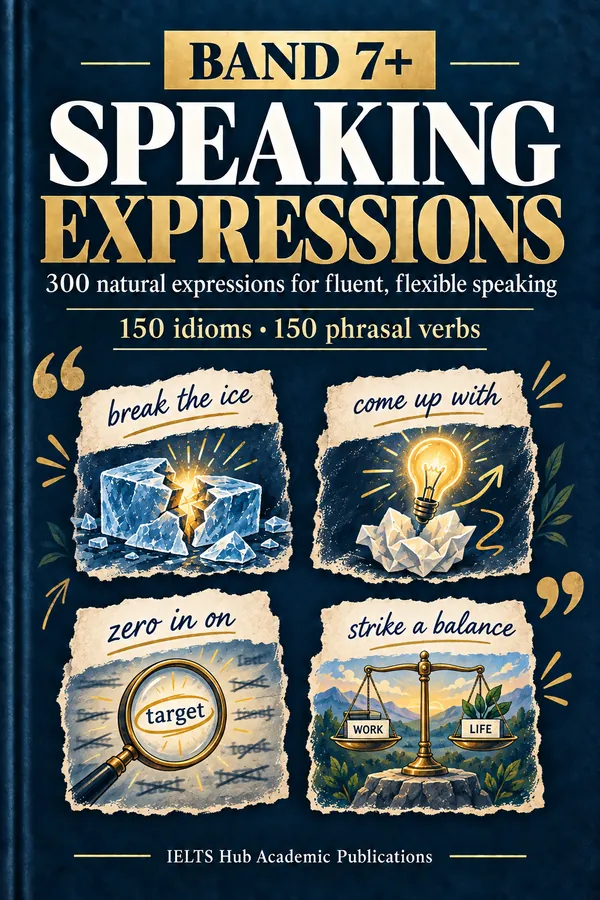
Speaking
Band 7+ Speaking Expressions
300 natural expressions for fluent, flexible speaking
₹199$6.99CAD 8.99AUD 9.99£4.99NZD 10.99€5.99AED 24SGD 8.99
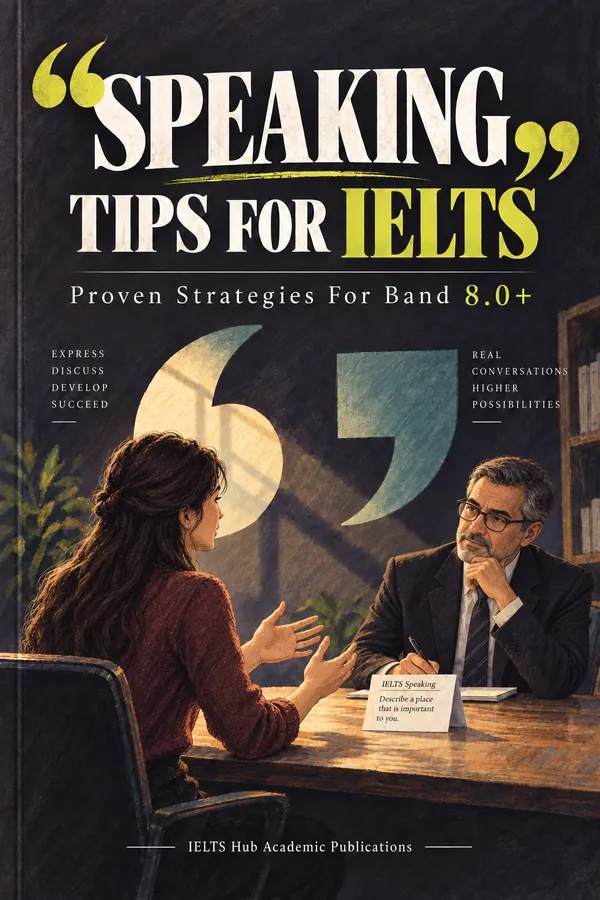
Speaking
Speaking Tips for IELTS
Proven Strategies for Band 8.0+
₹299$9.99CAD 13.99AUD 14.99£7.99NZD 16.99€8.99AED 39SGD 12.99

Speaking
Speak Like a Band 9
Real Test Questions & High-Scoring Answers
₹299$9.99CAD 13.99AUD 14.99£7.99NZD 16.99€8.99AED 39SGD 12.99