Speaking test #169
Part 1 · Interview
4 to 5 minutes. The examiner asks about you and familiar topics.
Can you tell me your full name?
Where are you from?
Do you work or are you a student?
What do you like to talk about?
I enjoy discussing a wide range of topics, from current events and politics, to more personal subjects such as hobbies and interests. I find that engaging in lively, thought-provoking conversations is a great way to expand my knowledge and perspectives.
Have your discussion topics changed since you were a child?
Definitely. As a child, I was more inclined to talk about more simplistic and superficial topics such as toys and games. However, as I've grown older, my interests and understanding of the world have broadened, leading to more complex and nuanced discussions.
Do you change your opinion frequently?
Not particularly. I tend to form my opinions based on a thorough examination of the facts and evidence available to me. Once I have formed an opinion, I am open to considering new information and perspectives, but it typically takes a significant amount of convincing for me to change my position on a topic.
Do you prefer to talk or listen?
I believe that effective communication requires a balance of both talking and listening. While I do enjoy expressing my own thoughts and ideas, I also value the opportunity to listen to others and gain insights from their perspectives. In general, I strive to be an active listener and participate in discussions in an open-minded and respectful manner.
What was the dream job for you when you were young?
When I was younger, I always dreamed of becoming a doctor. I loved the idea of being able to help people and make a difference in their lives. However, as I got older and learned more about the field, I realized that it wasn't the right fit for me.
Have you changed your mind about your dream job?
Yes, I have. I used to think that becoming a doctor was my ultimate career goal, but as I explored other options and learned more about myself, I realized that there were other paths that were a better fit for my interests and skills.
What do you plan to do in the future?
In the future, I hope to work in a career that allows me to use my creativity and problem-solving skills. I'm still exploring different options, but I'm considering careers in design or marketing.
What kind of jobs are popular in India?
In India, there are a wide range of popular careers. Some of the most in-demand jobs include engineering, IT, and finance. However, there are also many opportunities in fields such as healthcare, education, and government.
You will have to talk about the topic for one to two minutes. You have one minute to think about what you are going to say. You can make some notes to help you if you wish.
Describe an old person you admire
You should say:
- Who the person is
- How you know this person
- What qualities this person has that you admire
- Why you admire this person
Who the person is
I would like to talk about my grandmother, who is an elderly figure I deeply admire. She has been a constant source of inspiration and guidance in my life. I have known her since my childhood, as she has always been an integral part of our family. Her presence in our lives has been significant, and she has played a pivotal role in shaping my values and beliefs.
How you know this person
My grandmother possesses a remarkable blend of wisdom, kindness, and resilience that I truly admire. Despite facing numerous challenges in her life, she has always maintained a positive outlook and a strong sense of determination. Her ability to find joy in simple things and to face adversity with grace has always impressed me. She is a living example of strength and perseverance, and her unwavering spirit is something I aspire to emulate.
What qualities this person has that you admire
I admire my grandmother not only for her resilience but also for her selflessness and generosity. She has always put the needs of others before her own and has dedicated her life to taking care of her family and those in need. Her unconditional love and support have been a constant source of comfort for me and everyone around her. I am inspired by her compassionate nature and her willingness to help others without expecting anything in return.
Why you admire this person
In conclusion, my admiration for my grandmother stems from her remarkable qualities of resilience, kindness, and selflessness. She embodies the values that I hold dear and serves as a role model for me in how to navigate life's challenges with grace and compassion. I am truly grateful for her presence in my life and the invaluable lessons she has taught me through her actions and words.
- Words
- 284
- Sentences
- 15
- Words per sentence
- 18.9
- Speaking time
- about 2.2 min
Counted at 130 words a minute. The exam gives you one to two minutes.
Part 3 · Discussion
4 to 5 minutes. The examiner asks broader questions linked to the cue card topic.
How might the traits of older people be different from those of younger generations?
That's a fascinating question! Generally, older individuals often possess a wealth of life experience that shapes their perspective on various issues. They tend to be more patient and have a deeper understanding of the consequences of their actions, which can lead to more thoughtful decision-making. On the other hand, younger generations are usually more open-minded and adaptable, often embracing new technologies and innovative ideas with enthusiasm. This blend of qualities creates a unique dynamic where both age groups can learn from each other, with older individuals imparting wisdom while younger ones introduce fresh perspectives. Ultimately, it’s this intergenerational exchange that fosters growth and understanding in society.
How much can the successes of older people motivate younger ones in today's world?
The achievements of elderly people can be incredibly inspiring for younger individuals, often serving as a powerful reminder of the potential that exists within all of us. Many elderly individuals have overcome significant challenges and have lived through transformative periods in history, which lends them a unique perspective. Their stories of resilience and determination can motivate younger generations to pursue their own dreams and aspirations with greater fervor. Furthermore, when we see older people actively engaged in their communities or continuing to learn new skills, it highlights the idea that it's never too late to achieve one's goals. In this way, the timeless wisdom and experience of the elderly can indeed serve as a catalyst for inspiration among youth today.
How important is it for society to acknowledge and honor the contributions of older generations?
Recognizing and celebrating the contributions of older generations is absolutely vital for society. Firstly, it fosters a sense of intergenerational connection, which is crucial in a world that often seems to prioritize youth over experience. When we acknowledge the wisdom and achievements of older individuals, it not only validates their life experiences but also enriches our cultural heritage. Moreover, this recognition can inspire younger generations to appreciate the value of tradition and learn from the past, helping to create a more cohesive community. Ultimately, celebrating our elders helps to bridge the gap between generations and ensures that their legacies are not forgotten.
Why do you think people often look up to specific traits in older people?
People often admire certain qualities in older individuals because they embody a wealth of experience and wisdom that comes from years of living. This life experience often translates into a deep understanding of human nature and the complexities of life, which many younger people find inspiring. Additionally, older individuals are often seen as more emotionally resilient, having navigated various challenges and setbacks throughout their lives, which can instill a sense of respect and admiration. Their ability to offer guidance and share valuable lessons can be incredibly beneficial for younger generations, fostering a sense of continuity and connection across age groups. Ultimately, the qualities admired in older individuals often reflect a profound appreciation for the journey of life itself.
How could the role of older people in society change in the future?
The role of older individuals in society is likely to evolve significantly in the coming years, particularly as advancements in healthcare and technology continue to extend life expectancy. We may see them taking on more active roles in the workforce, contributing their wealth of experience and knowledge, which can be incredibly valuable. Additionally, as the population ages, there could be a shift towards them becoming mentors and leaders in various fields, fostering intergenerational collaboration and innovation. Moreover, with the rise of digital technology, older individuals might also become more tech-savvy, engaging with new platforms and tools that allow them to stay connected and share their insights. This transformation can help bridge generational gaps and promote a more inclusive society where everyone's voice is heard. It's exciting to think about how older adults can reshape our communities and influence future generations!
What steps can be taken to improve how the elderly are seen and respected in communities?
To enhance the visibility and respect for the elderly in communities, a multifaceted approach is essential. Firstly, organizing community events that celebrate the achievements and contributions of older adults can significantly elevate their status. For instance, cultural festivals or storytelling sessions where seniors share their life experiences can foster intergenerational connections and promote understanding. Additionally, implementing educational programs in schools about the history and wisdom of the elderly can cultivate mutual respect among younger generations. Lastly, creating volunteer opportunities for young people to assist the elderly, such as in community gardens or tech classes, can not only enrich the lives of seniors but also instill a sense of responsibility and gratitude in the youth. These measures can truly transform how we view and interact with our senior population.
Go further with the books
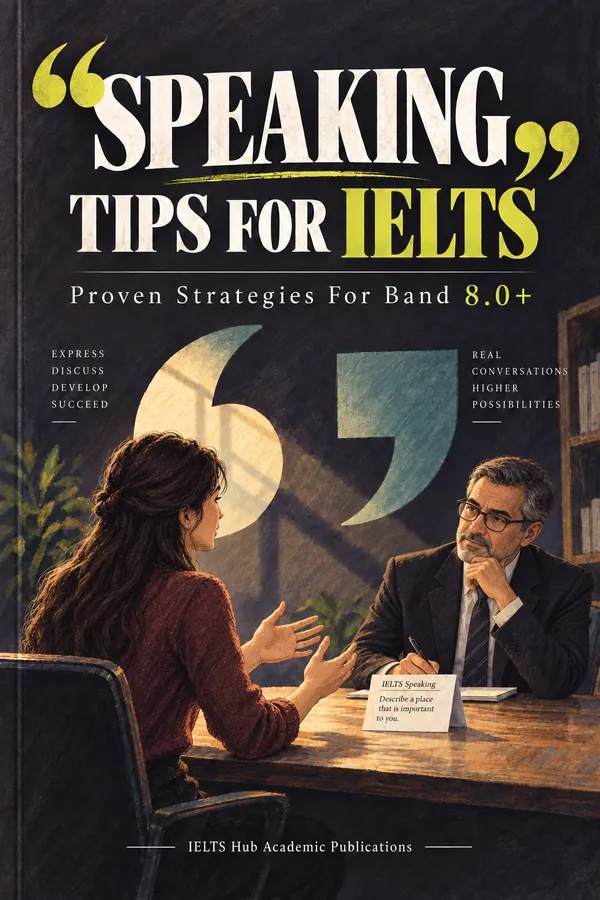
Speaking
Speaking Tips for IELTS
Proven Strategies for Band 8.0+
₹299$9.99CAD 13.99AUD 14.99£7.99NZD 16.99€8.99AED 39SGD 12.99
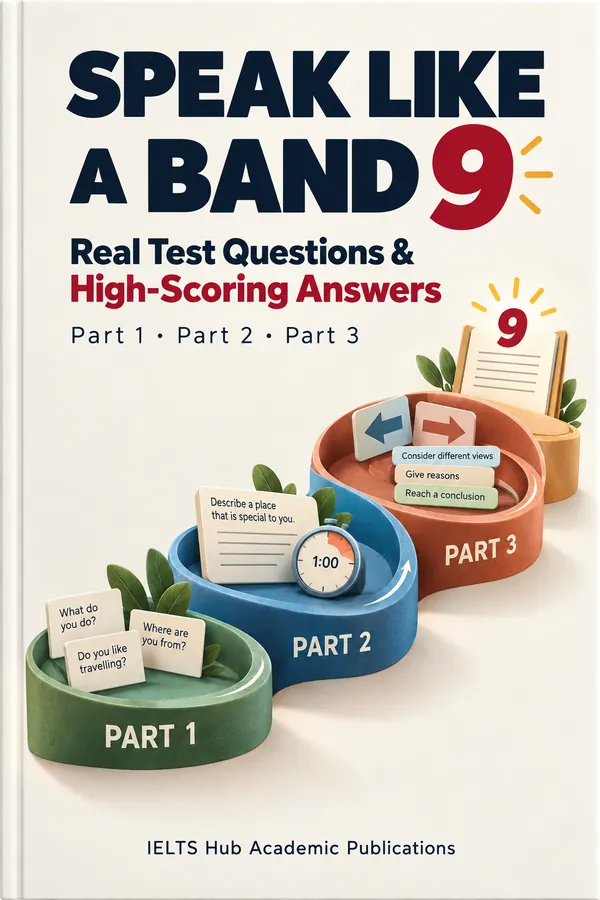
Speaking
Speak Like a Band 9
Real Test Questions & High-Scoring Answers
₹299$9.99CAD 13.99AUD 14.99£7.99NZD 16.99€8.99AED 39SGD 12.99
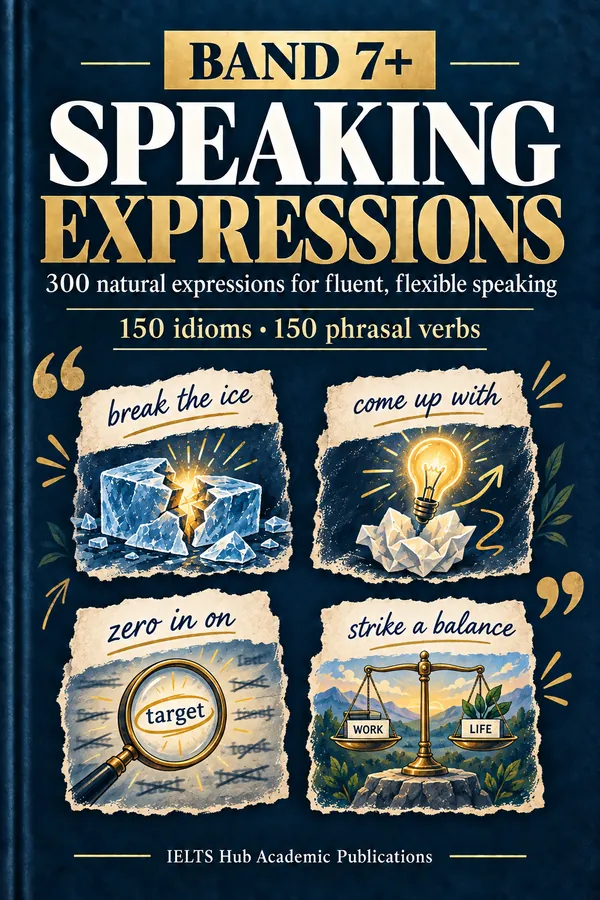
Speaking
Band 7+ Speaking Expressions
300 natural expressions for fluent, flexible speaking
₹199$6.99CAD 8.99AUD 9.99£4.99NZD 10.99€5.99AED 24SGD 8.99