Speaking test #173
Part 1 · Interview
4 to 5 minutes. The examiner asks about you and familiar topics.
Can you tell me your full name?
Where are you from?
Do you work or are you a student?
Would you like to work in a company related to environmental protection?
Absolutely, I have always been passionate about preserving our planet and ensuring that we are living in a sustainable way. Working for a company that has a strong focus on environmental protection would be incredibly fulfilling for me.
How can we protect the environment?
There are a variety of ways that we can all do our part to protect the environment. Simple actions such as reducing our use of plastic, conserving energy and water, and supporting sustainable practices in our daily lives can make a big difference. Additionally, supporting and advocating for government policies that protect the environment is crucial.
Do you think you've done enough to protect the environment?
I am always looking for ways to improve and do more to protect the environment, so I wouldn't say that I have done enough. However, I strive to make conscious choices that align with my values and believe that every little bit helps.
Is there education about environmental protection at school in your country?
Yes, environmental education is included in the curriculum in schools across my country. From a young age, students are taught about the importance of protecting our planet and the ways in which we can all play a role in preserving it. It's great to see such a emphasis placed on environmental education and the importance of sustainability.
Do you prefer studying in the morning or in the afternoon?
I prefer studying in the morning. I find that my brain is freshest and most focused first thing in the day, and it helps me to get a lot done before the day gets too busy. Plus, starting my day with some productive studying helps me to feel accomplished and motivated to tackle the rest of my to-do list.
What do you usually do in the evening?
In the evening, I like to relax and unwind. Sometimes I'll read a book or watch a movie, other times I'll catch up with friends or family over the phone. If I'm feeling active, I might go for a run or do a workout. And of course, I always make sure to get a good night's sleep.
What did you do in the evening when you were little? Why?
When I was little, I used to spend my evenings playing with my siblings and friends. We would often have impromptu soccer games or bike rides around the neighborhood. We did this because we loved spending time outdoors and being active. It was a great way for us to burn off energy and have fun together.
Are there any differences between what you do in the evening now and what you did in the past?
The main difference between what I do in the evening now and what I did in the past is that I'm a lot more focused on self-care and relaxation. As an adult, I've learned the importance of taking time to unwind and de-stress after a long day. When I was a kid, I was more focused on having fun and being active, which is still important to me, but I now also make sure to take care of my mental and physical health in the evenings.
You will have to talk about the topic for one to two minutes. You have one minute to think about what you are going to say. You can make some notes to help you if you wish.
Describe a special meal you remember having with others
You should say:
- Who you shared the meal with
- Where and when the meal took place
- What food was served during the meal
- Why this meal stands out in your memory
Who you shared the meal with
I vividly recall a special meal I shared with my family during Diwali, the festival of lights, last year. It was a joyous occasion where my parents, siblings, and I gathered at our ancestral home in Mumbai to celebrate the festival together. The meal took place in our traditional dining area, beautifully decorated with colorful rangoli patterns and flickering diyas. The festive atmosphere added an extra layer of warmth and happiness to our gathering.
Where and when the meal took place
The meal consisted of a lavish spread of traditional Indian dishes, including mouth-watering biryani, fragrant dal makhani, crispy samosas, and an array of delectable sweets like gulab jamun and jalebi. Each dish was meticulously prepared by my mother, who poured her love and culinary skills into each recipe. The aroma of the spices filled the air, tantalizing our taste buds and creating a sense of anticipation for the feast that awaited us.
What food was served during the meal
This meal stands out in my memory not just for its delicious food and festive ambiance, but for the priceless moments of togetherness and laughter we shared as a family. It was a rare occasion where everyone put aside their busy schedules to gather, bond, and create lasting memories. The joy of sharing hearty laughs, exchanging stories, and relishing traditional delicacies created a sense of unity and belonging that made the meal truly unforgettable.
Why this meal stands out in your memory
In retrospect, this special meal symbolizes the essence of family bonds, tradition, and cultural heritage for me. It reminds me of the importance of cherishing moments spent with loved ones and appreciating the rich tapestry of flavors and experiences that bring us together. This meal serves as a cherished memory that I hold dear in my heart, a reminder of the warmth and love that permeates our family gatherings during festive occasions like Diwali.
- Words
- 294
- Sentences
- 13
- Words per sentence
- 22.6
- Speaking time
- about 2.3 min
Counted at 130 words a minute. The exam gives you one to two minutes.
Part 3 · Discussion
4 to 5 minutes. The examiner asks broader questions linked to the cue card topic.
What is the difference in experience and enjoyment between meals shared with others and meals eaten alone?
Meals shared with others are often richer in experience and enjoyment compared to those eaten alone. When dining with friends or family, there’s a sense of camaraderie that enhances the atmosphere, making the food taste even better. Conversations flow, laughter fills the air, and the act of sharing a meal can lead to deeper connections and create lasting memories. In contrast, eating alone can sometimes feel quite isolating; while it can be a time for reflection, it lacks the vibrancy and warmth that social interactions bring. Ultimately, sharing a meal elevates it from mere sustenance to a celebration of companionship and community.
Some folks think that eating together makes relationships stronger. What do you think about this?
I absolutely agree that dining together can significantly strengthen relationships. Sharing a meal creates a relaxed atmosphere where people can engage in meaningful conversations, free from the distractions of everyday life. It’s during these moments that we often share our thoughts, experiences, and even our dreams, which can lead to a deeper connection. Plus, the act of preparing or sharing food can foster a sense of community and togetherness. Overall, I think dining together is more than just about the food; it’s about building memories and nurturing bonds that last a lifetime.
How do shared meals help build cultural identity and bring people together?
Communal meals play a pivotal role in strengthening cultural identity and fostering social cohesion. When people gather to share food, they often exchange stories and traditions, which helps to preserve their cultural heritage. This shared experience not only deepens personal connections but also promotes a sense of belonging within the community. Additionally, communal meals can break down barriers, bringing together individuals from diverse backgrounds and creating an atmosphere of inclusivity. Ultimately, sharing a meal is much more than just eating; it’s a celebration of togetherness and a reaffirmation of shared values.
Why do you think people usually pick special times to eat together instead of on normal days?
People often opt for special occasions to gather for a meal because these moments create a sense of shared celebration that elevates the experience. When we come together for events like birthdays, weddings, or holidays, there’s an inherent joy and excitement that transforms a simple meal into a memorable feast. Additionally, these gatherings provide a unique opportunity to strengthen social bonds and reconnect with family and friends, something we might overlook in our busy daily lives. It’s almost as if the meal itself becomes a backdrop for cherished memories, making these occasions feel all the more significant. Ultimately, it’s about creating lasting moments that we can reminisce about long after the meal is over.
How could eating out with friends or family change in the future?
I believe the trend of dining out with friends and family is poised for some exciting changes in the future. As technology continues to advance, we might see a rise in breathtaking dining experiences that incorporate augmented reality or virtual reality, allowing diners to immerse themselves in different environments while enjoying their meals. Additionally, with the growing emphasis on health and sustainability, restaurants may increasingly focus on offering locally sourced, organic ingredients, creating a gourmet experience that aligns with consumers' values. We could also see a surge in social dining concepts, where communal tables and open kitchens foster a sense of community and interaction among guests. Overall, dining out will likely become an even more engaging and memorable experience as people seek not just food, but connection and adventure.
What steps can be taken to help more families eat together often?
To encourage more families to have meals together regularly, I believe a few effective measures could be implemented. Firstly, creating a family meal tradition can be incredibly beneficial; perhaps setting aside certain days of the week dedicated to family dinners can instill a sense of routine. Additionally, promoting the idea of cooking together can turn meal preparation into a fun, bonding activity rather than a chore. Community initiatives, such as local cooking classes or workshops focused on healthy meals, can also foster a greater interest in home-cooked food, making families more inclined to gather around the table. Lastly, minimizing distractions like mobile devices during mealtime can enhance communication and connection among family members, making the experience more enjoyable and meaningful.
Go further with the books
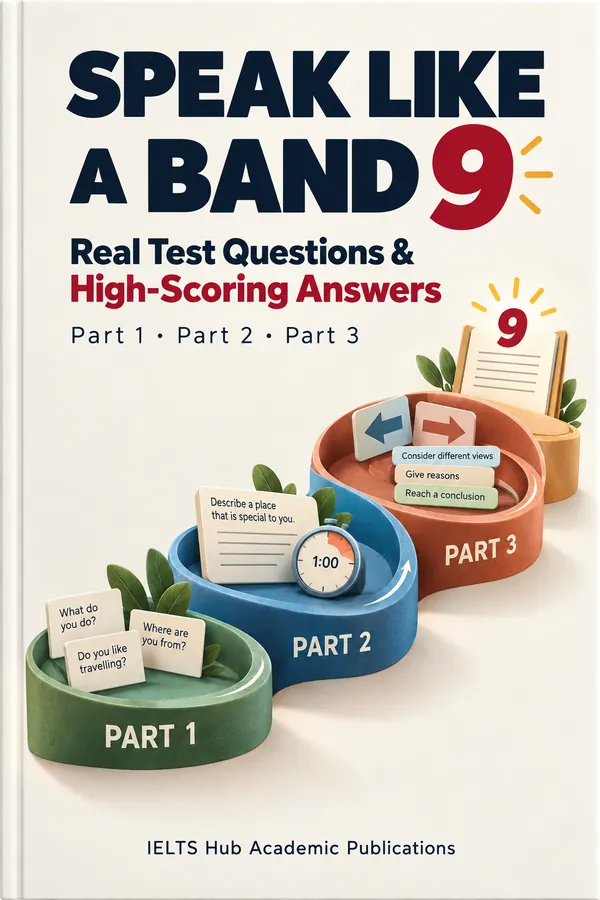
Speaking
Speak Like a Band 9
Real Test Questions & High-Scoring Answers
₹299$9.99CAD 13.99AUD 14.99£7.99NZD 16.99€8.99AED 39SGD 12.99

Speaking
Band 7+ Speaking Expressions
300 natural expressions for fluent, flexible speaking
₹199$6.99CAD 8.99AUD 9.99£4.99NZD 10.99€5.99AED 24SGD 8.99

Speaking
Speaking Tips for IELTS
Proven Strategies for Band 8.0+
₹299$9.99CAD 13.99AUD 14.99£7.99NZD 16.99€8.99AED 39SGD 12.99