Speaking test #174
Part 1 · Interview
4 to 5 minutes. The examiner asks about you and familiar topics.
Can you tell me your full name?
Where are you from?
Do you work or are you a student?
How often do you spend time with your family?
I spend a good amount of time with my family on a regular basis. We usually make it a point to have a family dinner together at least once a week, and we also make sure to schedule other activities, such as trips or outings, on a regular basis as well.
How do you spend time with your family?
We spend time with each other in a variety of ways. We'll often go out for a meal together, either at a restaurant or for a picnic in the park. We also enjoy doing activities together, such as going to the movies, taking a trip to the beach, or going on a hike. We also like to spend time at home together, playing games or watching movies.
Do you want to live with your family in the future?
I wouldn't mind living with my family in the future, as long as everyone is on the same page. It's always nice to have the support and companionship of loved ones, especially as you grow older. However, I also value my independence and may choose to live on my own as well.
How has your family influenced you?
My family has had a significant impact on shaping me into the person I am today. They have always been supportive of my goals and aspirations, and have encouraged me to chase my dreams. Additionally, they have instilled strong values in me, such as the importance of hard work, honesty, and kindness. I am forever grateful for their guidance and love.
Have you visited a farm?
Oh yes, I've had the pleasure of visiting a few farms in my lifetime. It's always such a fascinating experience to see where our food comes from and the hard work that goes into producing it.
What kind of farm do you like?
I have a bit of a soft spot for small, family-run farms. There's something about the care and dedication that goes into running a small farm that really resonates with me. It's also really nice to see the unique, sustainable practices that these types of farms often employ.
Do you think farming is important?
Absolutely. Farming is the backbone of our food system, and without it we wouldn't have the variety or abundance of food that we have today. Additionally, farming plays an important role in maintaining the balance of nature, and preserving the rural way of life.
Did you do farm work when you were young?
I didn't grow up on a farm, so I didn't have the opportunity to do farm work during my youth. However, I did have the chance to help out on a few farms during summers in college, and it was a great learning experience. It gave me a whole new appreciation for the hard work and dedication that goes into producing our food.
You will have to talk about the topic for one to two minutes. You have one minute to think about what you are going to say. You can make some notes to help you if you wish.
Describe a naughty thing you did when you were a child
You should say:
- What the naughty thing was
- Where and when it happened
- Who was involved
- How you felt about it afterwards
What the naughty thing was
When I was a mischievous child, I once played a prank on my younger sister that I still remember vividly to this day. The naughty thing I did was to hide her favorite toy in a secret spot in our backyard, pretending that it had mysteriously disappeared. This incident took place during a warm summer evening when we were playing outside in our family garden, both of us filled with excitement and laughter.
Where and when it happened
My younger sister, who was only five years old at the time, was the main victim of my prank. She had a special attachment to that toy and would not go to bed without it. As the sun began to set, she started panicking and tearing up, searching frantically for her beloved toy. I couldn't contain my giggles as I watched her distress, although a part of me felt guilty for causing her such worry.
Who was involved
After the prank was revealed, my sister was initially upset with me, but soon we both burst into laughter at the absurdity of the situation. Looking back, I realized that my actions were not malicious but rather a mischievous attempt to entertain us both. Despite the initial guilt, the shared laughter and bonding experience that followed made me feel a sense of warmth and connection with my sister that I cherish to this day.
How you felt about it afterwards
In the end, the naughty prank I played on my sister taught me the importance of balancing fun and sensitivity in my interactions with others. It remains a fond memory that symbolizes the innocence and playfulness of childhood, reminding me of the strong bond I share with my sister that has only grown stronger over the years.
- Words
- 279
- Sentences
- 12
- Words per sentence
- 23.3
- Speaking time
- about 2.1 min
Counted at 130 words a minute. The exam gives you one to two minutes.
Part 3 · Discussion
4 to 5 minutes. The examiner asks broader questions linked to the cue card topic.
How are the playful tricks of kids today different from those in the past?
That's such an interesting question! I believe the mischievous acts of children today are influenced significantly by the digital age. In the past, kids might have engaged in traditional pranks like toilet papering someone's house or sneaking out to play late at night. Nowadays, however, we see a shift towards cyber mischief, where children might play tricks online or engage in social media antics. Additionally, the accessibility of technology means that the scope of their mischief can reach a wider audience, often resulting in more serious consequences. While children's playful nature remains the same, the context in which they express their mischief has evolved dramatically, reflecting the changes in society and technology over time.
How much do childhood pranks show a person's character as they get older?
Childhood mischiefs can often serve as a fascinating window into a person's future personality. When children engage in playful antics, it usually reveals their inherent traits, such as curiosity, creativity, or even their propensity for risk-taking. For instance, a child who frequently constructs elaborate forts might grow up to be an innovative thinker, while one who enjoys pranking their friends could develop a sharp sense of humor. However, it’s important to note that while these childhood behaviors can provide some insight, they don’t necessarily dictate a person’s entire character as they mature. Life experiences, education, and social environments play crucial roles in shaping who we become. Ultimately, childhood mischiefs can be seen as the early brushstrokes on the canvas of a person’s identity, but they are just part of a much larger picture.
How do playful activities in childhood affect a child's overall growth?
Playful behaviors in childhood play a crucial role in a child's overall development. Engaging in play allows children to explore their environment, which fosters cognitive growth as they learn to solve problems and think critically. Moreover, playful interactions with peers help develop essential social skills, such as cooperation and communication. It also provides a safe space for children to express their emotions and manage their feelings, which is vital for emotional intelligence. Overall, these playful experiences contribute significantly to a child’s sense of identity and their ability to navigate the world around them.
Why do you think some kids misbehave more than others?
That's a fascinating question! I believe that the propensity for children to engage in naughty behavior can be influenced by a variety of factors. For instance, some kids may come from environments where boundaries are less clearly defined, allowing them to explore limits more freely. Additionally, children often imitate the behavior of their peers or family members; if they see others acting out, they might feel encouraged to do the same. It’s also important to consider individual personality traits—some children are naturally more rebellious or curious, which can lead to mischief. Ultimately, a mix of environmental influences and personal characteristics shapes how a child behaves.
How might childhood mischief change in the future?
That's a fascinating question! As technology continues to advance, I believe that the nature of childhood mischief will increasingly be influenced by digital platforms. Instead of traditional pranks, we might see children engaging in virtual mischief, like creating harmless memes or playing tricks in online games. Additionally, with the rise of social media, there could be a shift towards more collaborative forms of mischief, where kids team up to pull off elaborate online stunts. However, I also think that this evolution could lead to new challenges, such as the potential for cyberbullying or the need for greater digital literacy to navigate these new forms of playful behavior. Overall, while the essence of childhood mischief will remain, its expression will undoubtedly adapt to our changing world.
What ways can parents and teachers use to help a child’s playful energy in a good way?
Parents and educators can employ several effective methods to channel a child's mischievous energy in a positive direction. One excellent approach is to engage them in hands-on activities that stimulate their creativity, such as arts and crafts or building projects. These activities not only provide a constructive outlet for their energy but also help develop fine motor skills and critical thinking. Additionally, incorporating structured playtime, like team sports or group games, can teach children important social skills while allowing them to burn off excess energy. Ultimately, by providing an environment that encourages exploration and creativity, children can learn to express their mischievousness in ways that are both fun and beneficial.
Go further with the books
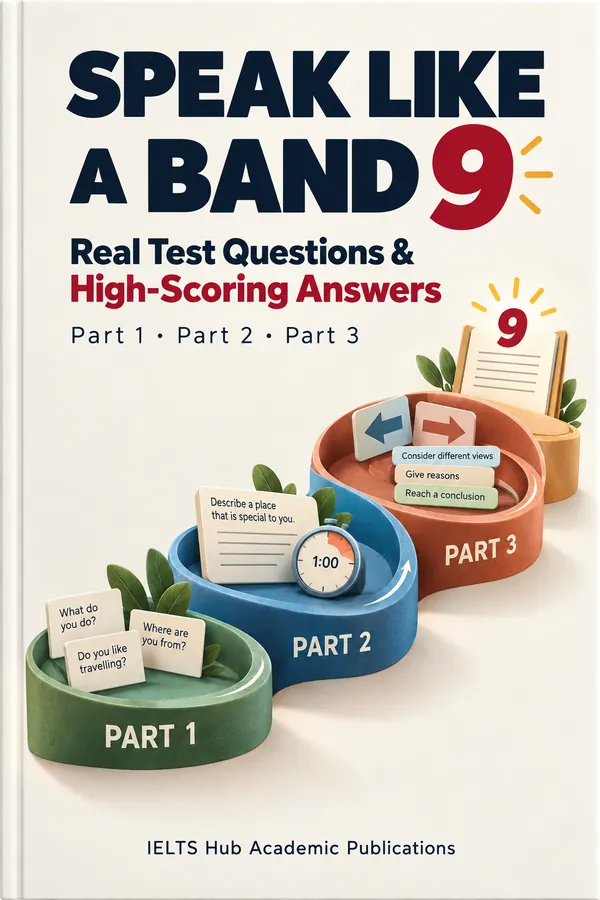
Speaking
Speak Like a Band 9
Real Test Questions & High-Scoring Answers
₹299$9.99CAD 13.99AUD 14.99£7.99NZD 16.99€8.99AED 39SGD 12.99
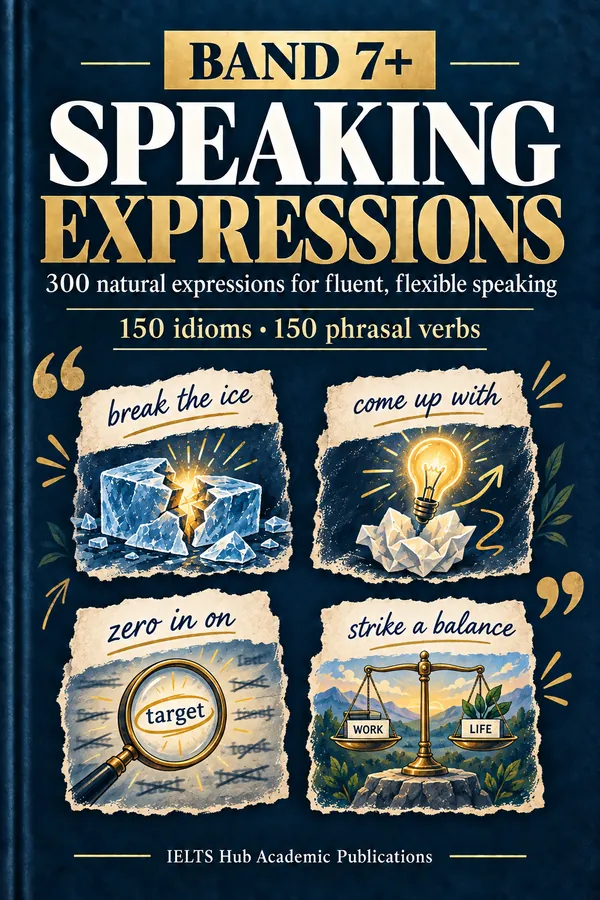
Speaking
Band 7+ Speaking Expressions
300 natural expressions for fluent, flexible speaking
₹199$6.99CAD 8.99AUD 9.99£4.99NZD 10.99€5.99AED 24SGD 8.99
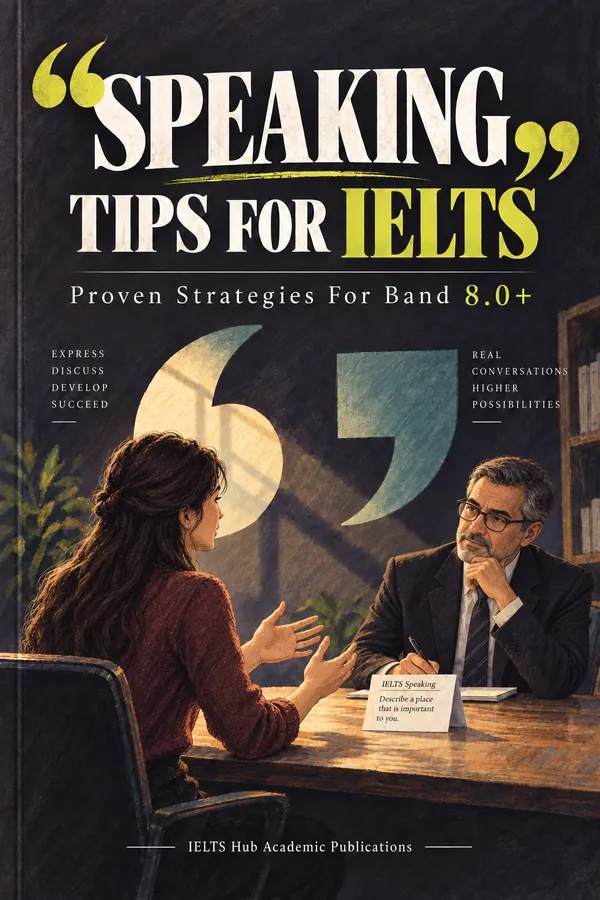
Speaking
Speaking Tips for IELTS
Proven Strategies for Band 8.0+
₹299$9.99CAD 13.99AUD 14.99£7.99NZD 16.99€8.99AED 39SGD 12.99