Speaking test #176
Part 1 · Interview
4 to 5 minutes. The examiner asks about you and familiar topics.
Can you tell me your full name?
Where are you from?
Do you work or are you a student?
Did you usually go to the cinema when you were a kid?
I used to be quite the movie buff as a kid, so I was definitely a frequent visitor to the cinema.
Do you usually go to the cinema with your friends?
I tend to alternate between going to the cinema with friends and going alone, depending on my mood and the movie I'm seeing.
Do you still enjoy watching the movies you loved as a child?
I definitely have a nostalgia for the movies I loved as a child, but whether I still enjoy them depends on how well they hold up on re-watch. Some movies that I loved as a child I still enjoy as an adult, but others haven't aged as well.
Do you prefer watching movies at home or at the cinema?
I really enjoy both options, but if I had to choose one, I would probably say that I prefer watching movies at home. The comfort of my own couch and being able to pause and take a break is a huge plus. But, there's also something special about the shared experience of watching a movie in a cinema with a crowd.
Do you like fishing?
I am quite fond of fishing, as it provides a wonderful opportunity to spend time outdoors and connect with nature. I find the process of casting a line and waiting for a bite to be quite meditative and relaxing.
Is fishing a useful hobby?
I believe fishing can be a highly beneficial hobby for several reasons. For one, it allows individuals to engage in physical activity and get some exercise. Additionally, it can provide a source of food for those who choose to catch and release, or for those who keep the fish they catch. Furthermore, it can also be a great way to bond with friends and family, as well as to teach children about the importance of conservation.
Why do people go fishing?
People go fishing for a variety of reasons. Some individuals enjoy the challenge of trying to catch a specific type of fish or a particularly large one, while others find the peacefulness and tranquility of being out on the water to be highly appealing. Additionally, many people see fishing as a way to connect with nature, or as a way to spend quality time with friends and family.
Why do people like keeping fish as pets?
People like keeping fish as pets for many reasons. For one, they are relatively low maintenance and easy to care for, making them ideal for busy individuals or those who lack the space for larger pets. Additionally, many people find the vibrant colors and unique characteristics of different fish species to be quite captivating. Furthermore, keeping fish as pets can also be quite therapeutic, as the soothing movement of the fish can be quite calming and relaxing.
You will have to talk about the topic for one to two minutes. You have one minute to think about what you are going to say. You can make some notes to help you if you wish.
Describe an educational trip you went on
You should say:
- Where did you go?
- Who did you go with?
- What did you learn during the trip?
- How did the trip impact your education?
Where did you go?
I had the opportunity to go on an educational trip to the historic city of Jaipur in India. I was accompanied by my classmates and teachers from my school. Jaipur is known for its rich cultural heritage and historical significance, making it an ideal destination for an educational excursion. The trip was not just a break from the routine but an immersive learning experience that left a lasting impact on me.
Who did you go with?
During the trip, I learned about the architectural marvels of Jaipur, such as the iconic Hawa Mahal, majestic Amer Fort, and the intricate designs of the City Palace. Additionally, visiting the Jantar Mantar observatory exposed me to the scientific advancements of ancient India. Exploring these historical sites not only broadened my knowledge but also deepened my appreciation for our country's rich past and cultural diversity.
What did you learn during the trip?
This educational trip had a profound impact on my education by bringing textbooks to life and making history more tangible. It helped me connect theoretical knowledge with practical experiences, making learning more engaging and memorable. The trip enhanced my understanding of Indian history, art, and architecture in a way that no classroom lecture could ever achieve. It inspired me to delve deeper into our country's heritage and sparked a newfound curiosity for exploration and learning.
How did the trip impact your education?
In conclusion, the educational trip to Jaipur was a transformative experience that enriched my education and broadened my horizons. It not only offered a glimpse into the past but also instilled a sense of pride in our cultural heritage. This trip served as a reminder of the value of experiential learning and the importance of stepping out of the classroom to gain a more holistic education.
- Words
- 277
- Sentences
- 14
- Words per sentence
- 19.8
- Speaking time
- about 2.1 min
Counted at 130 words a minute. The exam gives you one to two minutes.
Part 3 · Discussion
4 to 5 minutes. The examiner asks broader questions linked to the cue card topic.
How could an educational trip affect learning differently than a regular classroom experience?
The impact of an educational trip can be profoundly different from that of a traditional classroom experience. While classroom learning often involves theoretical knowledge and structured lessons, an educational trip immerses students in real-world scenarios, allowing them to engage with the subject matter on a much deeper level. For instance, visiting a historical site offers firsthand experience that can spark a genuine interest in history, something that textbooks alone might not achieve. Moreover, educational trips often promote teamwork and interpersonal skills, as students collaborate and communicate outside their usual environment. Overall, the combination of practical learning and experiential engagement can lead to a more memorable and impactful educational experience.
Some people think that school trips are better than regular classes; what do you think?
I absolutely agree that educational trips can be incredibly beneficial compared to traditional classroom settings. For one, they offer students a chance to engage with real-world contexts, which can significantly enhance their understanding of theoretical concepts. When students see history come alive at a museum or experience science firsthand at a nature reserve, it not only makes learning more memorable, but it also sparks their curiosity in ways that textbooks simply can’t. Additionally, these trips often foster teamwork and social skills as students collaborate outside the confines of a classroom. Overall, I believe that while regular classes are essential, incorporating educational trips can truly enrich the learning experience.
How do school trips help students learn better?
Educational trips play a pivotal role in enhancing a student’s overall learning experience by providing a hands-on approach to education. For instance, when students visit museums or historical sites, they can immerse themselves in the subject matter, which often leads to a much deeper understanding than what they would gain from textbooks alone. Such trips also foster critical thinking and problem-solving skills as students are often encouraged to ask questions and engage with their surroundings. Additionally, these experiences promote teamwork and social interaction, as students collaborate with their peers during the trip, which can strengthen their communication skills. Ultimately, educational trips not only enrich academic learning but also contribute to personal growth and lifelong memories.
How do you think school trips can help a student learn more about a subject?
Educational trips can significantly enhance a student's understanding of a subject for several reasons. Firstly, they provide a hands-on learning experience that traditional classrooms often lack. When students can engage directly with the material, whether it’s exploring historical sites or scientific laboratories, they’re more likely to retain information and make meaningful connections. Additionally, these trips foster a sense of curiosity and excitement that can ignite a passion for learning. Experiencing real-life applications of their studies helps students to see the relevance of their education, making it much more impactful in the long run.
How could educational trips change in the future with new technology?
Educational trips are already transforming due to technological advancements, and I believe this evolution will continue at a rapid pace. In the future, we might see virtual reality experiences becoming commonplace, allowing students to explore historical sites or even distant planets without leaving their classrooms. Imagine donning a VR headset and walking through ancient ruins or observing the solar system up close—it's both exciting and incredibly enriching! Additionally, enhanced interactive learning platforms could facilitate real-time collaboration between students from different countries, fostering a sense of global community and cultural exchange. Overall, technology has the potential to make educational trips more immersive and accessible than ever before, igniting students' curiosity and broadening their horizons.
What steps can schools take to make sure educational trips are safe and beneficial for students?
To ensure that educational trips are both safe and enriching for students, schools can implement a variety of measures. First and foremost, thorough risk assessments should be conducted prior to any trip, identifying potential hazards and formulating strategies to mitigate them. Furthermore, involving teachers and students in the planning process not only fosters a sense of ownership but also encourages collaborative decision-making about the itinerary. In addition, providing comprehensive pre-trip briefings can help students understand the purpose of the trip and the expected behavior, enhancing their overall experience. Lastly, maintaining open lines of communication with parents is crucial, as it ensures everyone is on the same page and can contribute to a supportive environment. With these steps in place, schools can create memorable and impactful experiences that truly enrich students’ learning.
Go further with the books
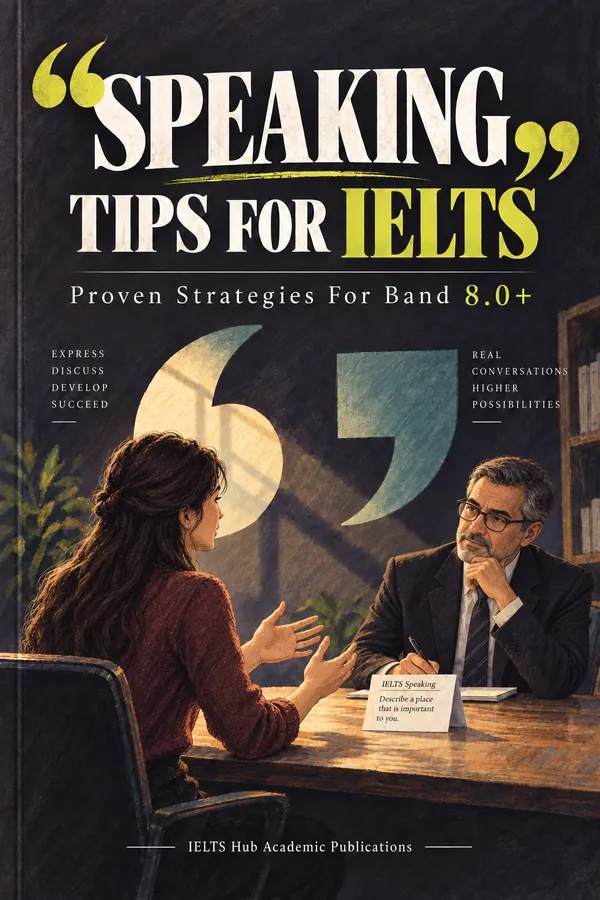
Speaking
Speaking Tips for IELTS
Proven Strategies for Band 8.0+
₹299$9.99CAD 13.99AUD 14.99£7.99NZD 16.99€8.99AED 39SGD 12.99
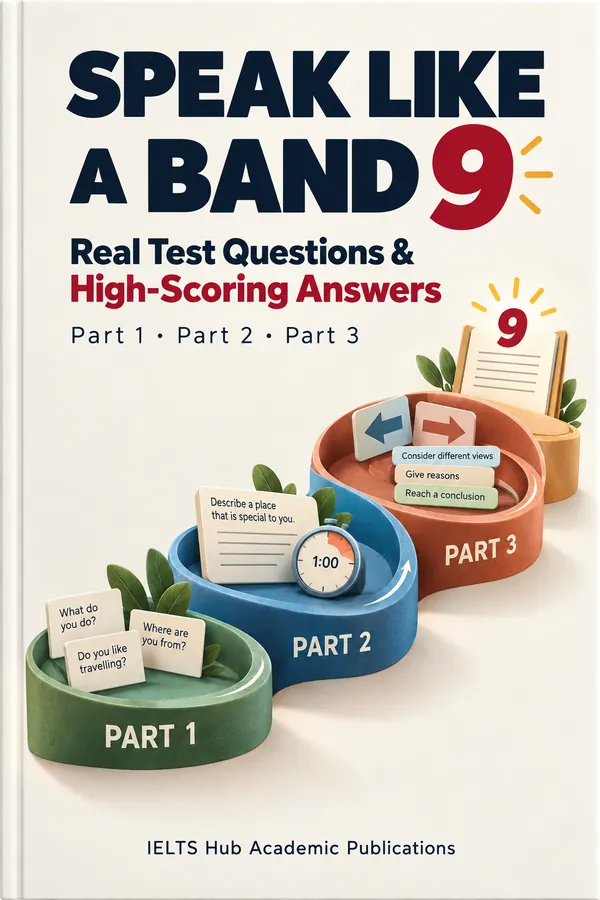
Speaking
Speak Like a Band 9
Real Test Questions & High-Scoring Answers
₹299$9.99CAD 13.99AUD 14.99£7.99NZD 16.99€8.99AED 39SGD 12.99

Speaking
Band 7+ Speaking Expressions
300 natural expressions for fluent, flexible speaking
₹199$6.99CAD 8.99AUD 9.99£4.99NZD 10.99€5.99AED 24SGD 8.99