Speaking test #177
Part 1 · Interview
4 to 5 minutes. The examiner asks about you and familiar topics.
Can you tell me your full name?
Where are you from?
Do you work or are you a student?
What kinds of flowers do you like?
Oh, I absolutely adore flowers! My favorites are probably roses and peonies. **They're both so elegant and romantic, don't you think**?
Are there any flowers that have special meanings in your country (India)?
In India, there are quite a few flowers that hold significant meanings. For example, marigolds are often used in religious ceremonies, and lotus flowers are said to symbolize purity and enlightenment.
Have you planted any flowers?
I have, actually! I have a little flower garden in my backyard where I grow all sorts of different blooms. It's such a nice way to add some color and life to my outdoor space.
Have you sent flowers to anyone?
I have! I think sending flowers is such a thoughtful gesture, so I try to do it whenever I know someone needs a little pick-me-up. It's a nice way to show you care and spread a little bit of happiness.
Have you ever tried foreign food?
Oh absolutely, I love exploring different cuisines from around the world. Trying new foods is one of my favourite things to do when I travel.
Do you like to try new food?
Definitely, I have an adventurous palate and I always enjoy trying new dishes and experimenting with different flavours.
What kind of new food have you tried recently?
Well, recently I had the opportunity to try some traditional Ethiopian cuisine and it was an absolutely amazing experience. The combination of spices and unique ingredients was something truly special.
What kind of foreign foods is popular in your country?
In my country, we have a huge diversity of foreign foods that are popular. Chinese, Italian, Indian, and Thai are some of the most popular options. But, in recent years we have also seen a lot of interest in more unconventional cuisines like Peruvian and Nigerian food. It's really exciting to see people's palates expand and embrace new flavours.
You will have to talk about the topic for one to two minutes. You have one minute to think about what you are going to say. You can make some notes to help you if you wish.
Describe an article you have recently read
You should say:
- What the article was about
- Where you read it
- Why you chose to read it
- How the article impacted you
What the article was about
Recently, I came across a thought-provoking article on climate change and its impact on the Himalayan region. The article discussed the melting glaciers, changing weather patterns, and the consequent threats to the biodiversity and communities in the area. It also highlighted the urgent need for global action to mitigate the effects of climate change in such ecologically sensitive regions.
Where you read it
I stumbled upon this article while browsing a renowned environmental news website. As someone passionate about environmental issues, the topic immediately caught my attention. I believe that staying informed about current environmental challenges is crucial in fostering awareness and advocating for sustainable solutions. Hence, I chose to read this article to deepen my understanding of the specific challenges faced by the Himalayan region.
Why you chose to read it
Reading this article left a profound impact on me. It served as a stark reminder of the pressing need to address climate change on a global scale. The detailed insights into the threats faced by the fragile ecosystem of the Himalayas reinforced my commitment to taking individual actions to reduce my carbon footprint and support initiatives aimed at environmental conservation. It inspired me to engage more actively in discussions and activities that promote sustainable living practices.
How the article impacted you
In conclusion, the article on climate change in the Himalayan region not only educated me about the environmental challenges in that area but also motivated me to be more proactive in advocating for climate action. It underscored the interconnectedness of environmental issues and the importance of collective efforts in safeguarding our planet for future generations. I am grateful for the eye-opening experience that reading this article has provided and will continue to seek out informative pieces to broaden my knowledge and contribute to positive change.
- Words
- 283
- Sentences
- 14
- Words per sentence
- 20.2
- Speaking time
- about 2.2 min
Counted at 130 words a minute. The exam gives you one to two minutes.
Part 3 · Discussion
4 to 5 minutes. The examiner asks broader questions linked to the cue card topic.
How do the themes in the article you read affect different age groups in different ways?
That's a fascinating question! The themes in an article can have a profound impact on different age groups because of their unique life experiences and perspectives. For instance, younger readers might find themes related to identity exploration particularly engaging, as they are often in the throes of self-discovery and personal growth. On the other hand, older generations might resonate more with themes of nostalgia or wisdom gained from past experiences, which can evoke a sense of reflection and appreciation for life’s journey. Additionally, the way issues like technology or social change are presented could either excite younger audiences or provoke critical thought in older readers, highlighting how our context shapes our understanding. Ultimately, the beauty of literature and articles lies in their ability to connect with us at various stages of life, sparking different emotions and thoughts along the way!
How much do you think articles can shape what people think?
I firmly believe that articles can significantly influence public opinion, especially in today's digital age where information is so readily accessible. Well-researched and compelling editorial pieces have the power to shape perceptions and ignite discussions on critical issues. For instance, an impactful article can bring attention to social injustices or environmental challenges, encouraging readers to take action or rethink their views. Moreover, with the rise of social media, articles can be shared widely, amplifying their reach and further affecting public sentiment. In essence, the written word can be a formidable catalyst for change, swaying hearts and minds in ways that are often underestimated.
How do you think articles help people understand and be aware of different cultures?
Articles play a significant role in shaping cultural awareness and understanding, acting as a bridge between diverse societies. They provide insights into different lifestyles, beliefs, and traditions, which can broaden our perspectives and foster empathy. Through well-researched pieces, readers can engage with a myriad of viewpoints, ultimately leading to a more holistic understanding of global issues. Moreover, articles often highlight the rich tapestry of human experiences, showcasing the beauty of cultural diversity. In this way, they not only educate but also inspire readers to appreciate and celebrate differences, which is crucial in our increasingly interconnected world.
Why is it important for readers to carefully assess the information in articles?
It's absolutely essential for readers to critically evaluate the information in articles because we live in an age overflowing with information, much of which can be misleading or biased. By engaging in critical evaluation, readers can distinguish between fact and opinion, which is crucial for forming a well-rounded understanding of any topic. This practice also fosters media literacy, enabling individuals to navigate the complexities of modern media landscapes. Additionally, when readers scrutinize sources, they develop a more informed perspective that empowers them to engage in meaningful discussions and make better decisions. Ultimately, this skill not only enhances personal knowledge but also contributes to a more informed society as a whole.
How do you think articles will change in the next ten years?
I believe the nature of articles will undergo significant transformation over the next decade, largely driven by technological advancements. As we increasingly rely on digital platforms, articles will likely become more interactive and immersive, incorporating elements like augmented reality and multimedia content. This could enhance the reader's experience, allowing them to engage with the material in a more profound way. Furthermore, with the rise of artificial intelligence, we might see a shift towards more personalized content, where articles are tailored to individual preferences and interests. Ultimately, I think this evolution will make reading not just informative, but also a more dynamic and enriching experience.
What steps can be taken to make sure articles are accurate and trustworthy?
To ensure that articles maintain high standards of accuracy and reliability, several measures can be implemented. Firstly, rigorous fact-checking processes should be standard practice; this involves verifying information through multiple credible sources before publication. Secondly, fostering a culture of accountability among writers and editors can significantly enhance the quality of content. Encouraging authors to disclose their sources and motivations not only builds trust but also promotes transparency in journalism. Lastly, implementing regular training sessions on ethical standards and the importance of journalistic integrity can help writers stay informed about best practices, ultimately leading to more reliable articles.
Go further with the books
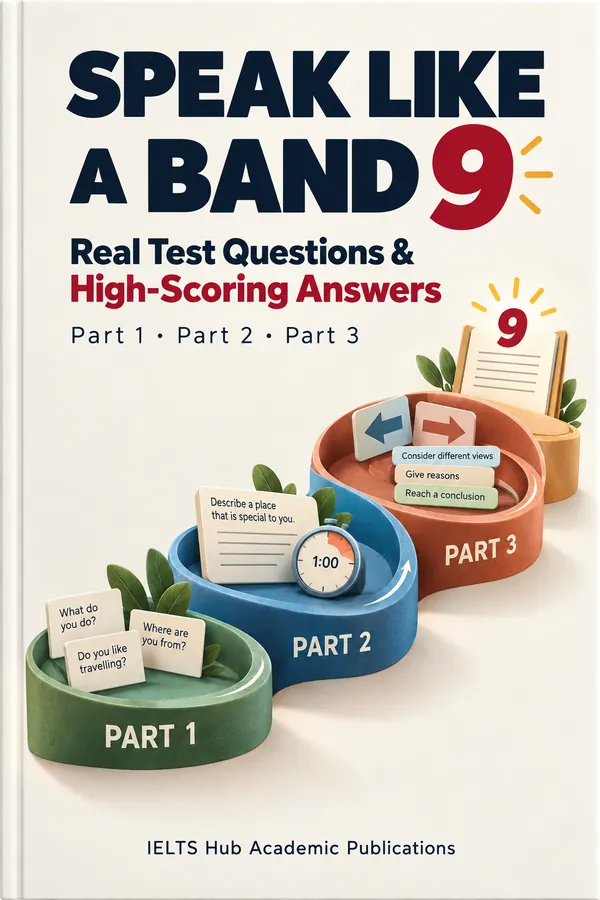
Speaking
Speak Like a Band 9
Real Test Questions & High-Scoring Answers
₹299$9.99CAD 13.99AUD 14.99£7.99NZD 16.99€8.99AED 39SGD 12.99
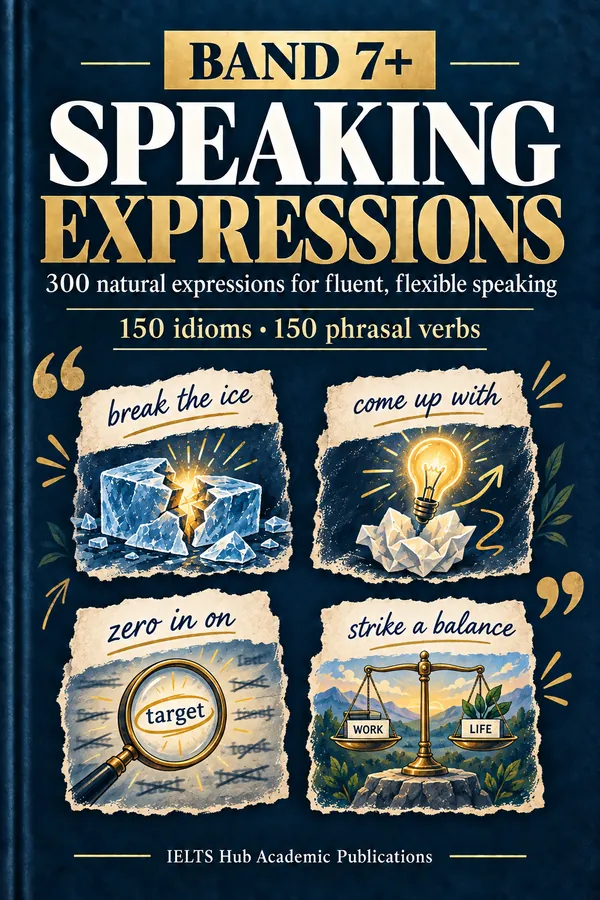
Speaking
Band 7+ Speaking Expressions
300 natural expressions for fluent, flexible speaking
₹199$6.99CAD 8.99AUD 9.99£4.99NZD 10.99€5.99AED 24SGD 8.99
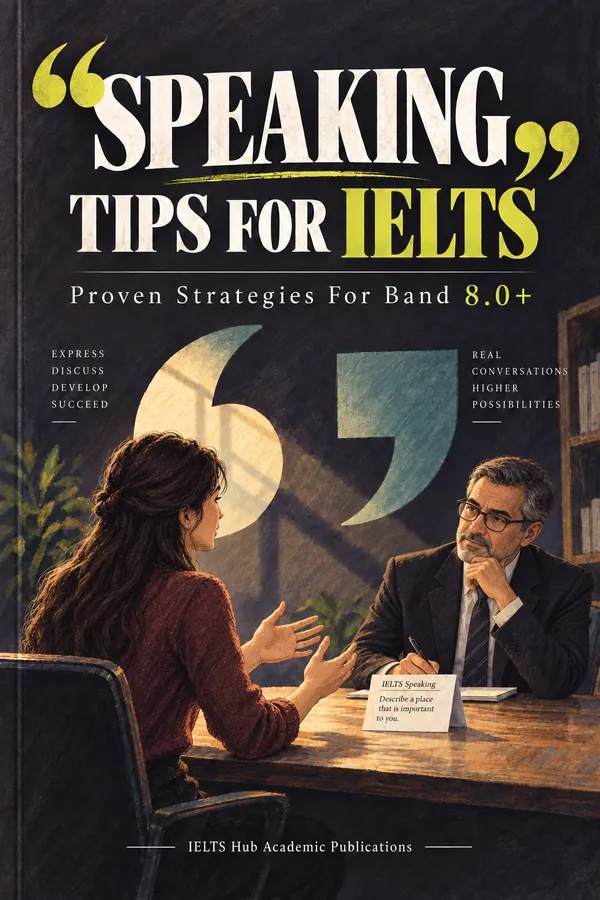
Speaking
Speaking Tips for IELTS
Proven Strategies for Band 8.0+
₹299$9.99CAD 13.99AUD 14.99£7.99NZD 16.99€8.99AED 39SGD 12.99